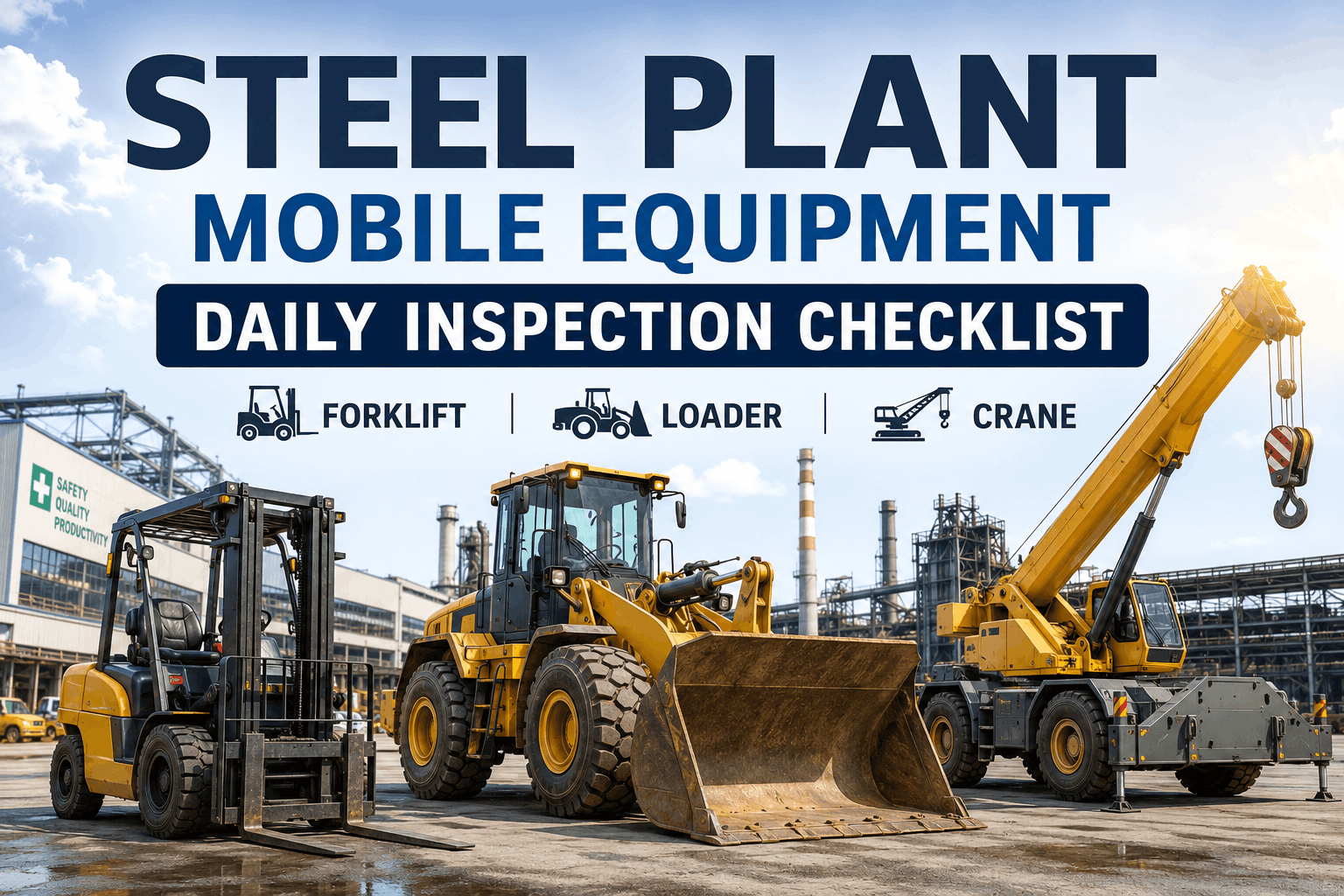
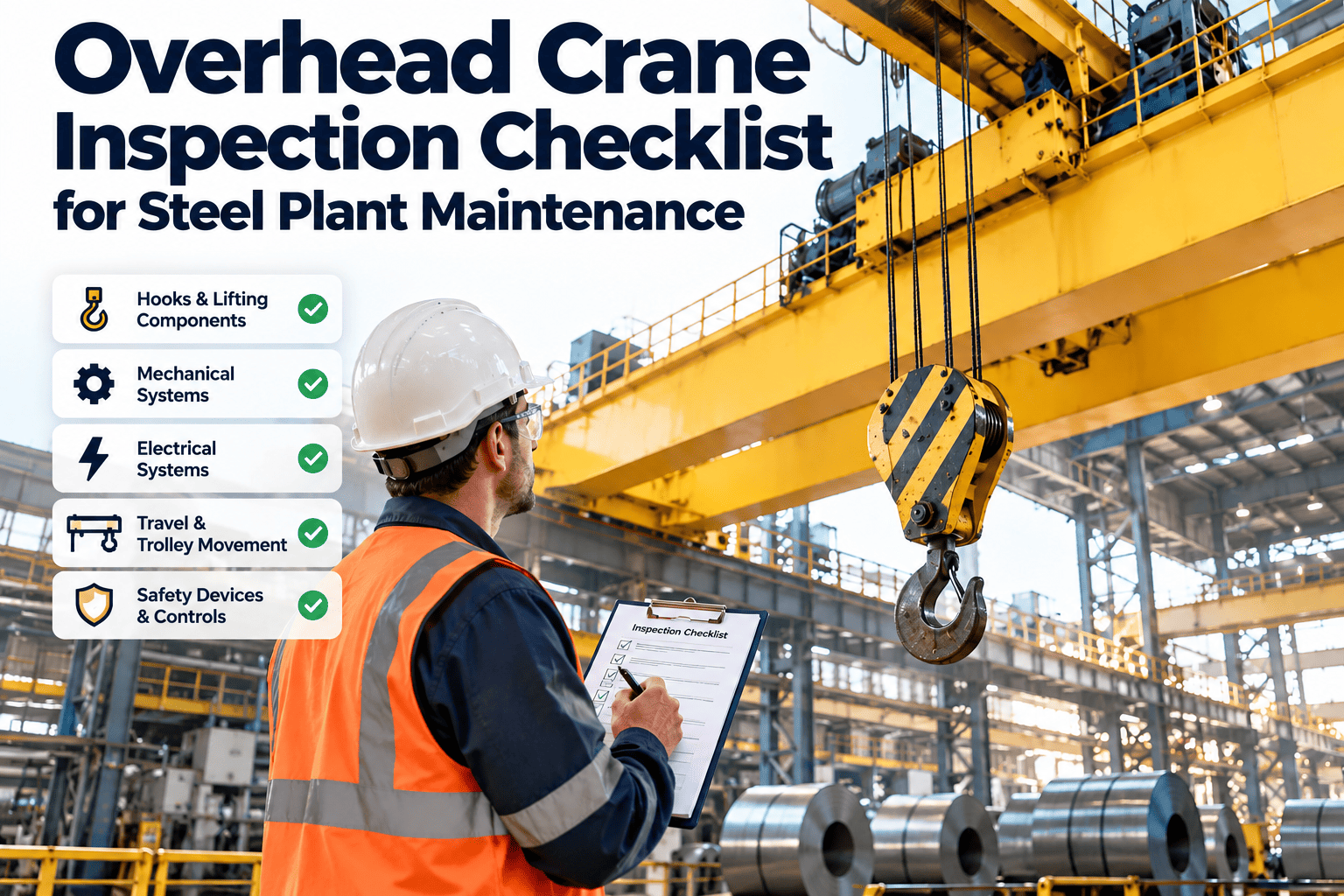
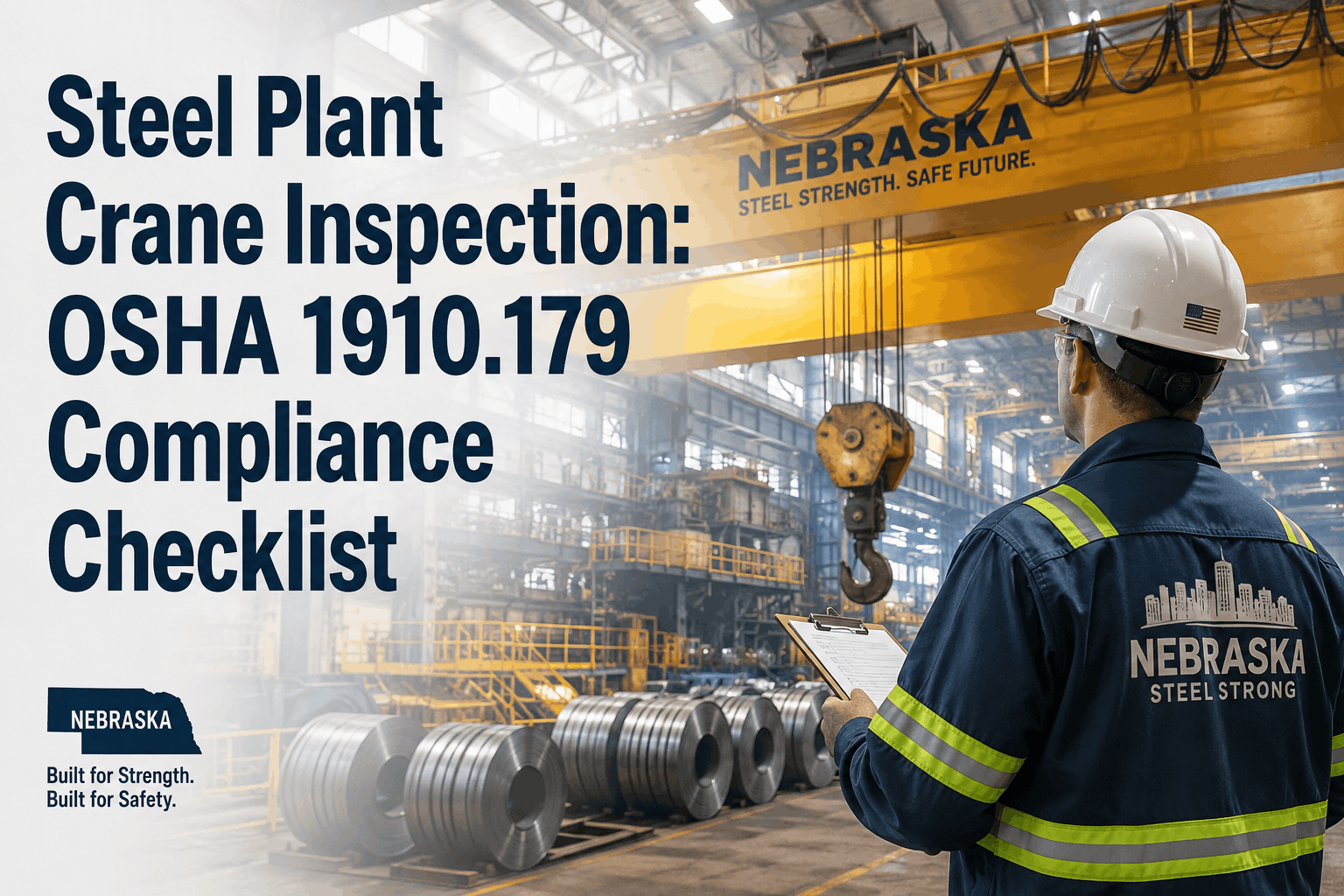
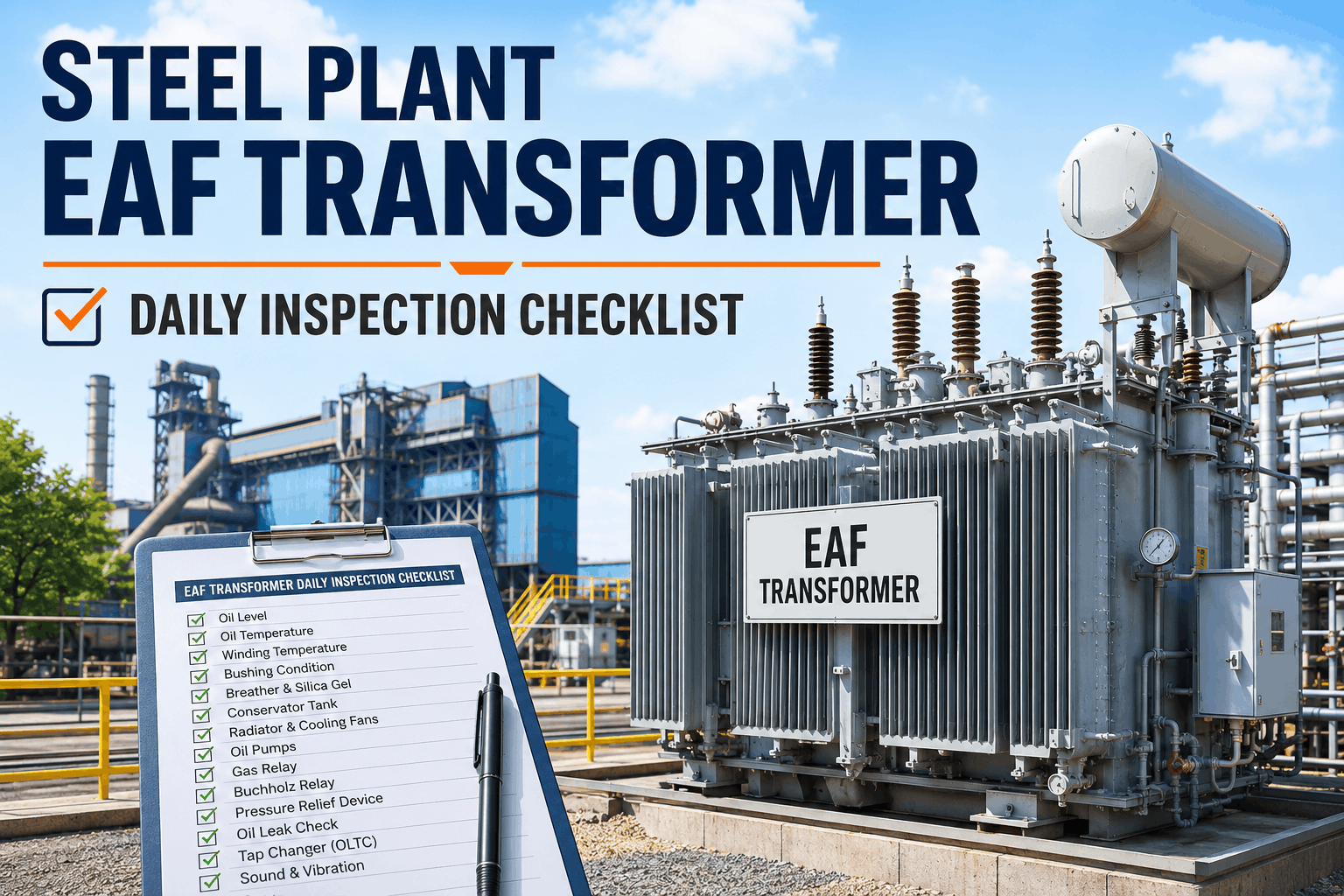
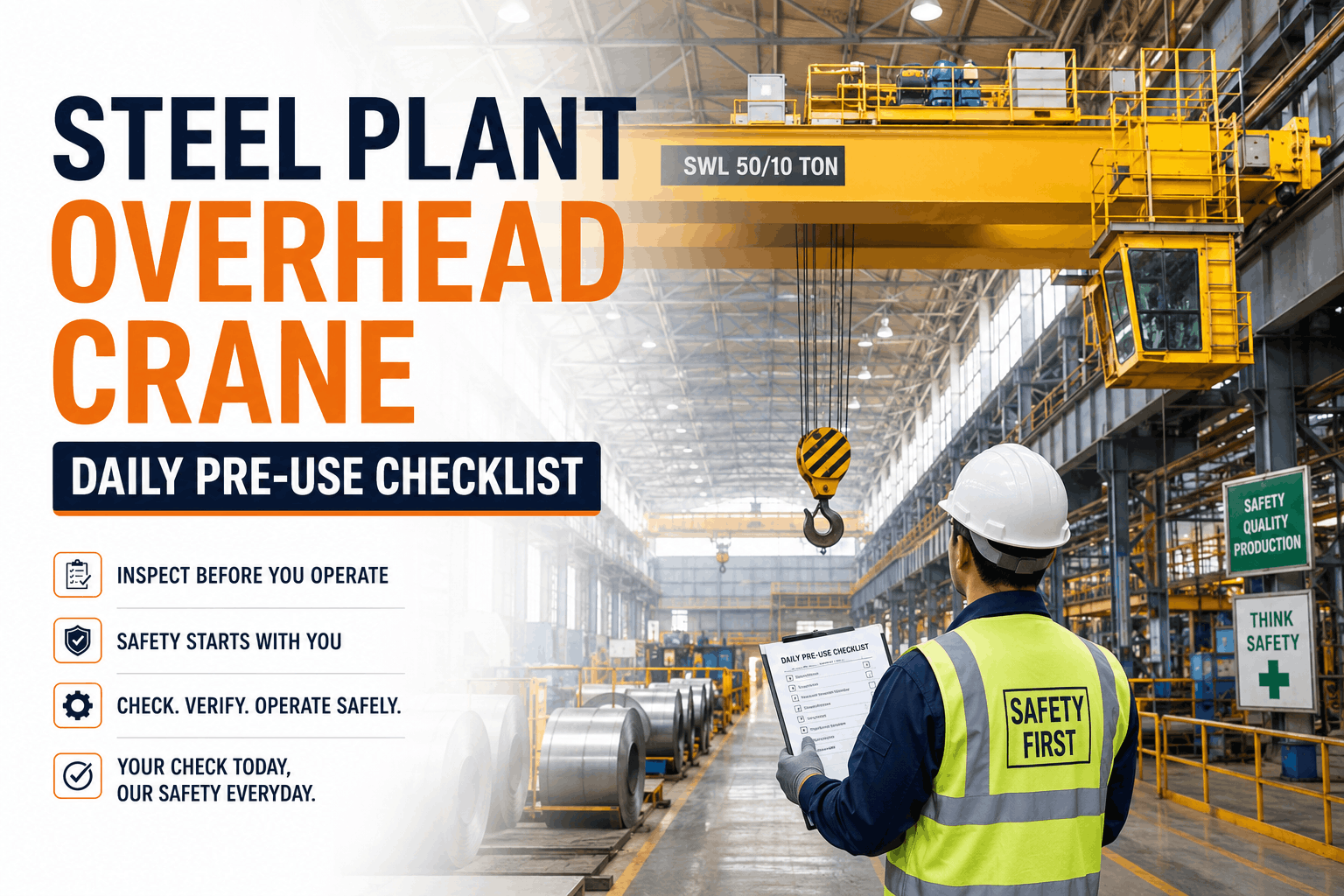
Mobile equipment — forklifts, wheel loaders, mobile cranes, and telehandlers — are high-risk assets in steel mills, foundries, and manufacturing plants. OSHA regulations (29 CFR 1918, 1919, 1926) mandate daily pre-operation inspections before equipment enters service. Daily equipment inspections prevent catastrophic failures, reduce accident probability by up to 70%, and extend equipment service life by years. Yet many facilities treat daily inspections as a box-checking exercise rather than a critical safety gate. This comprehensive mobile equipment inspection checklist covers pre-operation validation, critical safety system checks, load capacity verification, and immediate defect reporting protocols. When operators document findings in a digital maintenance platform like Oxmaint, you gain real-time visibility into equipment condition trends, predictive wear patterns, and systematic defects that signal bigger maintenance problems before catastrophic failure occurs. Steel plants and industrial facilities using structured daily inspection programs with digital documentation report 45% fewer equipment-related injuries and 30% reduction in unexpected downtime.
Digitize Mobile Equipment Inspections
Mobile-first daily inspection checklists with photo attachment, instant defect escalation, and OSHA-compliant documentation — all captured automatically in Oxmaint.
1. Forklift Pre-Operation Safety Checks
Forklift accidents are a leading cause of workplace injuries in industrial facilities. Daily pre-operation inspections are the primary defense. OSHA requires documented daily inspections before each shift — critical control points include mast integrity, hydraulic function, braking system, and load capacity verification.
2. Wheel Loader & Mobile Crane Inspection Points
Wheel loaders and mobile cranes operate under extreme load cycles that stress hydraulic systems, boom structure, and lifting mechanisms. Daily inspection protocols differ by equipment type but share focus on structural integrity, load-handling safety, and stability verification.
3. Operator Training & Equipment Certification Tracking
OSHA regulations require that only trained and certified operators run high-risk equipment. Certification records must be maintained and updated annually. Daily inspections are most effective when operators are skilled at identifying defects and understand implications of safety findings.
4. Defect Reporting & Immediate Out-of-Service Actions
Daily inspections are only effective when defects trigger immediate action. Critical defects must immediately remove equipment from service; non-critical issues should be documented for next-shift technician attention. Clear escalation procedures prevent operators from continuing to use compromised equipment.
Transform Mobile Equipment Inspections
Oxmaint's mobile-first inspection platform automates daily checklists, escalates critical defects, and generates maintenance work orders — ensuring OSHA compliance and zero missed safety checks.
Frequently Asked Questions — Mobile Equipment Daily Inspections
1. What is the legal requirement for daily mobile equipment inspections in the USA?
OSHA 29 CFR 1918 (Marine Terminals), 1919 (Longshoring), and 1926 (General Construction) mandate documented daily inspections of lifting and powered industrial trucks before each shift. Failure to document inspections carries OSHA penalties up to $15,000 per violation.
2. Who is responsible for conducting daily mobile equipment inspections?
The equipment operator is responsible for pre-operation inspection; however, facility management must provide training, inspection checklists, and maintenance response systems. Supervisors are responsible for verifying inspections are completed and documented daily.
3. How long should a pre-operation mobile equipment inspection take?
A thorough pre-operation inspection typically requires 10–15 minutes depending on equipment type and complexity. Facilities should allocate inspection time at shift start as part of standard work procedures rather than rushing inspections after shift begins.
4. What happens if an operator finds a defect during daily inspection?
Critical defects (brake failure, structural damage, hydraulic leaks) must immediately remove equipment from service. Operators should report defects to supervisor who notifies maintenance. Non-critical issues are documented for technician repair during planned maintenance window.
5. How should mobile equipment inspection records be retained?
OSHA requires retention of inspection records for the life of the equipment plus 5 years. Digital inspection records with timestamps, photos, and audit trails provide superior compliance documentation compared to paper-based checklists.
6. What is the difference between daily inspection and periodic maintenance for mobile equipment?
Daily inspection (pre-operation check) identifies critical defects preventing safe operation. Periodic maintenance (monthly, quarterly, annual) involves deeper diagnostics, component testing, and preventive repairs that extend equipment life and reliability.
7. How can facilities reduce the burden of daily mobile equipment inspections?
Use digital inspection checklists (mobile app vs. paper forms) to streamline documentation. Train operators on critical check points only (focusing on safety-critical items) to reduce inspection time while maintaining coverage of high-risk failure modes.
8. What role do daily inspections play in predictive maintenance?
Daily inspections are the frontline data source for condition monitoring. Trending defect data (e.g., increasing hydraulic leaks) signals underlying wear patterns that predict future failures, enabling proactive maintenance before equipment breaks down in production.
"Our steel mill switched to digital mobile equipment inspections using Oxmaint about 18 months ago. What surprised us most was how much data we gained from tracking inspection trends. We discovered that one forklift model was experiencing premature brake wear — inspections showed gradual degradation that would have been missed with spot checks. By trending the inspection data and acting proactively, we prevented a potentially serious accident and extended that equipment's service life by 2 years. The automated defect-to-work-order flow also cut our maintenance response time by 60%." — Maintenance Superintendent, Pittsburgh Area Steel Mill, Pennsylvania
David Martinez, Maintenance Superintendent | Pittsburgh Area Steel Mill, Pennsylvania, USA
Protect Your Team with Daily Inspections
Oxmaint's mobile equipment inspection platform ensures OSHA compliance, captures real-time defect data, and drives predictive maintenance decisions that keep your facility safe and operational.