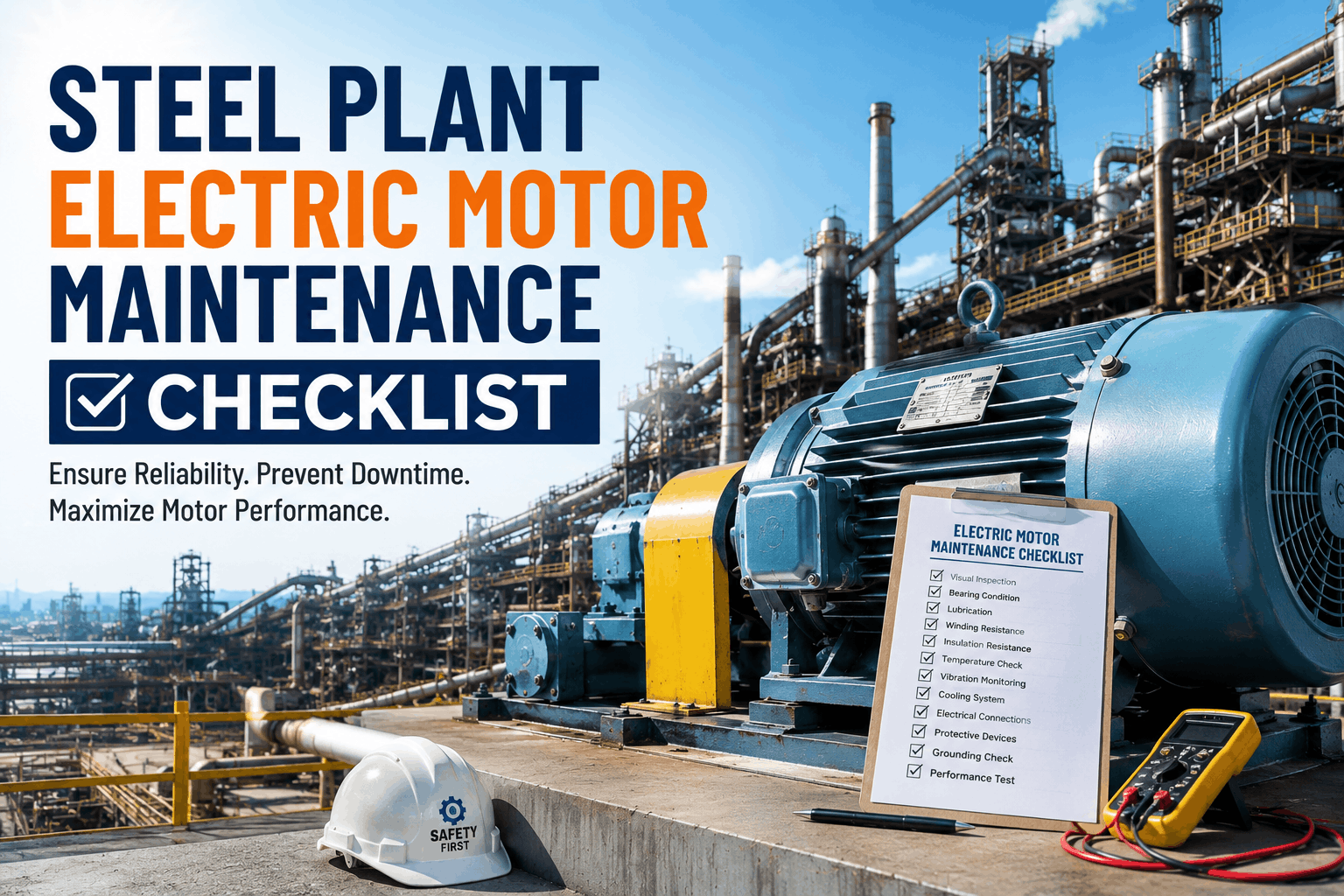
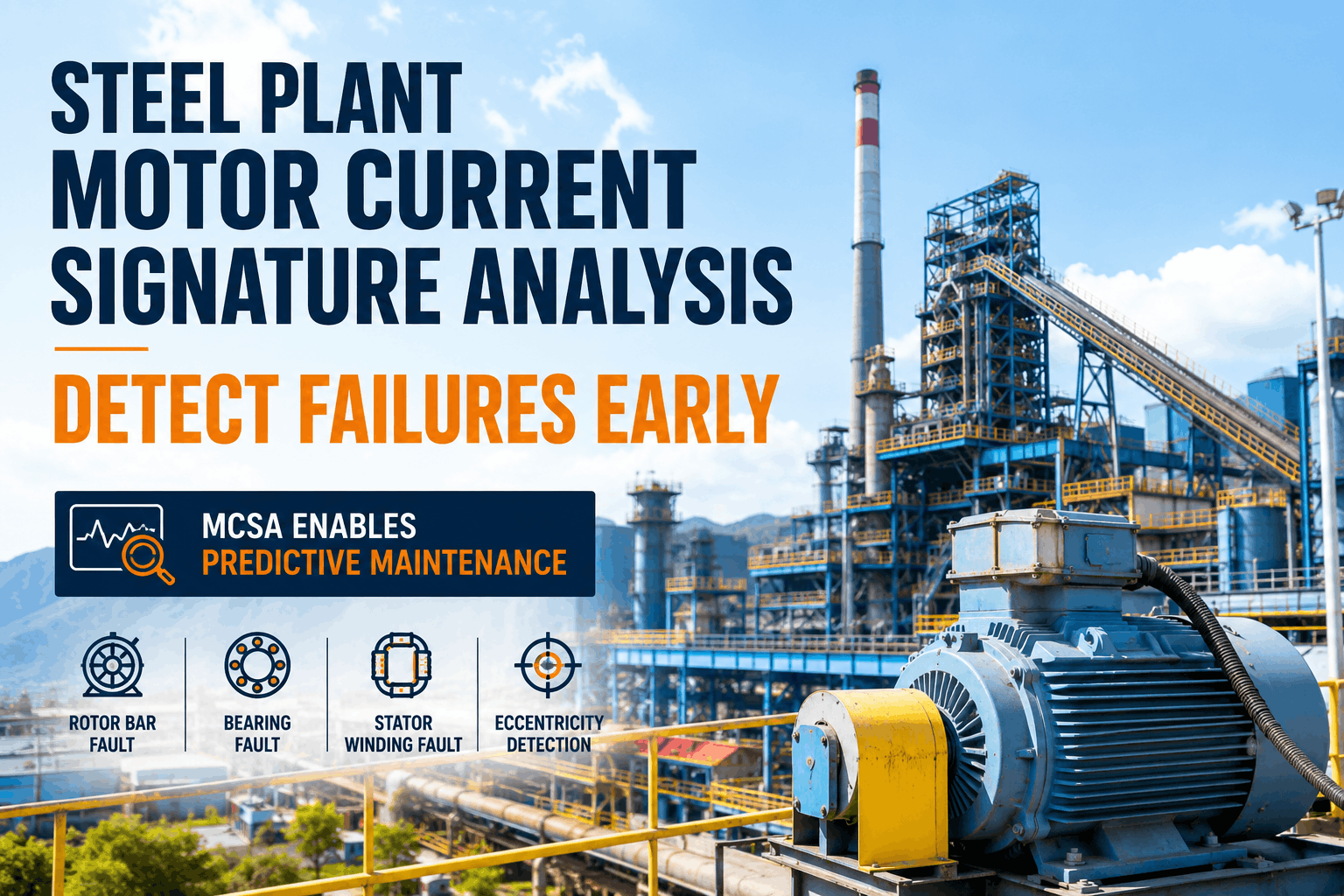
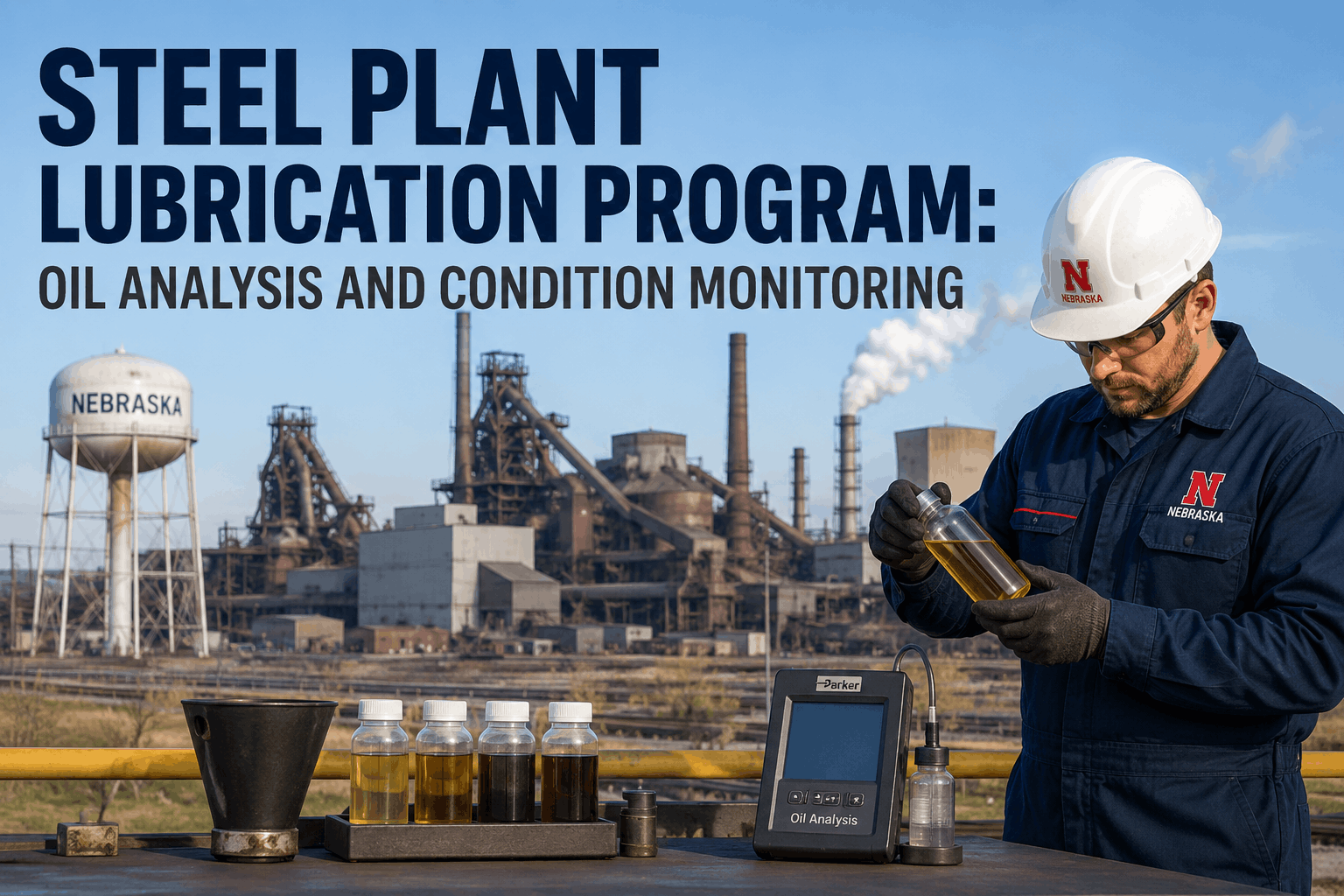
Electric motors are the workhorses of industrial facilities — operating fans, pumps, compressors, conveyors, and process equipment. Yet many facilities treat motor maintenance as reactive crisis management: run until failure, then replace. Preventive motor maintenance following NFPA 70E and EASA guidelines prevents catastrophic failures, extends motor lifespan by 10+ years, and reduces facility downtime by 60% compared to run-to-failure operations. A structured motor maintenance program covers bearing health monitoring, winding insulation testing, rotor balancing, thermal imaging diagnostics, and lubrication management. Industrial motors properly maintained achieve 20–30 year service lives at fractions of replacement costs ($100–500K per motor replacement). Using digital maintenance tracking with Oxmaint, facilities track motor condition metrics, trending analysis, spare motor availability, and failure prediction with scientific precision. Steel mills, refineries, and chemical plants implementing standardized motor PM programs report 45% reduction in unplanned downtime, 35% extension of average motor lifespan, and significant HVAC reliability improvements.
Master Motor Maintenance at Scale
Predictive testing schedules, bearing diagnostics, insulation trending, thermal monitoring, and NFPA-compliant documentation — all integrated in Oxmaint for mission-critical motor fleets.
1. Bearing Condition Monitoring & Lubrication Management
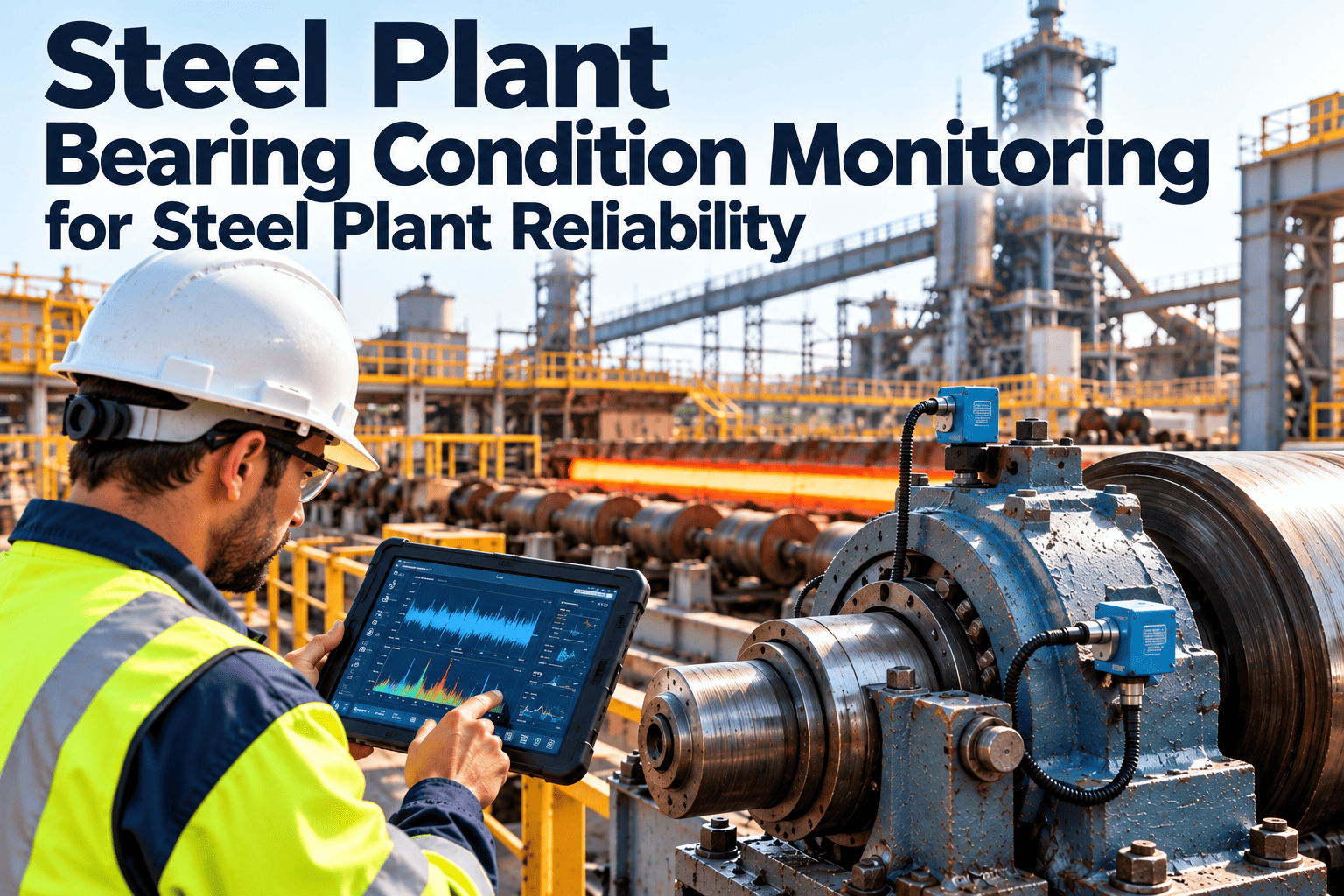
Electric motor bearing failures are responsible for 40% of unplanned motor shutdowns in industrial facilities. Proper lubrication, bearing temperature monitoring, and vibration diagnostics are the frontline defense against bearing failure — enabling predictive replacement before catastrophic failure.
2. Winding Insulation Testing & Electrical Diagnostics
Motor winding insulation degradation is the second-leading cause of motor failures (after bearings). Electrical testing — megohm testing, polarization index, surge testing, winding resistance — detects incipient insulation failure before catastrophic breakdown occurs.
3. Rotor Balance, Alignment & Coupling Inspection
Motor rotor imbalance and shaft misalignment accelerate bearing wear and increase vibration, noise, and energy consumption. Regular alignment and balancing checks prevent cascading failures and maintain optimal motor efficiency.
4. Operational Performance & Energy Efficiency Monitoring
Beyond mechanical health, monitoring motor electrical performance and energy consumption reveals efficiency degradation, load changes, and incipient failures. Motors operating above or below design load conditions age prematurely and consume excess energy.
Optimize Motor Maintenance Program
Bearing health tracking, winding insulation trending, alignment management, and predictive replacement scheduling — integrated in Oxmaint for reliable motor fleet operations.
Frequently Asked Questions — Electric Motor Maintenance
1. What is the typical service life of an electric motor with proper preventive maintenance?
Well-maintained industrial motors typically achieve 20–30+ year service lives. Run-to-failure maintenance results in average 10–15 year lifespans. Preventive maintenance adds $5–20K per motor per decade but prevents $100–500K+ replacement costs and extended production downtime.
2. How often should megohm insulation testing be performed on critical motors?
NFPA 70E recommends baseline megohm testing at commissioning, then annual testing for in-service motors. Motors in harsh environments (high humidity, high temperature, chemical exposure) should be tested every 6 months. Trending megohm values over time is more important than single test results.
3. What is the difference between predictive and preventive motor maintenance?
Preventive maintenance follows fixed schedules (e.g., bearing re-grease every 3 months). Predictive maintenance adjusts schedules based on condition monitoring (bearing temperature, vibration, insulation resistance). Predictive approaches reduce maintenance costs 20–30% by eliminating unnecessary work while preventing failures.
4. How can I tell if a motor bearing is nearing failure?
Signs of imminent bearing failure: elevated bearing temperature (+15–25°C above baseline), audible noise or grinding sounds, visible vibration, and increasing mechanical play (side-to-side shaft movement). Vibration spectral analysis reveals bearing spall frequencies. Electronic monitoring systems alert to failures 4–8 weeks before catastrophic failure occurs.
5. What are the consequences of poor motor-to-load shaft alignment?
Misalignment stresses both motor and driven equipment bearings, promotes coupling wear and failure, increases vibration and noise, reduces efficiency, and accelerates failures on both motor and load ends. Laser alignment and periodic verification prevent these cascading failures and extend overall system reliability.
6. How does moisture damage motor windings and why is polarization index testing important?
Moisture in motor windings reduces insulation resistance and accelerates insulation breakdown under electrical stress. Polarization Index (PI) testing detects moisture-contaminated windings by measuring how fast insulation charges over time. Low PI values indicate moisture ingress — motors require dehydration or replacement before electrical failure occurs.
7. What is the recommended strategy for managing spare motors in critical applications?
High-criticality motors (essential to safety or production) should have spare motors in stock with matching specifications. When a motor fails, spare provides immediate replacement enabling production restart while primary motor is repaired off-line. Spare motor cost ($20–50K) is recovered in one avoided production downtime event worth $500K+.
8. How can motor efficiency improvements reduce facility operating costs?
Motors represent 45% of industrial electricity consumption. Improving motor efficiency 3–5% through bearing maintenance, alignment, and load matching reduces annual electricity costs $10–50K+ per motor. Premium efficiency motors cost more upfront but achieve payback in 2–3 years through reduced energy consumption.
"We inherited a 500+ motor fleet with virtually zero maintenance history. Our first vibration survey revealed 60+ motors in poor condition with bearing problems and misalignment issues. By implementing structured preventive maintenance using Oxmaint, we mapped bearing health, insulation condition, and alignment across the entire fleet. We scheduled repairs systematically and maintained spare inventory strategically. Over 3 years, unplanned motor failures dropped from 25+ per year to fewer than 3. Our electricity consumption decreased 8% through improved efficiency. The investment in Oxmaint and condition monitoring paid back in 14 months." — Maintenance Director, Large Petrochemical Refinery, Louisiana
Thomas Park, Maintenance Director | Louisiana Petrochemical Complex, USA
Transform Your Motor Maintenance Program
Oxmaint's predictive motor diagnostics, bearing health tracking, and energy efficiency monitoring ensure your critical motors run reliably for decades at optimal cost.