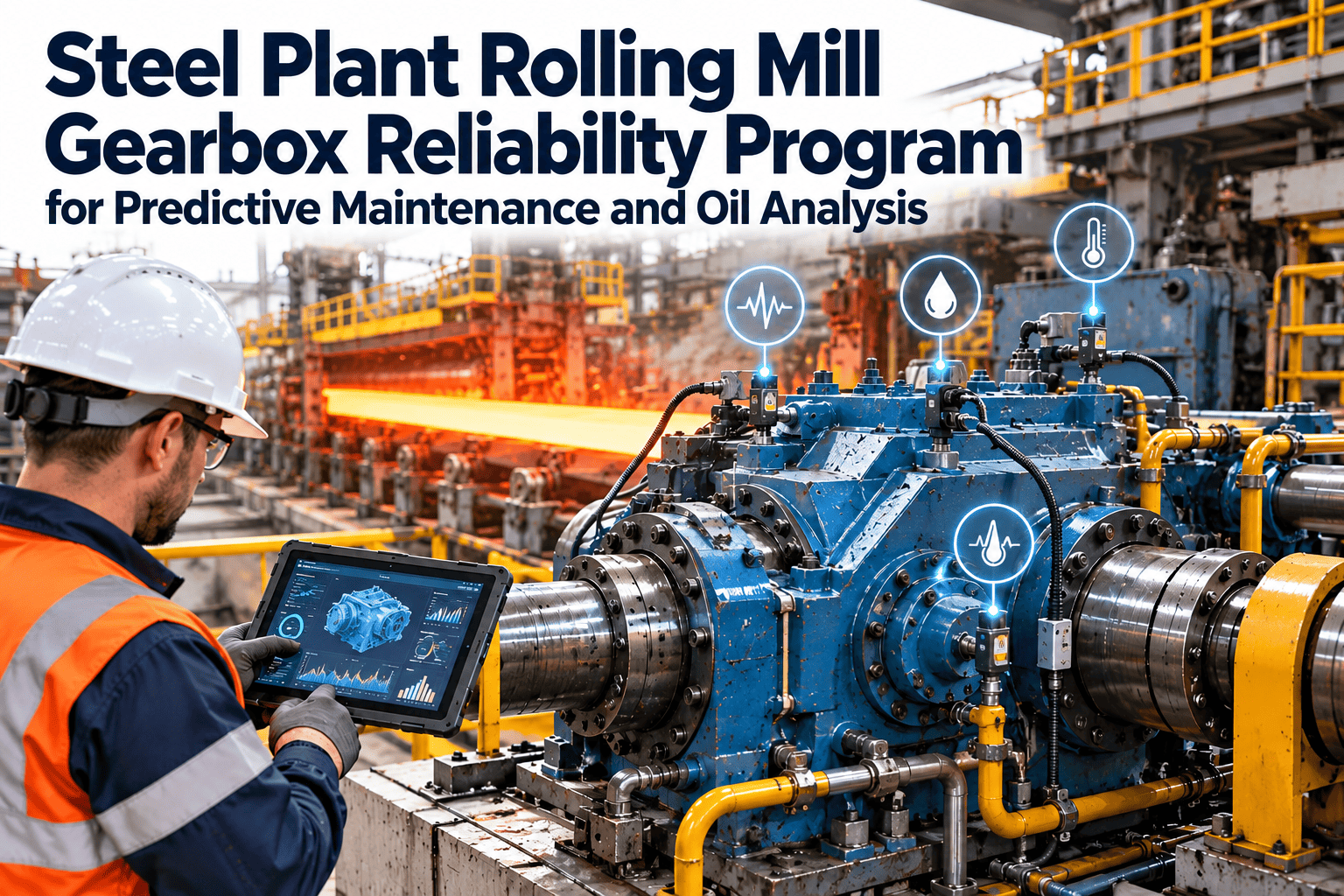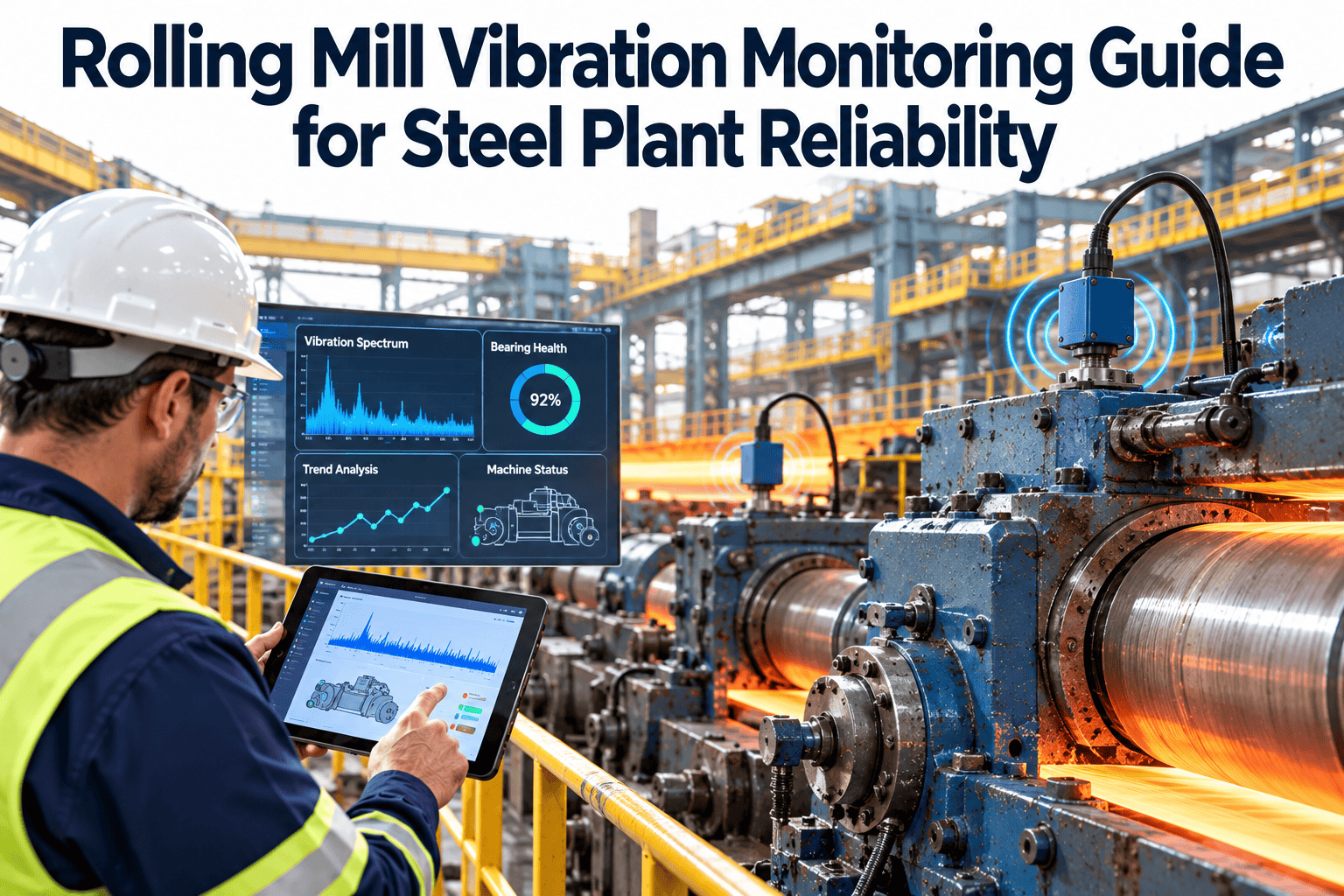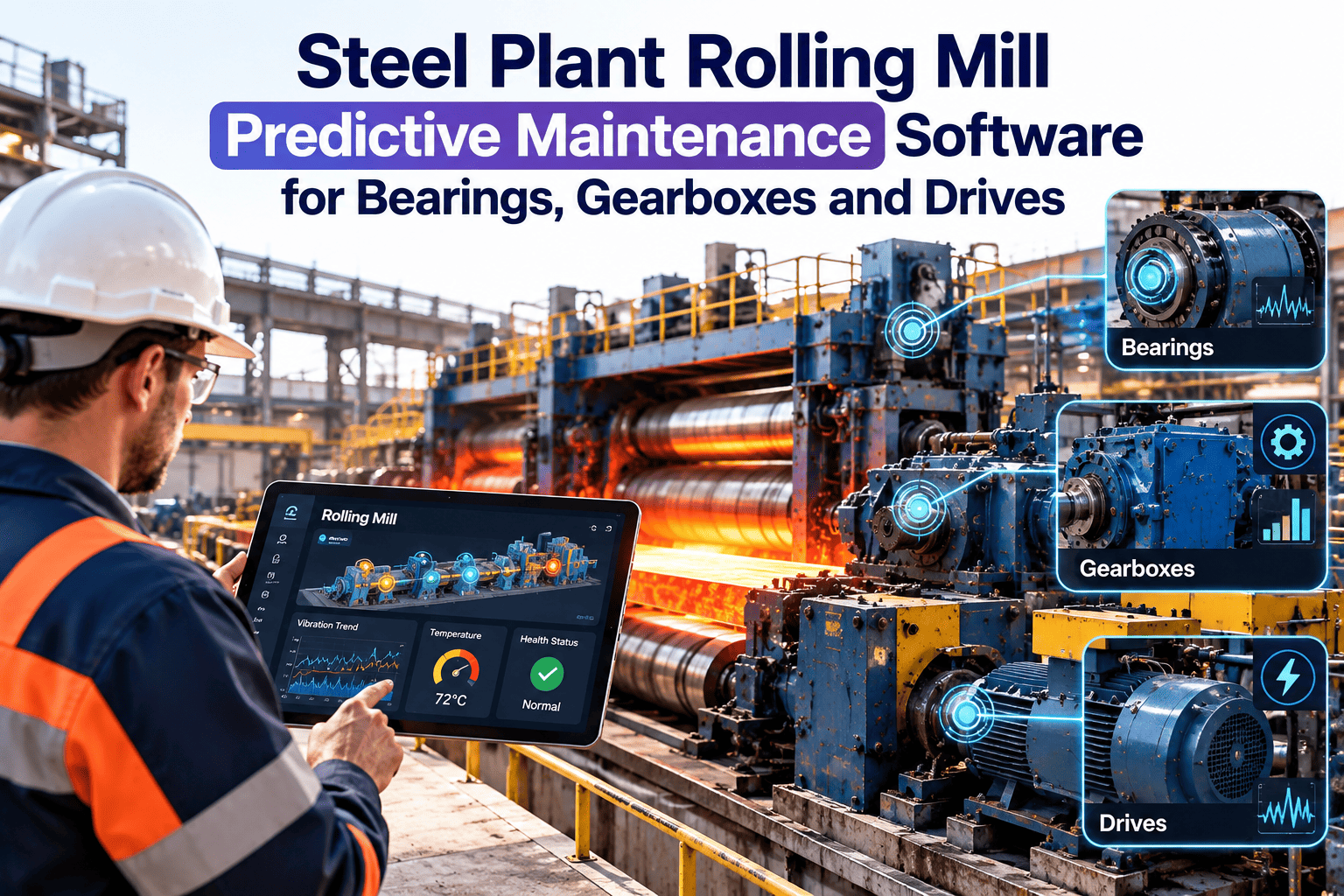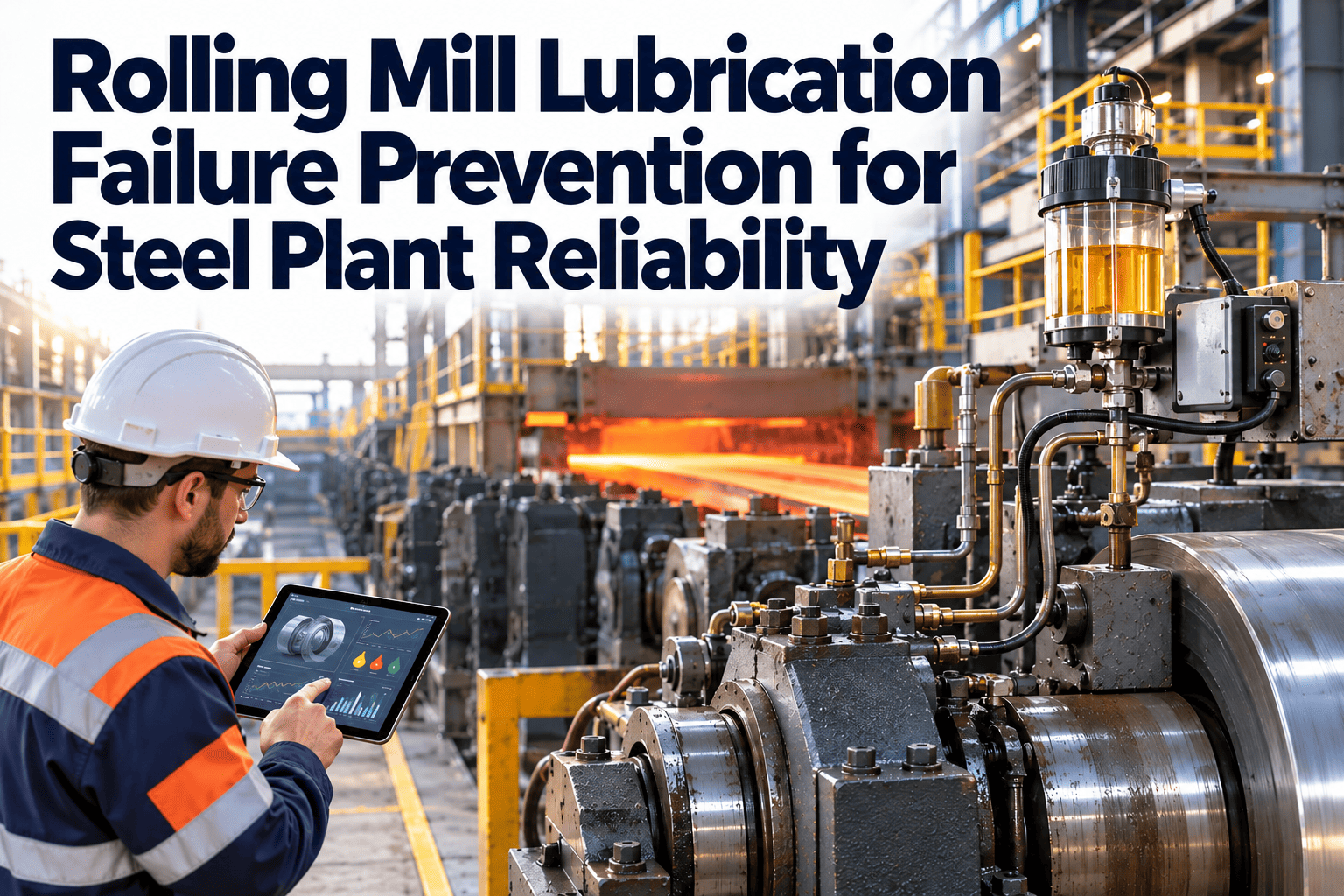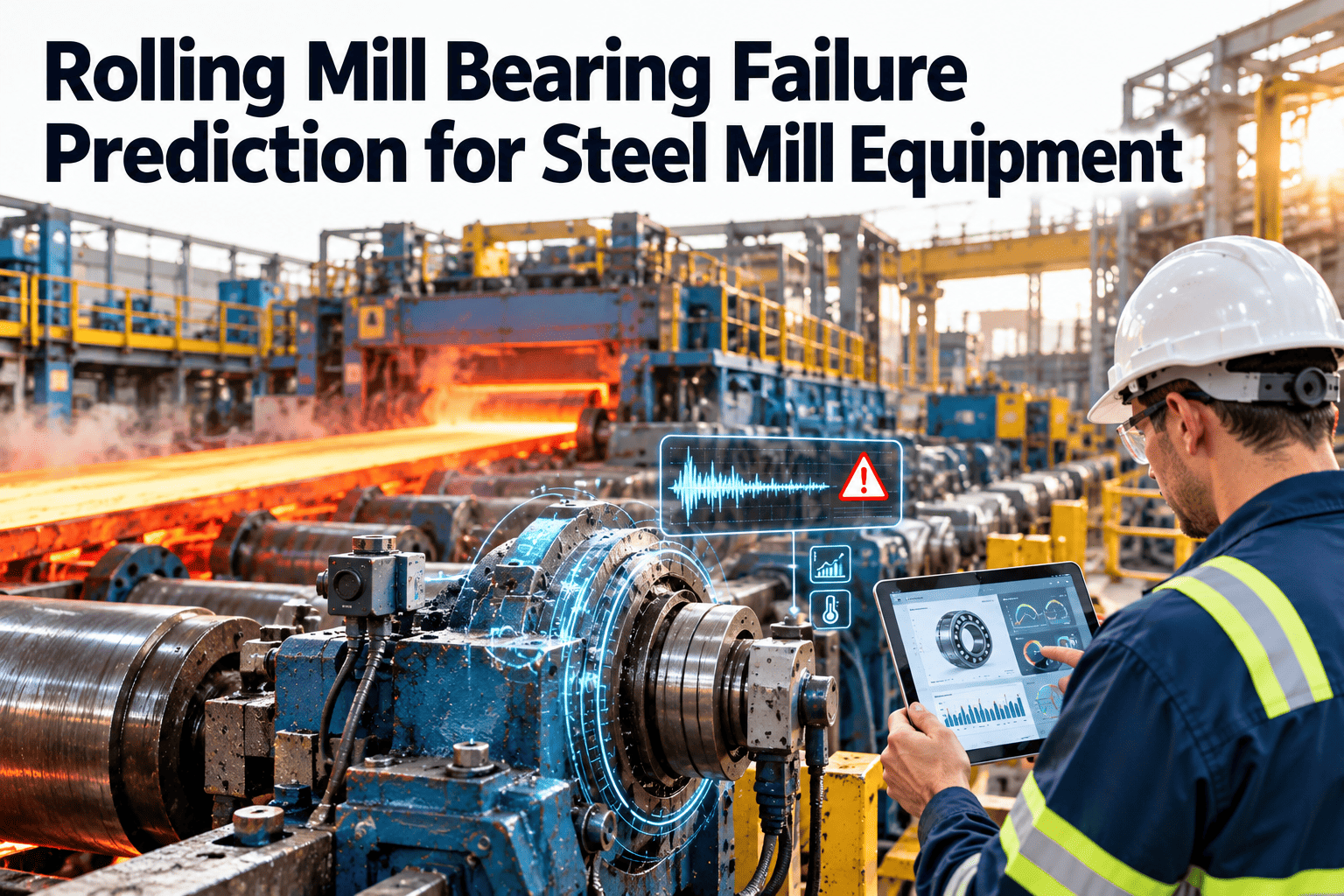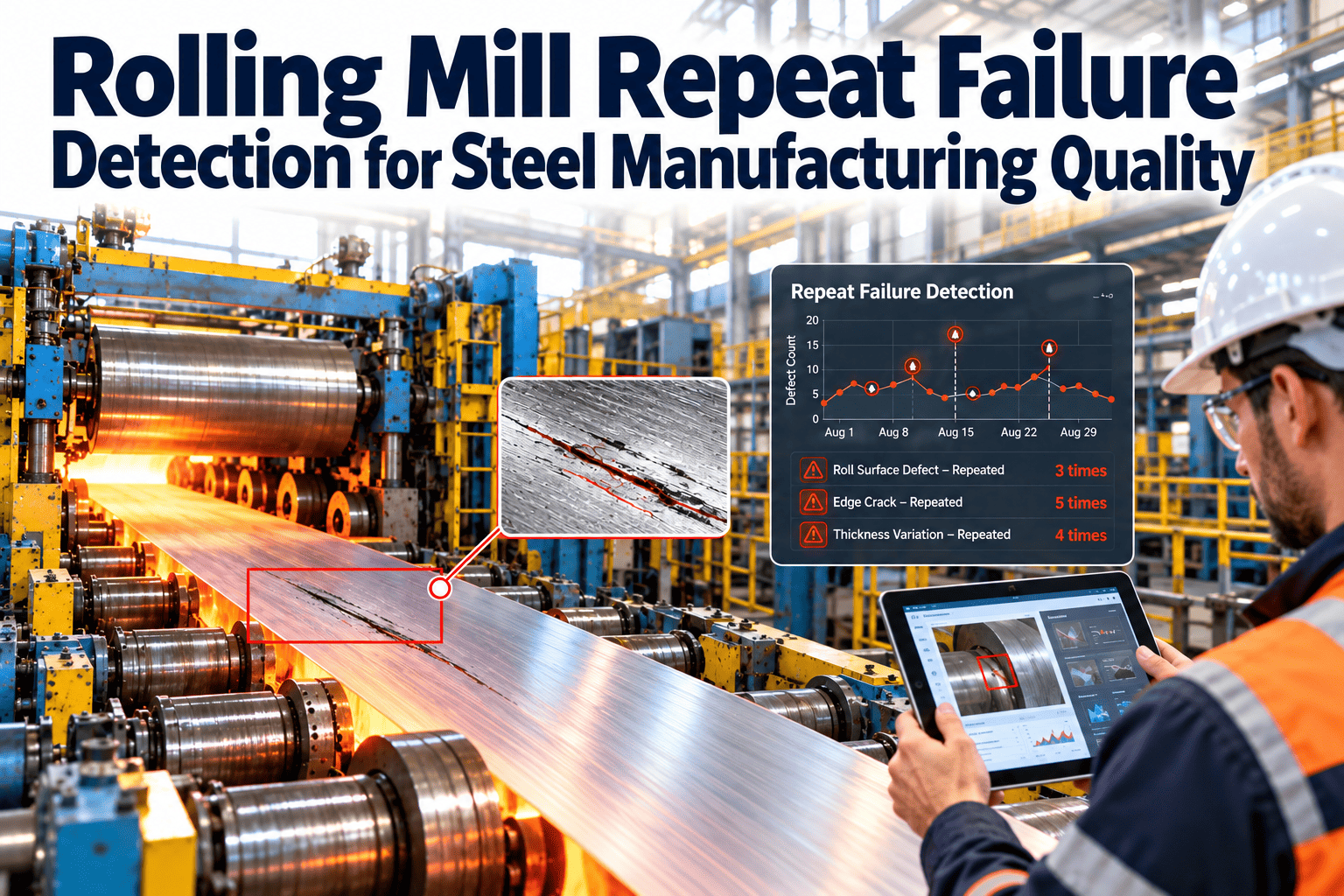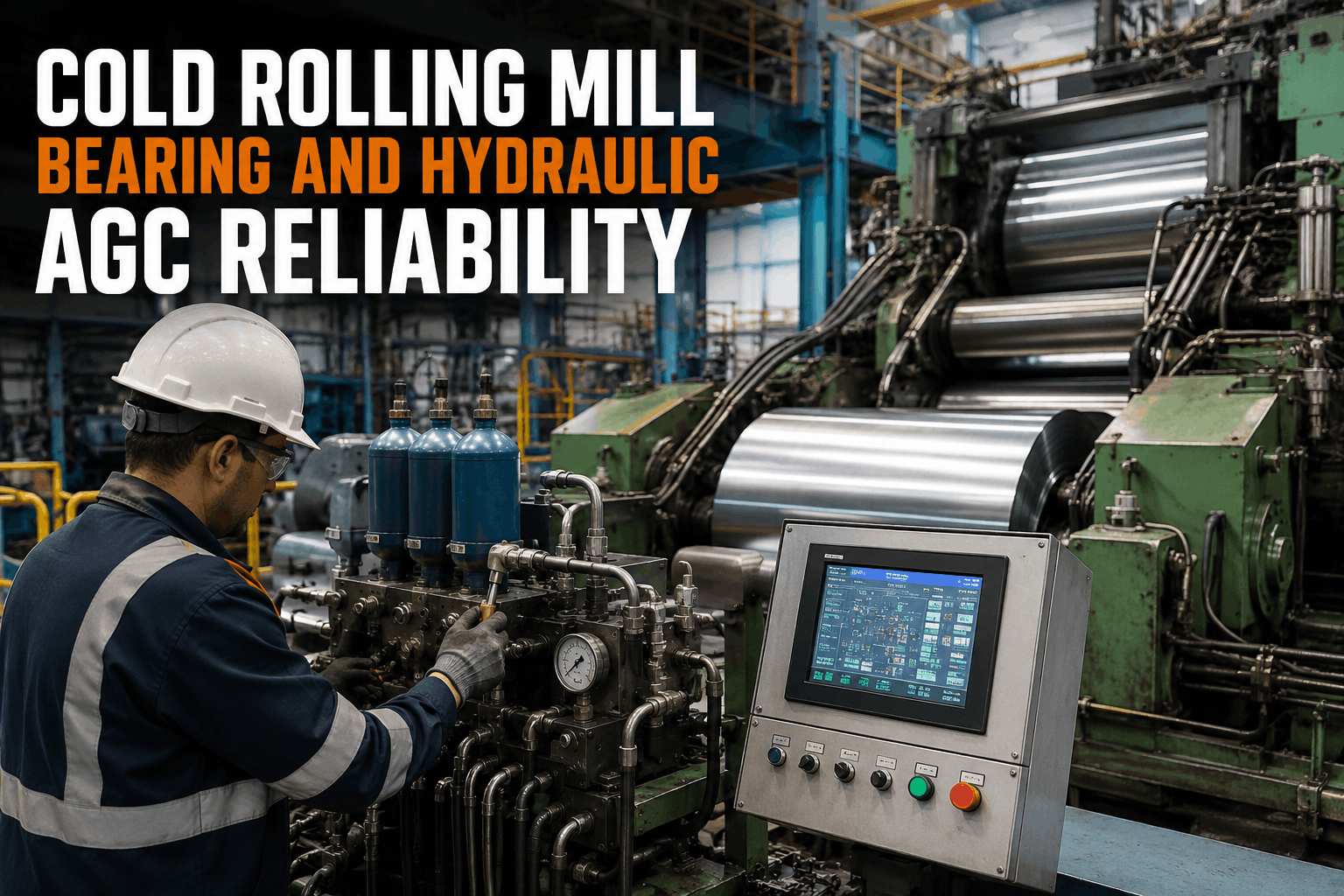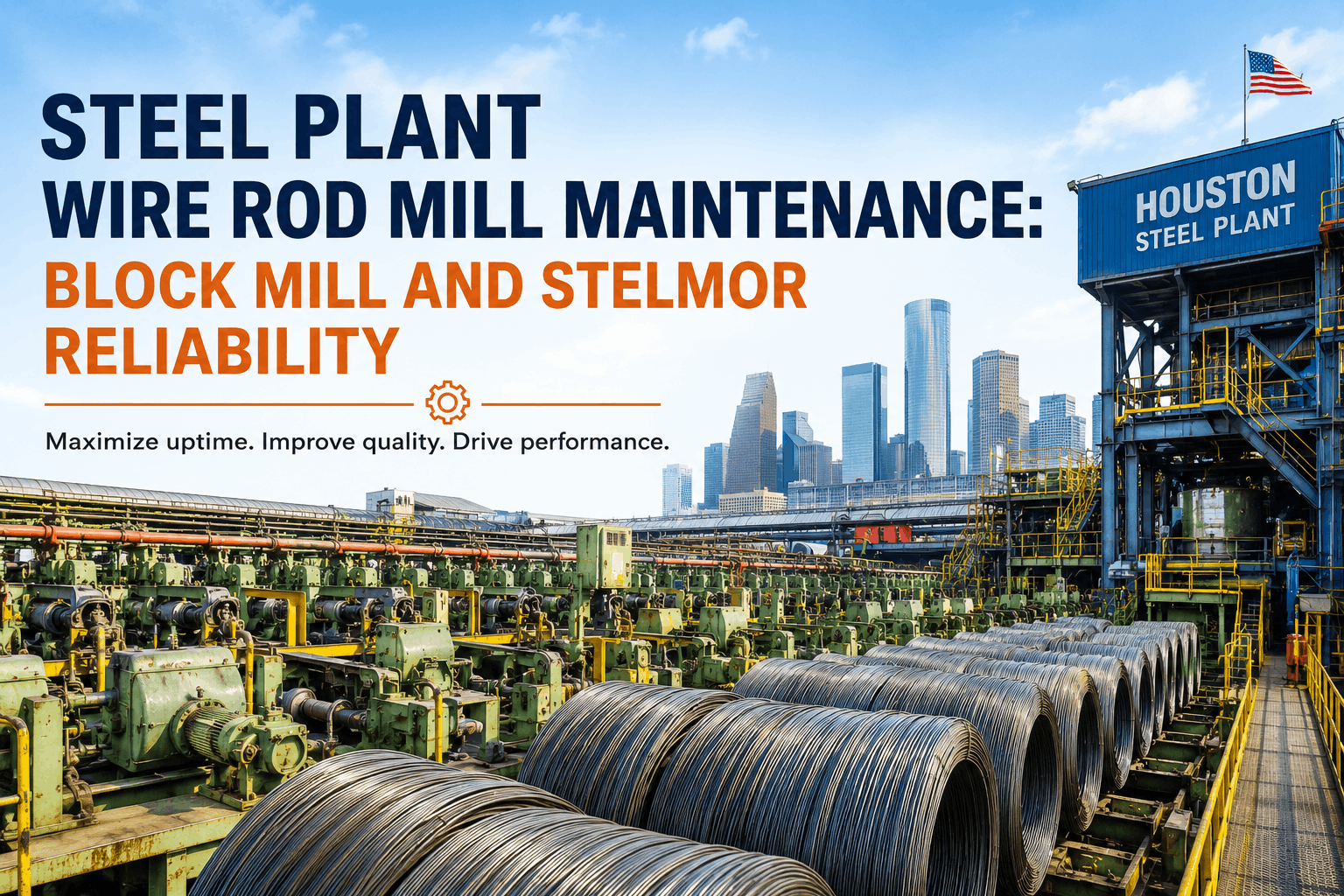
Wire rod mills operating at speeds exceeding 110 meters per second represent the highest mechanical stress environments in steel production, yet most plants manage block mill laying heads, Stelmor conveyor systems, and ring formation controls through outdated manual inspection schedules. Unplanned downtime on a modern wire rod mill costs $35,000–$85,000 per hour, and 68% of critical stops are preventable through predictive maintenance tracking of roll pass wear, laying head ring diameter drift, and Stelmor fan efficiency. Our USA-based steel operations teams have documented that independent wire rod producers lose 18–24% of annual production capacity to coordination gaps between maintenance technicians and PMS room status updates, keeping guestroom-equivalent cooling conveyor segments offline for 4–8 hours after repairs complete. This comprehensive guide covers the complete maintenance architecture for block mill stands, laying head pipe replacement intervals, Stelmor controlled cooling optimization, roll pass design compliance, and integrated digital work order systems that synchronize cooling belt operations with rolling schedules to maximize wire rod mill uptime.
Wire Rod Mill Maintenance: Block Mill & Stelmor Conveyor Reliability
Complete maintenance strategy for high-speed wire rod block mills, laying head precision control, Stelmor conveyor belt optimization, and ring formation quality. Industrial-grade CMMS tracking for roll pass campaigns, cooling system telemetry, and production synchronization across roughing, finishing, and coiling sections.
Block Mill Laying Head: Precision Ring Formation and Pipe Replacement Strategy
The laying head is the mechanical interface between high-speed wire rod output (emerging at 110+ m/s) and the Stelmor controlled cooling conveyor. This critical component rotates at speeds matching wire velocity to form uniform coil rings with diameters between 1,050–1,200 mm, yet most wire rod plants track laying head pipe condition on annual rather than shift-based schedules. Pipe scoring and internal bore degradation cause oversized ring formation and loose coil stacking, directly reducing downstream coil compaction efficiency and increasing reformat reject rates. Digital work order systems now capture laying head bearing play measurements, pipe surface profiles, and pinch roll pressure drift automatically during shift transitions, enabling predictive replacement scheduling before dimensional drift exceeds ±15 mm ring diameter tolerance. When laying head pipes show wear approaching replacement thresholds—typically after 8,000–15,000 tonnes of throughput—technicians can schedule weekend changeouts, avoiding mid-week production interruptions. Integrating automated work order scheduling with pinch roll pressure sensors enables real-time ring quality prediction and alerts field teams 48 hours before dimensional drift becomes critical.
Section 1: Block Mill Roll Pass Design and Maintenance Intervals
Block mill stands process steel billets through successive reducing passes, progressively shaping square or rectangular cross-sections into round wire rod geometry ready for finishing mill final sizing. Oval-round-round sequences in roughing and intermediate stands reduce metal volume in 35–50% increments per pass, requiring precise roll gap setting and wear monitoring. Roll pass wear manifests as dimensional creep (oval becoming progressively more elongated), surface roughness increase due to roll chatter, and unpredictable metal flow requiring operator intervention. Modern wire rod plants implementing predictive pass design monitoring have reduced pass change frequency by 12–18% while maintaining tighter dimensional tolerance windows. Block mill roll passes for 5.5–26.0 mm plain rod applications typically sustain 2,500–4,200 tonnes before regrind becomes necessary, depending on billet material grade, rolling temperature, and lubrication system cleanliness. Maintenance teams tracking pass performance via scheduled service consultations report 32% reduction in unplanned maintenance events through coordinated scheduling windows aligned with production downtime.
Section 2: Stelmor Controlled Cooling Conveyor: System Architecture and Maintenance
The Morgan Stelmor controlled cooling conveyor is the metallurgical cornerstone of modern wire rod mills, enabling direct production of alloy, carbon, and stainless steels in final as-rolled condition without downstream spheroidizing or annealing. This system regulates cooling rates between 5°C/second (fast cooling for pearlitic structures) and 50°C/second (slow cooling for ferritic matrices) by modulating air circulation and water mist spray across 11–15 sequential cooling zones spanning 70–110 meters. High-speed wire rod rings (traveling at 1.5–2.8 m/s) transition through these zones while the system monitors top-surface and core temperatures continuously via embedded thermocouples. Cooling belt reliability depends entirely on four interconnected subsystems: the endless steel mesh conveyor deck, air circulation fans (5,000–12,000 kW), water spray nozzles with proportional valve control, and a distributed PLC network managing setpoint scheduling per steel grade. Preventive maintenance on Stelmor systems has shifted dramatically toward condition-based monitoring due to the massive energy costs (cooling fans represent 8–12% of total mill electrical load) and thermal stress cycling that degrades component lifespan unpredictably. Conveyor belt wear is nearly invisible until catastrophic failure: mesh links stretch 0.5–1.5% over 18–24 months, slowly reducing belt tension and allowing ring sag into fan discharge zones, creating safety hazards and coil damage. Digital work order management systems now integrate belt tension sensors, motor current signature analysis (MCSA) on fan drives, and spray nozzle fouling detection to predict belt replacement and fan maintenance 4–8 weeks in advance, eliminating most unplanned Stelmor shutdowns.
Section 3: Wire Rod Quality and Metallurgical Control Through Cooling System Precision
Wire rod final mechanical properties—tensile strength, elongation, surface quality, drawability—are determined entirely by metallurgical cooling history and phase transformation control on the Stelmor conveyor. High-carbon wire rods (0.75–0.95% C) used for tire cord or spring applications require careful pearlite formation timing: cooling rates must be low enough to allow ferrite precipitation (preventing brittle martensite), yet fast enough to prevent coarse carbide networks that reduce drawing performance. Microalloyed steels (V- or Nb-doped) require even tighter control: precipitation hardening benefits only if cooling avoids complete recrystallization, which requires temperatures below 750°C when exiting the Stelmor system. Many wire rod mills produce 12–15 different grades per day, each requiring unique cooling recipes (fast-cool, slow-cool, or stepped-cool profiles) to meet customer tensile specifications. Quality failures—high tensile variation, low elongation, or surface defects—often originate from cooling system drift, not rolling stand calibration. Digital systems now track ring surface temperature continuously and auto-adjust fan speeds and spray nozzle proportional valve positions to maintain ±10°C setpoint tolerance throughout each cooling zone. When temperature variance exceeds ±15°C, systems automatically log quality alert work orders and flag rings for enhanced testing, preventing out-of-spec coil shipments that damage customer relationships and generate expensive field returns.
Section 4: Predictive Maintenance for Block Mill and Stelmor Integration
The integration between block mill finishing stands and Stelmor conveyor speed must remain synchronized within ±2% to prevent ring formation defects and coil stacking problems. When finishing mill output speed drifts from setpoint (due to gearbox wear, bearing wear, or hydraulic system drift), wire rod rings either jam on the laying head (too fast) or develop undersized diameter with loose coiling (too slow). Modern wire rod mills employ tail-end speed control systems with pinch rolls that detect actual ring speed continuously and auto-adjust to maintain ±1% synchronization. However, these control systems rely on pressure sensors, speed transducers, and proportional valve response that degrade unpredictably over 4,000–6,000 operating hours. Predictive maintenance now uses machine learning algorithms to detect control drift 2–3 weeks before operator-visible ring quality degradation appears. Systems track key early indicators: pinch roll pressure variance >3 bar above setpoint, transducer response time >150 milliseconds (vs. nominal 80 ms), proportional valve hysteresis >0.5 bar, and laying head motor current signature changes signaling bearing wear. When these indicators cross alert thresholds, maintenance teams receive automated mobile work order notifications scheduling transducer replacement, proportional valve service, or speed control PLC recalibration during planned weekend shutdowns, preventing the 8–12 hour unplanned outages that occur when ring jams develop and require manual cleanup.
Frequently Asked Questions — Wire Rod Mill Maintenance
After implementing predictive work order tracking for our wire rod block mill and Stelmor system, we reduced unplanned downtime from 24 hours per month to 3 hours per month. The system caught bearing wear drift 4 weeks before our old schedule would have detected it, saving us roughly $280,000 in emergency repair costs in the first year alone.
Ready to Implement Predictive Wire Rod Mill Maintenance?
Start tracking block mill pass performance, laying head bearing condition, and Stelmor cooling system health in a unified CMMS platform. Schedule a free assessment to see how predictive alerts prevent the 18–24% production capacity losses common across independent wire rod mills.
Key Takeaways: Wire Rod Mill Maintenance Best Practices
Block mill roll pass wear is nearly invisible until catastrophic failure; SPC-based diameter variance monitoring detects 80% of degradation 3–4 weeks in advance. Laying head pipe condition requires shift-level inspection protocols, not annual schedules—bore scope and eddy current scanning enable early detection without costly dismounting. Stelmor conveyor belt tension must be tracked continuously; predictive alerts enable scheduled weekend replacements instead of emergency 12+ hour outages. Cooling rate precision is metallurgically critical: each steel grade requires ±10°C temperature setpoint tolerance; zone temperature variance >±25°C directly causes mechanical property failures and customer complaints. Predictive maintenance using sensor networks and machine learning algorithms detects component degradation 2–4 weeks in advance, enabling coordinated weekend maintenance scheduling that costs 75–85% less than emergency repairs. Integration between production planning and maintenance work order systems ensures roll campaigns, bearing replacements, and cooling system service are scheduled simultaneously, eliminating multi-week staggered downtime and maximizing equipment availability. USA-based regulatory compliance (EPA water discharge, OSHA hot surface exposure, insurance certification) requires documented proof of systematic cooling system maintenance and bearing condition monitoring.
Wire Rod Mill Downtime is Preventable—Implement Predictive Maintenance Today
Stop managing your block mill and Stelmor system on annual schedules. Oxmaint's unified CMMS tracks roll pass wear, laying head bearing condition, and cooling system performance 24/7, detecting failures weeks before they disrupt production. Free trial, no credit card required.