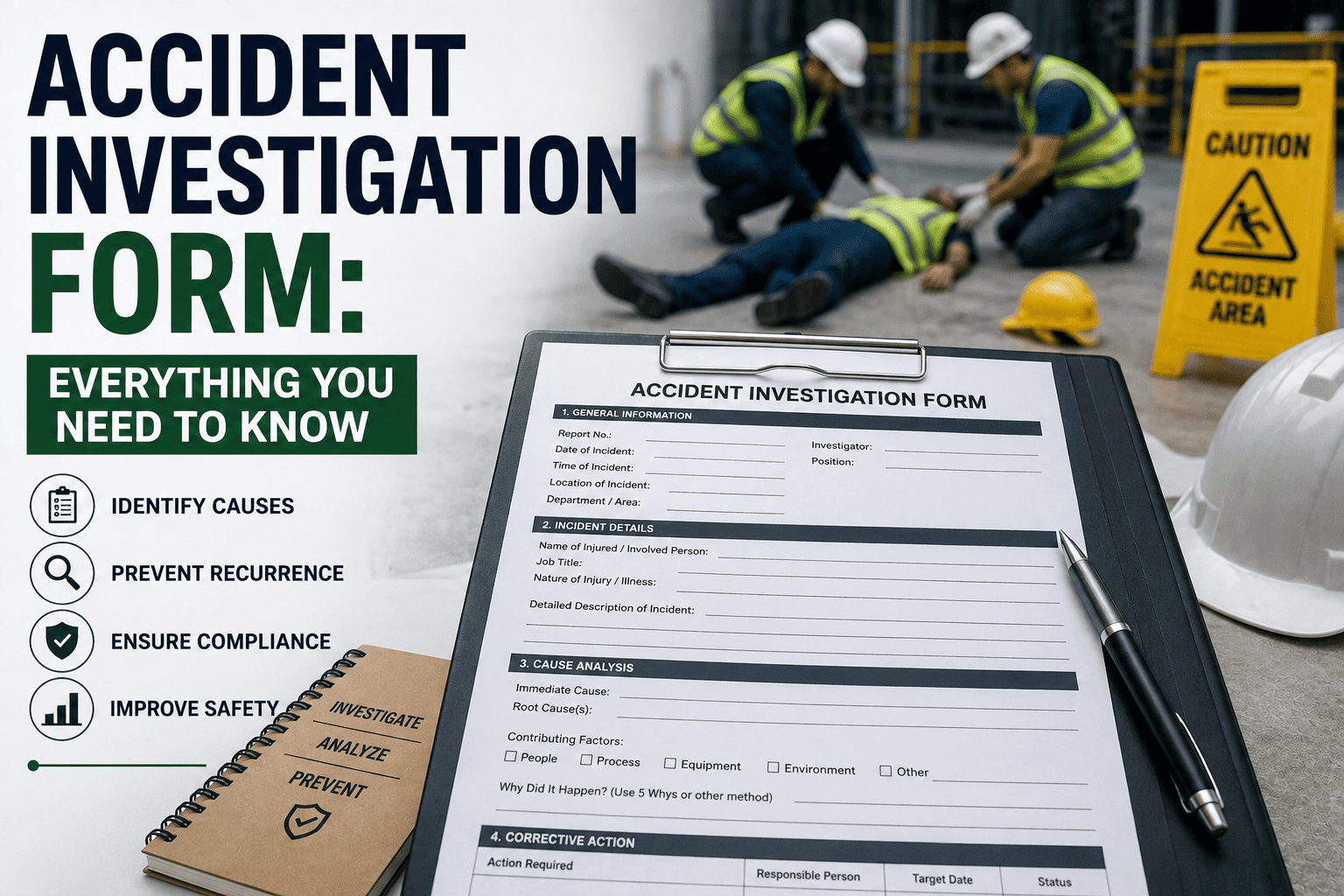
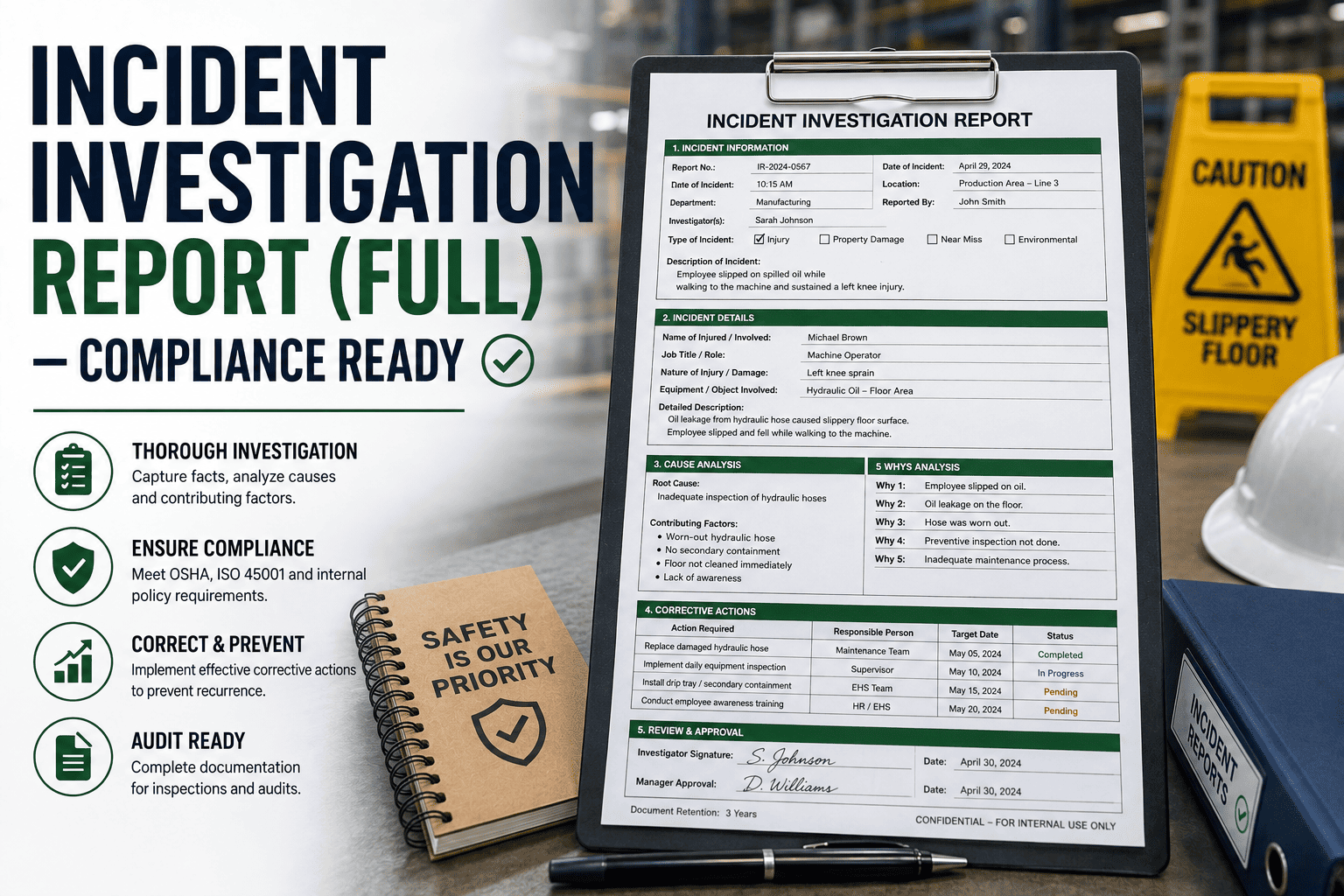
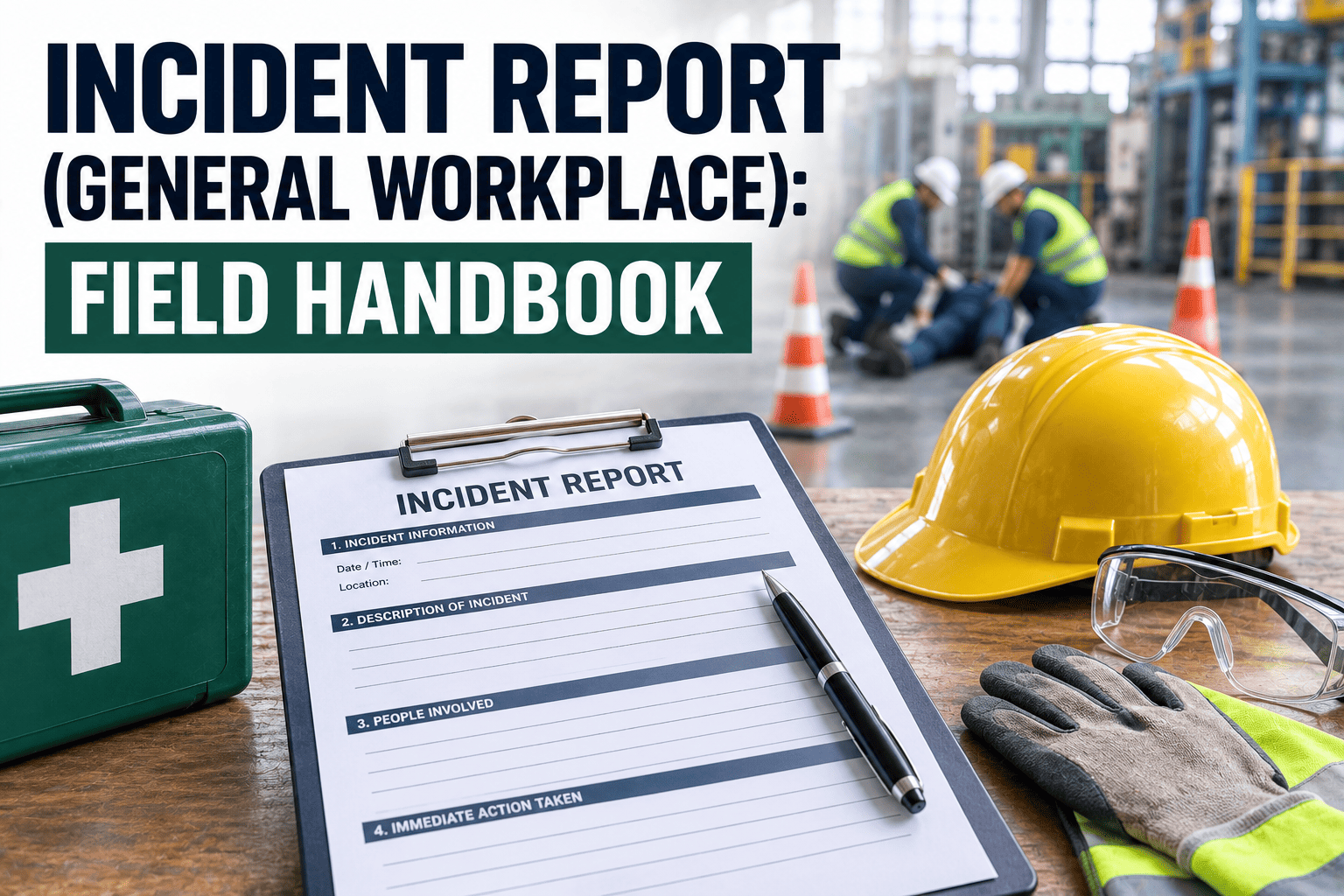
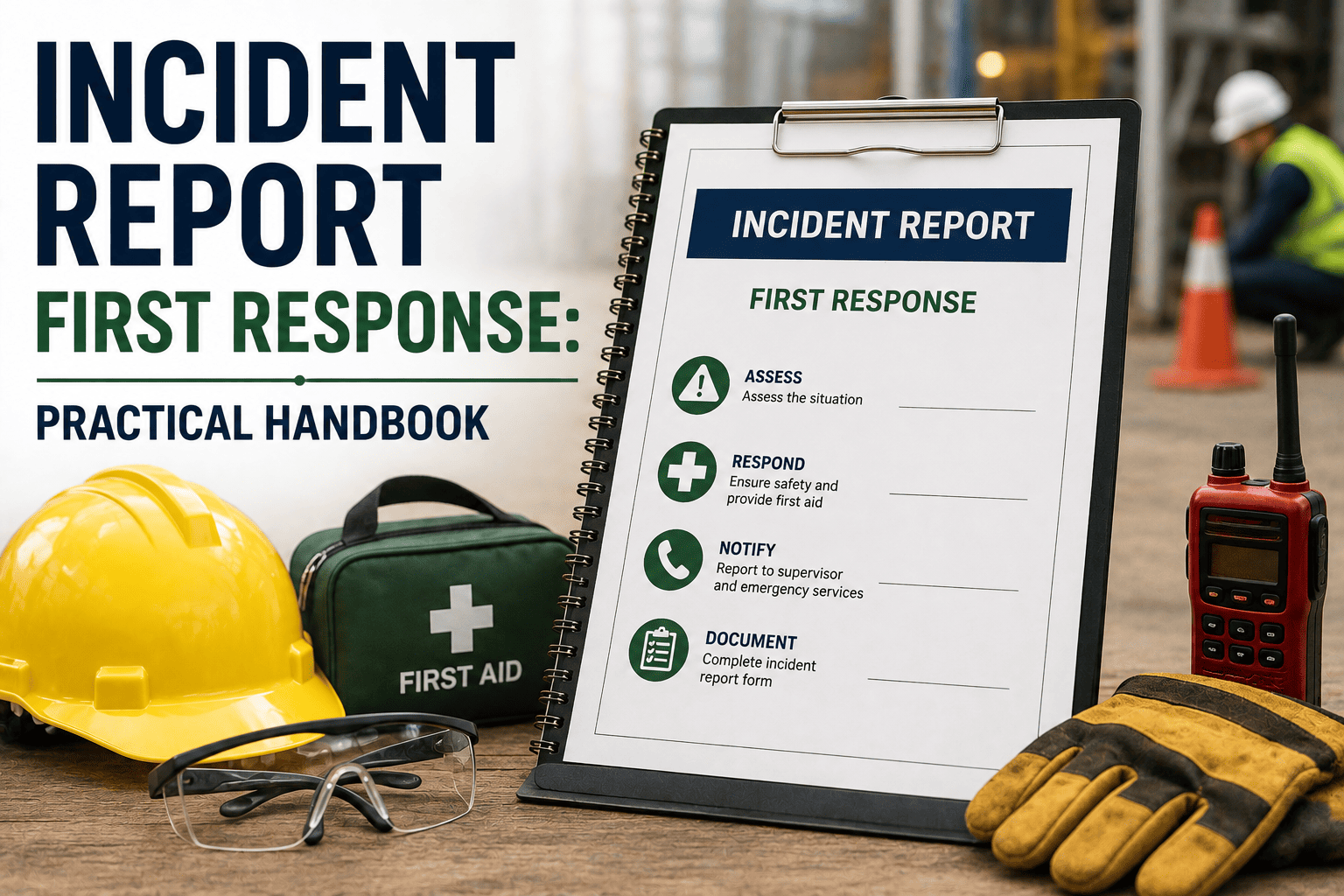
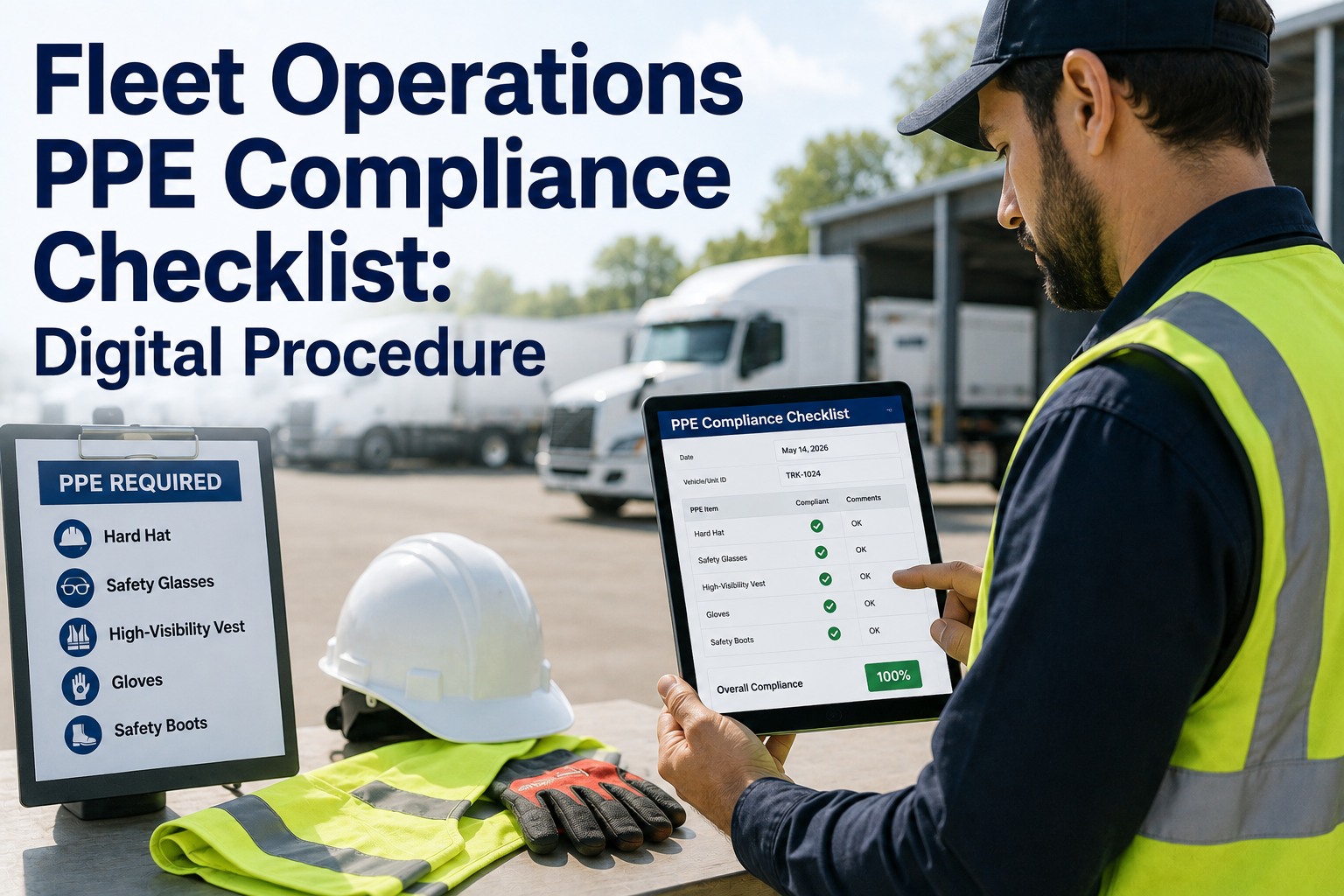
An accident investigation form isn't paperwork that follows an incident, it's the record that determines whether the same incident happens again. Under OSHA 1904, the difference between a defensible investigation and a liability is almost always the same thing — how completely the form was filled out at the time, not how well the story is remembered later.
The Investigation Is Only As Strong As Its Record
A verbal account of what happened fades and shifts within days. A completed investigation form with timestamps, photos, and signatures captured close to the event is what an OSHA inspector or an insurance auditor actually trusts. The form isn't a formality, it's the evidence.
Three Elements Every Investigation Needs
Weak investigations are almost always missing one of these three, even when everything else looks thorough.
Photo Evidence
Photos of the scene, equipment, and conditions at the time anchor the investigation to something verifiable, not just a written account.
Witness Statements
Independent accounts captured close to the event, before recollections start converging or drifting apart.
Root Cause Analysis
Identifying what actually caused the incident, not just what happened, is what separates a real investigation from an incident summary.
Incident Type, Required Documentation, Timeline
| Incident Type |
Required Documentation |
Investigation Timeline |
| Near miss |
Description, location, and contributing factors |
Complete before the next shift starts |
| Recordable injury |
Full statement, photos, and root cause analysis |
OSHA 1904 recording deadline applies |
| Property or equipment damage |
Asset condition photos and repair scope |
Complete before equipment returns to service |
Closing The Loop With Corrective Action
E-Signature Sign-Off
Every statement and finding signed by the person who provided it, removing any ambiguity about who said what.
Corrective-Action Assignment
Each root cause finding tied to a specific corrective action with an owner and a due date, not left as an open observation.
Asset-Linked Records
Investigations tied to the specific equipment or location involved, building a history that surfaces repeat patterns.
An investigation only protects the workforce and the company when its corrective actions are tracked to completion, not filed and forgotten. Teams that sign up for Oxmaint run accident investigations with mandatory photo capture, e-signatures, and asset-linked corrective actions automatically, or book a demo to see a defensible accident investigation workflow running live.
Q
Why should a near miss get a full investigation form?
A near miss shares the same root causes as a future injury without the harm already having happened. Investigating it fully catches the same contributing factors before someone actually gets hurt.
Q
What makes a corrective action defensible under audit?
A clear link from the root cause to the specific action taken, an assigned owner, a due date, and confirmation the action was actually completed, all recorded together rather than as separate notes.
Q
How soon should witness statements be collected?
As close to the event as practical. Memory of specific details fades quickly, and independent accounts collected early are far more reliable than statements gathered days later.
Make Every Accident Investigation Audit-Ready
Capture photo evidence, witness statements, and root cause findings with e-signatures, and track every corrective action to completion against a specific asset. Sign up for a free trial to set up your first accident investigation workflow, or book a demo to see it running live.