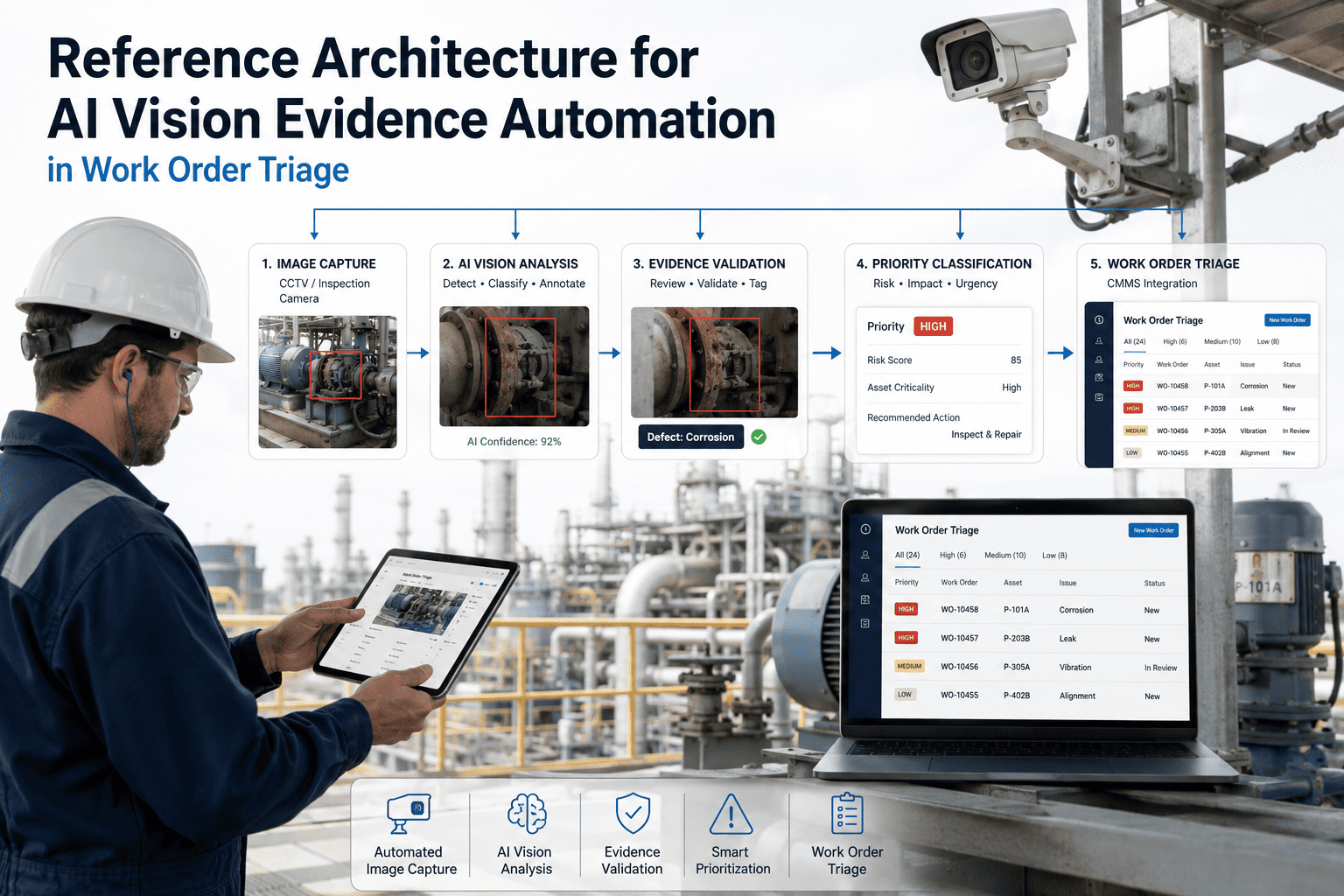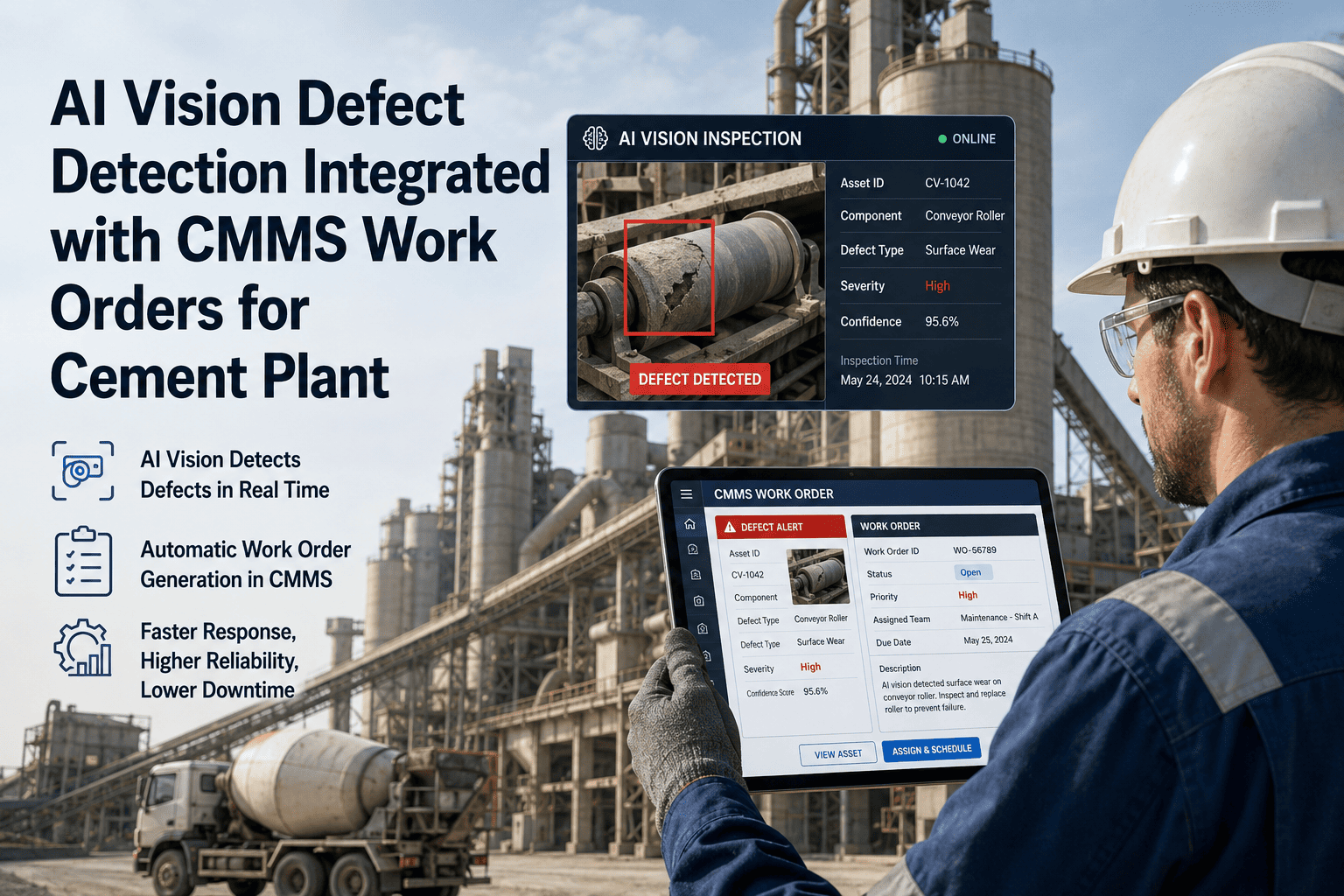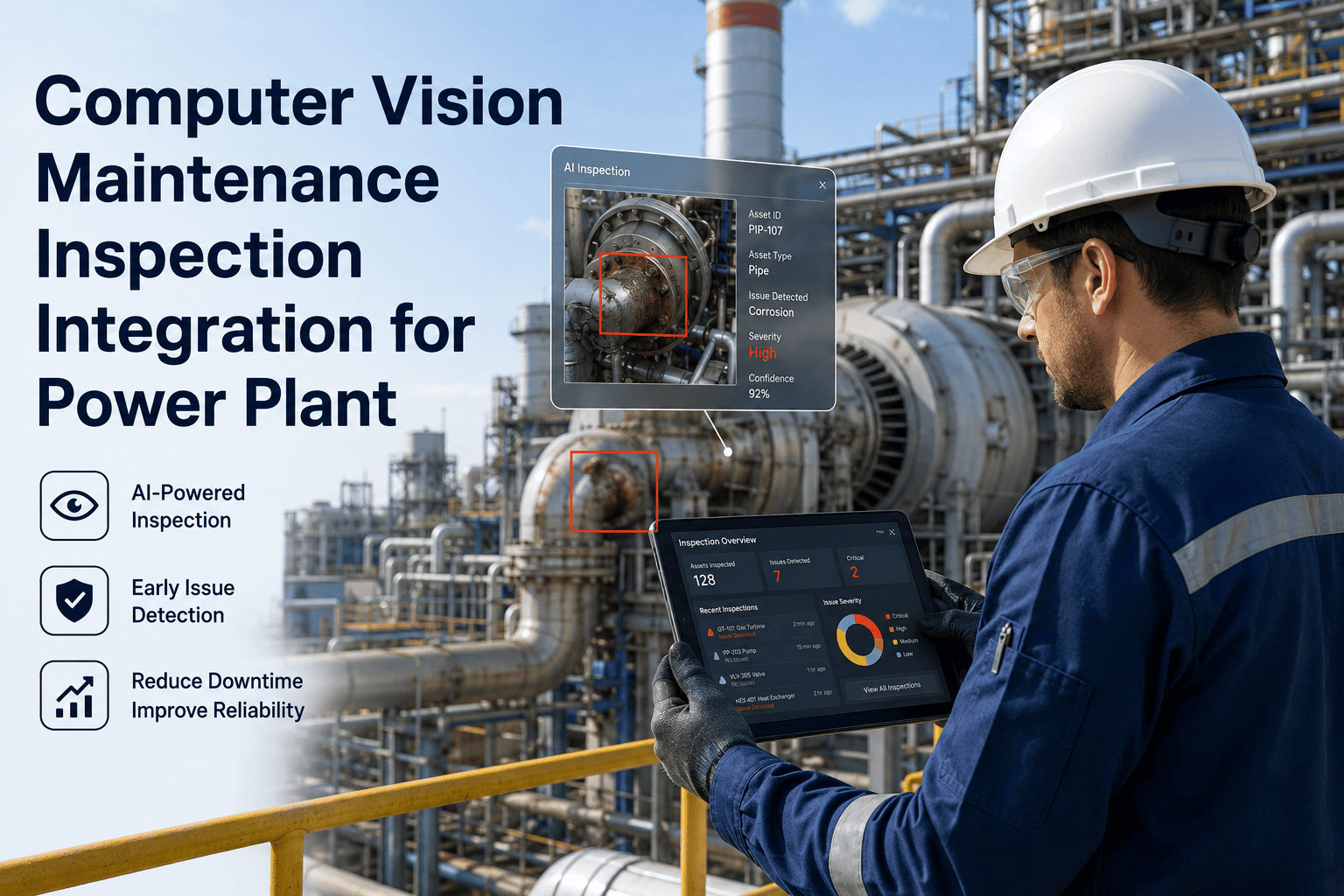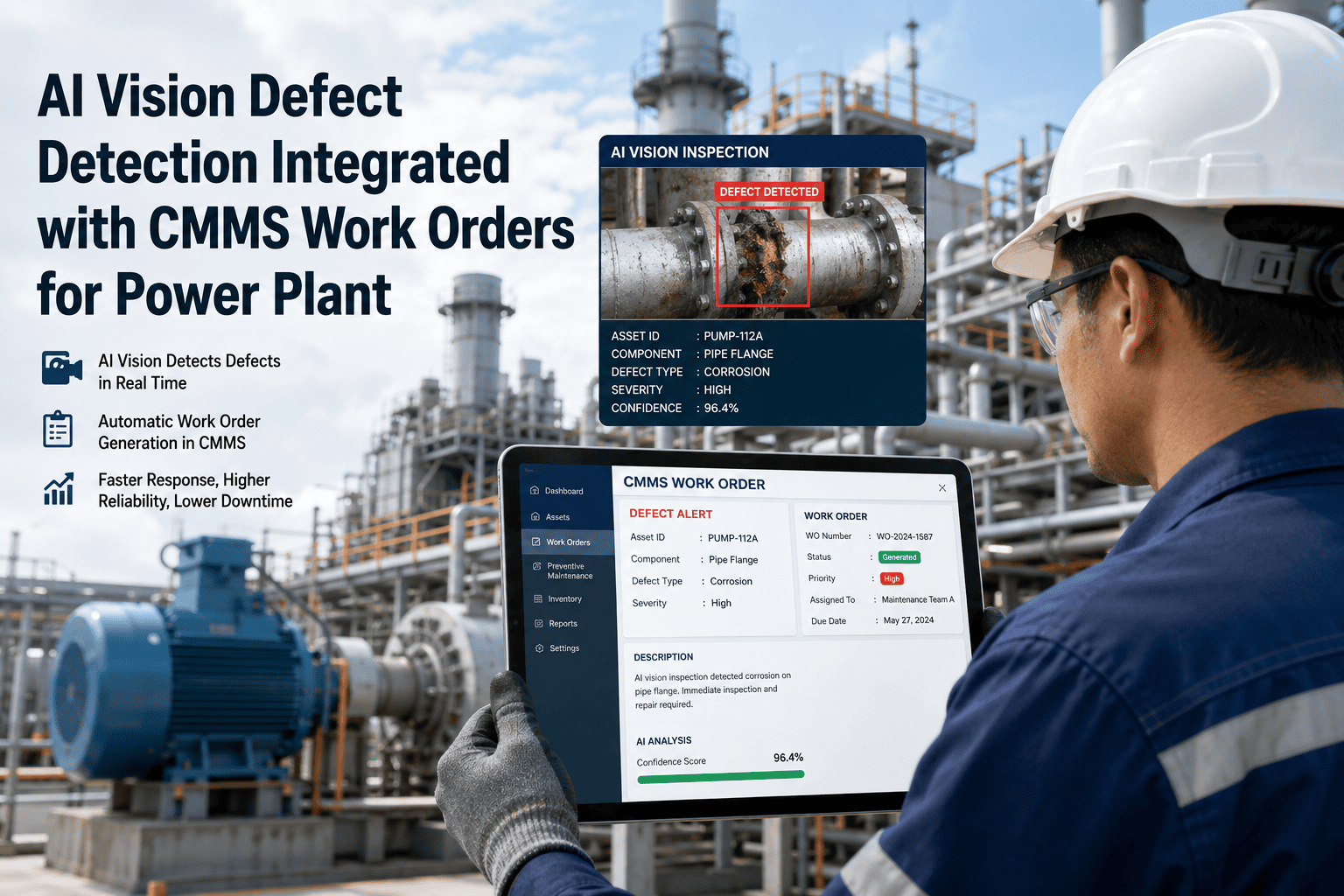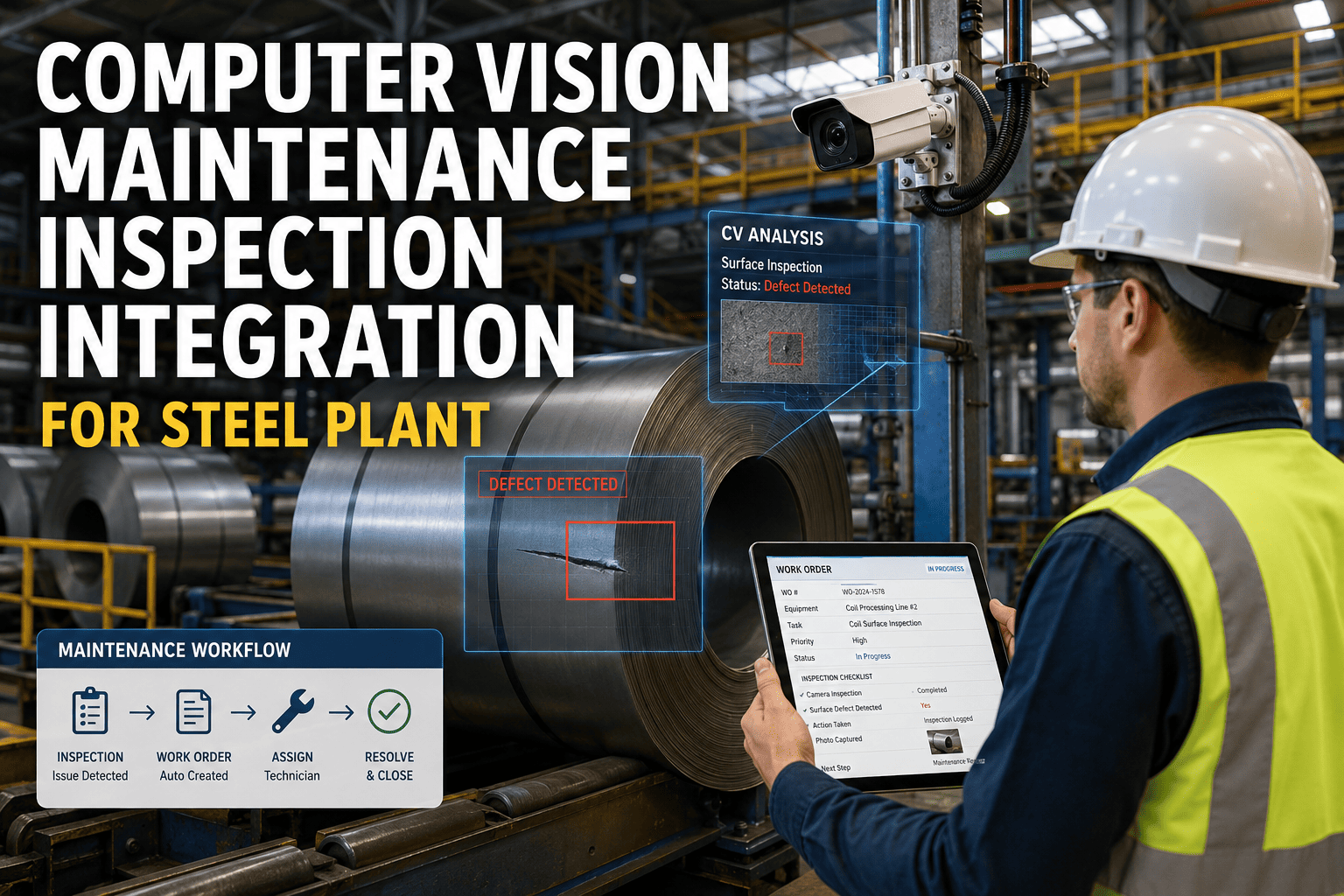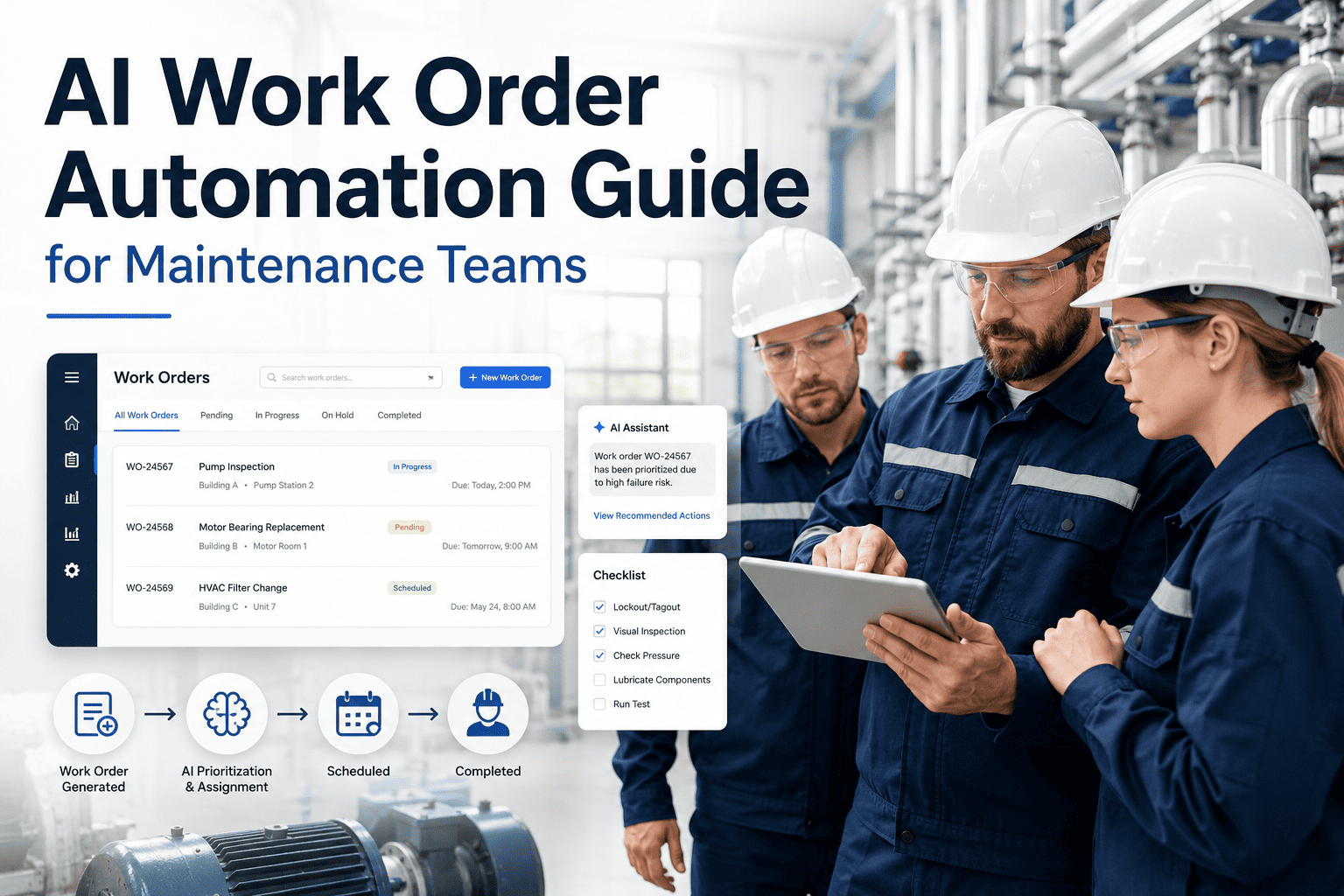
An OEE report that lands on a manager's desk every Monday morning is already a week too late to fix anything, because the rolling mill jam, the caster start-up delay, and the quality reject spike it describes happened on Tuesday, Wednesday, and Thursday, and the technicians who could have responded were never told. Most steel plants calculate OEE from production logs and shift reports, which means the gap between a line going idle and someone actually opening a work order is measured in hours, not seconds. Computer vision changes that timing entirely: a camera watching the line sees the stoppage the instant it happens and can hand maintenance a work order before the shift supervisor finishes writing the incident note. OxMaint turns that visual trigger into an assigned, tracked task automatically, closing the loop between what the camera saw and what gets fixed.
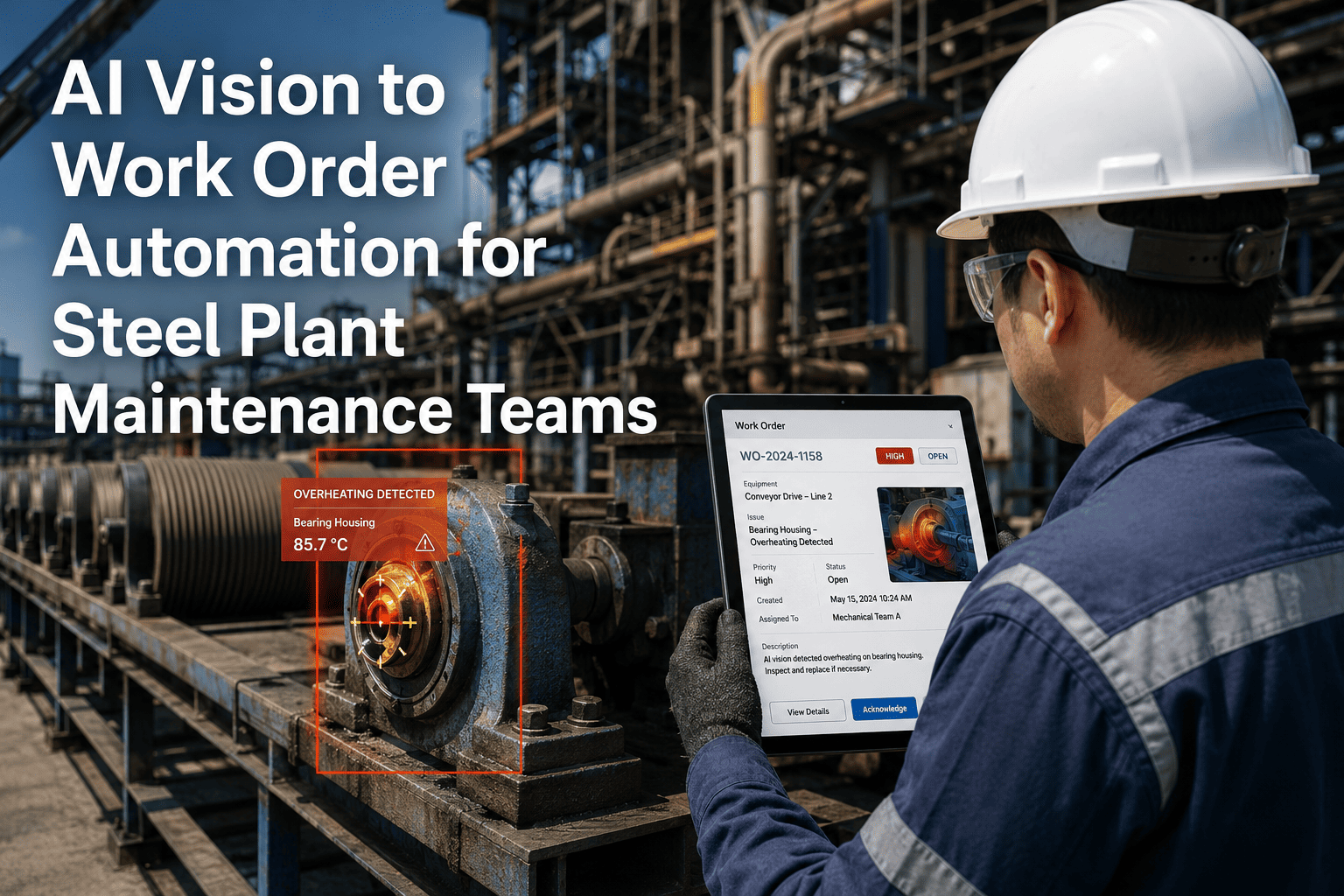
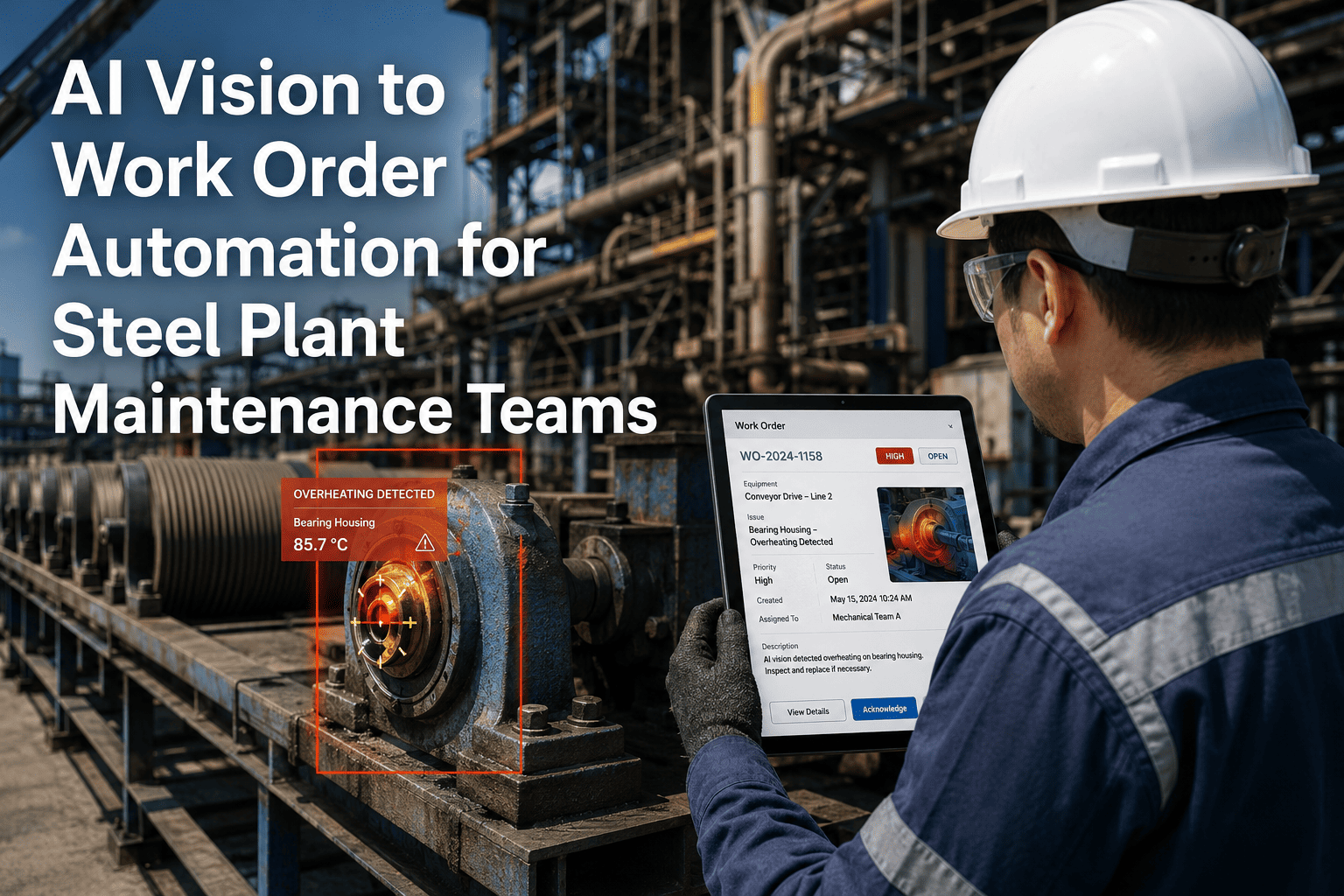
AI Vision to Work Order Automation for Steel Plant Maintenance Teams
Every minute of unplanned idle time, every slow changeover, and every quality reject is a visible event somewhere on your line. OxMaint connects that visual signal to a work order in seconds, so OEE stops being a report you read and starts being a metric you can act on the same shift.
OEE Before and After Vision-Fed Work Orders
58%
84%
Where Steel Plant OEE Actually Gets Lost
85%+
40-65%
42%
$187,500
How Vision-Fed Work Orders Lift Each OEE Factor
Availability
Cameras on the line catch the moment a conveyor jams, a crane stalls, or a caster misses its start window, and OxMaint opens a work order before the stoppage shows up on the next shift report.
Performance
Visual cycle-time drift on a rolling mill or reheating furnace gets flagged as a condition trend, not a mystery discovered weeks later in a production report nobody compared against the baseline.
Quality
A reject spike at a visual inspection station links directly to the asset that caused it, so the work order goes to the actual root cause instead of triggering a broad, unfocused investigation.
Your OEE report is describing last week. Your cameras already know what is happening right now.
Connect your AI vision feed to OxMaint and convert every availability, performance, and quality loss into a work order the moment it happens.
Manual OEE Tracking vs. Vision-Fed Automated Work Orders
| Capability | Manual OEE Tracking | OxMaint Vision-Fed Tracking |
|---|---|---|
| Data source | Shift reports and production logs | Continuous camera feed against asset baseline |
| Update frequency | End of shift or end of day | Real time, as the event happens |
| Root cause visibility | Reconstructed after the fact from notes | Photo-linked to the exact asset and timestamp |
| Response time | Hours to next review meeting | Work order created within seconds |
| Reporting | Manually compiled spreadsheet | Exportable dashboard by line, shift, or asset |
OEE-Killing Events Computer Vision Catches First
Rolling Mill Idle Time
Unscheduled stoppages flagged the moment the line stops moving, not at next shift count.
Caster Start-Up Delay
Slow sequence starts compared automatically against a known-good baseline cycle.
Furnace Reheat Drift
Visual temperature trend deviations linked directly to a maintenance condition.
Conveyor Jam Events
Material backup detected at the belt before it cascades into a full line stop.
Quality Reject Spikes
Surface defect surges at the inspection camera traced back to the upstream asset.
Crane Cycle Delay
Slower-than-normal lift cycles flagged before they compound across a full shift.
What Reliability Leaders Say About Vision-Linked OEE
Most plants treat OEE as a scorecard instead of a trigger. The number that matters is not what your OEE was last week, it is how fast a loss event becomes a work order this week. Connecting the camera feed directly into the CMMS is what finally makes that possible without adding headcount to watch a dashboard.
Quality losses are the hardest OEE factor to root-cause after the fact because the defect and the cause are separated by time and distance on the line. A camera at the inspection point that links directly to the upstream asset record removes that guesswork entirely.
Questions Steel Plant Teams Ask About Vision-Driven OEE
How does computer vision actually improve OEE rather than just measuring it?
Do we need new cameras, or can this run on what we already have on the line?
Which OEE factor sees the fastest improvement after going live?
Can this replace our existing OEE reporting software?
How is a false detection handled so it does not flood maintenance with noise?
How long before we see a measurable OEE change after connecting vision to OxMaint?
Your line told you about the loss the moment it happened. Make sure maintenance heard it too.
Connect your AI vision feed to OxMaint and turn OEE from a report you read into a metric you can act on the same shift.