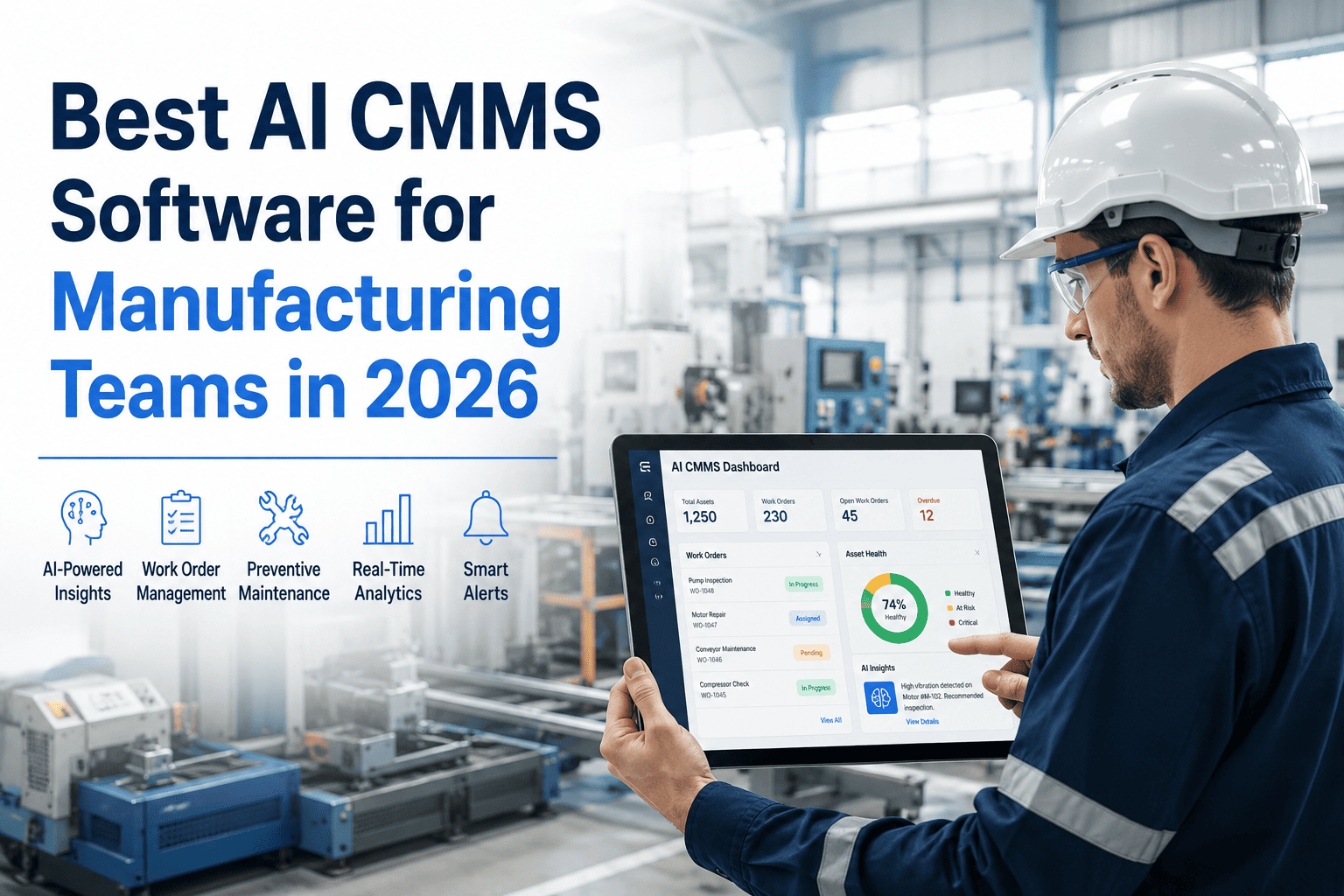
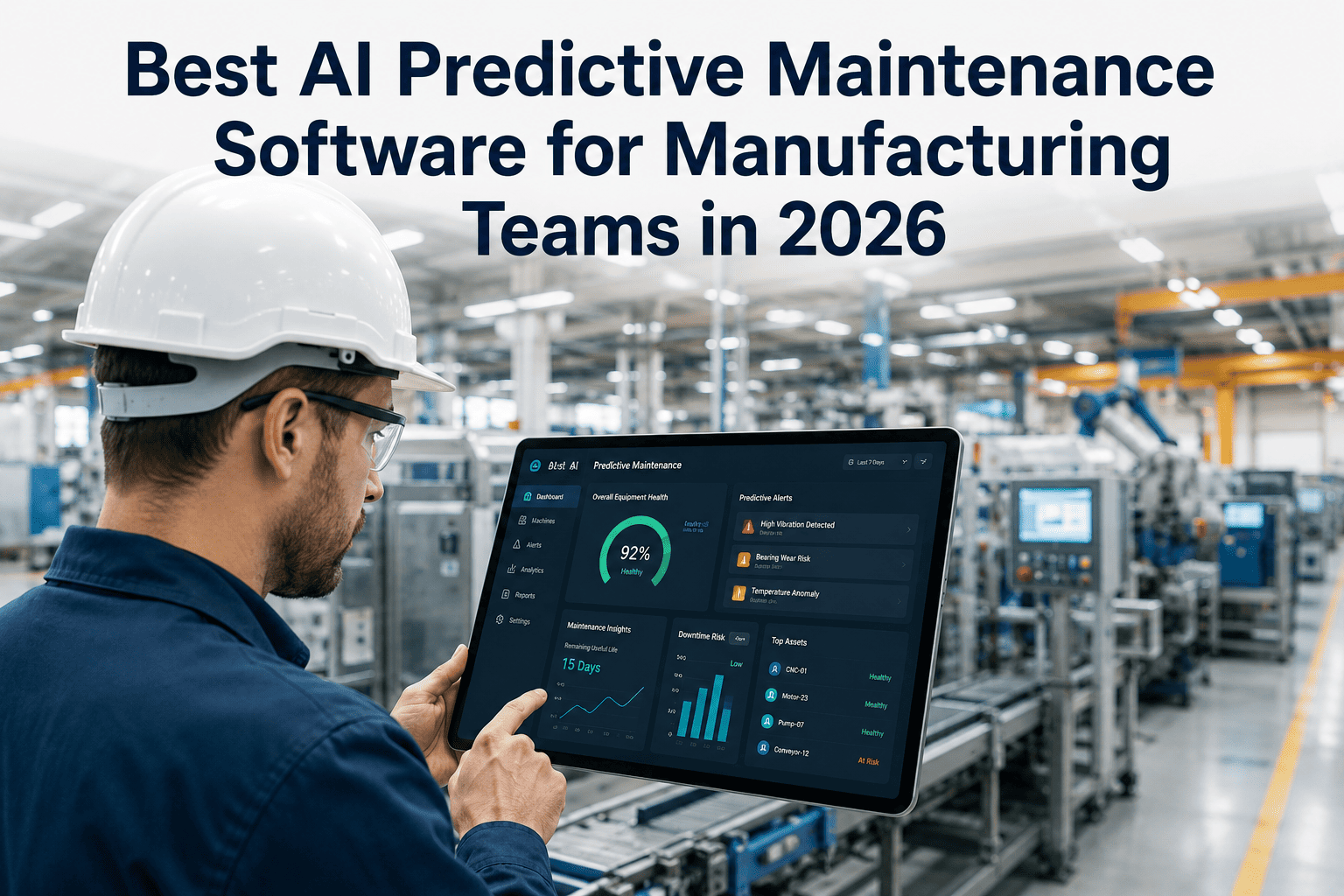
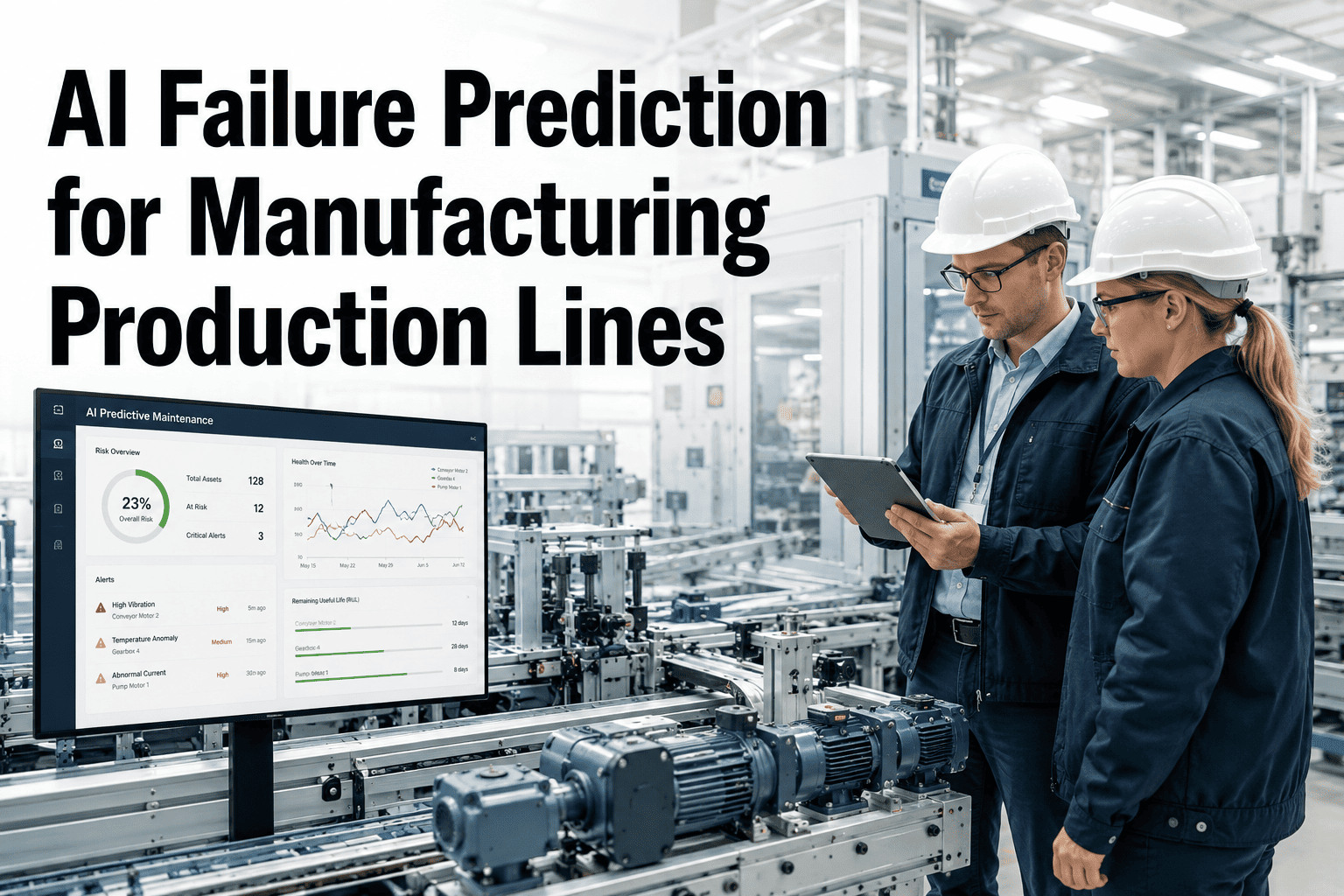
AI-powered CMMS platforms are transforming how manufacturing teams manage maintenance in 2026 — reducing unplanned downtime by up to 47%, automating work order routing, and predicting equipment failures weeks before they happen. Whether you run a mid-size fabrication facility or a large-scale discrete manufacturer, choosing the right AI CMMS is now a competitive advantage, not just an operational tool. This guide compares the top platforms, highlights critical capabilities, and shows why manufacturing teams are switching to smarter maintenance software. Start free with Oxmaint — no credit card required.
AI CMMS FOR MANUFACTURING · 2026 GUIDE
Stop Losing Hours to Unplanned Downtime
Manufacturing teams using AI CMMS cut reactive maintenance by 35% in the first 90 days. Oxmaint gives your team predictive alerts, mobile work orders, and real-time asset health — all in one platform.
47%
Avg. Downtime Reduction
3.2x
Faster Work Order Closure
62%
Less Reactive Maintenance
28%
Reduction in MRO Spend
What Makes a CMMS "AI-Powered" in 2026?
Not all platforms that claim AI actually use it for maintenance decisions. Genuine AI CMMS tools combine historical failure patterns, sensor signals, and operational data to generate predictive alerts — not just reminders for scheduled PMs. The best platforms in 2026 offer four core AI capabilities manufacturing teams depend on.
01
Predictive Failure Alerts
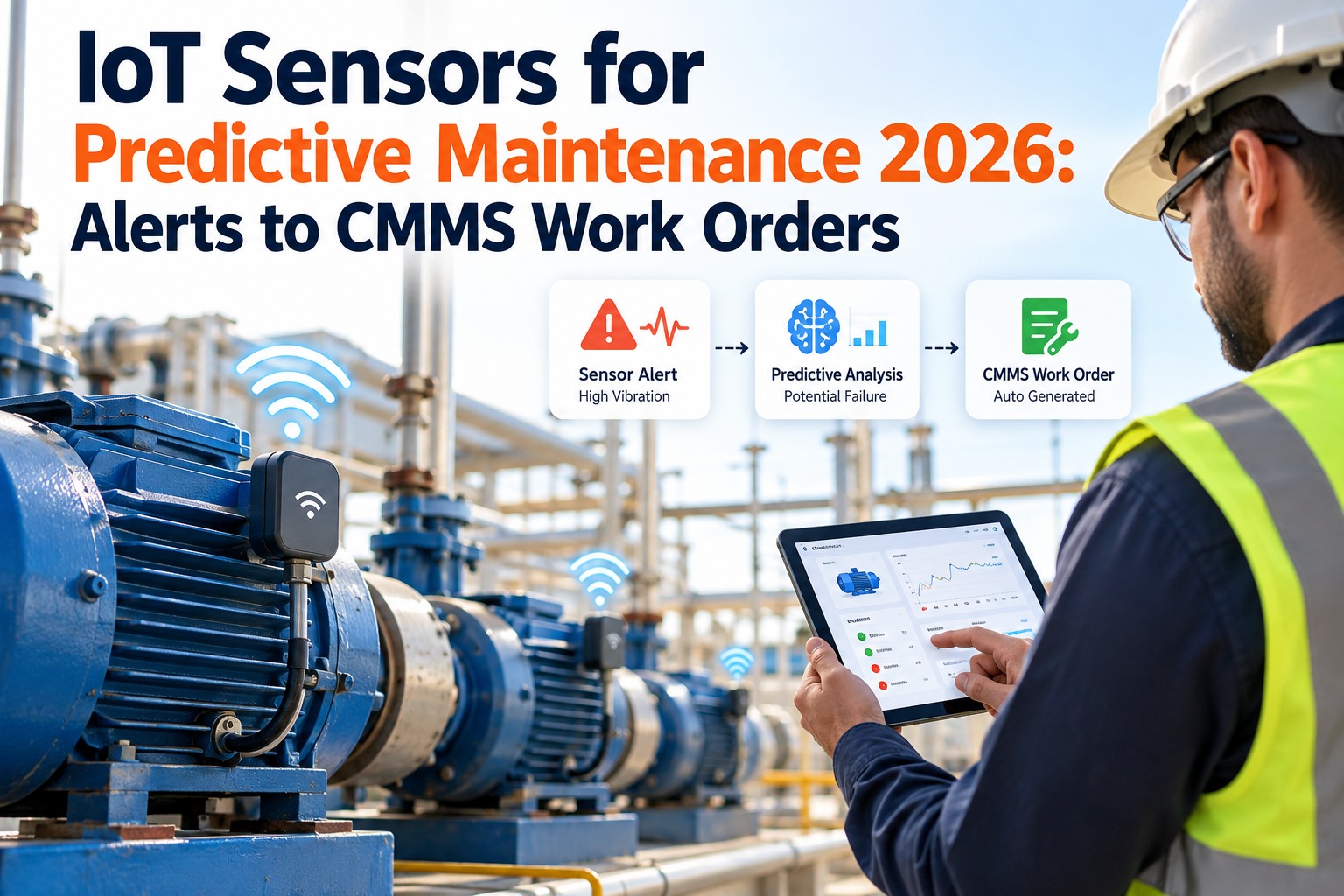
AI models analyze vibration, temperature, runtime hours, and past repair history to flag assets 7–21 days before failure — not after the alarm sounds on the floor.
02
Automated Work Order Generation
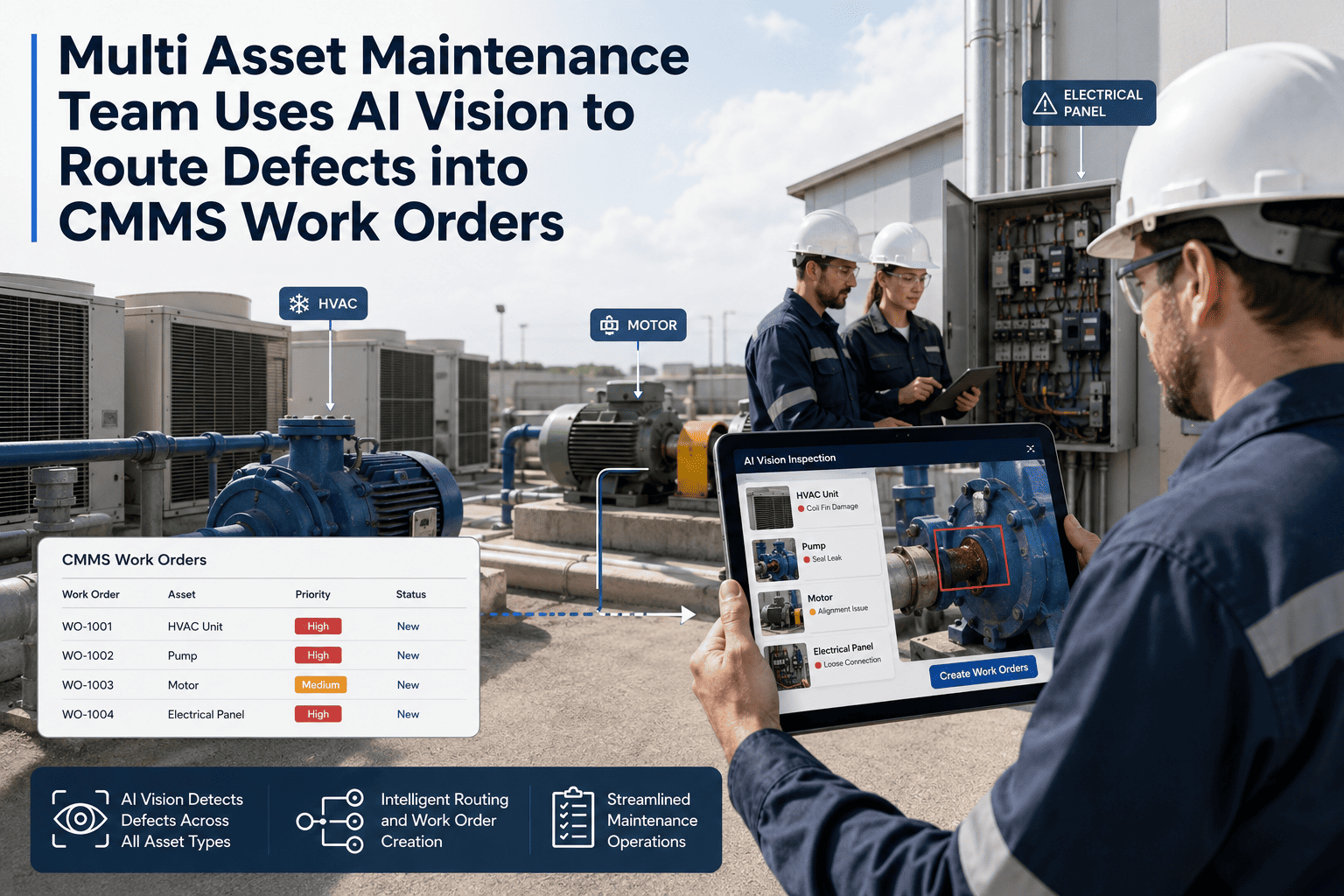
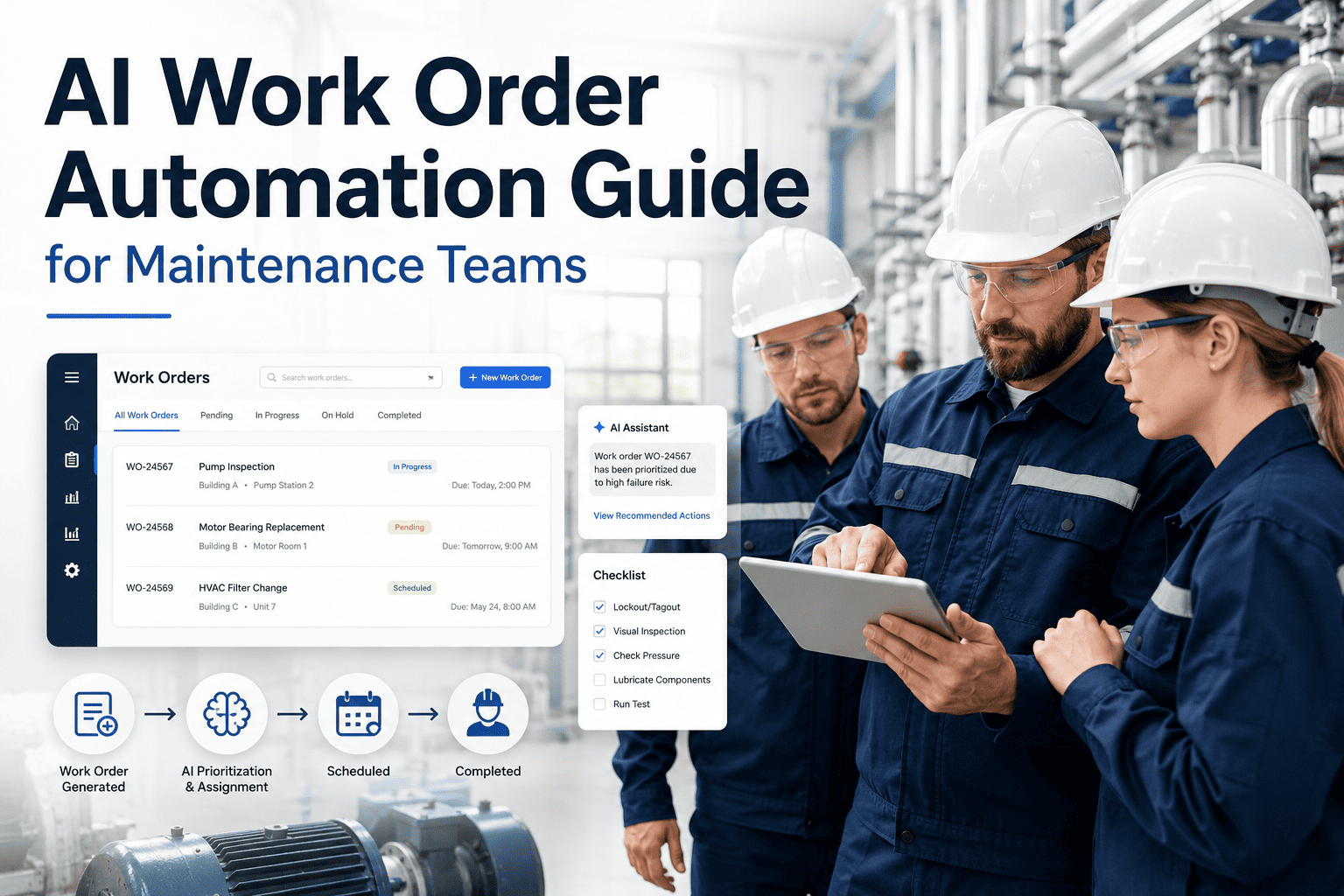
When AI detects anomaly thresholds, it creates, assigns, and prioritizes work orders automatically — routing tasks to the right technician based on skill, shift, and proximity.
03
Asset Health Scoring
Each asset gets a live health score updated daily using maintenance history, inspection results, and operational load — giving managers a single number to prioritize resources around.
04
Maintenance Cost Forecasting
AI projects 30, 60, and 90-day maintenance budgets by asset class, helping finance and operations align on capital planning without manual spreadsheet work.
2026 AI CMMS Comparison — Manufacturing Focus
| Platform |
AI Predictive Maintenance |
Mobile Work Orders |
IoT / Sensor Integration |
Compliance Ready |
Pricing Tier |
| Oxmaint |
Advanced |
Full (iOS + Android) |
Native Integration |
ISO, FDA, GMP |
Mid-Market |
| MaintainX |
Basic PM |
Full |
Limited |
Basic |
Mid-Market |
| UpKeep |
Rule-based |
Full |
Third-party |
Limited |
Mid-Market |
| IBM Maximo |
Advanced |
Partial |
Full |
Enterprise |
Enterprise |
| Fiix |
Moderate |
Full |
Via Rockwell |
Moderate |
Mid-Market |
EXPERT REVIEW
David Kowalski, CMRP
Director of Reliability Engineering · 19 Years in Discrete Manufacturing
The jump from scheduled PM to AI-driven predictive maintenance isn't just a technology upgrade — it's a cultural shift in how maintenance teams operate. Platforms that surface actionable alerts in a technician's mobile queue, with asset history attached, are the ones actually getting used on the floor. In 2026, the differentiator is not the algorithm — it's how well the CMMS integrates that intelligence into the daily workflow without adding friction.
Key Capabilities Manufacturing Teams Must Evaluate
M
Mobile-First for Shop Floor
Technicians need offline capability, barcode scanning, and photo capture without desktop dependency.
I
IoT Sensor Connectivity
Direct integration with vibration, temperature, and pressure sensors eliminates manual readings.
P
PM Scheduling Engine
Calendar, meter-based, and condition-based triggers auto-generate and assign PMs across all assets.
A
Analytics Dashboard
MTTR, MTBF, OEE impact, and cost-per-asset reports available without custom BI tools.
R
Parts & MRO Management
Min/max inventory levels, auto-reorder triggers, and work order parts consumption tracking built-in.
C
Compliance & Audit Trail
Timestamped, tamper-evident records for ISO 55001, FDA, and plant safety audits — always inspection-ready.
READY TO SWITCH?
See Oxmaint's AI Maintenance Engine in 30 Minutes
Our team will show you exactly how AI predictive alerts, mobile work orders, and asset health scoring work in your manufacturing context — with your asset types and team size in mind.
What to Expect in Your First 90 Days with AI CMMS
1
Days 1–14: Asset Onboarding & Baseline
Import asset register, assign PMs, and establish baseline failure history. AI begins learning equipment patterns from historical work orders and runtime data.
2
Days 15–45: Mobile Adoption & Work Order Flow
Technicians complete work orders on mobile, upload photos, and log parts. Managers track completion rates and identify PM backlog by asset class.
3
Days 46–90: Predictive Alerts Active
AI models generate first predictive maintenance alerts. Teams begin catching failures before they occur. Reactive maintenance percentage starts to fall measurably.
Frequently Asked Questions
How is AI CMMS different from traditional preventive maintenance software?
Traditional PM software triggers maintenance based on fixed schedules or usage thresholds — regardless of actual asset condition. AI CMMS analyzes real-time sensor data, failure history, and operational patterns to predict when a specific asset is likely to fail, so maintenance happens only when needed. This eliminates both over-maintenance (wasting labor and parts) and under-maintenance (unexpected breakdowns).
Try Oxmaint free to see predictive alerts on your own assets.
What manufacturing asset types benefit most from AI predictive maintenance?
Rotating equipment — motors, pumps, compressors, conveyors, and CNC spindles — delivers the highest ROI from AI predictive maintenance because vibration and temperature anomalies are detectable weeks before failure. HVAC systems, hydraulic units, and high-cycle stamping presses are also strong candidates. Assets with documented failure history of 12+ months generate the most accurate AI models, but even new asset installations benefit from industry benchmark models while plant-specific data accumulates.
How long does it take to implement an AI CMMS in a manufacturing plant?
Most mid-size manufacturing facilities complete core CMMS implementation in 2–4 weeks, covering asset imports, PM schedule creation, and mobile app rollout for technicians. AI predictive features typically require 30–60 days of operational data before generating meaningful alerts. Oxmaint provides onboarding support, asset import templates, and pre-built PM libraries for common manufacturing equipment types to accelerate time-to-value significantly compared to traditional enterprise implementations.
Can AI CMMS integrate with existing plant systems like ERP or SCADA?
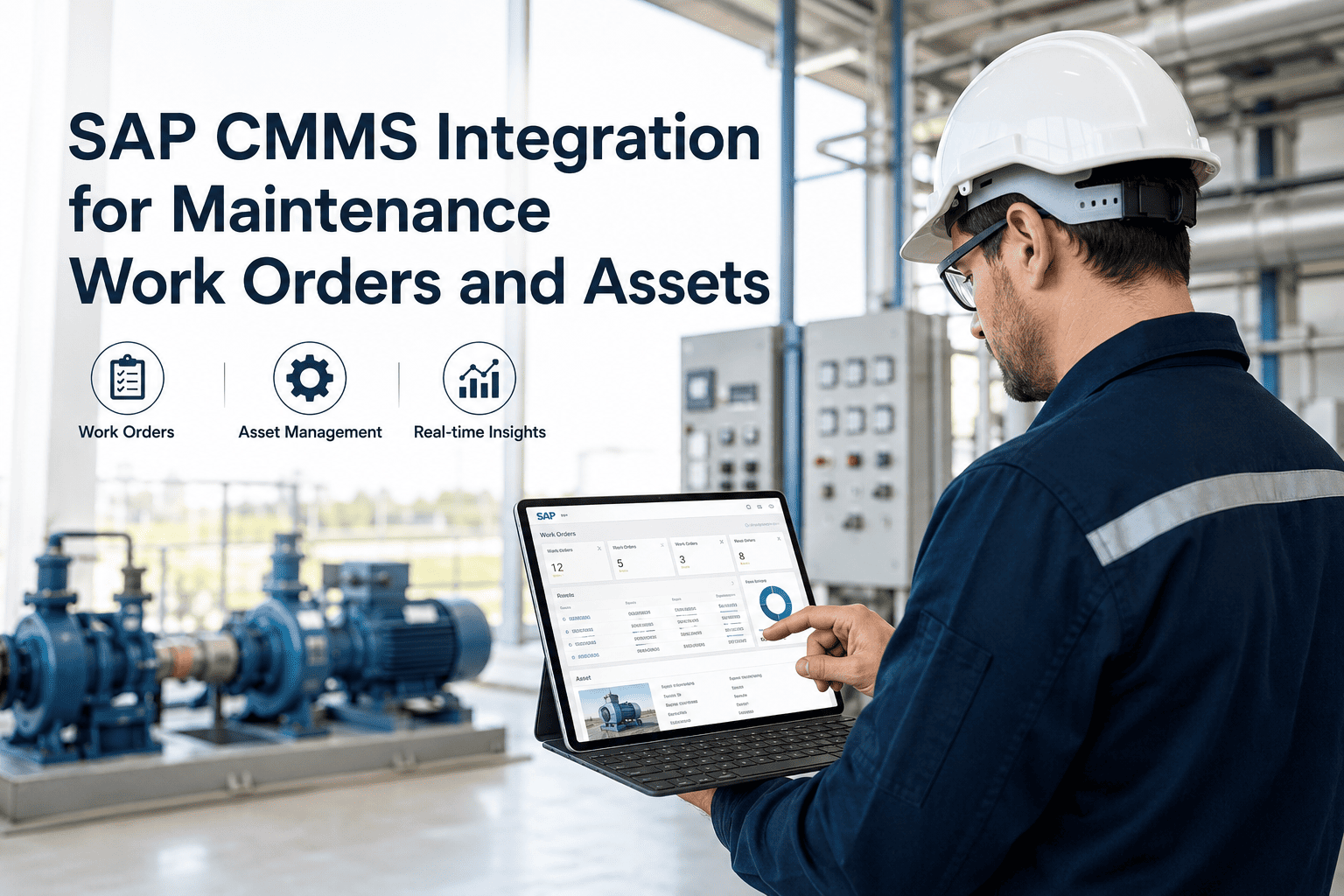
Yes — leading AI CMMS platforms including Oxmaint offer API-based integrations with major ERP systems (SAP, Oracle, Microsoft Dynamics), SCADA platforms, and IoT sensor networks. Common integration use cases include syncing asset master data from ERP, triggering work orders from SCADA alarms, and pushing maintenance cost data back to financial systems for accurate production cost allocation.
Book a demo to review integration options specific to your plant systems.