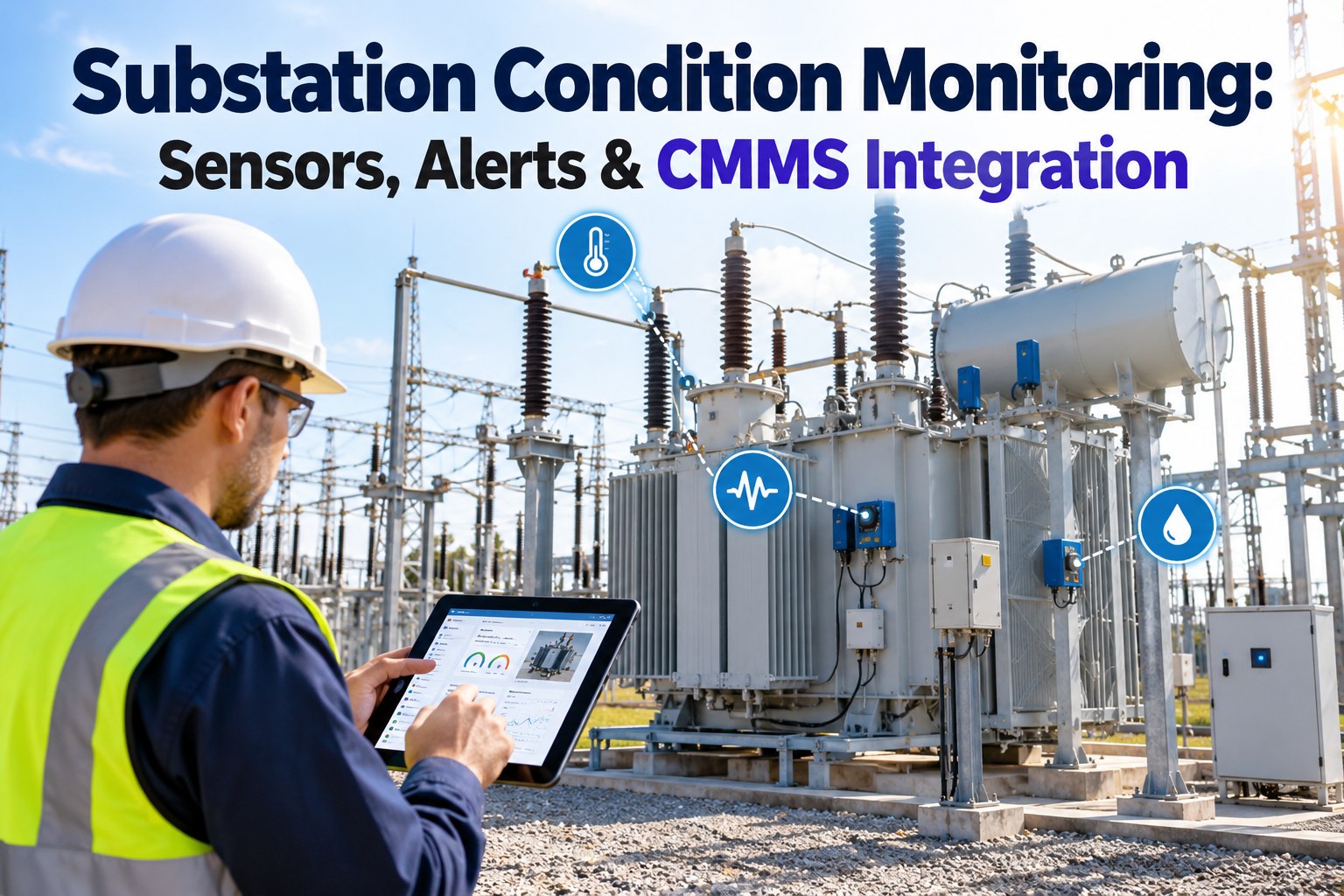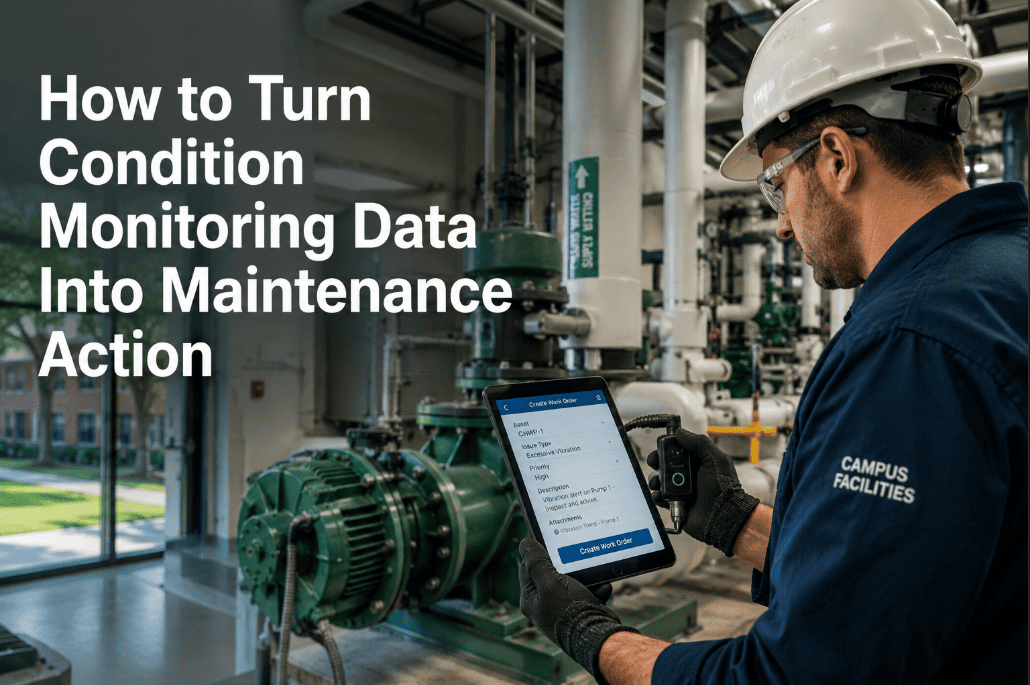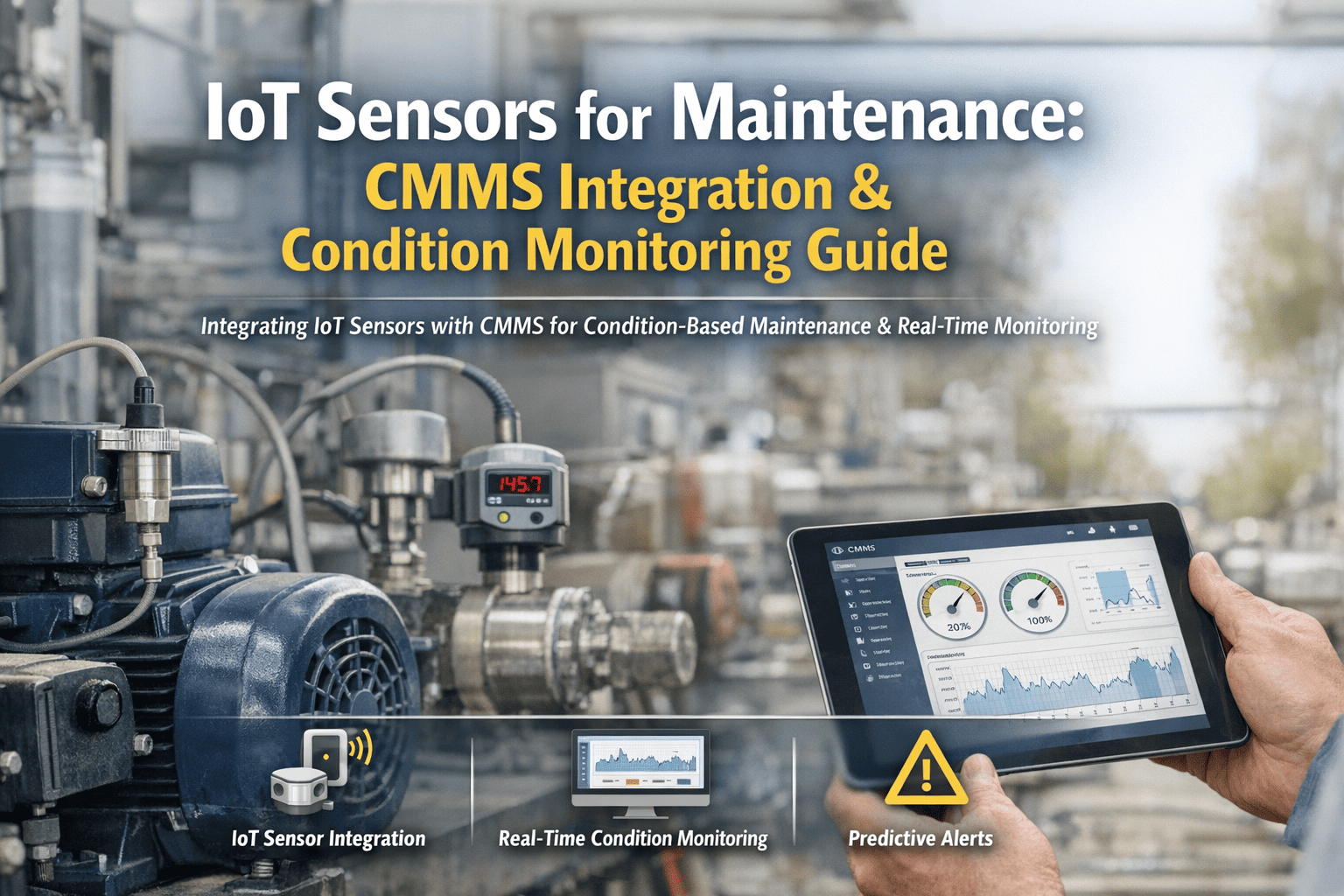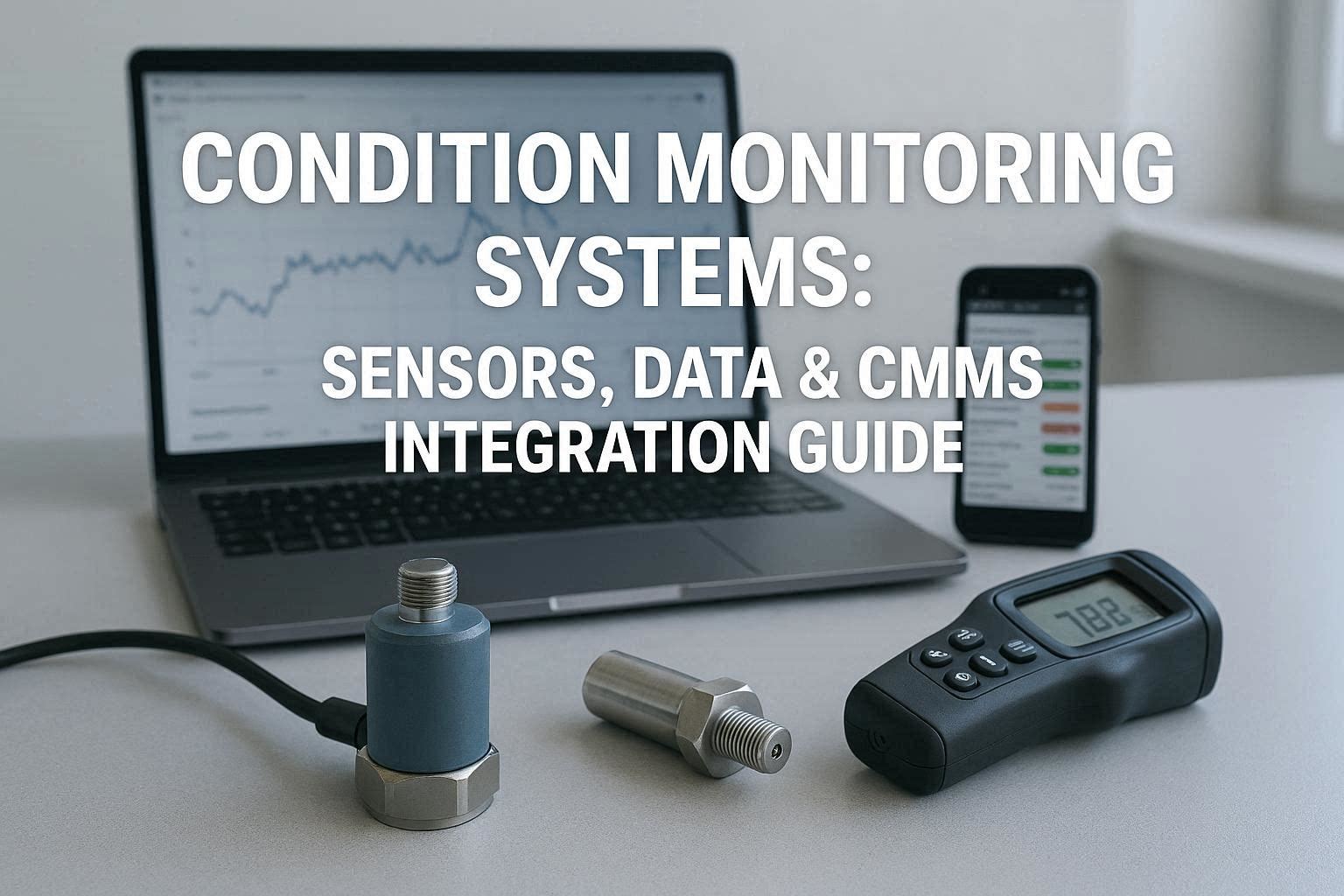
A pulp and paper mill in Wisconsin had 12 critical paper machine dryer cylinders. Each cylinder had a $180,000 replacement cost and a 6-week lead time for parts. The maintenance team performed monthly vibration readings with a handheld collector — but in March 2024, a bearing failure occurred 9 days after a reading that showed no anomaly. Post-failure analysis revealed the degradation pattern was a high-frequency impulse that the monthly collection interval was too infrequent to catch. When the mill deployed continuous online vibration sensors connected to OxMaint, they detected the same failure signature on a second cylinder — 47 days before projected failure — and scheduled a $22,000 repair during a planned paper change. Condition monitoring works only when sensor data connects to maintenance action. Sign in to OxMaint to connect your sensors to automated maintenance, or see pricing for condition monitoring CMMS integration.
Condition Monitoring · IoT Sensors · CMMS Integration · 2026 Guide
Condition Monitoring Systems — How Sensors, Data, and CMMS Integration Eliminate Surprise Failures
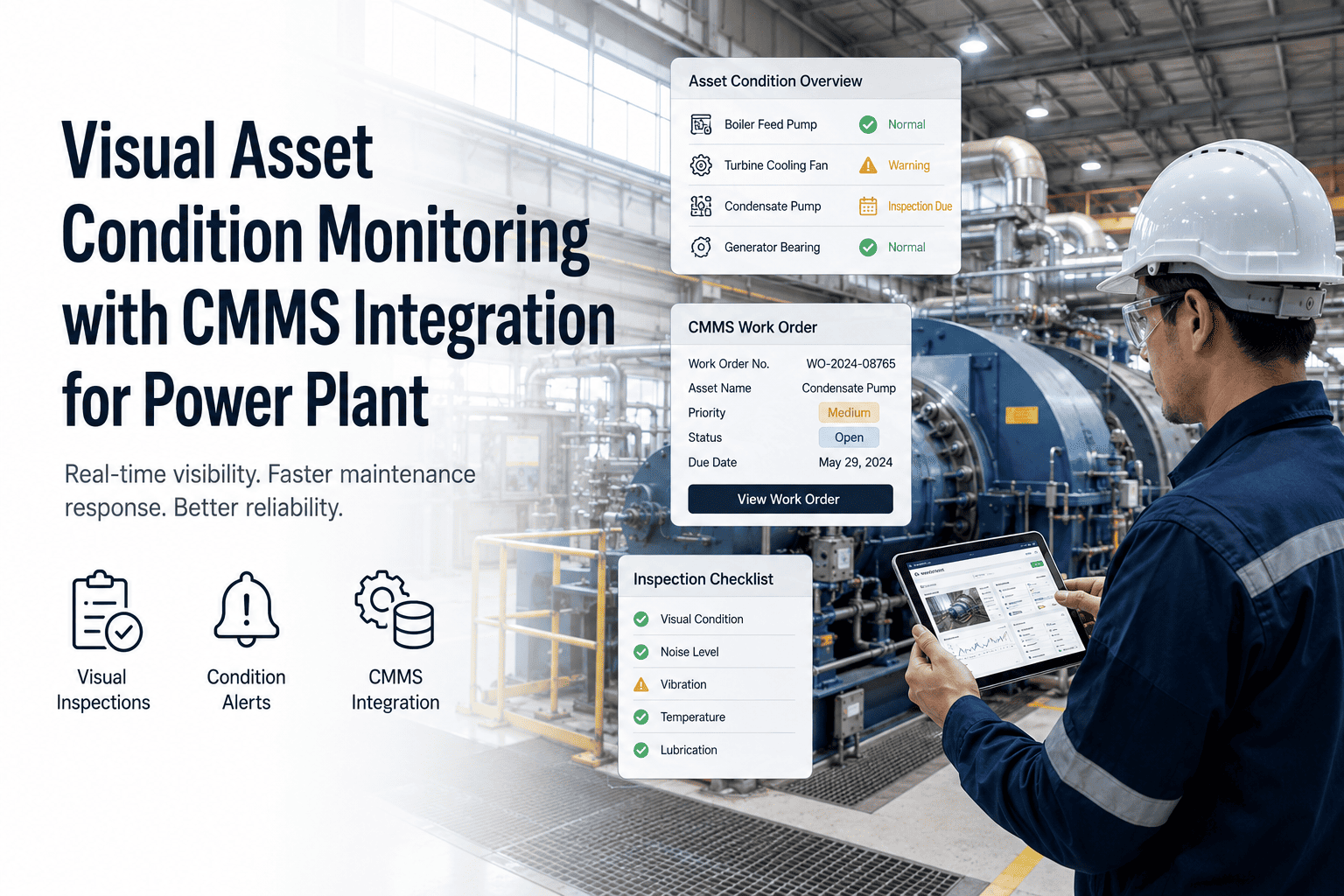
Condition monitoring captures the degradation signals that calendar-based maintenance misses. This guide covers sensor types, data architecture, CMMS integration patterns, and how OxMaint converts continuous sensor data into automated maintenance action before failures reach the production floor.
47d
advance warning from continuous monitoring vs zero days from monthly handheld collection
8x
cost reduction — $22K planned repair vs $180K emergency replacement at Wisconsin mill
91%
of mechanical failures exhibit detectable vibration changes before failure — ISO 13373 standard
$35B
global condition monitoring market by 2028 — fastest growth in continuous online systems
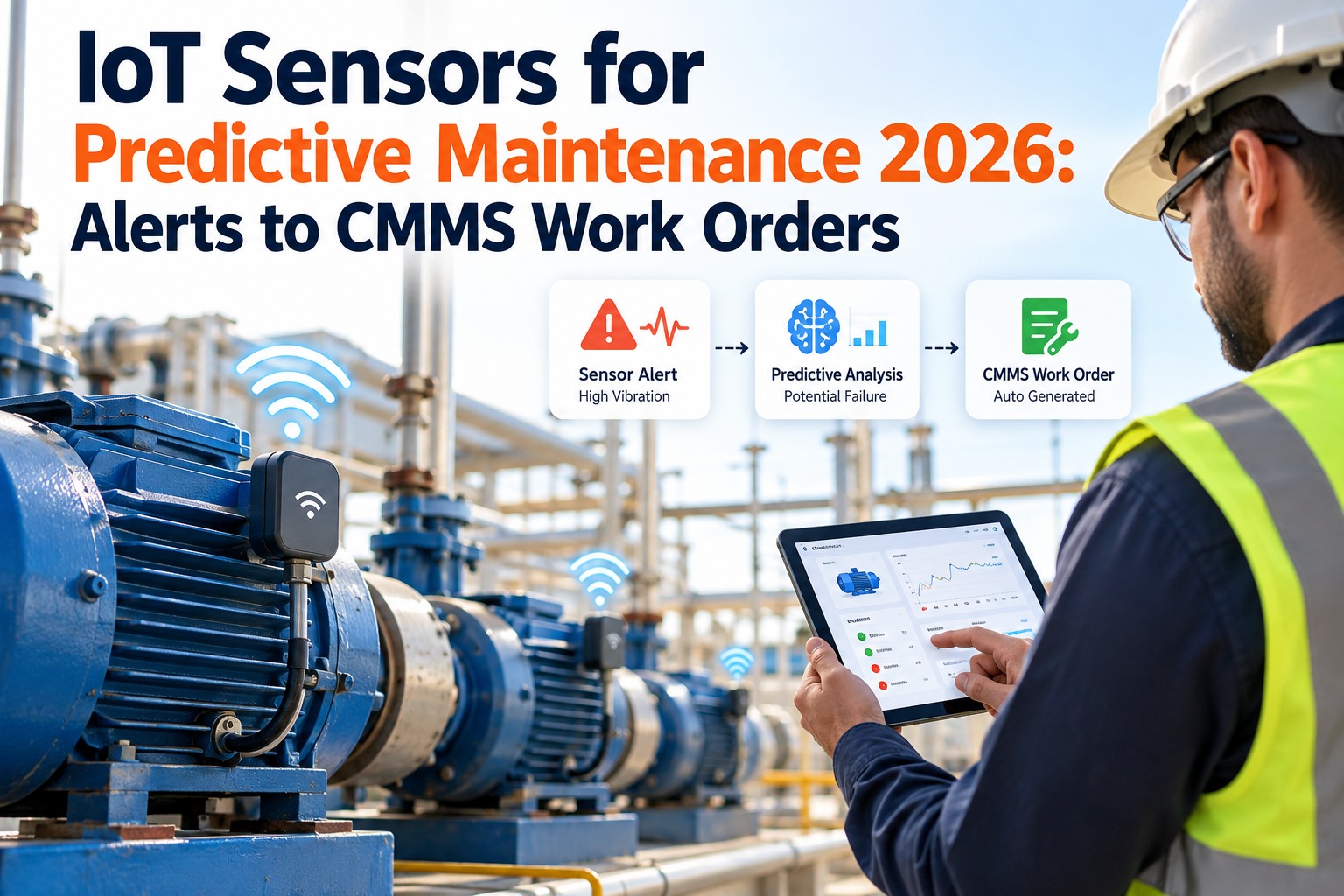
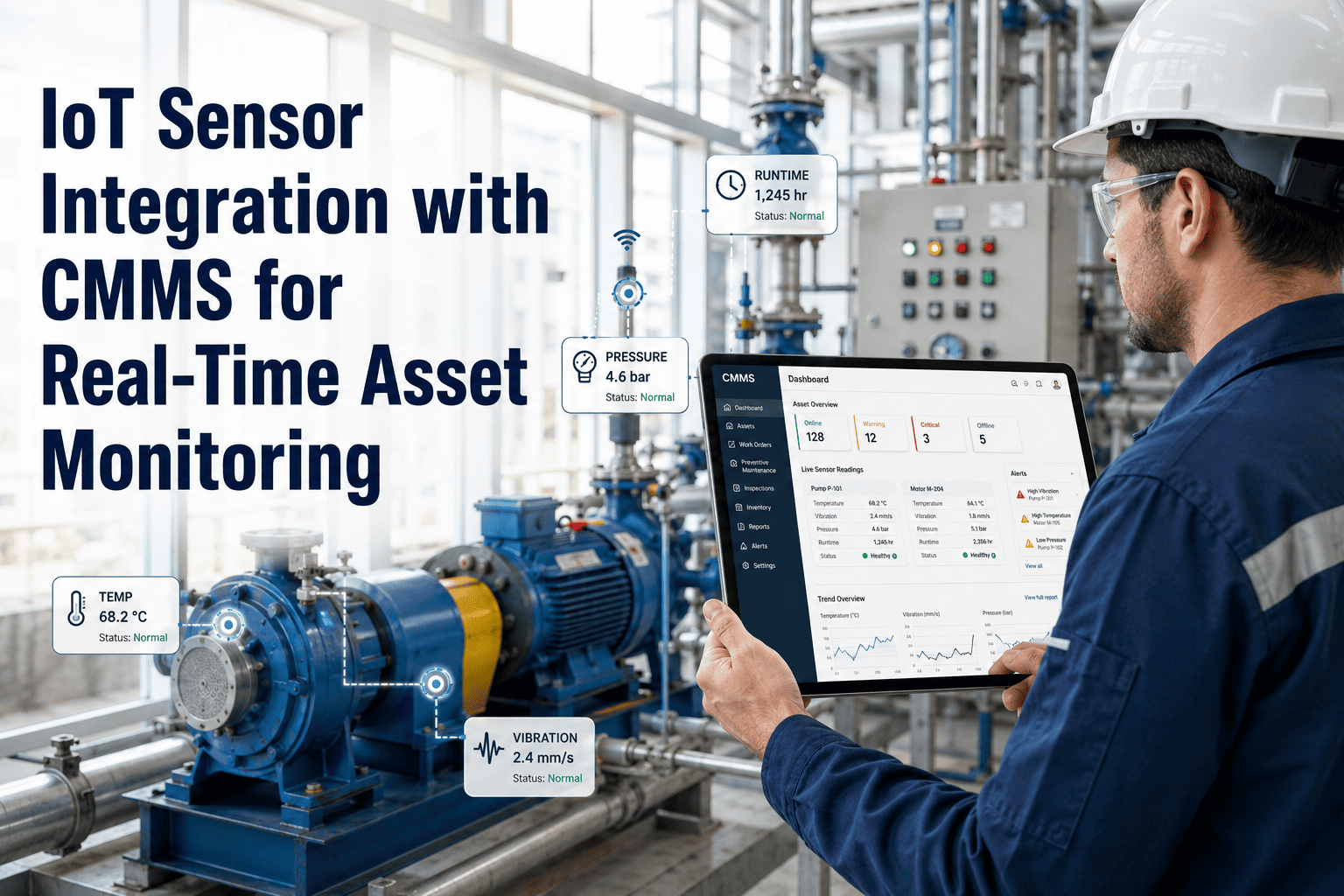
The problem with condition monitoring is not the sensors — it is what happens after the sensor detects an anomaly. Most condition monitoring installations generate alerts that go to a dashboard nobody watches. OxMaint closes this gap by converting sensor threshold breaches directly into prioritised work orders assigned to the right technician — no dashboard monitoring required.
Sensor Types and What They Detect — Condition Monitoring Reference
Detection Window — Handheld vs Continuous Monitoring
OxMaint · Condition Monitoring · Sensor-to-Work-Order
Turn Sensor Alerts Into Work Orders — Automatically, Every Time, No Dashboard Required.
OxMaint Condition Monitoring Integration — Six-Step Closed Loop
01
Sensor Reads
02
Threshold Hit
03
Auto WO
04
Assigned
05
Repaired
06
Verified
Integration Protocols OxMaint Supports
MQTT Protocol
Lightweight publish-subscribe messaging ideal for high-frequency sensor data from wireless vibration and temperature sensors to OxMaint cloud.
OPC-UA
Industrial standard for PLC and SCADA communication — connects Siemens, Allen-Bradley, and Mitsubishi controllers directly to OxMaint.
REST API
HTTP-based integration for cloud sensor platforms, ERP systems like SAP, and third-party analytics tools.
Modbus TCP/RTU
Legacy protocol support for older PLCs, flow meters, and process instrumentation still running on Modbus serial or TCP.
47d
advance failure detection with continuous monitoring vs 0 days with monthly handheld collection
8x
cost reduction — planned repair vs emergency replacement at Wisconsin paper mill
91%
of mechanical failures show detectable vibration changes before failure occurs
"Our monthly vibration route missed the failure that cost us $180,000. Continuous sensors connected to OxMaint caught the identical failure pattern on a second cylinder 47 days before it would have failed. That one save paid for three years of sensors."
— Reliability Manager, pulp and paper mill, Wisconsin, OxMaint user since 2024
Frequently Asked Questions
Connect Your Sensors to Maintenance Action. Not Just Dashboards.