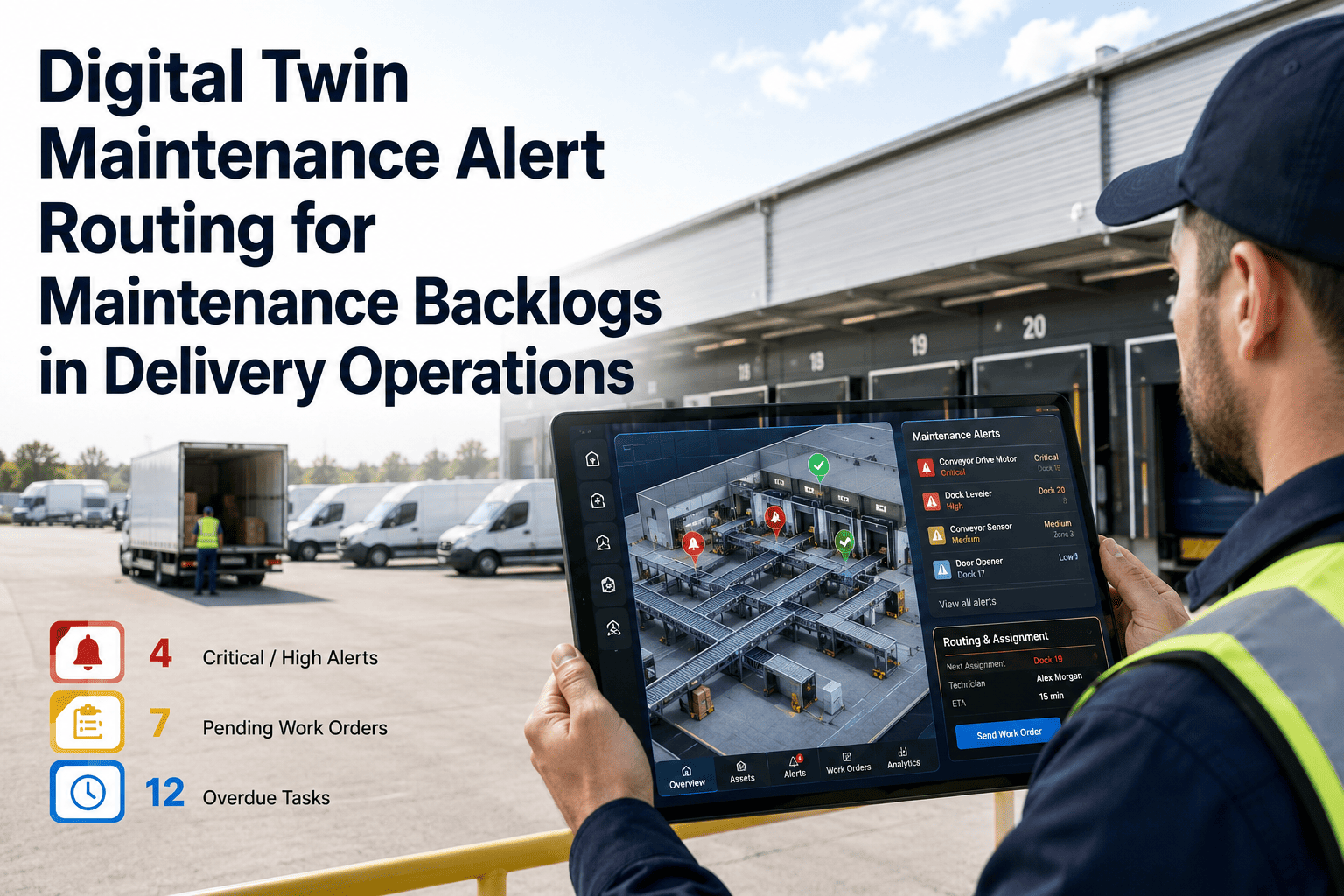
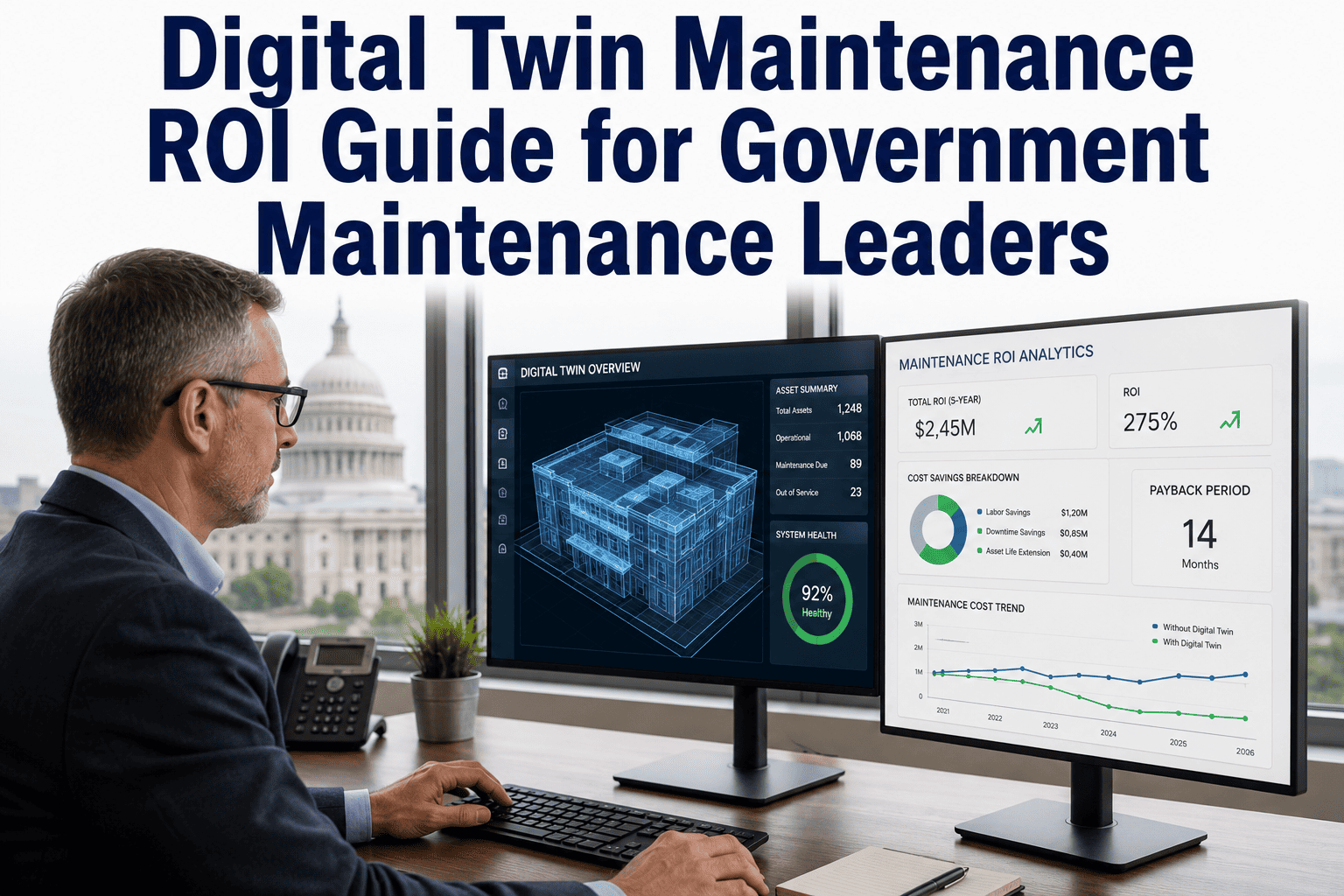
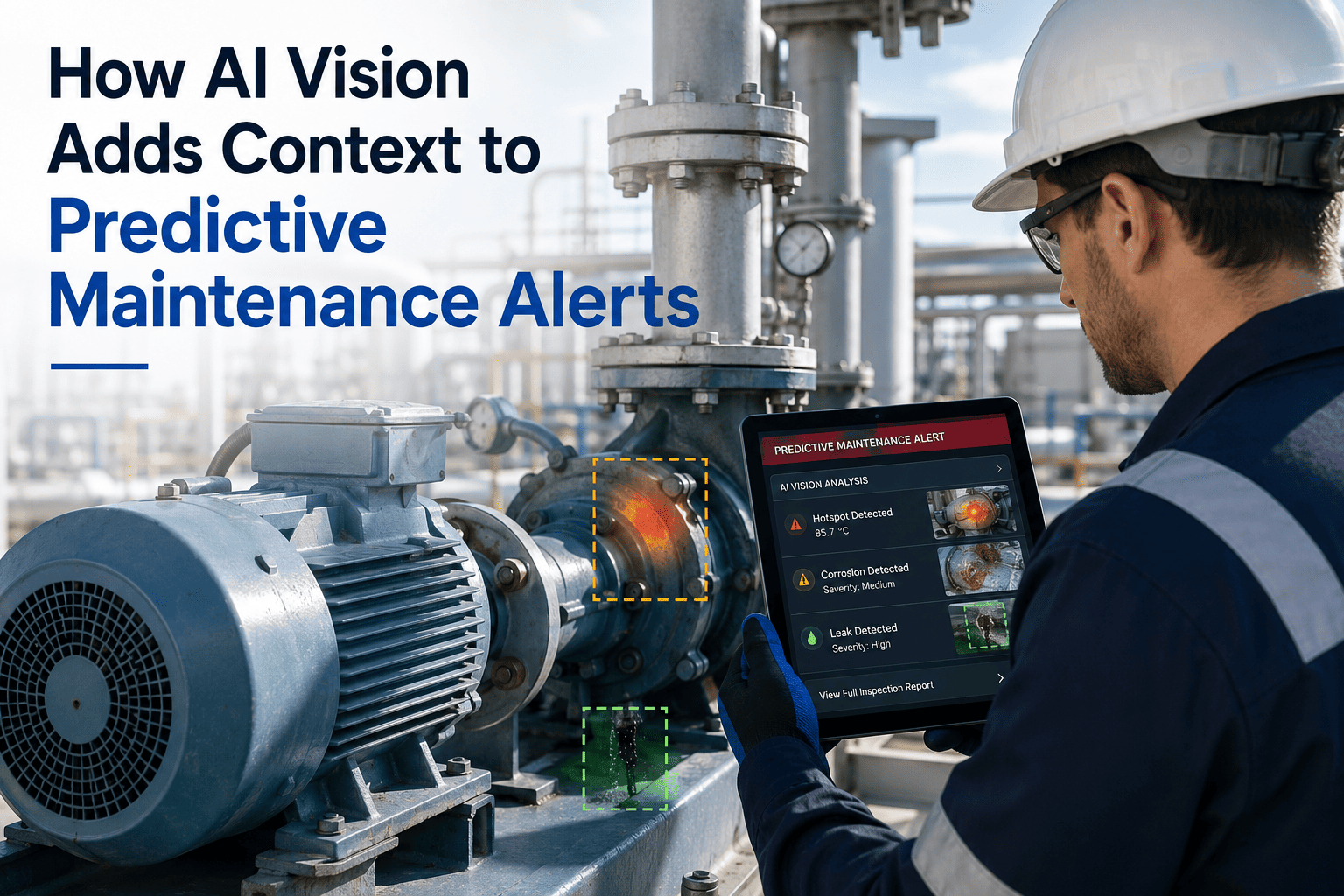
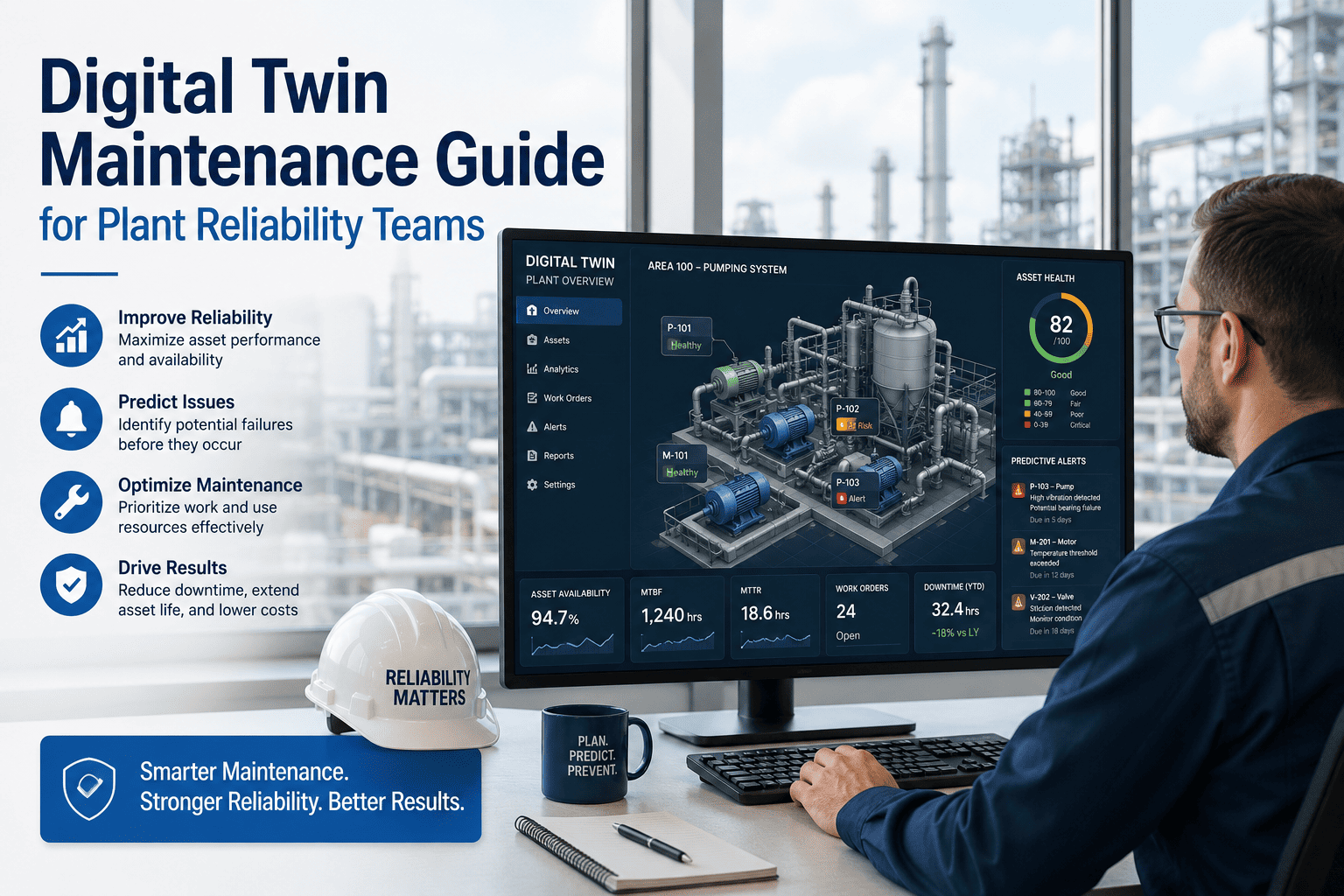
Delivery operations run on asset availability — vehicles, sortation systems, conveyor lines, dock equipment, and loading bays that must perform every shift without exception. Digital twin technology creates live virtual models of these assets, continuously updated from sensor and operational data. But a digital twin that surfaces alerts into a dashboard — rather than routing them into a maintenance work order — is a monitoring tool, not a maintenance solution. OxMaint's CMMS integration layer converts digital twin maintenance alerts into structured work orders, routes them to qualified technicians, and clears maintenance backlogs systematically — so delivery operations maintain asset availability without reactive firefighting or missed shift targets.
DIGITAL TWIN · MAINTENANCE ALERT ROUTING · DELIVERY OPERATIONS
Digital twin alerts stacking in a dashboard are not maintenance. Work orders are.
Delivery operations invest in digital twins to predict maintenance needs before failures disrupt throughput. OxMaint ensures every twin-generated alert becomes a routed, tracked, and completed work order — not another entry in a backlog report no one acts on.
THE BACKLOG PROBLEM
Why digital twin alerts create maintenance backlogs instead of clearing them
73%
Alert-to-action failure rate
Of digital twin maintenance alerts in delivery operations never result in a completed maintenance action within the alert's recommended response window (Gartner, 2023).
4.2×
Backlog growth multiplier
Operations using digital twins without CMMS routing see backlog growth 4.2 times faster than alert generation rate — because unactioned alerts accumulate while the maintenance team handles emergencies.
$340K
Annual cost of unresolved backlogs
Average annual cost of unresolved maintenance backlog in a mid-size delivery hub — accounting for emergency repairs, SLA penalties, and vehicle or equipment replacement acceleration.
ALERT ROUTING ARCHITECTURE
How OxMaint routes digital twin alerts into action — without backlog buildup
TWIN ALERT
Alert generated by digital twin
Digital twin flags deviation in asset performance model — conveyor tension, vehicle health index, sortation throughput anomaly, or dock equipment cycle degradation.
CLASSIFY
OxMaint classifies priority
Incoming alert is classified by asset criticality, operational impact score, and time-to-failure estimate. P1 (immediate), P2 (today), P3 (this week) routing is assigned automatically.
ASSIGN
Work order routed to technician
Work order created with twin-context attached, assigned to the qualified technician with current availability — not just first in the roster. Parts requirement flagged from asset BOM.
CLOSE
Verified closure, twin updated
Technician completes repair, logs outcome, and uploads evidence. OxMaint confirms closure and feeds outcome data back to the digital twin — improving model accuracy for future alerts.
DELIVERY ASSETS COVERED
Which delivery operation assets benefit most from twin-to-CMMS alert routing
Sortation Systems
Twin monitors divert arm cycle rate, scan rate anomaly, jam frequency — alerts route to sortation technician before throughput drops below SLA threshold.
Conveyor Lines
Belt tension drift, roller bearing temperature, motor current draw — twin alerts route to PM work orders before belt failure forces line shutdown.
Dock Levelers
Hydraulic pressure cycling anomaly and lip plate operation deviation alerts prevent dock failures during peak loading windows.
Delivery Vehicles
Vehicle health index anomalies from telematics digital twins route to workshop work orders during depot dwell windows — before dispatch conflicts arise.
Forklift Fleet
Battery health trending, mast hydraulic wear, and brake system deviation alerts from twin models route to pre-shift inspection work orders automatically.
Automated Storage Systems
ASRS rail wear, shuttle cycle anomaly, and pick accuracy degradation alerts prevent storage throughput failures at shift start.
EXPERT REVIEW
What logistics and operations engineers say about digital twin maintenance routing
Digital twins are the best early warning system the maintenance industry has ever had. The problem is not the warning — it is what happens after the warning. Without automated routing to a CMMS work order, twins generate data anxiety, not maintenance action. The integration layer is what makes twins operationally valuable.
Rajesh Pillai
Head of Engineering, E-Commerce Fulfillment Hub, Mumbai
In delivery operations, maintenance backlog is a service-level risk, not just a cost issue. Unactioned digital twin alerts in sortation or conveyor systems translate directly to missed SLAs and customer penalties within 48 to 72 hours. CMMS routing that clears alerts in real time is a competitive necessity, not a nice-to-have.
Maria Santos
Operations Excellence Director, Southeast Asia Logistics, 3PL Sector
CLEAR YOUR BACKLOG
Connect your digital twin alerts to OxMaint — and make every alert count
OxMaint integrates with major digital twin platforms including Siemens Teamcenter, PTC ThingWorx, Azure Digital Twins, and custom IoT pipelines. Delivery hub teams typically configure full alert routing within 10 business days of integration kickoff.
COMMON QUESTIONS
Digital twin maintenance alert routing — what delivery operations ask
Which digital twin platforms does OxMaint integrate with for delivery operation assets?
OxMaint integrates with Siemens Teamcenter, PTC ThingWorx, Azure Digital Twins, AWS IoT TwinMaker, and custom digital twin outputs via REST API and MQTT. For delivery operations using in-house IoT platforms, OxMaint's webhook intake accepts structured alert payloads from any twin that outputs JSON.
Book a demo to confirm integration with your specific twin platform and see alert routing configured for a delivery hub asset set similar to yours within the demo session.
How does OxMaint prevent low-priority twin alerts from overwhelming the maintenance team?
OxMaint's alert classification engine applies asset criticality scoring, operational impact weighting, and technician capacity constraints before routing any alert to a work order. Low-priority alerts from non-critical assets are queued into the next available maintenance slot rather than creating immediate work orders. This prevents alert flooding while ensuring high-impact findings receive same-shift response.
Start a free trial to configure alert classification rules for your specific delivery asset set. Priority threshold adjustments take under 30 minutes per asset category.
Can OxMaint help reduce an existing maintenance backlog that built up before digital twin integration?
Yes. OxMaint includes a backlog management module that allows maintenance managers to import existing backlog items, score them by asset criticality and age, and assign them to available technician capacity systematically. Combined with digital twin integration, new twin-generated work orders are scheduled alongside backlog clearance items — preventing the twin from adding to the backlog rather than competing with it.
Book a demo to see backlog clearance planning for a delivery hub scenario with your current asset count and team size.
How does repair outcome data feed back into the digital twin to improve future alert accuracy?
When technicians close work orders in OxMaint, the resolution data — fault confirmed, repair action taken, parts used, post-repair condition — is structured and exportable via API to update the originating digital twin's failure model. This feedback loop improves the twin's anomaly detection precision over time, reducing false positives and making future alerts more operationally accurate. The result is a self-improving maintenance intelligence system that gets more precise with every work order closed.
READY TO ROUTE EVERY ALERT TO ACTION
Stop managing alert dashboards. Start closing work orders — and clearing your backlog for good.
Delivery operations using OxMaint's digital twin alert routing have cleared maintenance backlogs by 50–70% within 90 days of integration and reduced asset-related SLA failures by 30% in the following quarter. Every twin alert becomes a work order. Every work order becomes a verified closure. Every closure makes the twin smarter.