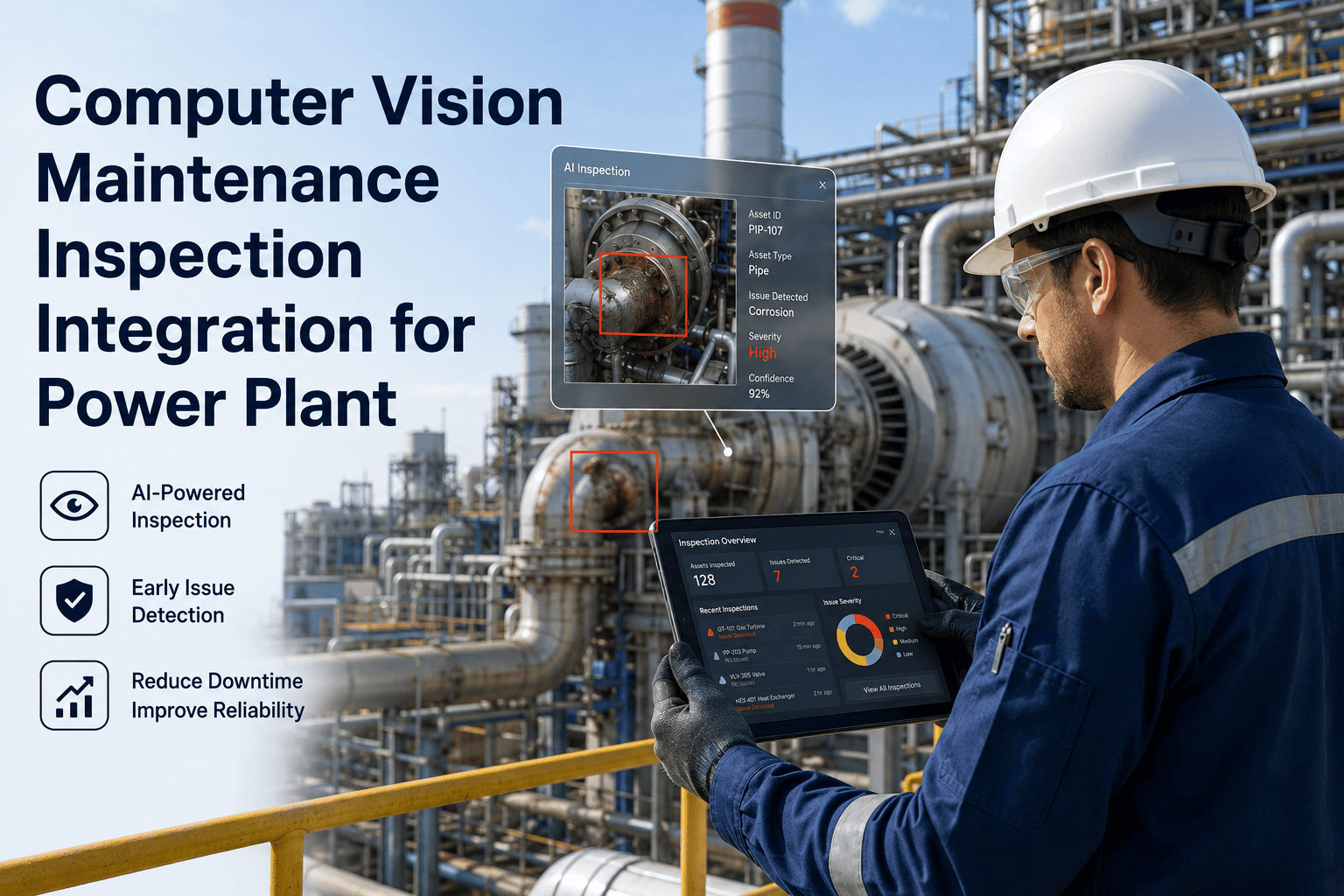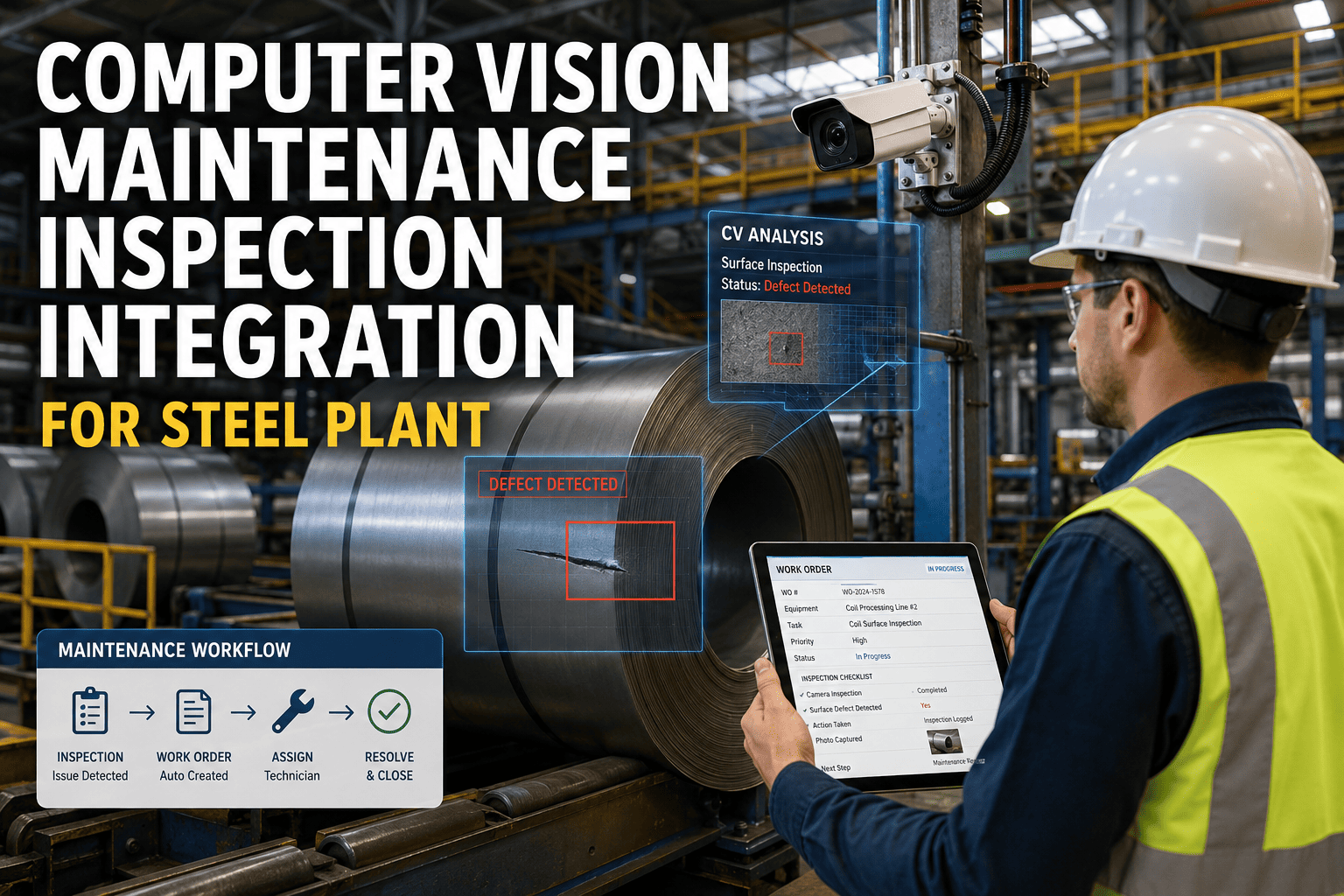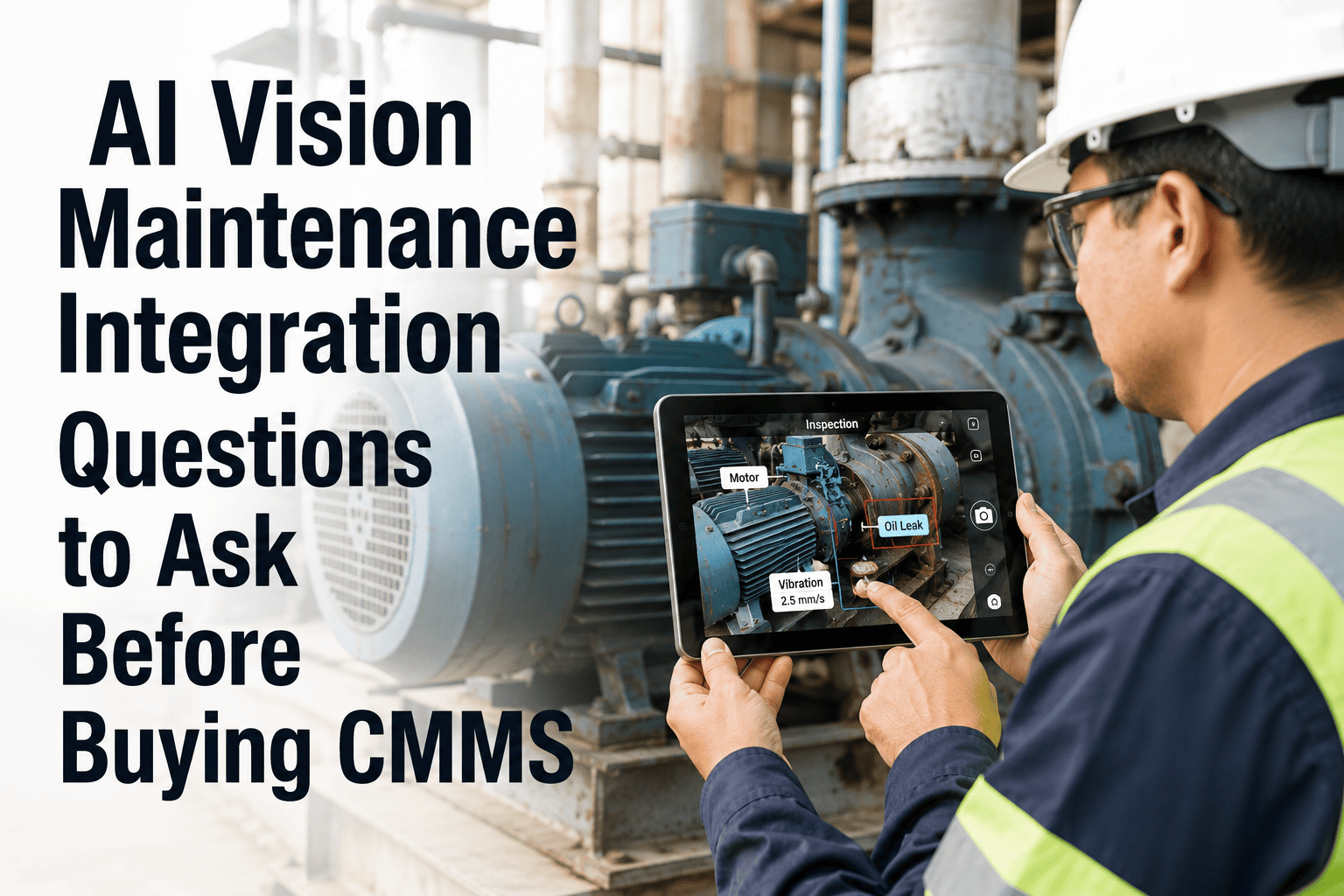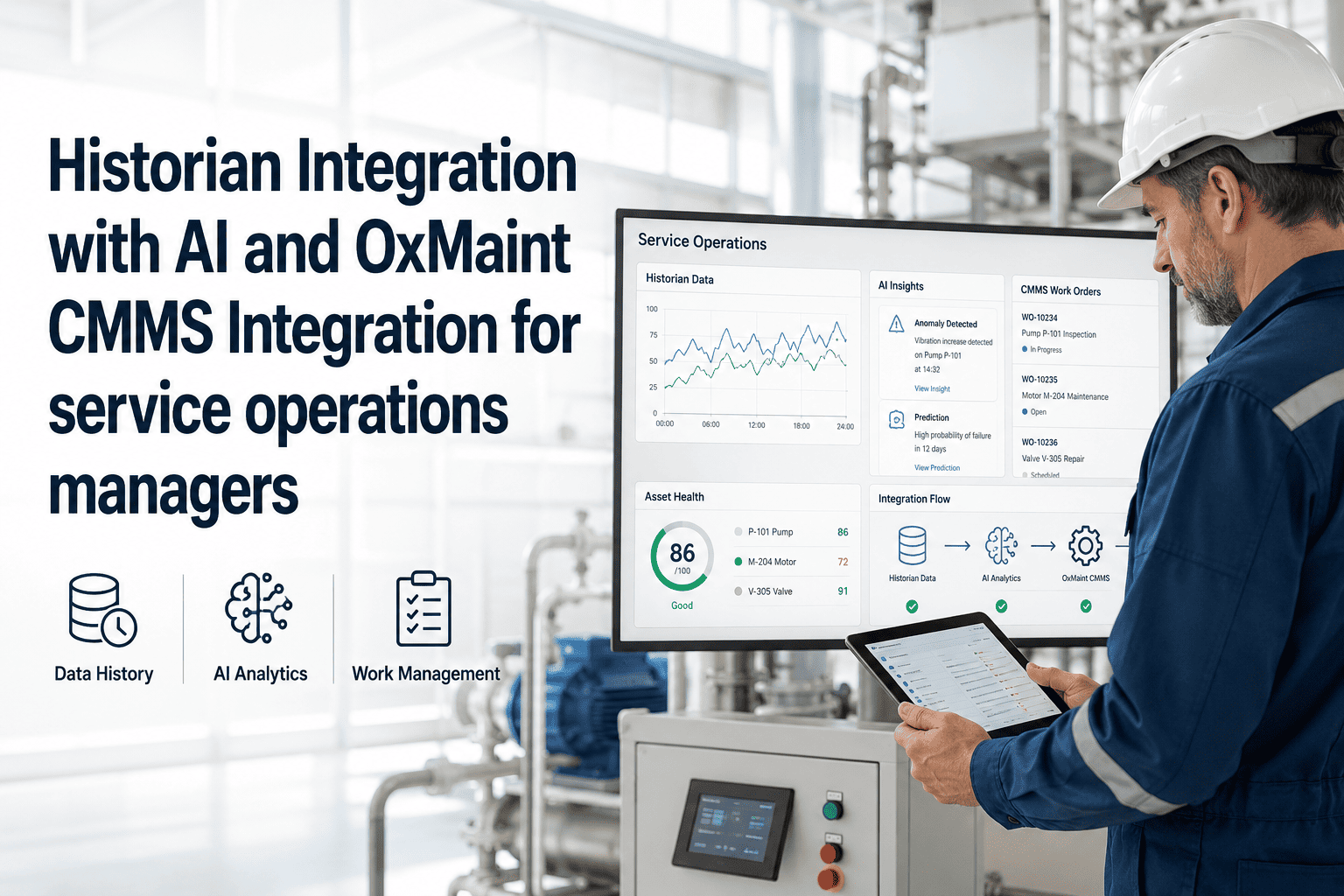
Every plant historian — Wonderware, PI System, Ignition, or a SCADA data lake — already holds years of temperature curves, vibration logs, and pressure trends. The problem is almost never the data. It is that the historian and the CMMS live in separate worlds, so a pattern that predicts failure sits buried in a tag database while the work order system waits for someone to notice. Connecting AI to that historian feed changes the order of operations entirely: instead of a technician inspecting on a fixed schedule, the model reads years of trend data, recognizes the signature of an asset heading toward failure, and a work order appears before the breakdown does. Connect your historian to Oxmaint free and start turning years of stored data into action instead of archives.
Historian Integration with AI: From Stored Trends to CMMS Work Orders
How plant historian data — the years of tags, trends, and process logs already being collected — becomes a working failure-prediction engine inside your maintenance system.
The Path from Historian Tag to Work Order
Years of process tags pulled from PI, Wonderware, or Ignition via OPC-UA or REST
AI model learns the trend signature that preceded past failures
Current readings checked against the failure signature in real time
Match confidence crosses threshold, CMMS work order opens automatically
3–5 yrs
of historian data typically needed to train a reliable failure-signature model80–97%
failure prediction accuracy reachable at 30–90 day advance windowsZero
new hardware required when the historian is already collecting tagsWhat Happens to Historian Data Without AI Connected
Turn historian trends into work orders automatically
Oxmaint reads your existing historian tags, learns the failure signature, and opens a work order the moment live data matches it — no new sensors required.
Historian Alarms vs Historian + AI Integration
| Capability | Historian Alarms Alone | Historian + AI in Oxmaint |
|---|---|---|
| Detects slow degradation trends | No, fixed setpoint only | Yes, pattern-based detection |
| Creates a work order automatically | No, manual step required | Yes, threshold-triggered work order |
| Learns from past failure history | No memory of past events | Yes, trained on historical tag data |
| Links alert to asset record | Alarm log only | Full asset history and evidence trail |
What Plants Report After Connecting Historian Data to AI
90%+
failure prediction accuracy once models train on a full year of tags12%
reduction in maintenance costs reported by PwC for AI-driven predictive programs12–18 mo
typical window for prediction accuracy to mature as the model accumulates plant-specific dataFrequently Asked Questions
Years of historian data are already telling you what's next
Connect your historian to Oxmaint and turn the trends you're already collecting into work orders, asset evidence, and a maintenance program that acts before equipment fails.