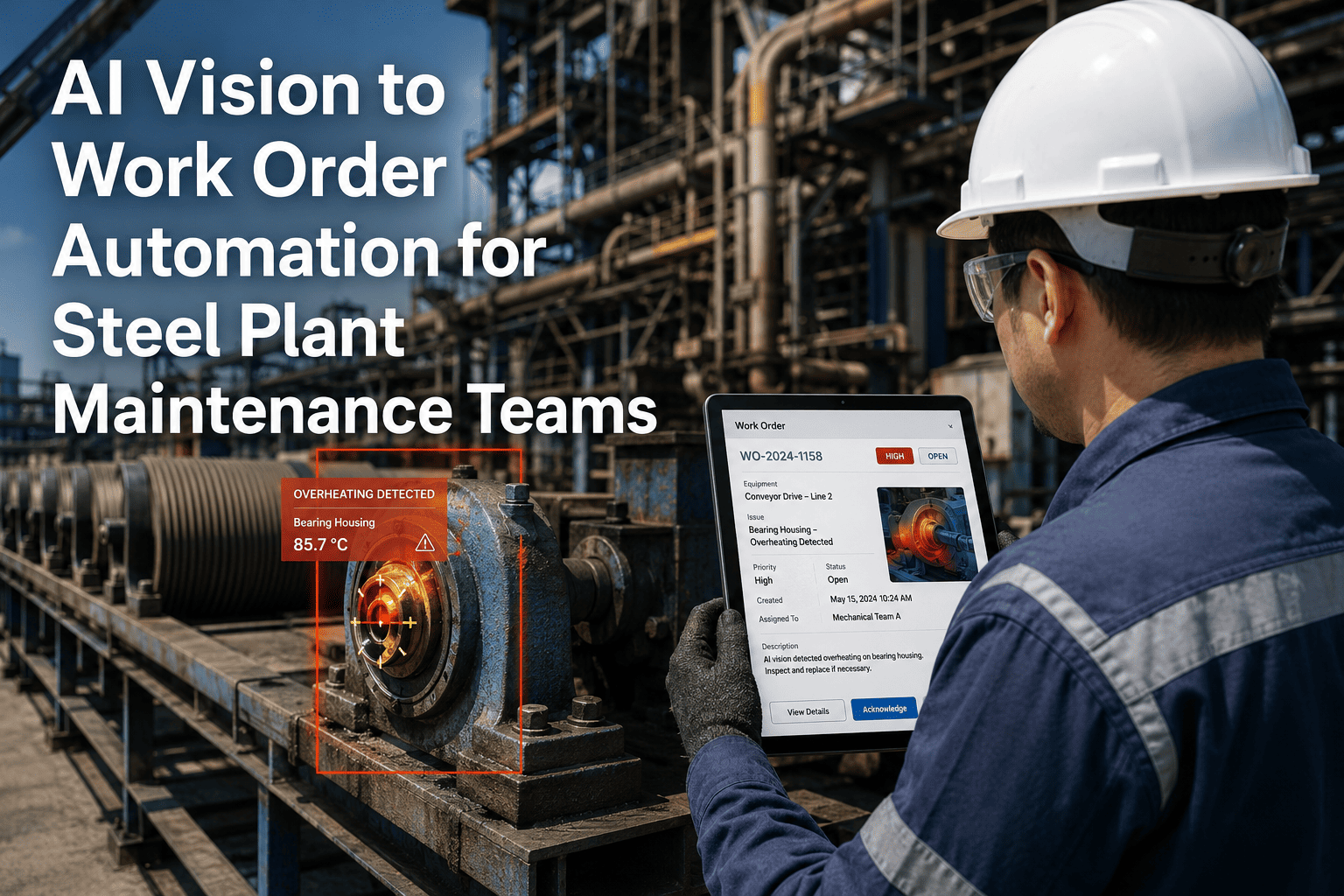
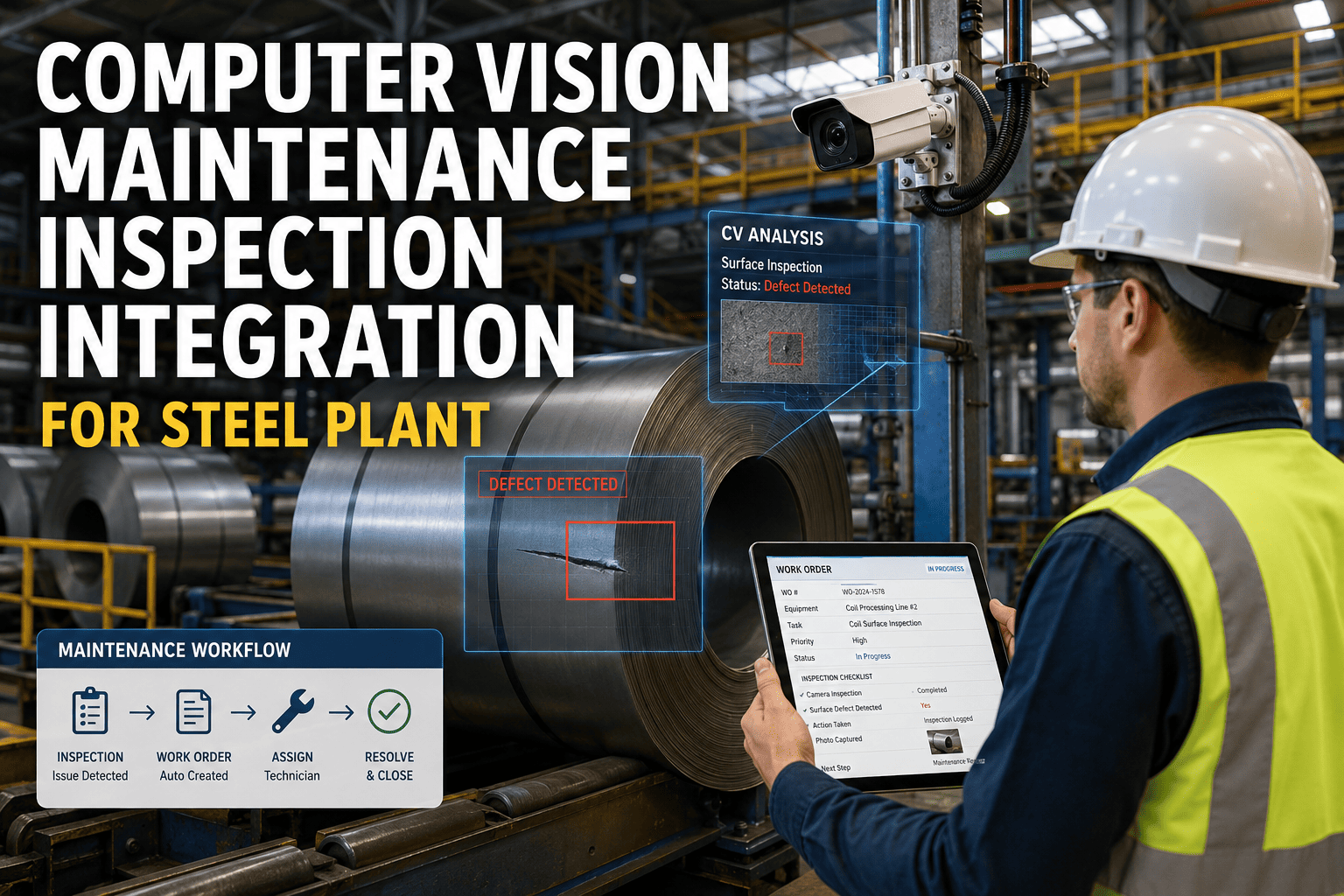
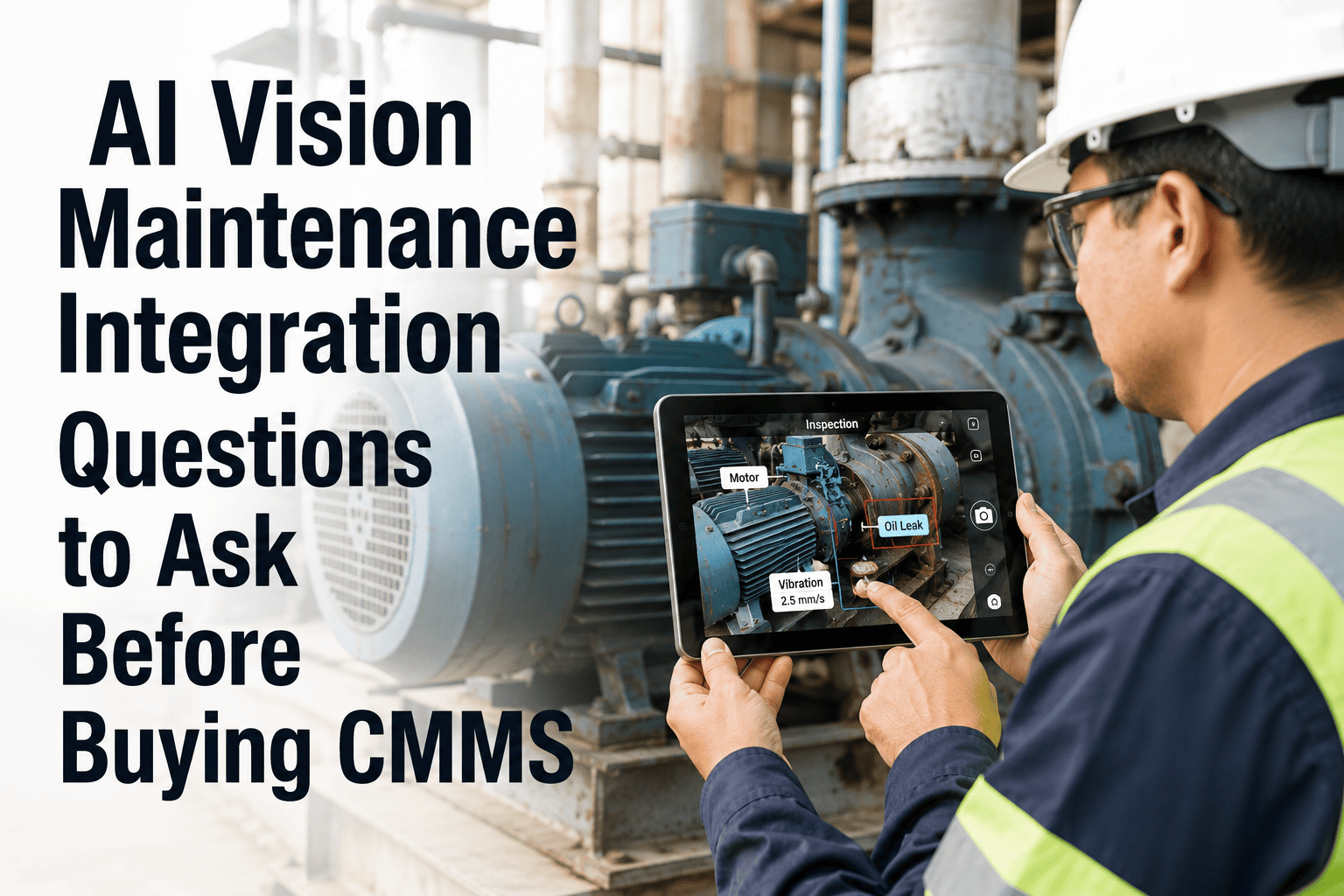
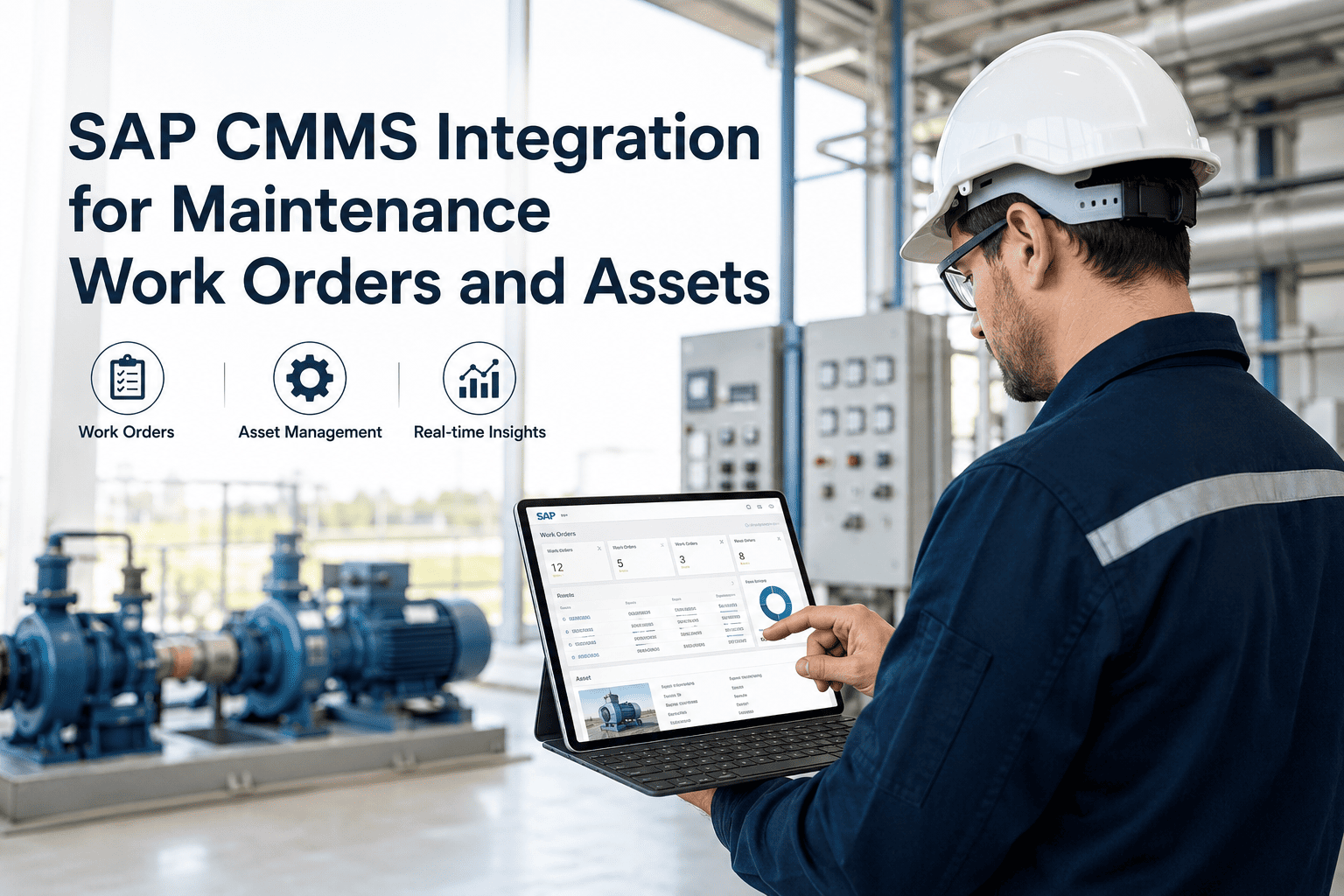
High-temperature production assets — furnaces, kilns, heat exchangers, reactors — generate thousands of sensor readings every minute. Without a structured way to turn that historian data into actionable maintenance signals, the data becomes noise. OxMaint's CMMS bridges historian integration with AI-driven maintenance automation, converting process historian outputs into timestamped work orders, technician-attributed proof records, and real-time reliability dashboards — built for teams managing assets that run at extreme temperatures where unplanned downtime costs are catastrophic.
AI MAINTENANCE AUTOMATION · HISTORIAN INTEGRATION · HIGH-TEMPERATURE ASSETS
Historian data stays in dashboards. Downtime happens on the floor. OxMaint closes the gap.
When high-temperature assets fail, the signals were almost always there — buried in historian logs no one converted to action. AI-driven maintenance automation changes that by turning historian data into work orders before failures occur.
40%
of high-temp asset failures show historian anomalies 72+ hours before breakdown
3.5×
higher MTBF for plants using AI historian integration vs manual monitoring
$2.1M
average annual cost of unplanned downtime per high-temp production line (Deloitte, 2023)
68%
of maintenance teams say historian data never reaches technicians in time to act
THE CORE PROBLEM
Why historian data alone does not prevent high-temperature failures
01
Historian data lives in isolation
Process historians like OSIsoft PI, Wonderware, or Ignition collect data, but they do not speak to your CMMS. A temperature exceedance at 3 AM becomes a report someone reads at 9 AM — after the damage is done.
02
Alert fatigue silences critical signals
High-temp assets generate hundreds of threshold alerts daily. Without AI-based triage, technicians begin ignoring alerts — and the one that matters gets missed alongside the noise.
03
No proof that action was taken
Even when a historian alert triggers a response, there is no traceable record linking the original signal to the work performed, the technician who acted, and the outcome — leaving audit and reliability gaps.
HOW IT WORKS
From historian signal to closed work order — the OxMaint automation pipeline
1
Historian Data Ingestion
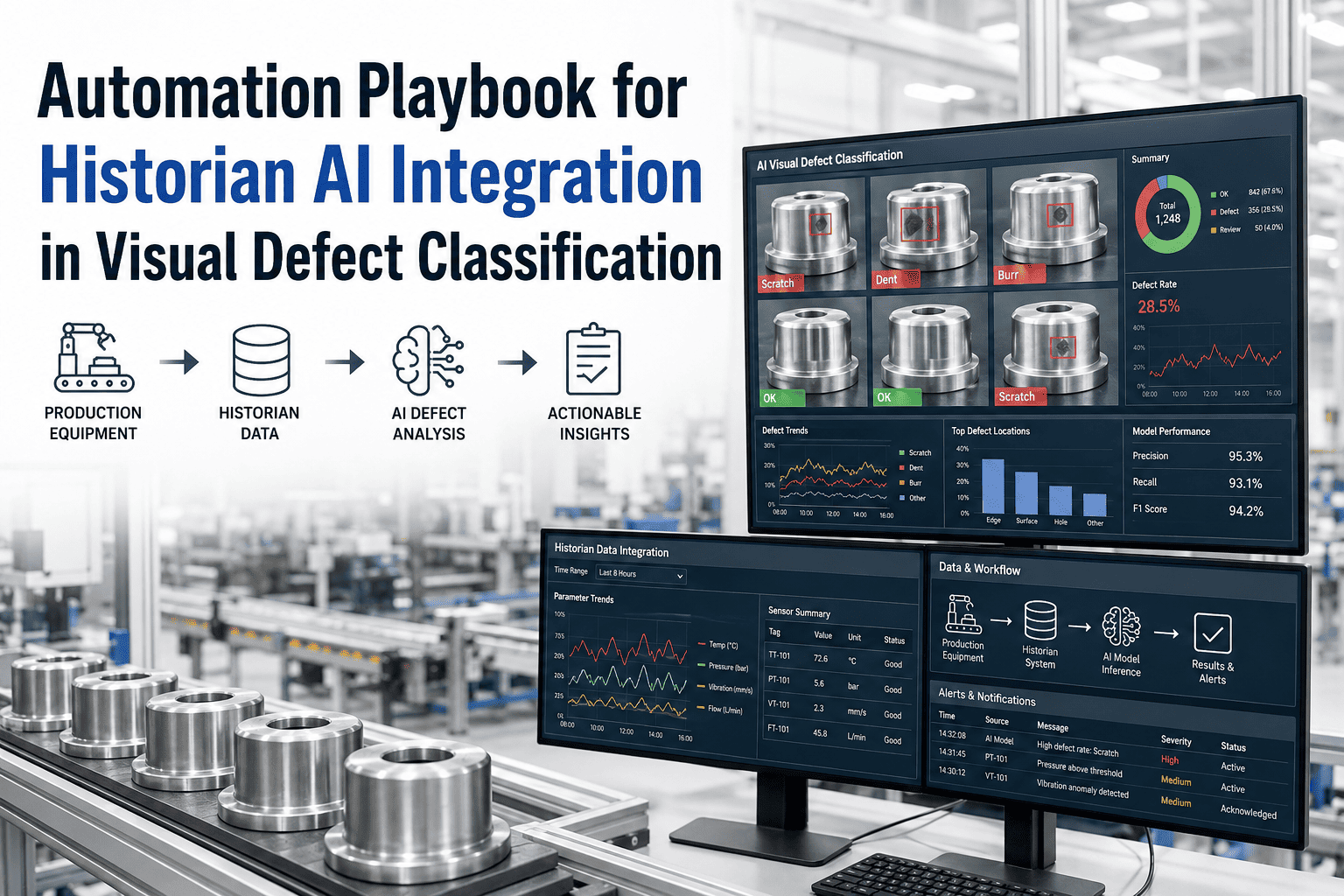
OxMaint connects to process historians via API or direct integration. Temperature trends, vibration data, and process variables stream continuously into the AI analysis layer.
2
AI Anomaly Detection
Machine learning models trained on your asset's historical patterns identify deviations that correlate with failure — not just threshold breaches, but pattern signatures specific to your equipment.
3
Automatic Work Order Creation
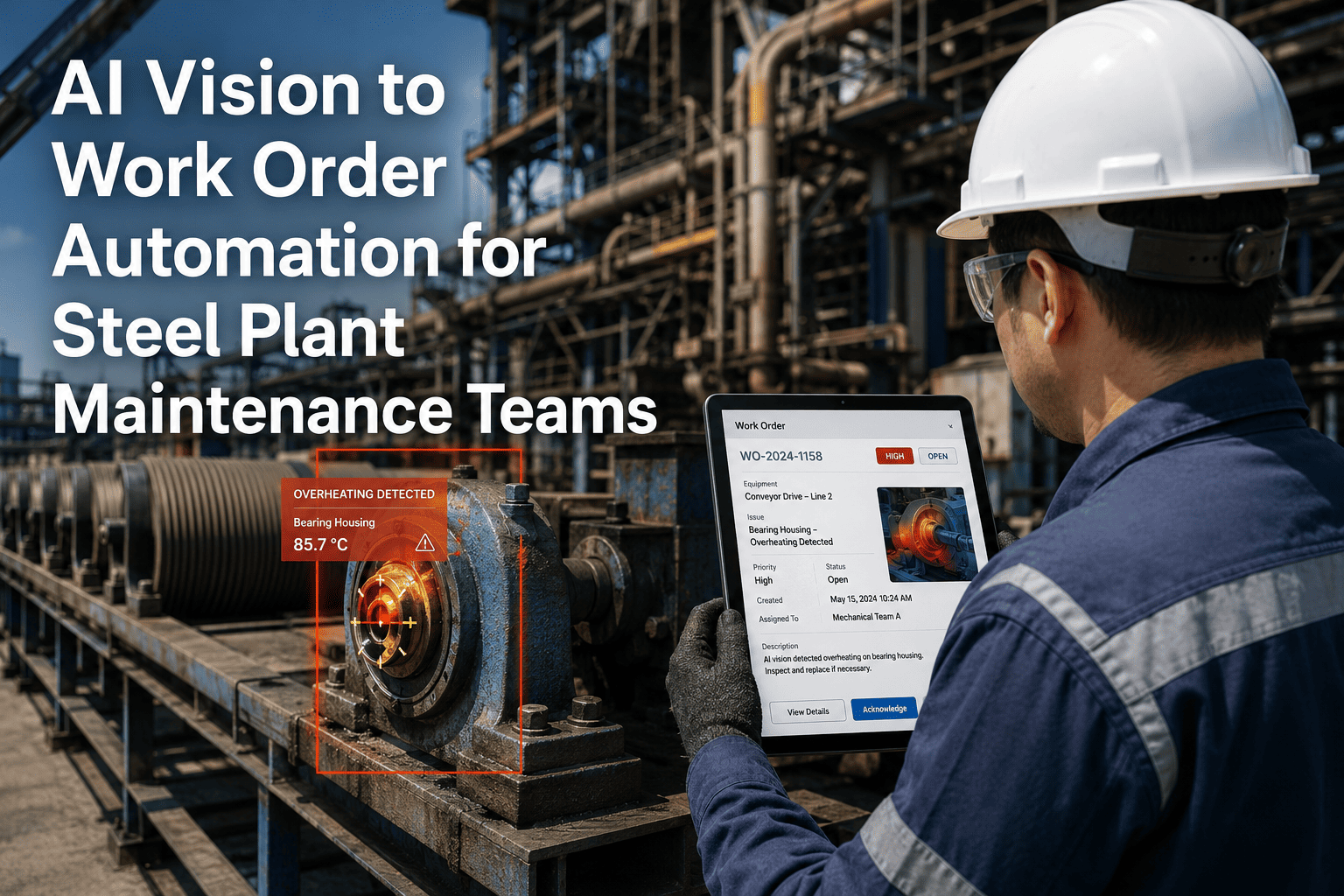
Validated anomalies become prioritized work orders in OxMaint within minutes — with asset context, anomaly data, and recommended action pre-populated for the technician.
4
Technician Proof & Closure
Technicians complete the work order on mobile — logging observations, uploading photo evidence, and capturing resolution data. Every action is timestamped and searchable.
5
Reliability Dashboard Update
Closed work orders feed back into OxMaint's reliability analytics — MTTR, MTBF, failure patterns — giving maintenance managers a live picture of asset health across all high-temp equipment.
RESULTS COMPARISON
What changes after historian-AI integration with OxMaint
| Metric |
Before Integration |
After OxMaint + Historian AI |
| Signal-to-work-order time |
4–24 hours (manual) |
Under 8 minutes (automated) |
| False alert handling |
Every alert reviewed manually |
AI filters noise, only validated anomalies escalate |
| Technician proof rate |
Less than 30% of actions documented |
100% — tied to work order closure |
| Unplanned downtime incidents |
Baseline (industry avg 12–18/year) |
Reduced by 35–55% within 6 months |
| Compliance audit readiness |
Manual log assembly, days of effort |
Exportable digital records in minutes |
COVERED ASSETS
High-temperature production assets that benefit most
Rotary Kilns
Shell temperature trending, tire slip detection, refractory wear pattern analysis
Heat Exchangers
Fouling index tracking, differential pressure anomaly, tube bundle degradation signals
Industrial Furnaces
Burner efficiency drift, thermocouple deviation clusters, lining integrity monitoring
Reactors & Vessels
Exothermic runaway early warning, jacket temperature delta, pressure relief valve pre-trigger signals
Boilers
Combustion efficiency anomaly, tube metal temperature exceedance, water chemistry historian correlation
Calcination Units
Feed rate vs. temperature correlation drift, product quality signal deviation, drive load anomaly
EXPERT REVIEW
What maintenance engineers say about historian-AI integration
The critical gap in most plants is not data collection — it is data activation. Historian systems produce enormous archives of process data that never become maintenance actions. AI-driven CMMS integration is the bridge the industry has needed for a decade.
Dr. R. Krishnamurthy
Reliability Engineering Consultant, Process Industries
High-temperature assets have specific failure signatures that repeat. Once AI models are trained on historian data from a specific kiln or furnace, the precision of anomaly detection improves dramatically — and false alarm fatigue drops significantly within the first 90 days.
Suresh Nambiar
Senior Maintenance Manager, Cement & Refractories Sector
GET STARTED
Connect your historian data to maintenance action — starting this week
OxMaint's implementation team configures historian integration with your existing PI, Wonderware, or Ignition setup. Most plants are live with automated work order generation within 2 weeks — no IT project required.
COMMON QUESTIONS
Historian integration with AI — what teams ask before getting started
Which process historians does OxMaint integrate with?
OxMaint integrates with major process historians including OSIsoft PI, AVEVA Wonderware, Ignition by Inductive Automation, and GE Historian via REST API and OPC-UA connectors. Custom integrations for proprietary DCS historian exports are also supported.
Book a demo to confirm compatibility with your specific historian setup and see how the data pipeline is configured in under 30 minutes.
How does the AI distinguish a real failure signal from normal process variation in high-temp assets?
OxMaint's AI models are trained on your asset's specific historical data — not generic industry benchmarks. The system learns the normal operating envelope for each asset under different load and ambient conditions, and flags deviations that statistically correlate with past failure events.
Start a free trial to see anomaly model training on your own historian data. False positive rates typically drop below 8% within 60 days of model calibration on your specific equipment.
Can automated work orders from historian signals be reviewed before being assigned to technicians?
Yes. OxMaint supports a configurable review gate where AI-generated work orders are held in a pending queue for maintenance manager approval before technician assignment — useful during initial integration periods. As confidence in the AI model builds, operations typically shift to direct auto-assignment for high-confidence signals.
Book a demo to see the approval workflow configuration options and understand how teams typically phase in automation over 30–90 days.
How are technician proof records tied back to the original historian signal?
Every auto-generated work order in OxMaint carries the originating historian signal as embedded context — including the timestamp, tag values, and anomaly score at trigger time. When the technician closes the work order, their observations, photo evidence, and resolution notes are stored alongside the original signal data, creating a complete signal-to-closure audit trail that is exportable for reliability reviews and compliance audits.
READY TO ACT ON YOUR DATA
Your historian is already capturing the signals. OxMaint turns them into action.
Manufacturing teams across Asia and the Middle East managing high-temperature production assets have reduced unplanned downtime by 35–55% by connecting their historian data to OxMaint's AI-driven work order automation. The data is already there — the missing piece is the system that acts on it.