how-to-prepare-maintenance-teams-for-peak-production-weeks

Prepare Maintenance Teams for Peak Production Weeks


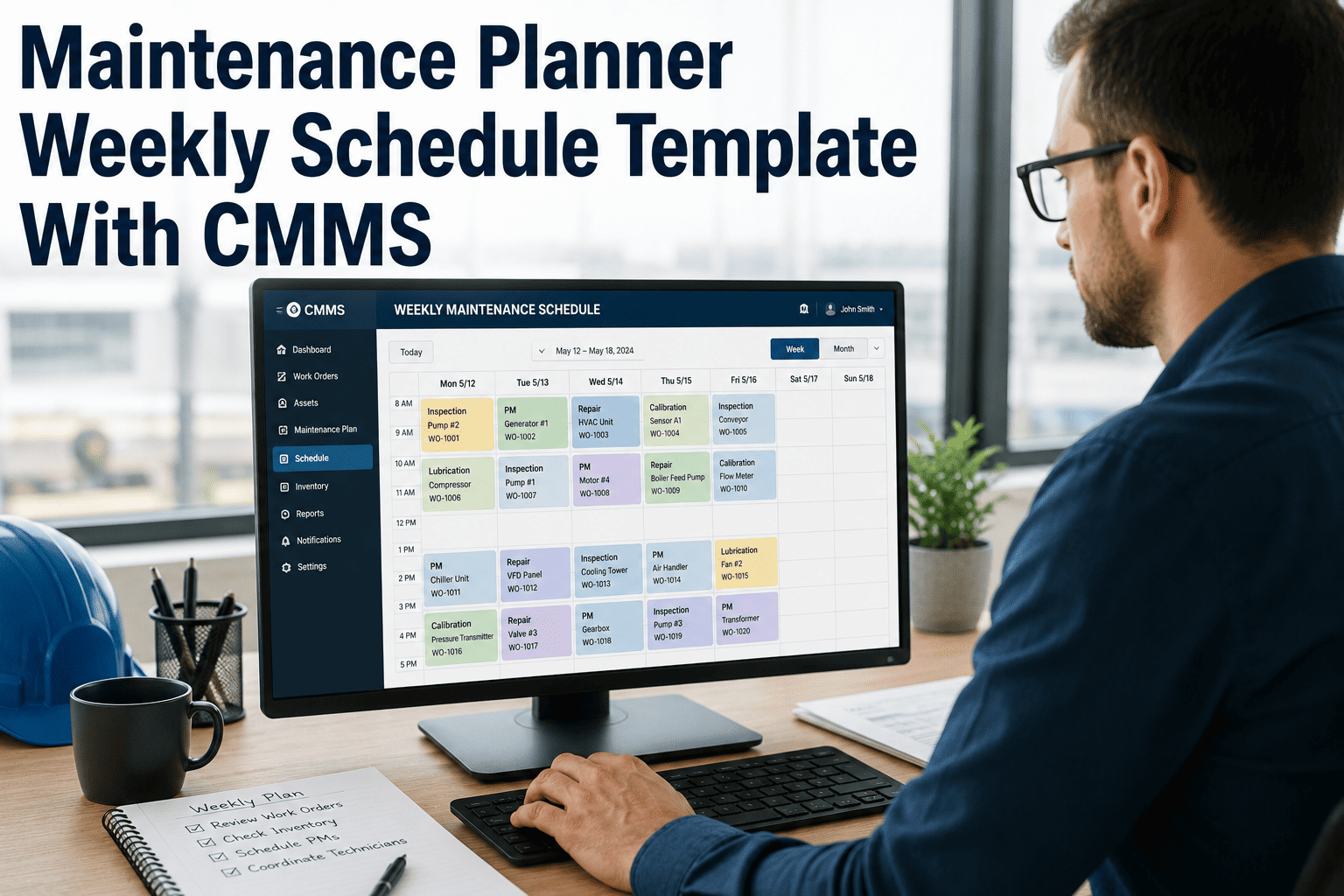
Peak production weeks are when maintenance teams get tested hardest — and when failures cost the most. A single unexpected breakdown during a high-output run can wipe out weeks of margin in hours. OxMaint's maintenance planning tools give teams a structured way to prepare: lock in PM schedules, review critical spares, assign escalation rules, and confirm asset risk status before the first shift of a peak run begins.

Guide · Production Readiness

How to Prepare Maintenance Teams for Peak Production Weeks

A structured pre-production readiness process covers five areas: PM freeze windows, critical spare confirmation, technician schedules, asset risk review, and escalation rules. Miss one, and the run is at risk.

4.3x
Higher cost of downtime during peak vs standard production periods
68%
Of peak-period failures are on assets already flagged with deferred maintenance
72 hrs
Minimum advance window needed for effective pre-peak maintenance review
91%
Peak run uptime achieved by teams with formal readiness checklists

The Pre-Peak Readiness Checklist: 5 Areas

This checklist should be completed 72 hours before a peak production window begins. Each area has a clear owner and a clear pass/fail outcome.

Area Action Required Owner Completion Window Pass Criteria
PM Freeze Lock-In Defer all non-critical PMs scheduled during peak window. Document deferrals with rescheduled dates. Maintenance Planner 72 hrs before peak Zero PMs on critical assets during run
Critical Spares Audit Physically confirm stock levels for top 10 failure-prone parts across all Tier 1 assets. Re-order any below minimum. Stores / Planner 48 hrs before peak All critical spares at or above min stock
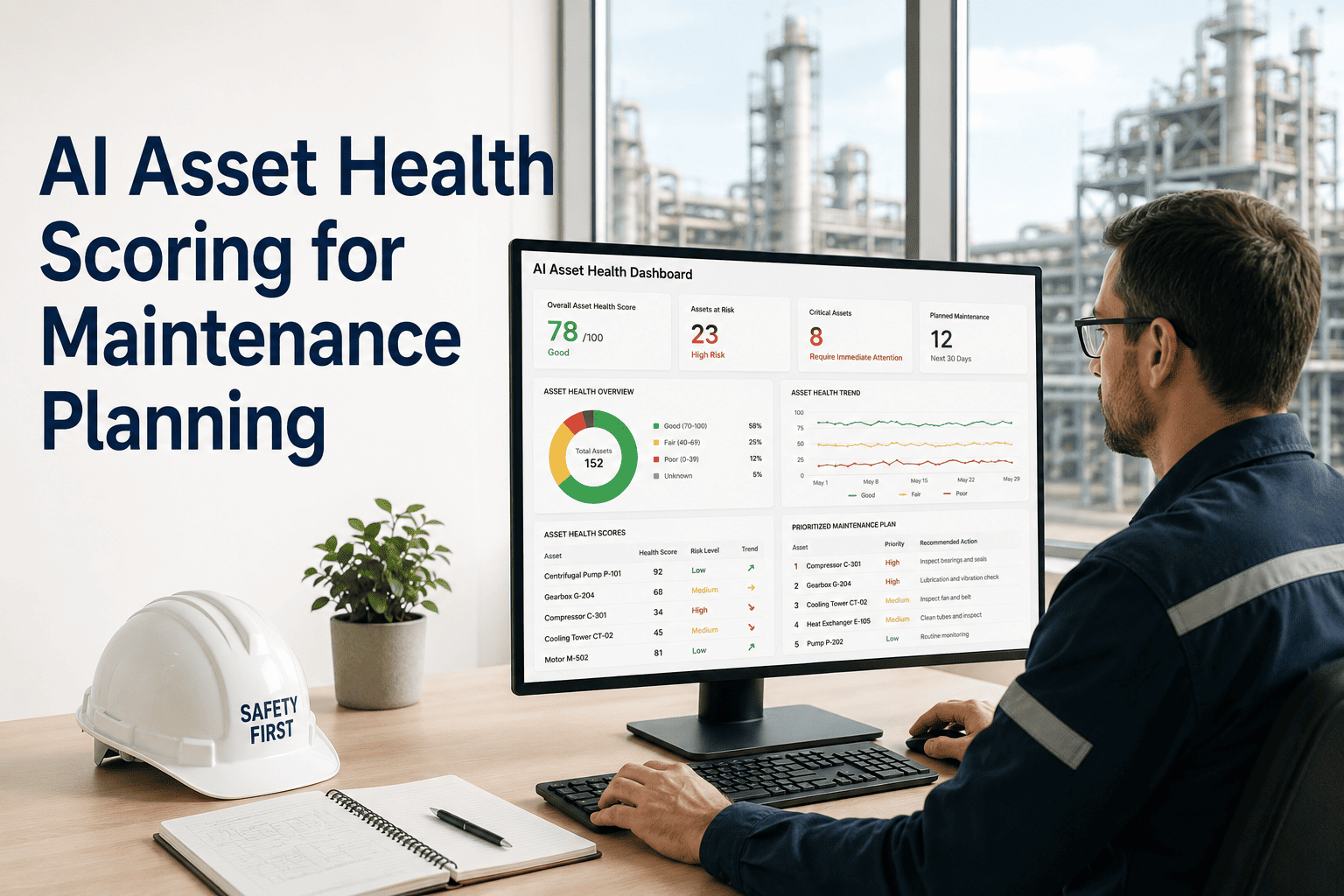
Asset Risk Review Review last 30-day work history for all Tier 1 production assets. Flag any with open corrective WOs or deferred PMs. Reliability Engineer 48 hrs before peak No Tier 1 assets with unresolved corrective WOs
Technician Schedule Confirm technician coverage for all shifts during peak. Assign standby technician for first 12 hours of run. Maintenance Supervisor 24 hrs before peak Full shift coverage confirmed in writing
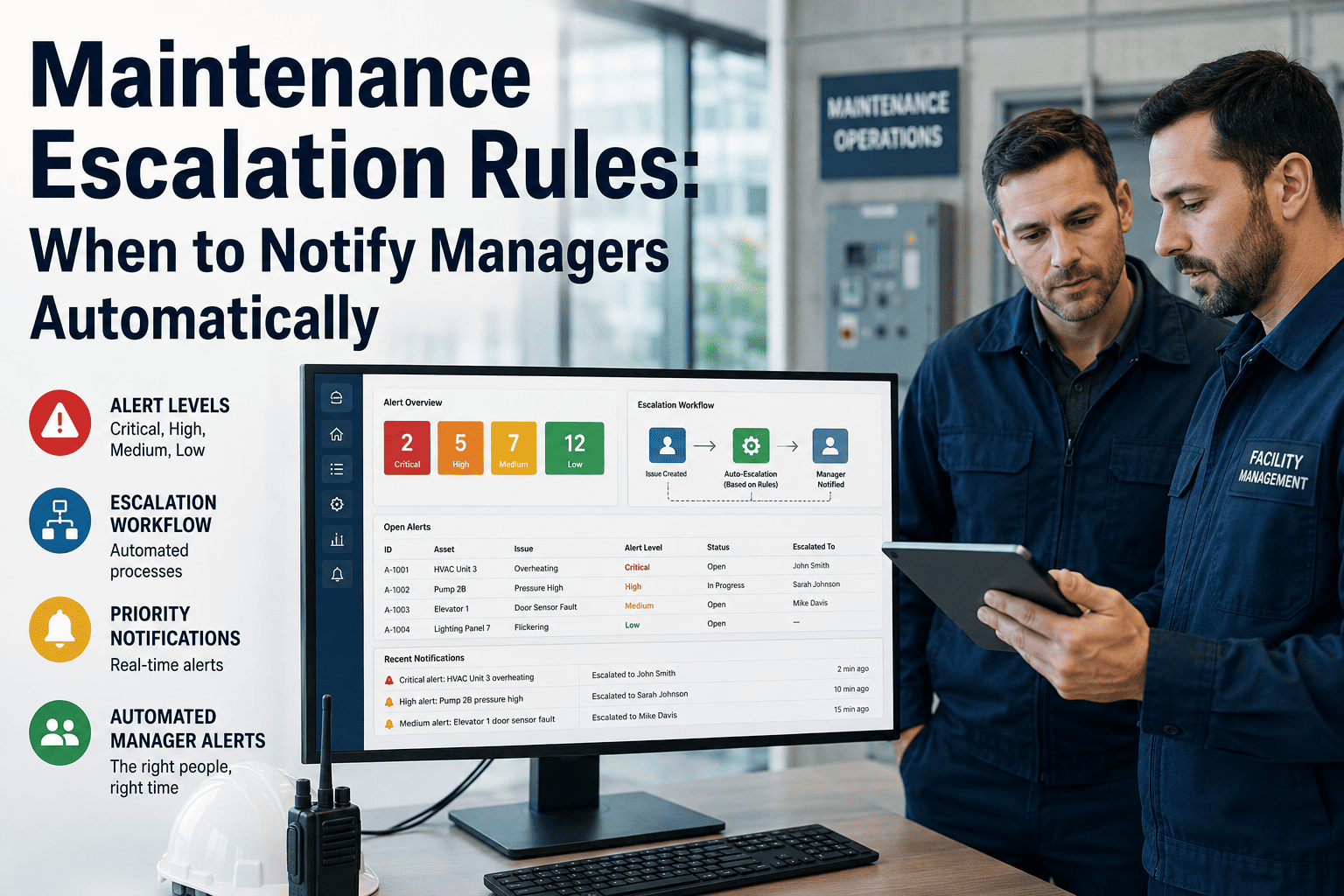
Escalation Rules Active Verify CMMS escalation rules are set for peak period SLAs. Test notification delivery to on-call contacts. Maintenance Manager 24 hrs before peak All escalations tested and confirmed active

Asset Risk Tiering: What Gets Priority During Peak

Not every asset deserves the same preparation attention. Risk-tier your assets before each peak run to focus effort where failure impact is highest.

Tier 1 — Production-Critical
Any asset whose failure stops or significantly reduces production output. These assets get daily health checks during peak and require a spare technician on standby for the first shift.
Full PM compliance before peak starts
Critical spare confirmed in-store
30-min SLA response window during run
All deferred maintenance risk-assessed
Tier 2 — Production-Supporting
Assets whose failure degrades production but doesn't stop it immediately — utilities, secondary lines, support systems. These require standard readiness checks but not standby coverage.
PM status checked for overdue items
Primary spare confirmed or sourced
2-hr SLA response window during run
Open WOs reviewed for urgency
Tier 3 — Non-Critical
Assets that can fail without stopping production — comfort systems, non-essential equipment, redundant units. These are deferred during peak where possible. No readiness action required unless flagged by asset history.
PMs deferred to post-peak window
Failures addressed next business day
24-hr response SLA applies
No standby resource allocated
OxMaint Maintenance Planning

Enter Every Peak Run With Your Maintenance Team Fully Prepared.

OxMaint gives maintenance planners a single view of PM status, open WOs, spare parts levels, and asset risk — so peak production readiness isn't a 3-hour spreadsheet exercise. It's a 20-minute review and a signed-off checklist.

Expert Review
"Every major unplanned outage during peak production that I've been called in to analyze had the same common factor: maintenance knew the asset was at risk before the run started, but nobody had a formal process to escalate that risk and either fix it before peak or accept it in writing. Production pressure overrides maintenance judgment informally all the time. The only protection against that is a documented readiness process with a written sign-off. When someone has to put their name on 'this Tier 1 asset has three open WOs and we're proceeding with peak production,' decisions get made very differently."

— Maintenance Planning Director, 20 years in process manufacturing and maintenance readiness programs

Frequently Asked Questions

How far in advance should peak production readiness preparation begin?
The practical minimum is 72 hours for the final readiness review and checklist completion. However, the real preparation begins 2 to 3 weeks out: that's when deferred maintenance on Tier 1 assets should be identified and scheduled, and when critical spare stock levels should be confirmed and re-ordered if needed. Parts lead times alone can be 5 to 10 days, meaning a 24-hour preparation window is already too late to address a stocking gap. OxMaint flags upcoming peak window conflicts automatically when production schedules are integrated.
What happens when a Tier 1 asset has an open corrective WO just before peak starts?
This is a decision point, not a crisis — but it requires a formal risk-acceptance conversation between the maintenance manager and production leadership. The options are: complete the repair before peak starts (preferred), accept the risk with documented contingency actions, or delay the start of the peak run. The worst outcome is none of these three — it's starting peak with an at-risk asset and no one knowing about it until failure occurs. Book a demo to see how OxMaint surfaces open WO conflicts against production calendars before they become emergencies.
Should PMs ever be performed on critical assets during a peak run?
Only if deferral creates a higher risk than the PM itself — which is rare and requires a formal risk assessment to determine. In general, the rule is to complete all planned PMs on critical assets before the peak window begins, and reschedule any that couldn't be completed rather than performing them during the run. Performing a PM on a running critical asset during peak introduces human-error risk and potential for maintenance-induced failures that are far more dangerous than a scheduled inspection that's been deferred by a week.


Share This Story, Choose Your Platform!