Maintenance cost reduction represents one of the most critical operational challenges facing industrial companies, with inefficient maintenance strategies costing an average of $100,000+ annually per facility. Industry data reveals that 68% of manufacturing companies still rely on reactive maintenance approaches that create budget overruns, excessive downtime, and emergency repair costs. Strategic maintenance cost reduction can decrease total maintenance expenses by 30%, reduce emergency repairs by 75%, and increase equipment reliability by 45% while ensuring operational safety and maximum asset utilization across diverse industrial environments.
Modern industrial operations depend on sophisticated maintenance programs operating under budget constraints, where even minor cost inefficiencies can escalate into significant financial burdens that impact profitability and competitive positioning. Maintenance cost optimization inefficiencies cascade throughout organizations, affecting operational budgets, equipment performance, and total cost of ownership across all asset categories.
The Hidden Crisis: Critical Cost Drivers in Industrial Maintenance Operations
Reactive Maintenance Costs
72% of maintenance budgets consumed by emergency repairs and unplanned downtime, with reactive approaches costing 3-5x more than preventive maintenance strategies.
Inventory Management Inefficiencies
Excess spare parts inventory averaging 35% of maintenance budgets while stockouts cause production delays costing $15,000+ per incident in lost productivity.
Labor Cost Optimization
Inefficient scheduling and resource allocation creating 40% labor cost premiums through overtime, contractor premiums, and productivity losses during maintenance activities.
Technology Integration Gaps
Manual processes and disconnected systems increasing administrative costs by 50% while reducing maintenance effectiveness and decision-making capabilities.
Energy and Utility Waste
Poor maintenance practices increasing energy consumption by 25% through equipment inefficiencies, calibration drift, and system optimization failures.
Compliance and Safety Costs
Regulatory violations and safety incidents from inadequate maintenance creating $50,000+ annual exposure through fines, insurance premiums, and liability costs.
The Financial Impact of Uncontrolled Maintenance Costs
Before implementing systematic cost reduction strategies, industrial maintenance operations experience significant inefficiencies that impact both operational performance and financial results:
- Budget overruns consuming 20-30% more than planned maintenance budgets due to reactive maintenance cycles and poor cost control
- Emergency repair premiums averaging 400% higher costs compared to planned maintenance for identical repair activities
- Inventory carrying costs reaching 25% of total spare parts value through obsolescence, excess stock, and poor turnover management
- Labor productivity losses of 35% through inefficient scheduling, travel time, and suboptimal resource allocation practices
- Energy waste representing 15% of facility utility costs through poorly maintained equipment and system inefficiencies
Foundation Elements: 30 Proven Maintenance Cost Reduction Strategies
Comprehensive maintenance cost reduction frameworks provide the systematic approach necessary for sustainable cost optimization, incorporating industry best practices, technology solutions, and strategic planning into unified cost management programs that deliver measurable financial results.
Strategic Planning and Asset Management (Strategies 1-6)
Strategic maintenance planning forms the foundation for systematic cost reduction through optimized resource allocation, improved decision-making, and data-driven maintenance strategies.
| Strategy | Cost Savings | Implementation Time | ROI Timeline |
|---|---|---|---|
| Asset Criticality Analysis | 15-20% | 2-3 months | 6 months |
| Preventive Maintenance Optimization | 25-30% | 3-4 months | 8 months |
| Condition-Based Maintenance | 20-25% | 4-6 months | 10 months |
| Reliability Centered Maintenance | 30-35% | 6-8 months | 12 months |
| Maintenance Strategy Alignment | 10-15% | 2-3 months | 4 months |
| Root Cause Analysis Programs | 20-25% | 3-4 months | 6 months |
Technology and Automation Implementation (Strategies 7-12)
CMMS Implementation and Optimization
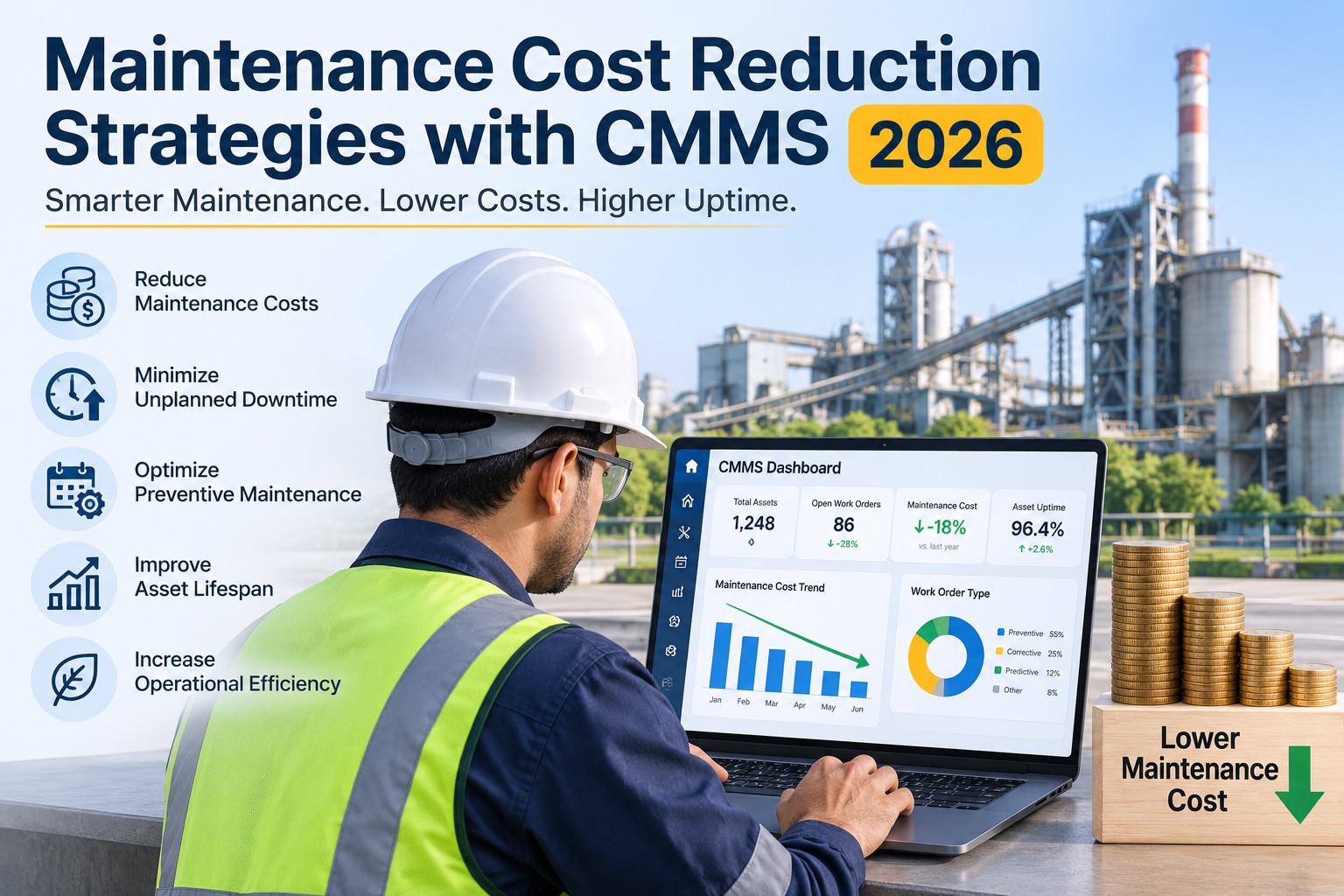
Computerized Maintenance Management Systems reducing administrative costs by 40% through automated scheduling, work order management, and comprehensive reporting capabilities.
Predictive Analytics Integration
Advanced analytics identifying cost optimization opportunities, predicting maintenance needs, and optimizing resource allocation based on historical and real-time data analysis.
Mobile Technology Deployment
Mobile maintenance solutions reducing documentation time by 50% while improving data accuracy and enabling real-time communication between maintenance teams.
IoT Sensor Networks
Internet of Things technologies providing continuous equipment monitoring and automated alert systems that prevent costly emergency repairs and optimize maintenance timing.
Inventory and Procurement Optimization (Strategies 13-18)
Strategic inventory management represents one of the highest-impact cost reduction opportunities, with Oxmaint optimization programs typically reducing total inventory costs by 30-40% while improving parts availability and reducing emergency procurement expenses.
ABC Analysis Implementation
Critical spare parts classification system optimizing inventory investments by focusing resources on high-value, critical components while reducing excess stock levels.
Vendor Consolidation Programs
Strategic supplier relationships reducing procurement costs through volume discounts, streamlined processes, and improved service level agreements.
Just-in-Time Inventory Systems
Optimized inventory levels reducing carrying costs while maintaining critical parts availability through demand forecasting and supplier integration.
Obsolescence Management
Systematic identification and disposal of obsolete inventory while implementing controls to prevent future obsolescence and optimize inventory turnover.
Labor and Resource Optimization Strategies (19-24)
Workforce Efficiency and Skill Development
Labor cost optimization through strategic workforce management delivers immediate cost savings while improving maintenance quality and operational efficiency across all maintenance activities.
| Labor Strategy | Cost Impact | Productivity Gain | Quality Improvement |
|---|---|---|---|
| Cross-Training Programs | 20% reduction | 35% increase | 25% improvement |
| Scheduling Optimization | 25% reduction | 40% increase | 20% improvement |
| Contractor Management | 30% reduction | 30% increase | 35% improvement |
| Skills Assessment | 15% reduction | 25% increase | 30% improvement |
| Performance Incentives | 18% reduction | 45% increase | 28% improvement |
| Outsourcing Strategy | 35% reduction | 20% increase | 40% improvement |
Energy and Operational Efficiency Initiatives (Strategies 25-30)
Sustainable Cost Reduction Through Efficiency
Energy and operational efficiency programs provide ongoing cost reductions that compound annually while supporting sustainability objectives and regulatory compliance requirements.
Energy-Efficient Equipment Upgrades
Strategic equipment modernization reducing energy consumption by 20-30% while improving reliability and reducing maintenance requirements for long-term cost savings.
Lubrication Program Optimization
Systematic lubrication management extending equipment life by 40% while reducing friction-related failures and energy consumption across all rotating equipment.
Vibration Analysis Programs
Predictive maintenance techniques identifying developing problems early, preventing catastrophic failures, and optimizing equipment performance through precision maintenance.
Process Optimization Integration
Maintenance activities coordinated with production schedules to minimize disruption while maximizing equipment availability and operational efficiency.
Advanced Analytics and Performance Monitoring
Data-Driven Cost Optimization
Maintenance cost analytics transform operational data into actionable insights that enable continuous improvement, budget optimization, and strategic decision-making across all maintenance activities, and resource allocation decisions.
Real-Time Cost Dashboards
Executive and operational dashboards providing immediate visibility into maintenance costs, budget performance, and optimization opportunities across all cost categories.
Predictive Cost Modeling
Advanced analytics forecasting maintenance costs based on equipment condition, operational patterns, and historical data to optimize budget planning and resource allocation.
Benchmarking and KPI Tracking
Comprehensive performance measurement systems comparing costs against industry standards and identifying improvement opportunities through data-driven analysis.
ROI Analysis and Reporting
Detailed return on investment analysis for all cost reduction initiatives with comprehensive reporting capabilities that demonstrate financial impact and guide future investments.
Implementation Methodology and Change Management
Systematic Deployment for Maximum Impact
Successful cost reduction implementation requires systematic deployment approaches that minimize operational disruption while maximizing financial impact through strategic planning, change management and continuous optimization across all organizational levels.
Phase 1: Assessment and Planning
Comprehensive cost analysis, benchmark establishment, strategy development, and implementation roadmap creation based on specific operational requirements and improvement opportunities.
Phase 2: Foundation Building
System implementation, process standardization, training program deployment, and change management support to establish sustainable cost reduction capabilities.
Phase 3: Optimization and Scaling
Performance monitoring, continuous improvement, advanced analytics deployment, and strategy refinement to maximize cost reduction impact and sustainability.
Phase 4: Continuous Excellence
Ongoing optimization, performance monitoring, strategy evolution, and capability enhancement to maintain competitive advantage and sustained cost reduction benefits.
Change Management and Cultural Transformation
Cost reduction sustainability depends heavily on organizational adoption and cultural transformation, requiring comprehensive change management programs that align incentives and behaviors with cost optimization objectives.
- Leadership engagement and sponsorship ensuring consistent support and resource allocation for cost reduction initiatives across all organizational levels
- Performance metrics alignment with individual and team objectives that reward cost optimization behaviors and sustainable improvement practices
- Training and skill development programs building capabilities necessary for advanced maintenance practices and technology utilization
- Communication and feedback systems providing regular updates on progress, achievements, and improvement opportunities to maintain momentum
- Recognition and reward programs celebrating cost reduction achievements and encouraging continued innovation and improvement efforts
ROI and Financial Impact Analysis
Quantifiable Financial Benefits and Payback
Comprehensive maintenance cost reduction delivers measurable financial returns through multiple value streams that extend beyond direct cost savings to encompass operational efficiency, equipment reliability, and competitive advantage benefits.
Long-Term Value Creation and Competitive Advantages
Strategic maintenance cost reduction creates sustainable competitive advantages through improved operational efficiency, enhanced equipment reliability, and optimized resource utilization that support long-term business growth and profitability.
- Improved cash flow predictability through controlled maintenance budgets and reduced emergency repair expenses that enable better financial planning
- Enhanced equipment reliability supporting increased production capacity and improved customer service levels through reduced downtime
- Reduced insurance premiums through documented safety programs and improved risk management practices that demonstrate operational excellence
- Increased facility asset values through systematic maintenance documentation and proven reliability performance that supports facility valuations
- Better regulatory compliance through systematic maintenance programs that reduce violation risks and support environmental sustainability objectives
Technology Integration and Future Innovations
The maintenance cost reduction landscape continues evolving with emerging technologies that promise enhanced optimization capabilities, automated cost management, and predictive analytics that will further improve financial performance and operational efficiency.
Artificial Intelligence Cost Optimization
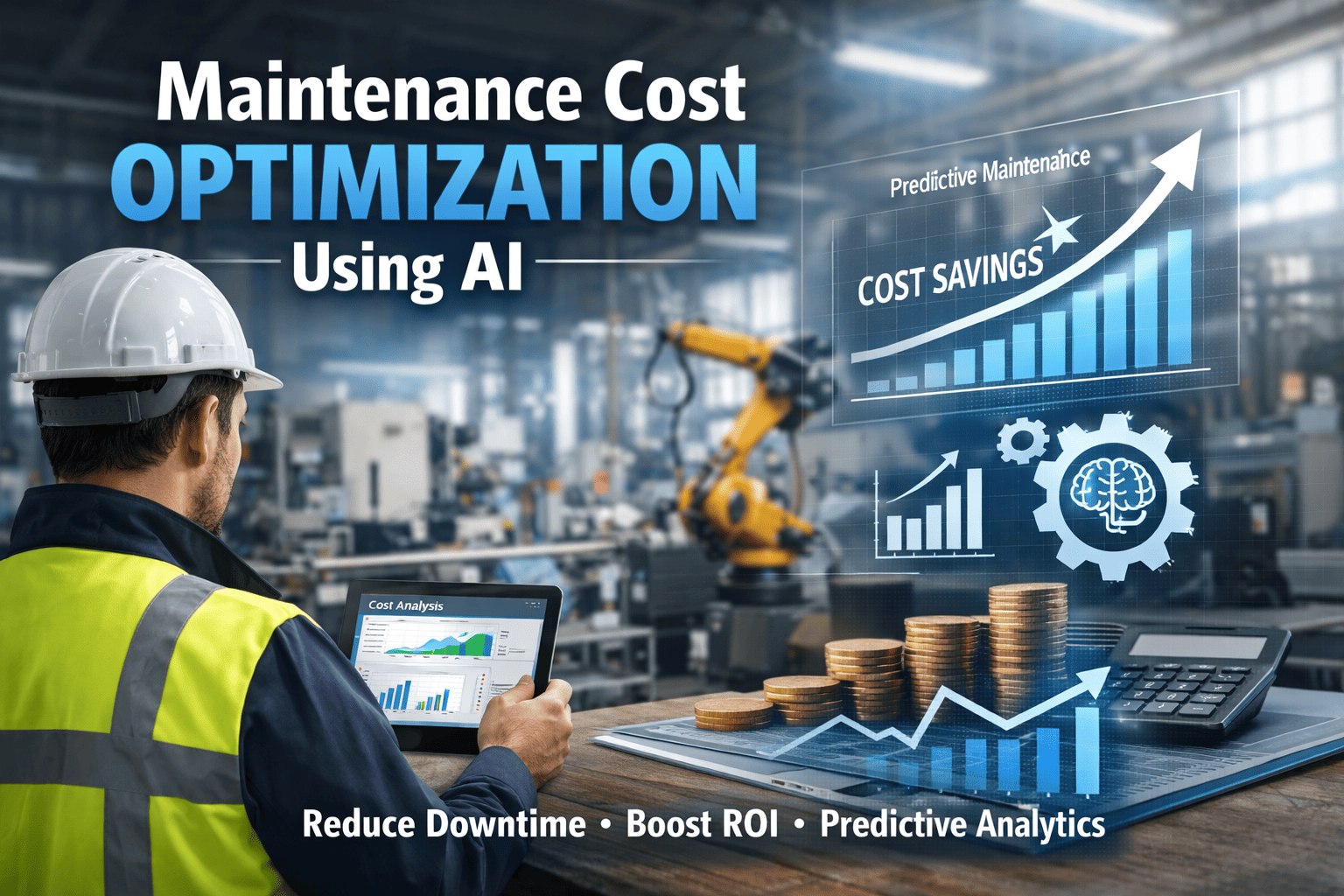
AI-driven algorithms providing automated cost optimization recommendations, resource allocation decisions, and predictive budget planning based on complex operational data analysis.
Machine Learning Predictive Analytics
Advanced machine learning systems improving cost prediction accuracy, optimization strategy development, and resource planning through pattern recognition and trend analysis.
Blockchain Supply Chain Integration
Blockchain technologies enabling transparent cost tracking, automated vendor payments, and verified performance metrics that reduce administrative costs and improve accountability.
Digital Twin Cost Modeling
Digital twin technologies providing accurate cost modeling, scenario analysis, and optimization planning through virtual equipment and process simulation capabilities.