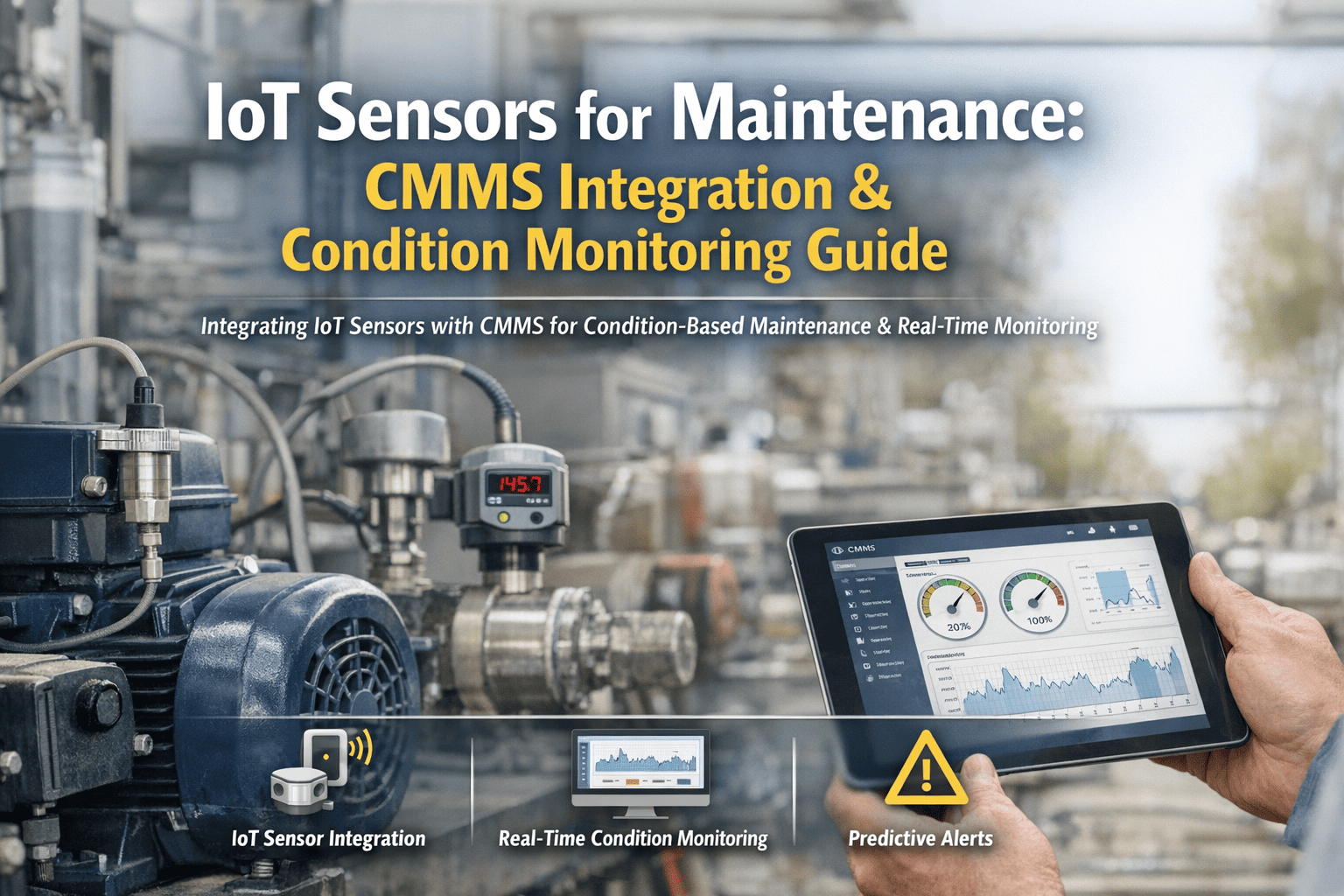
Best Vibration Analysis for Predictive Maintenance: Sensors, Spectrum & CMMS Trending
It's 2:00 AM on a Wednesday. A critical cooling pump at your chemical processing plant suddenly seizes. The impellers shatter, the mechanical seal blows, and hazardous fluid floods the containment area. The entire production line shuts down. The emergency repair takes 36 hours, costs $85,000 in expedited parts, and results in $240,000 of lost production. When the forensic analysis is done, the maintenance manager reviews the pump's history. Two weeks ago, an operator noted the pump sounded "a bit loud." This is what happens when maintenance runs on human senses and reactive schedules.
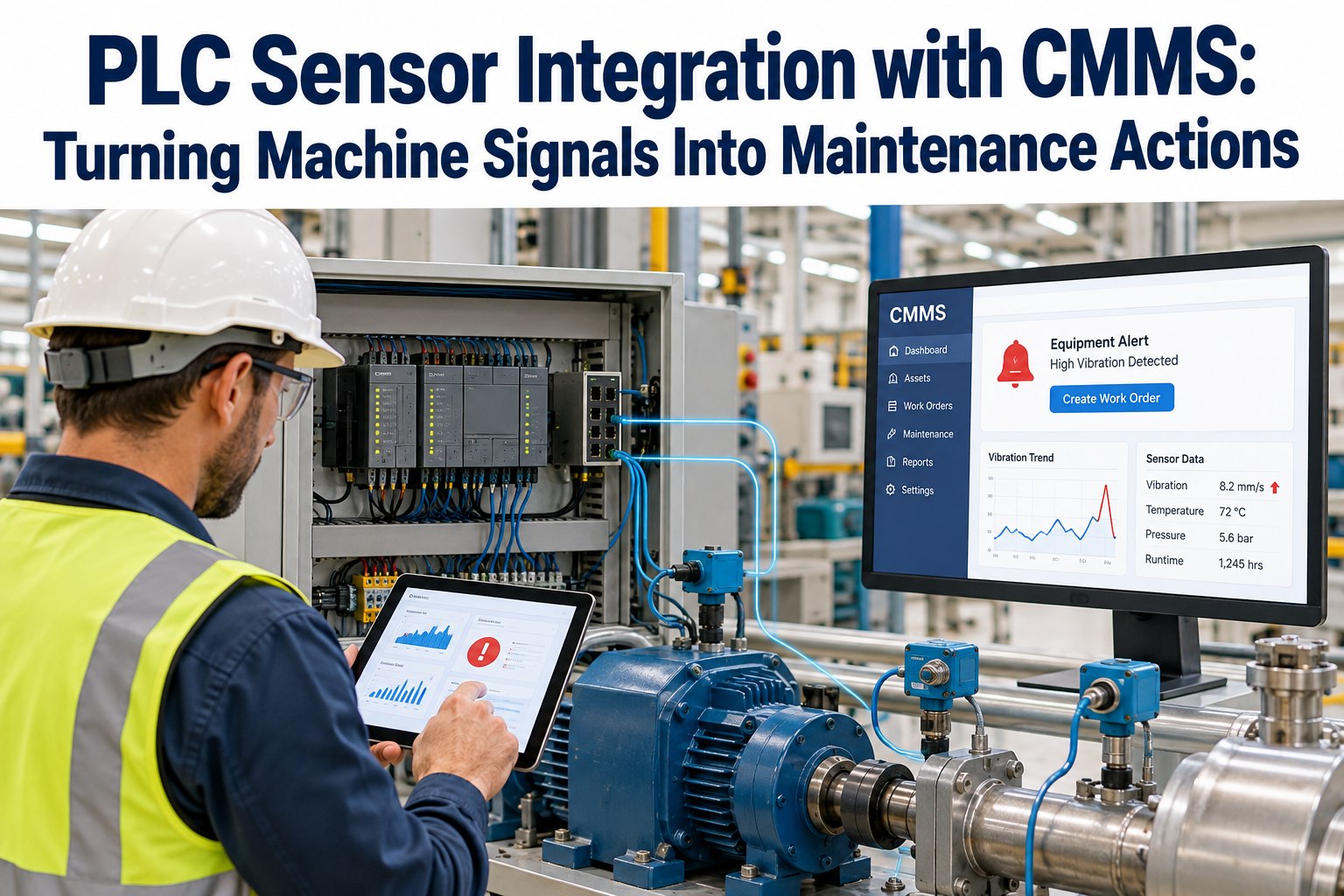
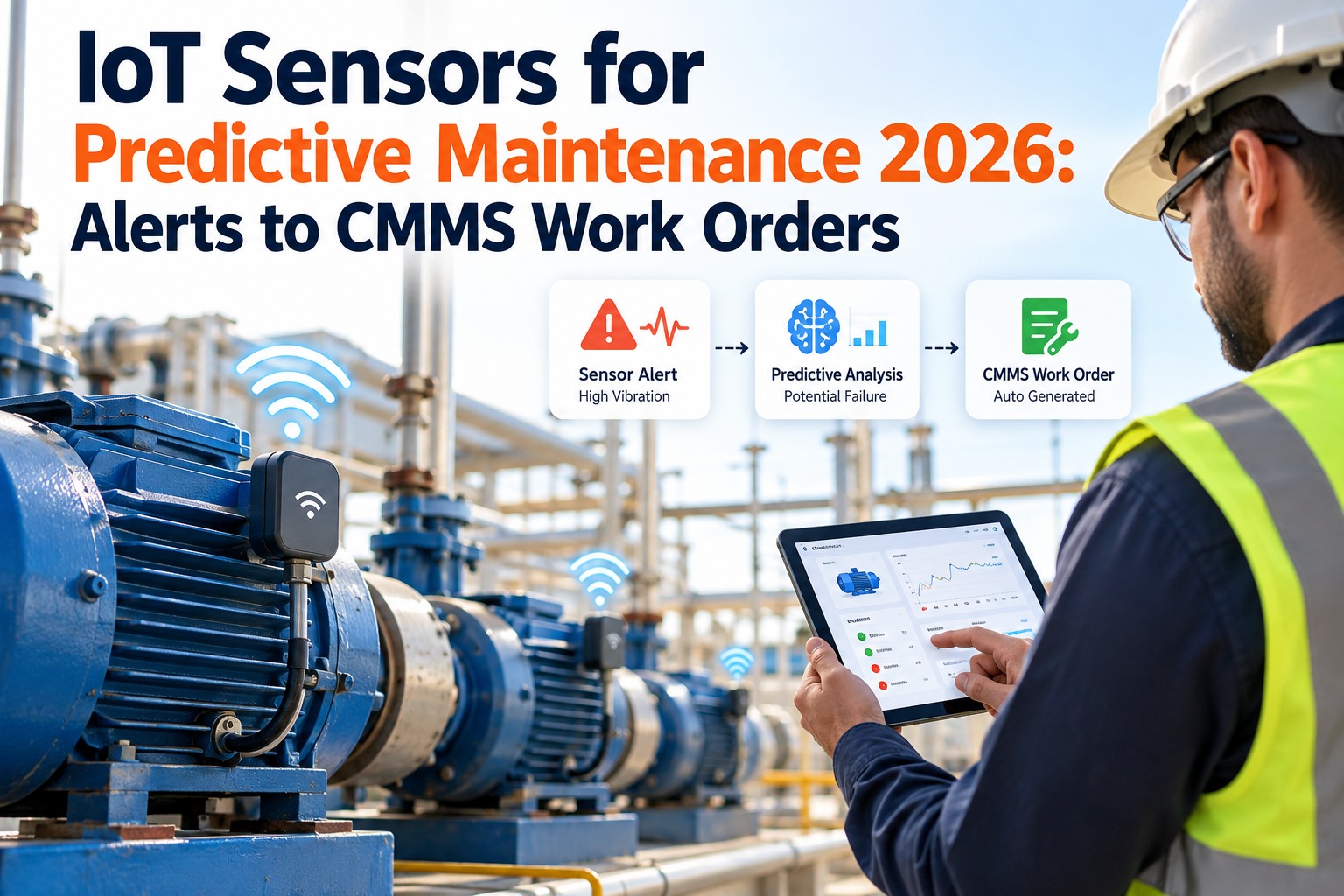
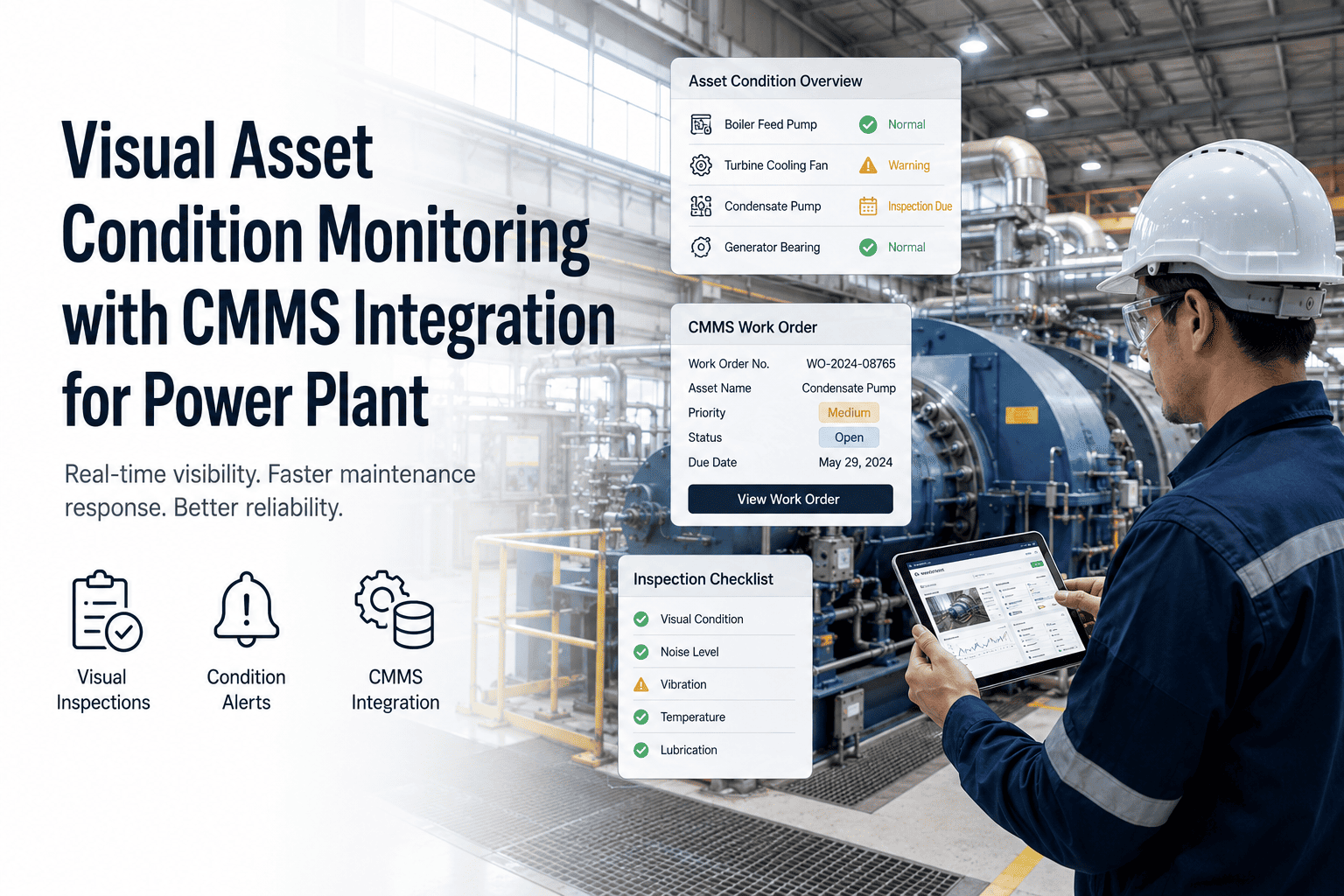
Smart maintenance teams in 2026 are deploying an entirely different model: Predictive Maintenance driven by continuous Vibration Analysis. Wireless sensors mounted directly on rotating equipment capture high-frequency vibration data 24/7. AI algorithms analyze the frequency spectrum, identifying the specific micro-vibrations associated with bearing wear, misalignment, or unbalance months before a human could ever hear a difference. When paired with a CMMS like Oxmaint, this raw spectral data doesn't just sit on a server—it automatically triggers work orders, trends degradation over time, and fundamentally transforms maintenance from reactive firefighting to precision forecasting. Start Free Trial.
Predictive Maintenance 2026
Best Vibration Analysis for Predictive Maintenance: Sensors, Spectrum & CMMS Trending
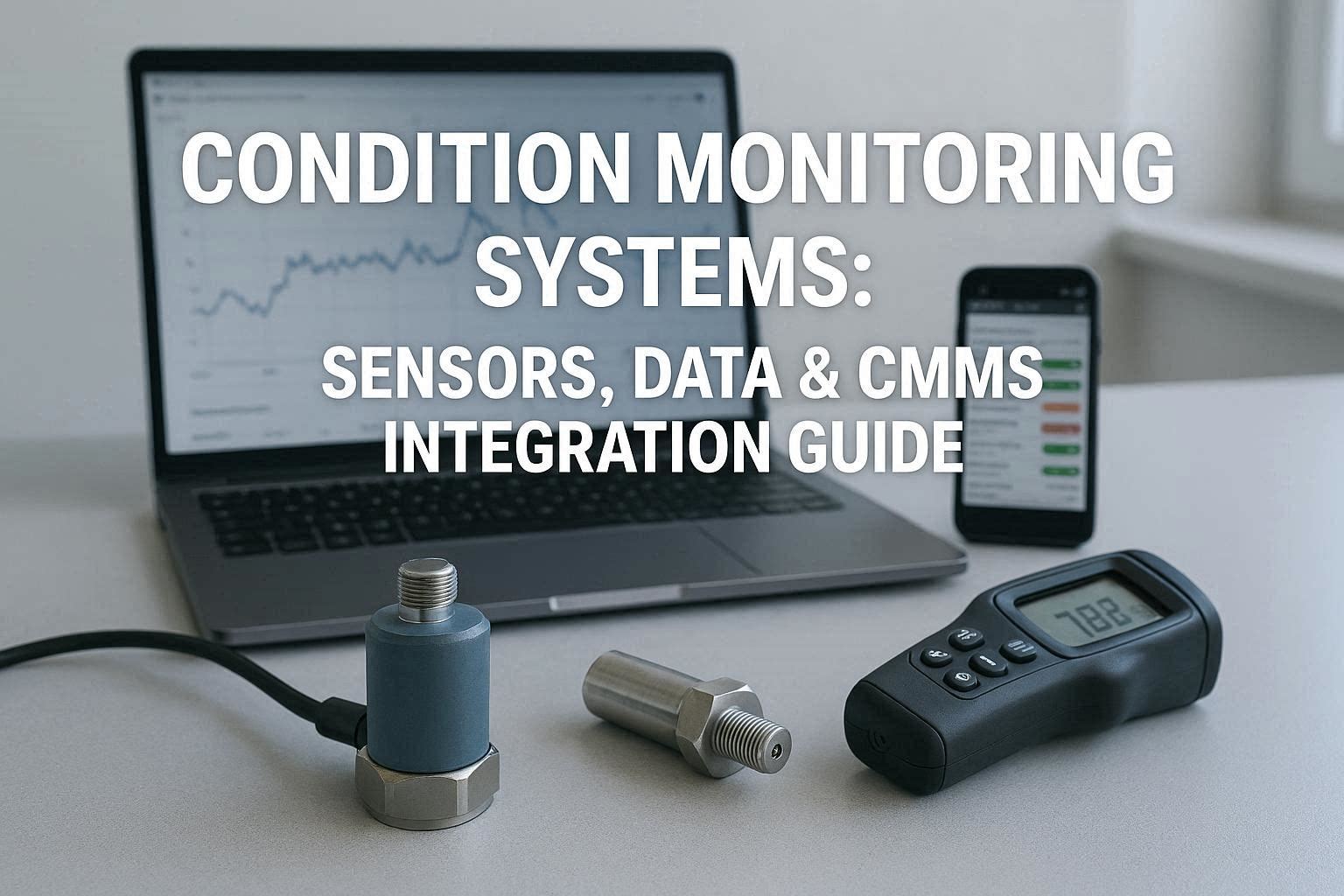
Master vibration analysis for rotating equipment. Deploy smart sensors, understand frequency spectrums, and integrate severity trending directly into your CMMS to eliminate unplanned downtime.
Real-time visibility into the health of every rotating asset
The Blind Spot in Time-Based Maintenance
Traditional preventive maintenance relies on time-based schedules (e.g., replacing a bearing every 12 months) or run-hour thresholds. This approach is fundamentally flawed for rotating equipment. According to reliability engineering studies, only 11% of machine failures are age-related; the remaining 89% occur randomly based on operational stress, installation errors, or latent defects. Replacing a perfectly healthy bearing wastes money, while waiting for the 12-month mark to replace a rapidly degrading one invites disaster.
Anatomy of a Vibration-Triggered Workflow
How continuous monitoring transforms a potential failure into a scheduled task
Sensor Alert
High-Frequency Harmonic Detected
Phase 1 — Detection
Continuous FFT Processing
A wireless triaxial accelerometer identifies an emerging peak at the exact fault frequency corresponding to the motor's outer bearing race.
Phase 2 — AI Analysis
Severity Assessment & Trending
Cloud-based AI compares the new vibration signature against historical baselines and ISO 10816 severity standards, determining the degradation rate.
Phase 3 — Integration
CMMS Auto-Work Order
The vibration platform pushes an alert via API to Oxmaint, which automatically generates a high-priority inspection work order, attaching the spectral data.
Phase 4 — Resolution
Scheduled Intervention
Maintenance replaces the bearing during the next planned downtime window, requiring 2 hours of labor instead of a 36-hour emergency overhaul.
Vibration analysis gives you visibility into the earliest stages of equipment degradation—long before the equipment becomes hot, long before it becomes audibly loud, and long before it begins to smoke. By understanding the frequency spectrum, you can determine not just *that* something is failing, but exactly *what* is failing (bearing, coupling, gear tooth, etc.).
Core Principles of Vibration Analysis
To successfully implement vibration analysis, maintenance teams must understand the hardware required, how to interpret the data, and how to define acceptable severity thresholds. This interconnected ecosystem ensures that data translates into actionable intelligence within your CMMS.
The Vibration Analysis Ecosystem
Essential components for predicting rotating equipment failure
01
Sensor Selection
Choosing between piezoelectric accelerometers (high-frequency) or MEMS sensors (cost-effective) based on the asset's criticality and required frequency range.
Hardware
02
Mounting Methods
Permanent stud mounting provides the best high-frequency response, while magnetic mounts are suitable for route-based data collection.
Installation
03
Spectrum Analysis (FFT)
Fast Fourier Transform converts raw time-waveform data into a frequency spectrum, allowing analysts to pinpoint faults like unbalance (1x RPM) or misalignment (2x RPM).
Data Science
04
Severity Scales
Utilizing standards like ISO 10816 to establish strict alarm thresholds (Warning/Critical) based on overall vibration velocity (mm/s or in/s).
Standards
05
Trend Tracking
Monitoring the rate of vibration increase over time. A slow, steady rise indicates normal wear, while an exponential spike signals imminent failure.
Analytics
⚙
CMMS Integration
Routing severity alarms directly into Oxmaint to automatically trigger prioritized work orders, ensuring data leads to execution.
Execution
Route-Based vs. Continuous Monitoring
How you collect vibration data dictates how quickly you can respond to failures. Route-based collection is sufficient for non-critical assets, but continuous wireless monitoring is the gold standard for your most essential production equipment. Schedule a demo to see how Oxmaint integrates continuous monitoring data.
Vibration Data Collection Strategies
Feature
Route-Based (Manual)
Wired Continuous
Wireless IoT Continuous
Data Frequency
Monthly/Quarterly
Real-Time (Millisecond)
Every few minutes/hours
Installation Cost
Low (Handheld device)
Very High (Conduit/Wiring)
Moderate (Battery-powered)
Labor Requirement
High (Technician time)
Low
Low
Safety Risk
High (Near running machinery)
None
None
Best Fit For
Balance of Plant / Non-Critical
Hyper-Critical Turbines/Generators
Tier 1 & Tier 2 Critical Assets
90%Less labor required for IoT data collection
24/7Visibility on critical assets
ZeroMissed failure signatures between routes
Automate Your Condition Monitoring
See how Oxmaint ingests vibration data, identifies severity thresholds, and automates work order creation, ensuring your team fixes the right machine at exactly the right time.
For plant managers, the financial justification for vibration monitoring is often the easiest business case to make. The cost of a few wireless sensors and an Oxmaint CMMS subscription is negligible compared to the cost of a single day of unplanned downtime.
Annual Predictive Maintenance ROI
Based on a facility with 50 critical rotating assets
Unplanned Downtime
Eliminating catastrophic failures during production
$450K Reactive
$112K Predictive
$338,000
Expedited Parts & Labor
Avoiding rush shipping and overtime rates
$120K Reactive
$48K Planned
$72,000
Secondary Equipment Damage
Stopping a bad bearing before it destroys the shaft
$85K Collateral
$12K Prevented
$73,000
PM Labor Optimization
Eliminating unnecessary time-based teardowns
$90K Calendar-Based
$40K Condition-Based
$50,000
Total Annual Savings
$533,000+
Typical payback period: Under 6 months
Implementation Roadmap: Building a Predictive Program
Implementing a successful vibration analysis program isn't just about sticking sensors on machines. It requires a systematic approach to asset criticality, baseline establishment, and most importantly, integrating the data streams directly into your work execution platform.
Vibration Monitoring Implementation Roadmap
Steps to deploy predictive maintenance across your facility
01
Asset Criticality Analysis
Rank all rotating equipment by production impact and repair cost to prioritize sensor deployment.
02
Sensor Installation
Mount wireless triaxial sensors rigidly to bearing housings on prioritized assets.
03
Establish Baselines
Collect 2-4 weeks of data to determine the "normal" vibration signature for each machine.
04
Set Alarm Limits
Configure overall velocity thresholds based on ISO guidelines and specific machine history.
05
CMMS Integration
Connect the sensor platform API to Oxmaint to trigger automated work orders upon alarm breaches.
06
Execute & Refine
Perform scheduled repairs based on CMMS data, verify success via post-repair vibration checks.
Expert Perspective: The Value of Connected Data
"
The biggest mistake I see facilities make is buying expensive vibration sensors and leaving the data isolated in a proprietary dashboard that only the reliability engineer looks at. Predictive maintenance fails if it doesn't result in timely maintenance execution. The magic happens when you bridge the gap—when an abnormal 1x RPM harmonic automatically generates a 'Check for Unbalance' work order in the CMMS, assigning it to a technician before the shift even starts. That is how you eliminate downtime.
— Lead Reliability Engineer, Fortune 500 Manufacturer
Avoid 'Analysis Paralysis'
Don't wait for a Category IV vibration analyst to interpret every spectrum. Use smart sensors with edge AI to provide simple 'Health Scores' that your CMMS can easily parse.
Mounting Matters
A $10,000 sensor mounted poorly is worthless. For high-frequency bearing faults, sensors must be stud-mounted or rigidly adhered directly to the load-bearing zone.
Close the Loop
Always take a vibration reading immediately after a repair. This validates the fix and establishes a fresh baseline in your CMMS for future trending.
Facilities that master vibration analysis and CMMS integration don't just fix machines faster; they fix them less often. By understanding the root causes embedded in the frequency spectrum, they can upgrade components, improve alignment tolerances, and build a culture of true precision maintenance. Schedule a consultation to start your predictive journey.
Transform Your Reliability Strategy with Oxmaint
Join top-tier manufacturing and industrial facilities using Oxmaint to ingest vibration data, automate severity alerts, and execute predictive maintenance flawlessly.
What is the difference between Time Waveform and Frequency Spectrum (FFT)?
A time waveform shows vibration amplitude over time (like an EKG). While useful for seeing impacts or general severity, it's chaotic. A Fast Fourier Transform (FFT) converts this chaotic waveform into a frequency spectrum, separating the complex signal into individual frequencies. This allows analysts to pinpoint exact faults—for instance, high vibration at exactly 1x the running speed indicates unbalance, while high vibration at the specific ball-pass frequency of the bearing indicates a defect on the race.
What is the P-F Interval, and why does vibration analysis matter?
The P-F Interval is the time between a Potential failure (P) being detectable and Functional failure (F) occurring. Heat, noise, and smoke are very late indicators, giving you perhaps hours or days to react. Vibration changes are early indicators. High-frequency vibration analysis can detect sub-surface bearing defects months before audible noise occurs, giving your CMMS ample time to order parts and schedule the repair during planned downtime.
How do I connect wireless vibration sensors to my CMMS?
Most modern wireless vibration sensors transmit data to a cloud gateway via Wi-Fi, Cellular, or Bluetooth. The sensor's software platform analyzes the data and provides health statuses or severity alarms. A modern CMMS like Oxmaint integrates with these platforms via open APIs. You configure rules (e.g., "If Motor 12 Vibration Velocity exceeds 0.3 in/s, create High Priority Work Order"), automating the response process entirely.
What rotating equipment should I monitor first?
Start with a Criticality Analysis. Don't monitor every small exhaust fan immediately. Focus on "Tier 1" assets: equipment that will halt production immediately if it fails, equipment with long lead times for replacement parts, or assets that present significant safety/environmental hazards upon failure (e.g., primary cooling pumps, large extruder motors, main blower fans).
Can vibration analysis detect lubrication issues?
Yes. While severe vibration points to structural issues, high-frequency "noise" in the acceleration spectrum (often called the 'carpet' or 'haystack') is a classic signature of inadequate lubrication. Metal-to-metal contact generates these high frequencies. By monitoring this trend in your CMMS, you can transition from time-based greasing (which often leads to over-lubrication) to condition-based greasing, applying lubricant only when the friction signature begins to rise.