Every fleet has a defect report form. Very few fleets have what FMCSA 396.11 actually asks for: a written record proving a driver inspected a specific vehicle, found a specific defect, and that the defect was fixed and certified before the truck went back on the road. That gap between filling out paperwork and holding an audit-proof record is where most vehicle defect report programs quietly fail. Sign up to start capturing defect reports digitally, with the audit trail already built in.
What FMCSA 396.11 Requires
A vehicle defect report, or DVIR, is the driver's written record that a vehicle either has no defects or has a specific defect that could affect safety or cause a breakdown. Under FMCSA 396.11, the carrier must certify every reported defect was repaired, or wasn't safety-critical, before the vehicle is dispatched again.
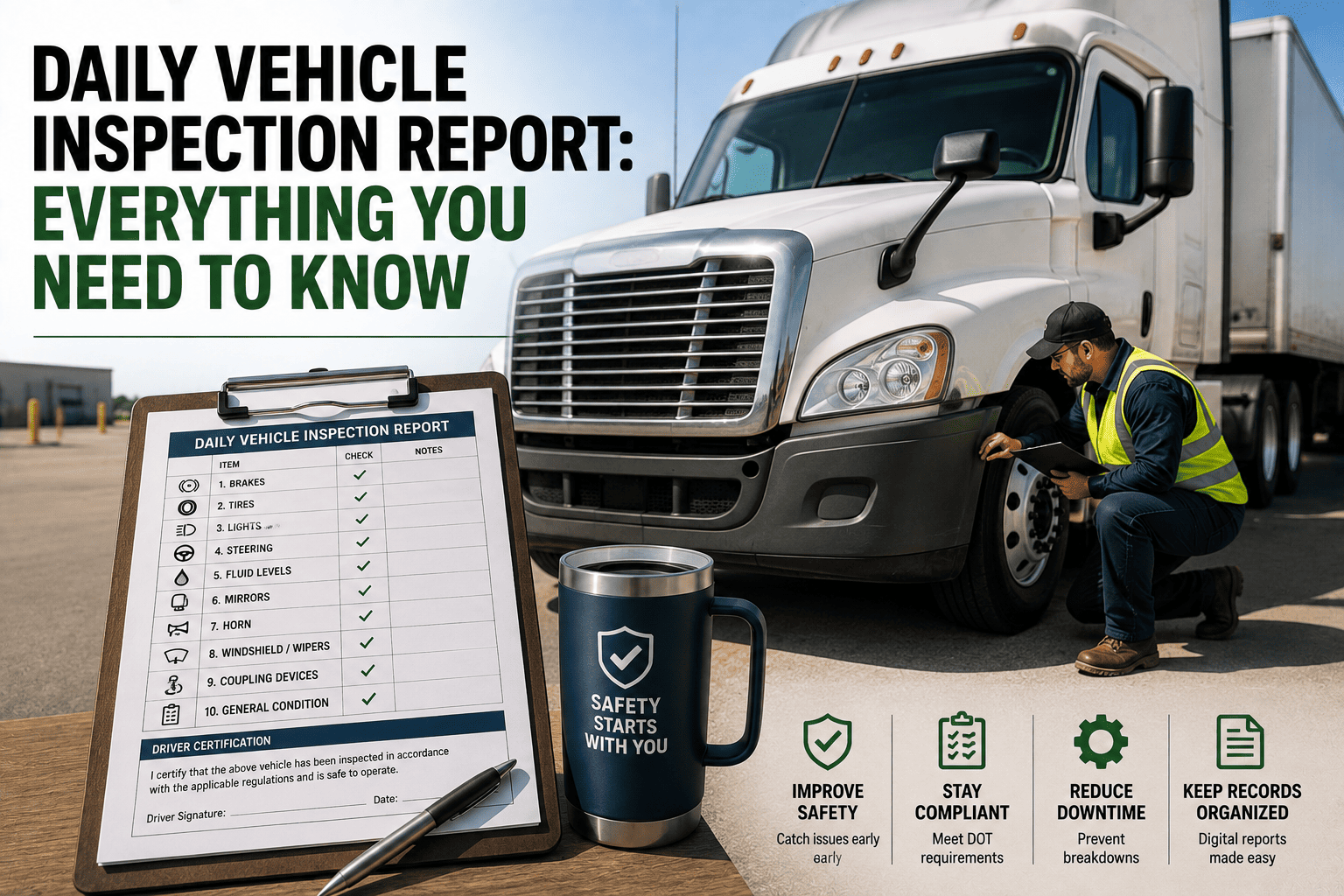
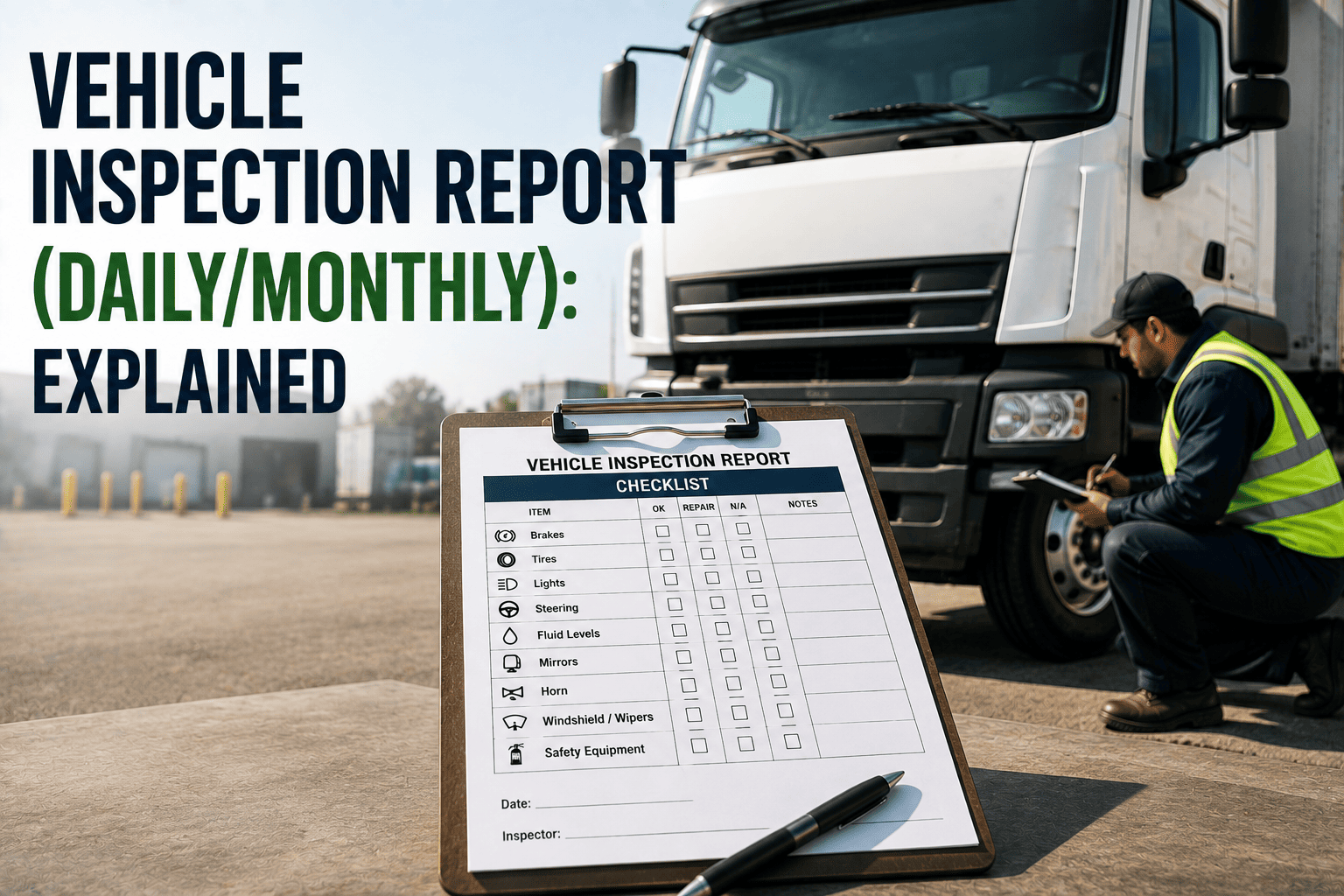
The Systems Every Vehicle Defect Report Checklist Must Cover
| System |
What The Driver Checks |
| Brakes |
Response, air pressure buildup, and any visible wear on lines or chambers |
| Steering |
Excess play, unusual noise, and fluid leaks around the steering box |
| Lighting And Reflectors |
Every lamp and reflector required for the vehicle's class, working and unobstructed |
| Tires And Wheels |
Tread depth, sidewall damage, and lug nuts seated and undamaged |
| Coupling Devices |
Fifth wheel, pintle hook, and safety chains secured with no visible cracks |
What A Digital Vehicle Defect Report Adds
Photo Evidence On Every Fail
A picture attached at the point of inspection removes any doubt about the defect's actual condition when it was found
E-Signature At Certification
Driver, mechanic, and carrier certification are captured digitally, satisfying the 396.11 sign-off requirement
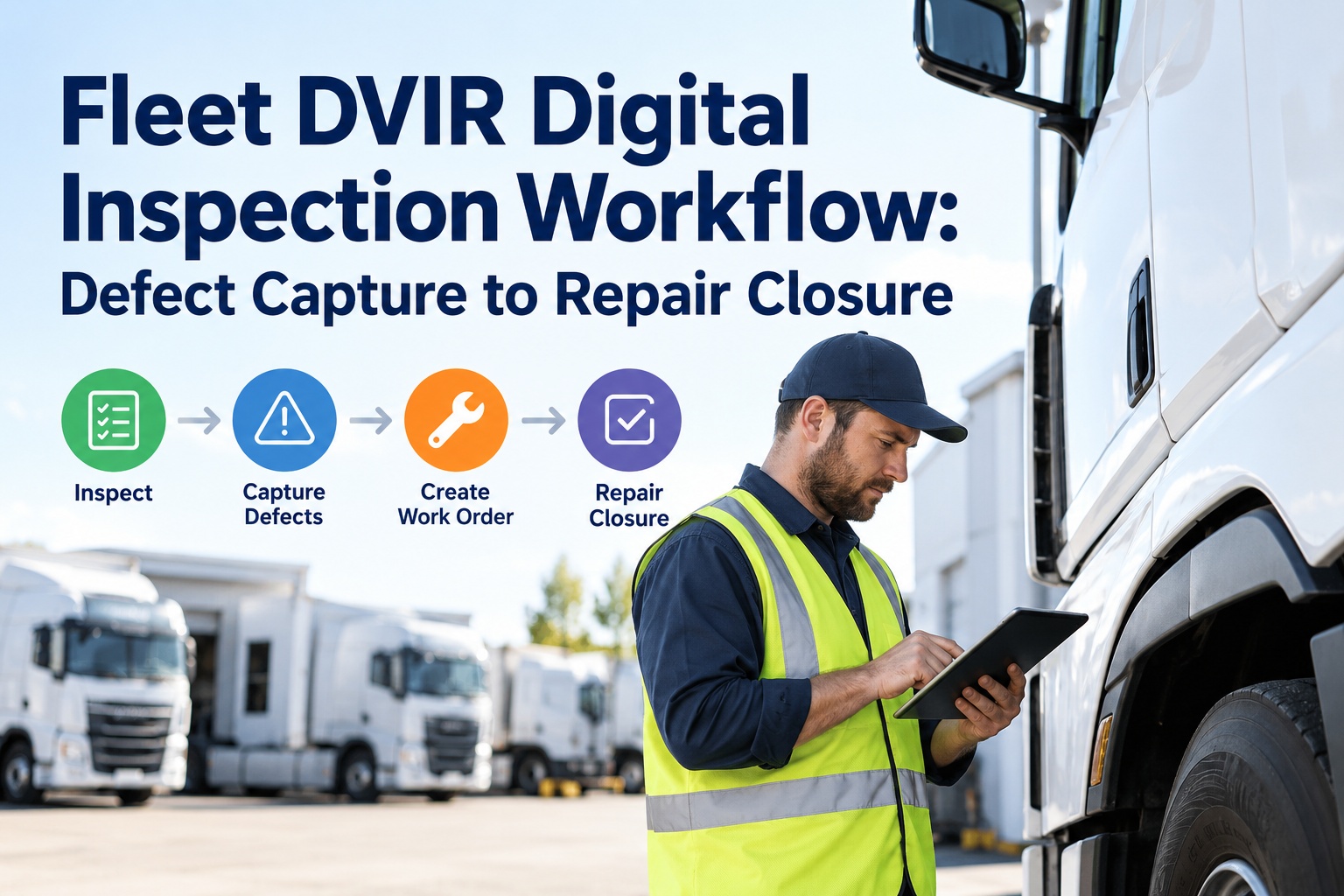
Auto-Generated Work Order
A failed item routes straight to maintenance as a work order tied to that vehicle, not a note that gets lost
Audit Trail Linked To The Asset
Every report, photo, and repair record lives on the vehicle's history, ready to pull on demand
Stop Reconstructing Records Before Every Audit
OxMaint captures every vehicle defect report digitally, with mandatory safety checks on high-risk work orders, photo evidence, e-signatures, and inspection records linked directly to the asset. Sign up for a free trial to start building 396.11-ready records, or book a demo to see the compliance workflow in action.
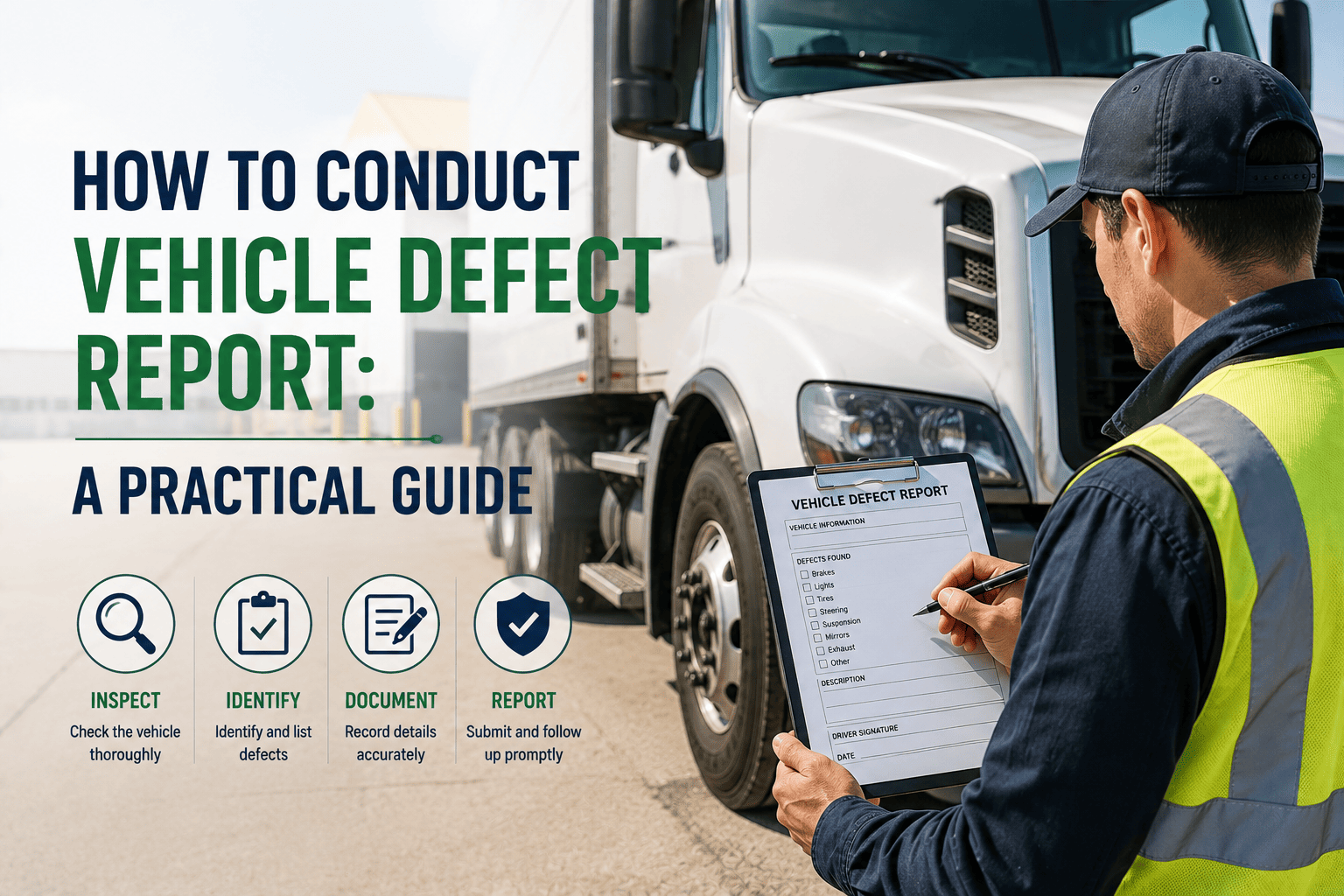
How To Conduct A Vehicle Defect Report In 4 Steps
1
Walk Around Against The Checklist
The driver checks every required system before the trip and marks each one a clear pass or fail
2
Photograph And Submit Any Failed Item
A failed item gets a photo and a note before the report is submitted, so nothing is described from memory later
3
Defect Routes To A Corrective-Action Work Order
The report auto-generates a work order for the maintenance team, tied to the specific vehicle and date
4
Carrier Certifies The Repair Before Redispatch
An e-signature confirms the defect was fixed or wasn't safety-critical, completing the record 396.11 requires
What Auditors Actually Check
An auditor doesn't just want a blank DVIR pad. They want proof that a specific defect was reported, routed to a corrective-action work order, repaired, and certified, with records retained for the required period. Paper forms can show a box was checked; they rarely prove what happened next.
Frequently Asked Questions
Q
Is a vehicle defect report needed if no defects are found?
Yes. FMCSA 396.11 requires a written report at the end of every trip stating either the defects found or that none exist, so a clean vehicle still needs a signed record.
Q
How long must defect reports be kept?
Carriers must keep the report and the certification of repair on file for at least three months, though many teams retain records longer for insurance and audit purposes.
Q
Who needs to review the report before the next trip?
The next driver assigned to the vehicle must review the prior defect report and sign to confirm they've seen it, before the vehicle is operated again.
Build A Vehicle Defect Report Program That Holds Up Under Audit
OxMaint operationalizes 396.11 compliance with mandatory safety checks, digital LOTO and permit workflows, photo evidence, e-signatures, and inspection records linked to every asset. Sign up for a free trial to start building defensible records today, or book a demo to see the full compliance workflow.