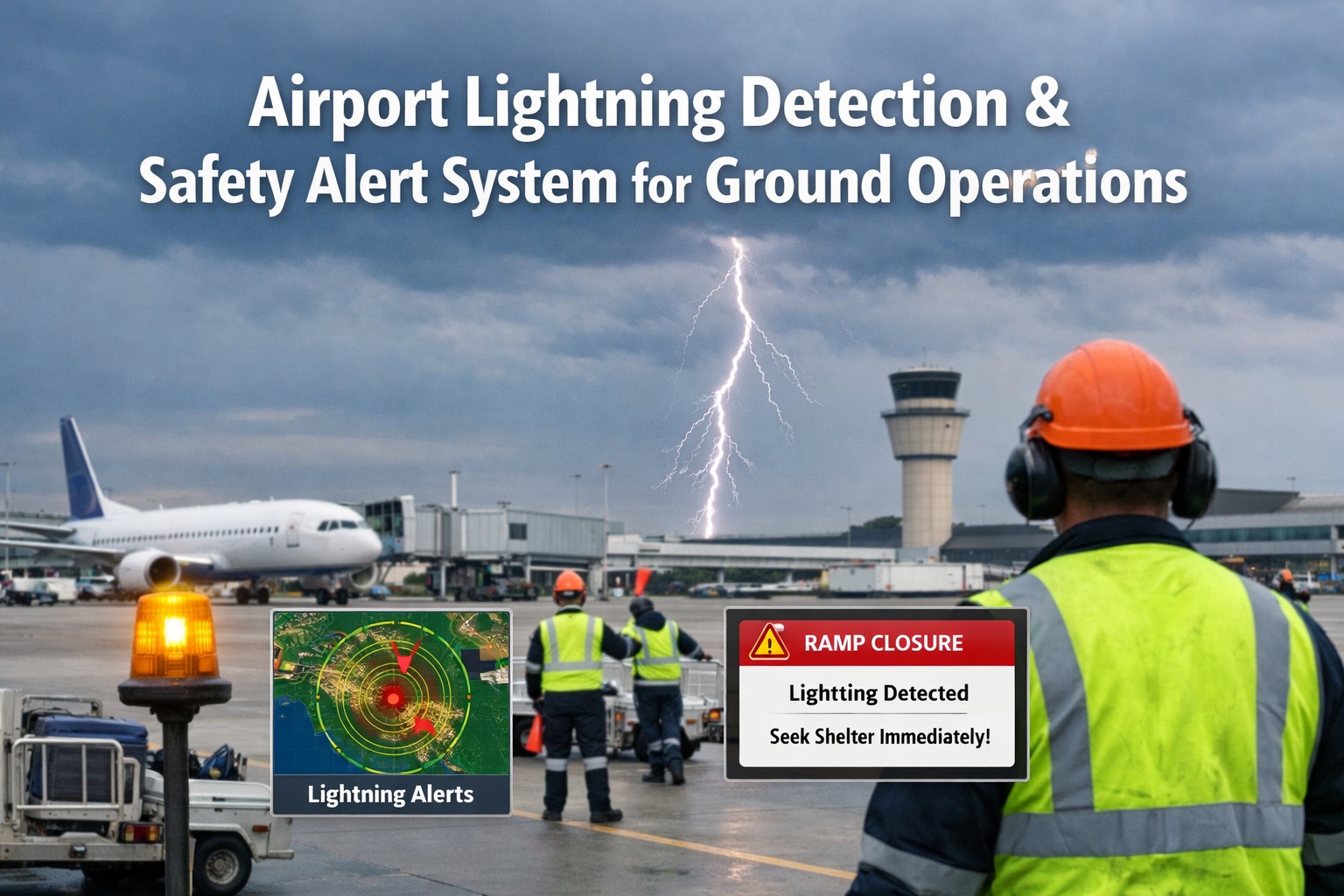
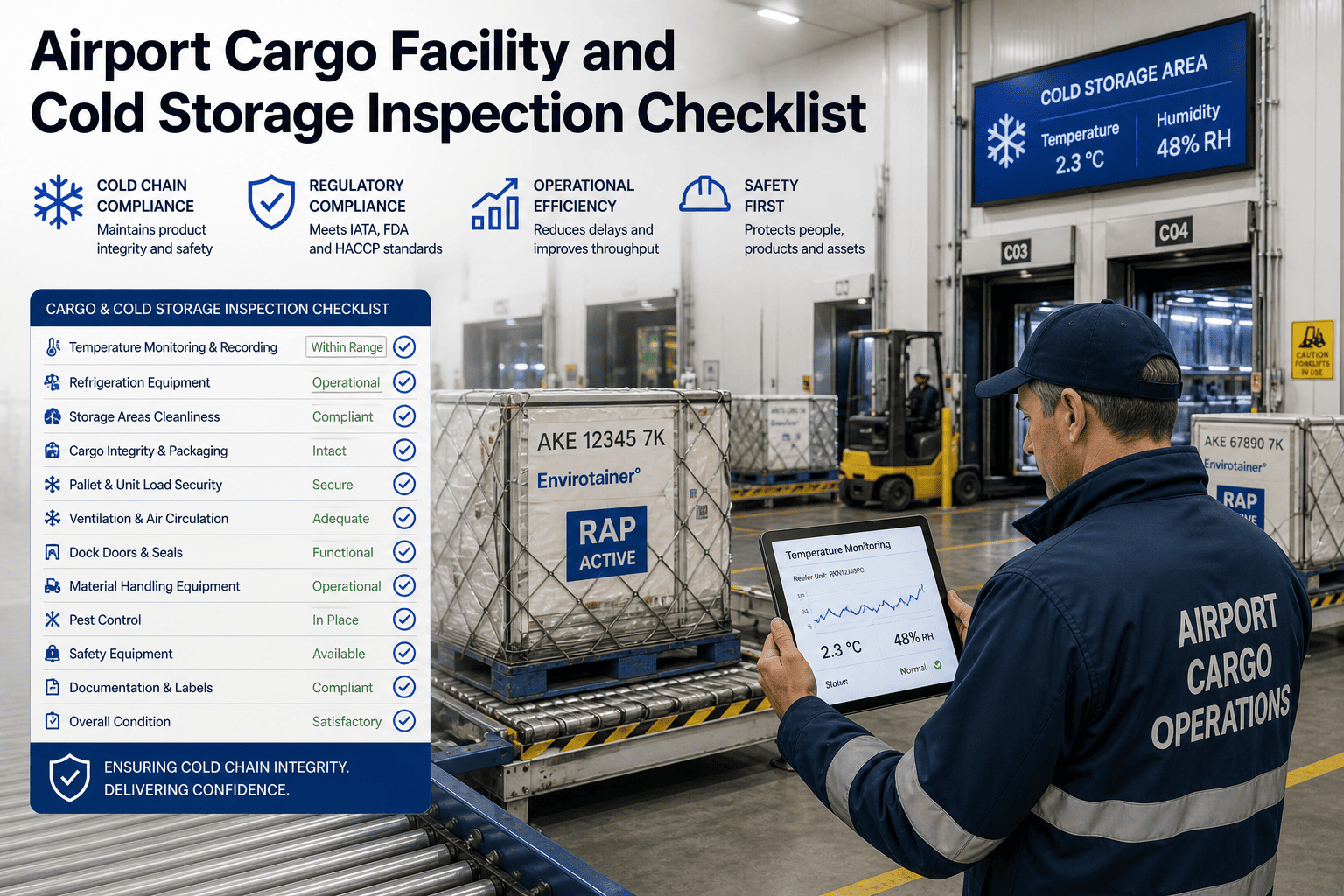
Every year, lightning causes an estimated $12,000 per minute in airport operational delays—with ground crews facing life-threatening risks during thunderstorms. OSHA's General Duty Clause mandates that employers protect outdoor workers from recognized hazards like lightning, yet many airports still rely on visual observations and outdated detection methods. Real-time lightning monitoring transforms ground safety from reactive response into proactive protection. Schedule a consultation to discover how automated lightning alerts can protect your ramp workers and streamline ground stop decisions.
The Lightning Threat to Airport Operations
Lightning poses one of the most dangerous and unpredictable hazards to airport ground personnel. With strikes occurring as far as 10 miles from the storm core, ramp workers face significant exposure while servicing aircraft, handling baggage, and conducting fueling operations.
25M
Cloud-to-ground strikes annually in the U.S.
300+
People struck by lightning each year
$12K
Cost per minute of airport delay
10mi
Lightning can strike from storm center
Understanding Airport Lightning Alert Zones
Effective lightning safety protocols establish concentric warning zones around the airport. As storms approach, each zone triggers specific protective actions to ensure ground crew safety while minimizing unnecessary operational disruptions.
15 Miles
Begin Monitoring
Leadership monitors storm activity and prepares communications
8 Miles
Alert All Personnel
Notify departments, terminate radio headset use
5 Miles
Stop Fueling
Cease all aircraft fueling operations immediately
3 Miles
Clear The Ramp
All personnel move to approved shelter locations
Need automated lightning alerts? Create a free OXmaint account and our team will assess your current ground safety protocols and identify improvement opportunities.
Sign Up Free
Real-Time Lightning Monitoring Dashboard
Modern lightning detection systems provide ground safety managers with instant visibility into storm activity, strike locations, and countdown timers for safe resumption of operations—replacing guesswork with data-driven decisions.
Strike Map - 30mi Radius
Last Strike: 2.4 mi NE • 47 seconds ago
Time Since Last Strike Within 5mi
08
:
42
All-Clear at 15:00
OSHA Compliance Requirements
Under OSHA's General Duty Clause, employers must protect outdoor workers from recognized lightning hazards. Airport ground operations—explicitly listed as a high-risk activity—require documented safety protocols, proper training, and reliable detection systems.
29 CFR § 5(a)(1)
Employers must provide workplaces free from recognized hazards likely to cause death or serious harm
29 CFR § 1926.21
Workers must be trained on hazard recognition, emergency procedures, and shelter locations
29 CFR § 1910.38
Written lightning safety protocols must specify alert methods, shelter locations, and response times
Detection Technologies Compared
Choosing the right lightning detection approach depends on your airport's size, location, and operational requirements. Modern systems combine multiple technologies for comprehensive protection.
Continental-scale networks like NLDN and GLD360 use multiple ground sensors to triangulate lightning locations with high precision. Detects 95%+ of cloud-to-ground flashes with location accuracy under 100 meters.
Range
Continental
Accuracy
95%+ CG detection
Best For
Regional storm tracking
Measures atmospheric electrostatic charge to detect thunderstorm development directly overhead—even before the first strike occurs. Essential for identifying storms that form above the airport where network detection cannot provide advance warning.
Range
5-10 miles local
Accuracy
Direct measurement
Best For
Overhead storm warning
Standalone sensors installed at the airport detect electromagnetic signals from lightning and calculate direction and approximate distance. Cost-effective solution for smaller airports with moderate lightning activity.
Range
35-80 km radius
Accuracy
Direction + distance
Best For
Regional airports
Integrates network detection, field mills, and weather radar for maximum reliability and coverage. Provides both long-range tracking and local overhead detection—the gold standard for major hub operations.
Range
Multi-scale coverage
Accuracy
Highest reliability
Best For
Major hub airports
See automated lightning alerts in action. Book a demo and we'll show you how leading airports are protecting ground crews while minimizing operational delays.
Schedule Demo
The 30/30 Safety Rule
The industry-standard 30/30 rule provides a baseline for lightning safety decisions. Research has shown that modified timing can reduce delays while maintaining acceptable safety margins.
30
seconds
Flash-to-bang time = 6 miles distance. Seek shelter immediately.
30
minutes
Wait time after last strike before resuming outdoor activities.
Airport Modification
Research supports reducing the wait time to 15 minutes for airport operations, potentially saving millions in delay costs while maintaining safety. This requires accurate detection systems to validate the all-clear.
Benefits of Automated Lightning Monitoring
100%
Strike detection within monitored zones ensures no worker is caught unaware on the ramp during lightning activity
10+ min
Faster all-clear decisions with accurate data can save $6.2M annually at high-risk airports
Digital
Automated documentation creates complete audit trails for regulatory compliance and liability protection
24/7
Removes human judgment variability with objective, data-driven stop/resume protocols
Expert Insights on Airport Lightning Safety
Industry specialists and aviation safety professionals emphasize the critical importance of modern lightning detection systems for protecting ground operations personnel.
"
The more precise a lightning data set is, the more accurate airport stakeholders can be in making safety and efficiency-centric decisions. Without reliable lightning information, decision-makers could begin closing ramps too early, close them for too long, or miss storms entirely.
VS
Vaisala Lightning Research
Global Lightning Detection Network Operators
"
Lightning-induced ramp closures cause notable air traffic impacts on both departures and arrivals. The delays incurred at one lightning-impacted airport will likely ripple through the entire airspace system and grow throughout the day.
NC
NCAR Research Applications Laboratory
FAA Weather Research Division
"
The combination of network-based lightning detection with electrostatic field mills provides a superior decision basis and the highest safety level for the airport. This enables recognizing lightning threats prior to impact, allowing for proactive protective actions.
UB
UBIMET Aviation Weather Solutions
Airport Lightning Safety Specialists
$6.2M
Annual savings potential from 10-minute improvement in lightning delay response at high-risk airports
95%+
Cloud-to-ground flash detection rate achieved by modern network-based systems
15 min
Reduced all-clear wait time supported by research for airports with accurate detection systems
Frequently Asked Questions
What distance triggers a ramp closure for lightning?
Most airports close ramps when lightning is detected within 3-5 miles. The specific distance varies by airport policy and airline procedures. OSHA considers anywhere outdoors unsafe when thunderstorms are in the area, so detection within your defined critical radius should trigger immediate shelter-seeking.
How long must ramp operations remain suspended after a lightning strike?
The standard 30/30 rule recommends 30 minutes after the last observed strike within the critical radius. However, airport-specific research supports a 15-minute wait time when using accurate detection systems, significantly reducing unnecessary delays while maintaining safety.
Can automated systems replace human decision-making?
Automated systems provide objective data to support—not replace—human decisions. The technology triggers alerts, tracks strikes, and manages countdown timers, but ground safety managers retain authority over final stop/resume decisions based on local conditions.
What shelter is considered safe during airport lightning events?
OSHA requires fully enclosed buildings with plumbing and electrical wiring, or hard-topped vehicles with windows closed. Workers must avoid aircraft wings, overhangs, light poles, fences, and any metal structures. Shelter should be maintained for at least 15-30 minutes after the last strike.
Protect Your Ground Crews with Real-Time Lightning Intelligence
OXmaint's airport safety platform delivers automated lightning detection, progressive alert zones, and smart countdown timers—enabling faster all-clear decisions while keeping every ramp worker safe during thunderstorm operations.