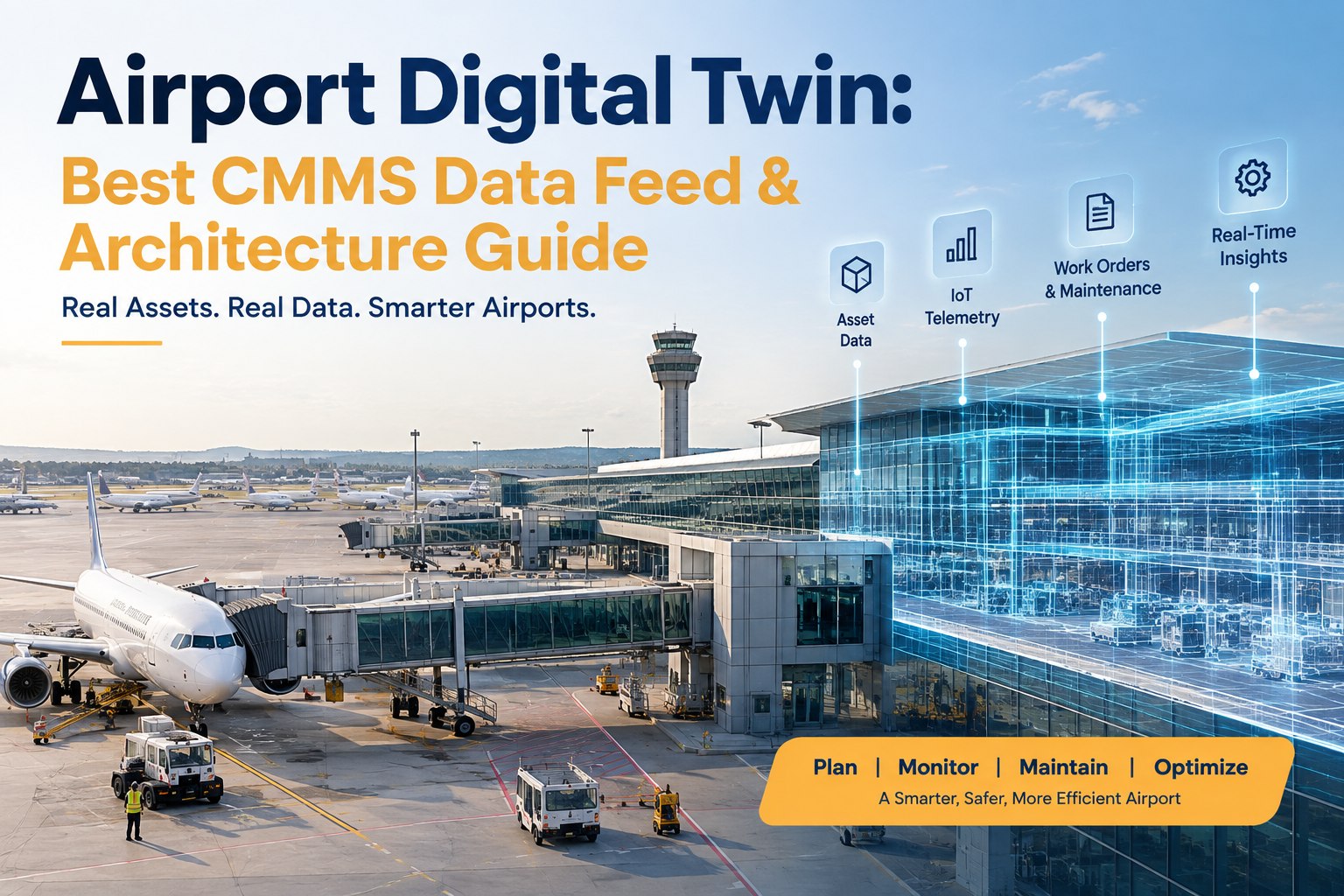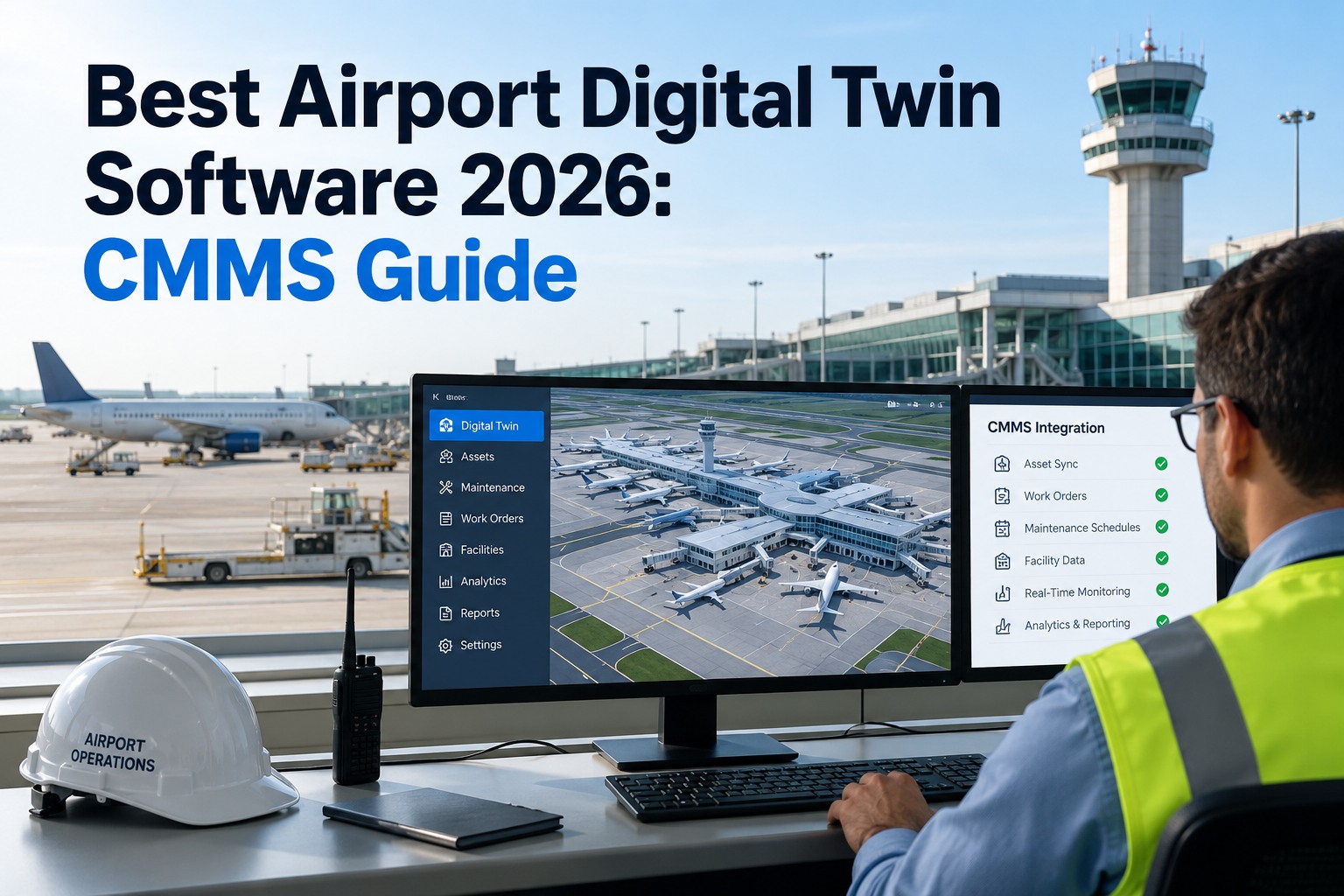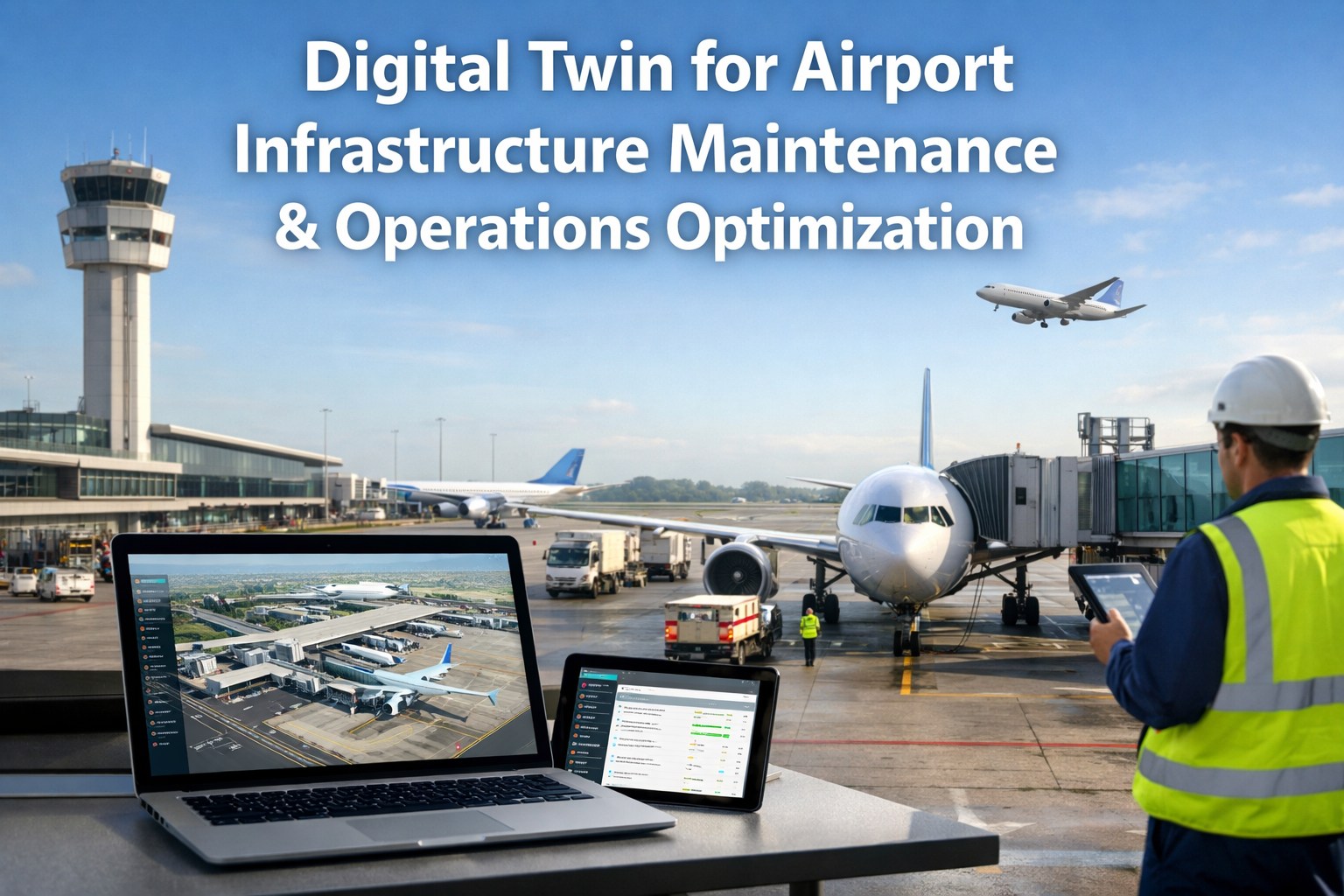
Modern airports manage over 80,000 assets across thousands of acres—yet most still rely on disconnected systems and manual processes that cost millions in inefficiency. Digital twin technology creates a living virtual replica of your entire airport infrastructure, connecting BIM data, IoT sensors, and operational systems into a single source of truth. Leading airports like Sydney and Schiphol are already saving millions annually through digital twin implementation. Schedule a consultation to discover how a digital twin can transform your airport's maintenance and operations.
What is an Airport Digital Twin?
A digital twin is a dynamic, real-time virtual replica of your physical airport infrastructure. Unlike static 3D models, it continuously synchronizes with live data from sensors, maintenance systems, and operational databases—enabling simulation, analysis, and optimization that would be impossible with traditional tools.
The ROI of Airport Digital Twins
Airports implementing digital twin technology are achieving measurable returns within the first year. Sydney Airport's digital twin deployment demonstrates the transformative financial impact possible when infrastructure data becomes truly connected.
Digital Twin Architecture
An effective airport digital twin integrates multiple data layers into a unified platform. Understanding this architecture helps identify where your organization can start and how to scale over time.
Interactive 3D/4D environment for exploring infrastructure, viewing real-time status, and navigating between assets
Connects disparate systems and normalizes data formats for unified access across the organization
Analytics engine that transforms raw data into actionable insights through AI, simulation, and predictive algorithms
Key Use Cases for Airport Operations
Digital twins deliver value across multiple airport domains. The most successful implementations start with high-impact use cases and expand systematically based on proven results.
Monitor equipment health in real-time, predict failures before they occur, and automatically generate work orders. Schiphol Airport tracks 80,000+ assets through their digital twin, reducing unplanned downtime significantly.
Test operational changes in the virtual environment before implementing them physically. Simulate baggage flow optimizations, gate assignments, and capacity scenarios without disrupting live operations.
Visualize energy consumption patterns across HVAC, lighting, and building systems. Identify inefficiencies and simulate optimization strategies to reduce costs and meet sustainability targets.
Evaluate expansion scenarios, analyze land-use options, and engage stakeholders with immersive visualizations. Make permanent infrastructure decisions with full clarity on operational impacts.
Live Infrastructure Dashboard
A digital twin provides operations teams with a unified view of all airport systems. Real-time status, maintenance alerts, and performance metrics are accessible from any device, enabling faster response and better coordination.
Implementation Roadmap
Successful digital twin deployments follow a phased approach that delivers value at each stage while building toward comprehensive coverage. Start focused, prove ROI, then scale systematically.
Expert Insights on Airport Digital Twins
Industry leaders and technology specialists emphasize the transformative potential of digital twins for airport infrastructure management and operational optimization.
Digital twins are driving business value across airport domains, including master planning, asset management, passenger experience, and emergency response. The System of Systems approach enhances interconnectedness and creates more value for the broader airport ecosystem.
The ACSM lets us monitor and manage all assets comprising our automated systems in real time from a dashboard. If a component is not running correctly, we can turn equipment off, automatically produce a work order, and assign maintenance crews immediately.
By providing employees with historical and real-time data, our digital twin enables them to explore different scenarios and optimize resource allocation. This aligns perfectly with our goal of achieving net-zero carbon emissions by 2030.