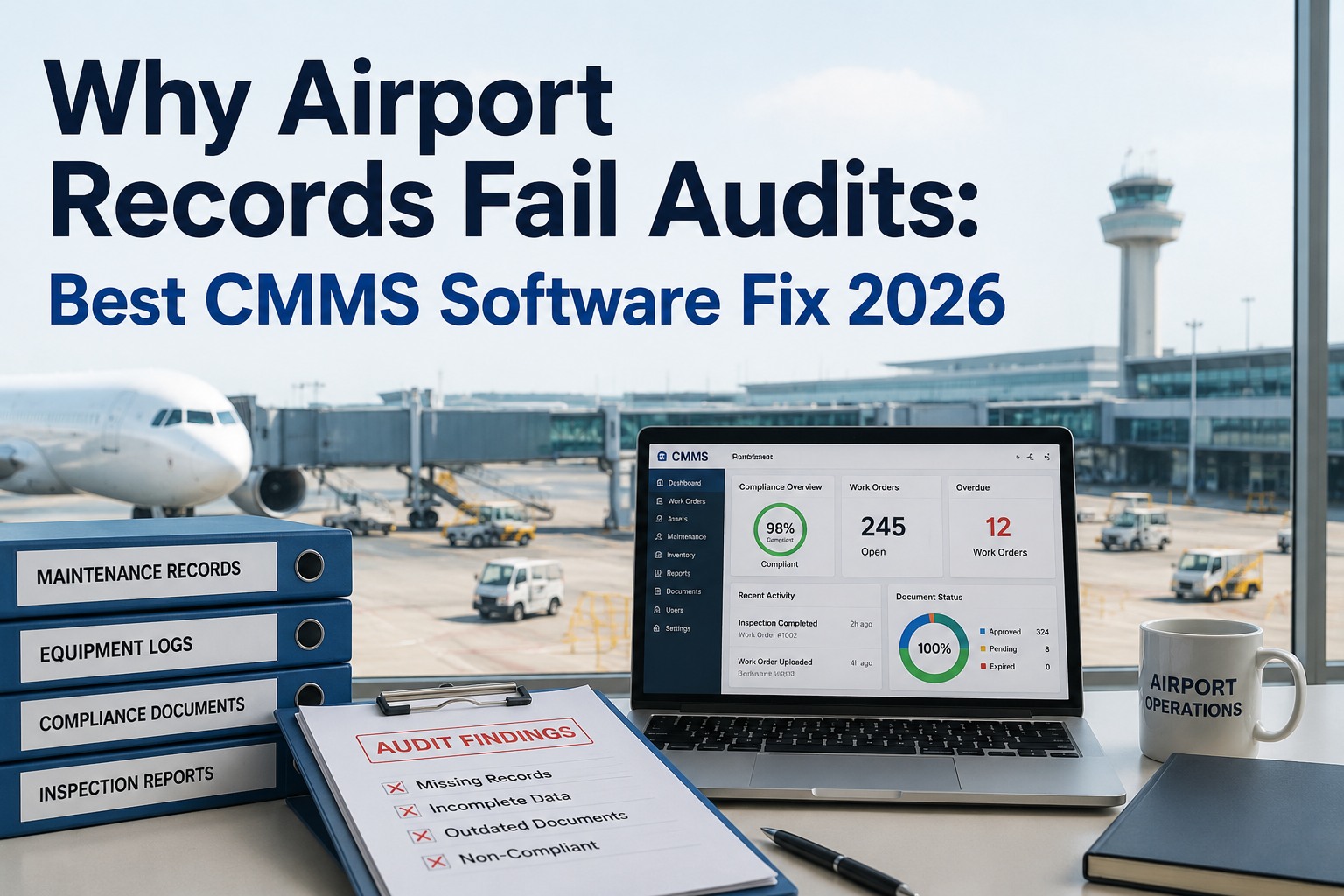
The inspector arrived at 7:42 AM on a Tuesday—unannounced. Within fifteen minutes, she requested runway inspection logs from the past 90 days, ARFF vehicle maintenance records, security badge audit trails, and wildlife strike documentation. Your operations team scattered across three buildings, searching filing cabinets, email archives, and maintenance logs spread across spreadsheets that hadn't been updated since last month. Four hours later, she documented her first finding: not a safety deficiency, but an inability to demonstrate compliance. That finding alone triggers a corrective action plan, follow-up inspection and potential civil penalties reaching $37,377 per violation per day under FAA enforcement guidelines.
The aviation compliance landscape has fundamentally shifted. FAA's February 2023 final rule now requires Safety Management Systems at 258 certificated airports—capturing over 90% of U.S. air carrier passenger traffic. ICAO Annex 19 mandates SMS for all certified aerodromes worldwide. EASA requires Part-145 maintenance organizations to have implemented SMS by December 2024. These aren't theoretical requirements—they're enforceable standards with specific documentation mandates that paper-based systems cannot reliably meet. Airports ready to modernize their compliance operations can sign up for Oxmaint's free trial and experience how digital platforms transform regulatory pressure into operational advantage.
Understanding the Multi-Authority Compliance Ecosystem
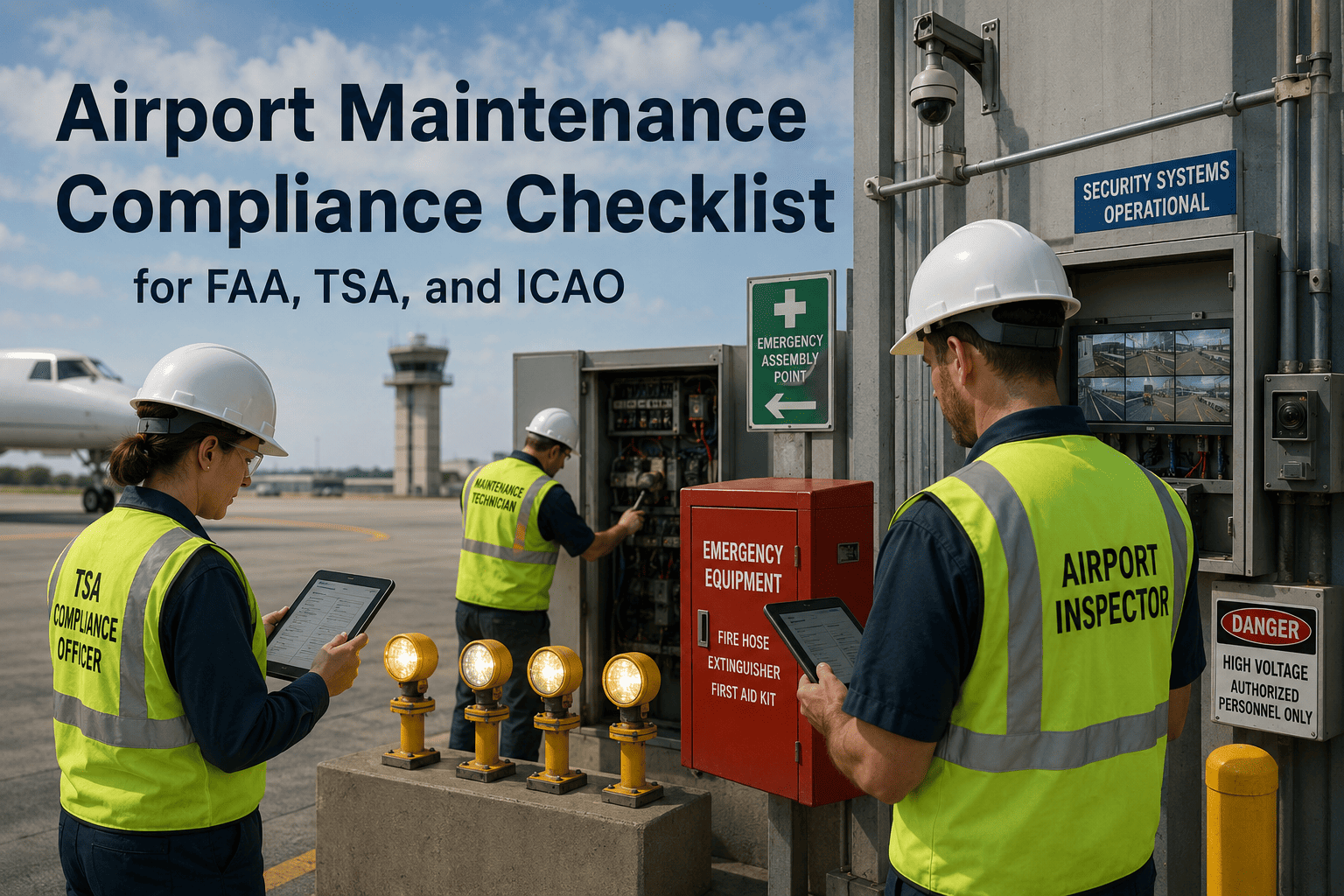
Modern airports operate under overlapping regulatory jurisdictions, each conducting independent inspections with different documentation requirements. ICAO establishes international standards through Annex 14 (Aerodromes) and Annex 19 (Safety Management). National civil aviation authorities translate these into enforceable regulations. TSA governs security under Part 1542. FAA oversees operations and certification under Part 139. The complexity multiplies when you consider that each authority may inspect without coordinating with others—meaning your documentation must satisfy all simultaneously, instantly, and completely.
IATA's safety audit programs reinforce this multi-layered compliance environment. As of December 2024, 440 airlines are listed on the IOSA registry, with 916 standards in the IOSA Standards Manual requiring documented compliance. The ISAGO program for ground handlers has grown to 225 registered providers across 228 airports worldwide, with 47 civil aviation authorities now recognizing ISAGO through memoranda of understanding. These industry standards increasingly overlap with regulatory requirements, creating documentation demands that multiply with each stakeholder relationship. Want to see how Oxmaint handles multi-authority compliance? Book a free 30-minute demo with our aviation compliance specialists.
The Four Components of FAA-Compliant Airport SMS
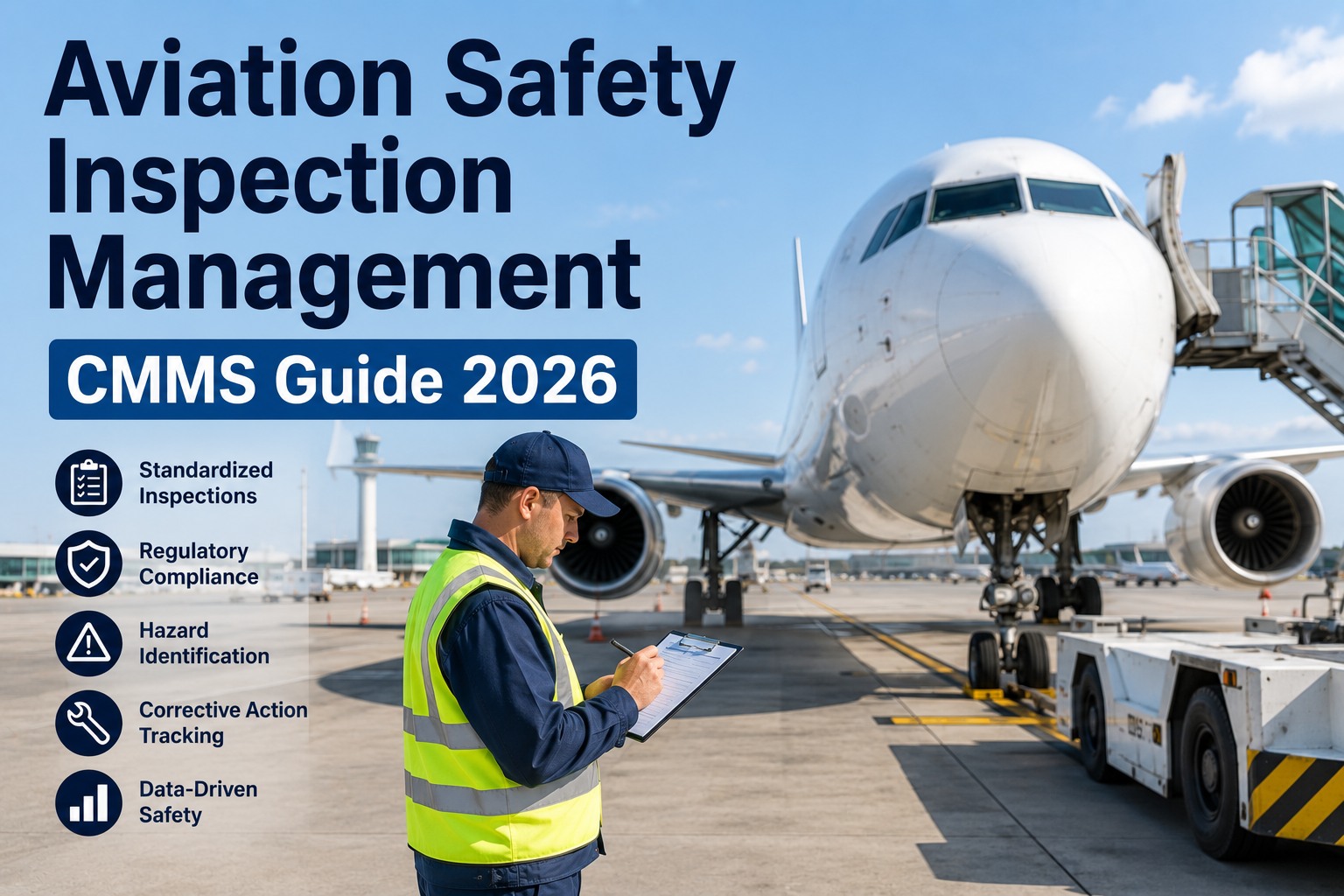
The FAA's final rule establishes four mandatory SMS components: Safety Policy, Safety Risk Management, Safety Assurance, and Safety Promotion. Each component requires specific documentation, defined processes, and demonstrable implementation. Airports triggered under the rule must submit an implementation plan within 12 months of the rule's effective date, a revised Airport Certification Manual within 24 months, and achieve full implementation within 36-48 months. The rule captures airports with hub status, airports handling aircraft designed for more than 9 passengers, and airports with scheduled international service—ensuring the standard applies where passenger traffic and operational complexity are highest.
Why Paper Systems Fail During Regulatory Audits
McKinsey's research on airport digital transformation identifies fragmented data as the primary operational challenge: "Most airports still operate with disconnected systems across airlines, baggage handling, operations, and passenger services. Data gets trapped in silos or isn't easily translated from one system to another." This fragmentation becomes catastrophic during regulatory audits, when inspectors expect instant access to documentation spanning years of operations. Paper systems scatter records across filing cabinets, email archives, and personal notebooks—creating delays that inspectors interpret as systemic compliance failures rather than administrative inconvenience.
The cost of documentation failures extends beyond regulatory penalties. TSA assessed $1.32 million in civil penalties across 313 airport security cases in fiscal year 2024. TSA's enforcement guidance allows penalties up to $42,657 per violation for aircraft operators and $17,062 per violation for airport operators and individuals. When documentation cannot be produced, inspectors often escalate findings from administrative observations to formal violations—transforming recoverable situations into enforcement actions. Ready to eliminate audit anxiety? Create your free Oxmaint account and start building audit-ready documentation today.
Expert Perspective: Building a Compliance-First Culture
"An SMS provides the framework to support a positive safety culture. It includes repeatable and systematic processes to proactively manage safety. Decision-making processes are structured, consistent, defendable, measurable, and data-driven. Hazards are identified and safety risk controls implemented before an accident or incident occurs."
Seattle-Tacoma International Airport's SMS Manual exemplifies best practices in digital compliance documentation: "This Manual contains the organization, responsibilities, standards, policies, processes and procedures required to implement and operate an SMS... It incorporates the International Civil Aviation Organization (ICAO) and Federal Aviation Administration (FAA) policies for airport SMS." The manual establishes clear accountability chains, defined risk assessment processes, and documented quality assurance procedures—all elements that digital platforms automate and enforce consistently. Ready to build a similar framework? Schedule your personalized demo with our aviation compliance team.
Implementation: From Planning to Audit-Ready Operations
Digital compliance transformation follows a structured path that most airports complete within 6-8 weeks. The process begins with asset inventory and compliance mapping—identifying every inspection requirement, certification deadline, and training record across all regulatory authorities. Configuration establishes digital workflows matching existing processes while adding automated scheduling, approval routing, and alert systems. Training ensures staff competency with mobile apps and documentation procedures. Go-live activates real-time dashboards showing compliance status across all requirements simultaneously.
The global airport digital transformation market reached $7.92 billion in 2024 and is projected to grow at 15.2% CAGR through 2033. This growth reflects aviation's recognition that compliance documentation demands have exceeded what manual systems can reliably deliver. Cloud-based solutions offer scalability, cost efficiency, and collaboration capabilities that on-premises systems cannot match—while maintaining the security and data sovereignty controls that regulatory authorities require. Don't wait for your next audit to discover documentation gaps—start your free Oxmaint trial now and explore pre-built templates for FAA Part 139, ICAO Annex 14, and TSA Part 1542 requirements.