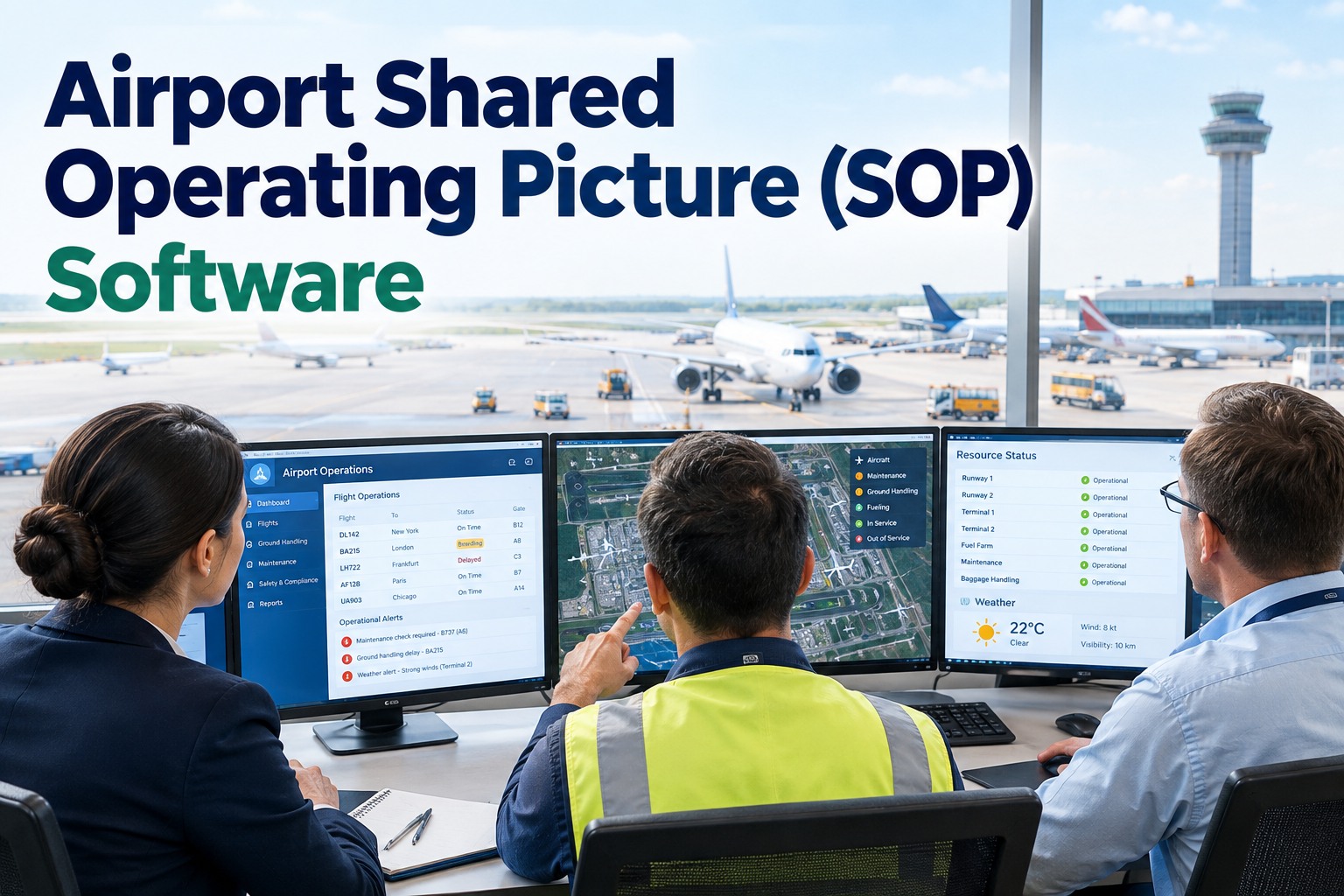
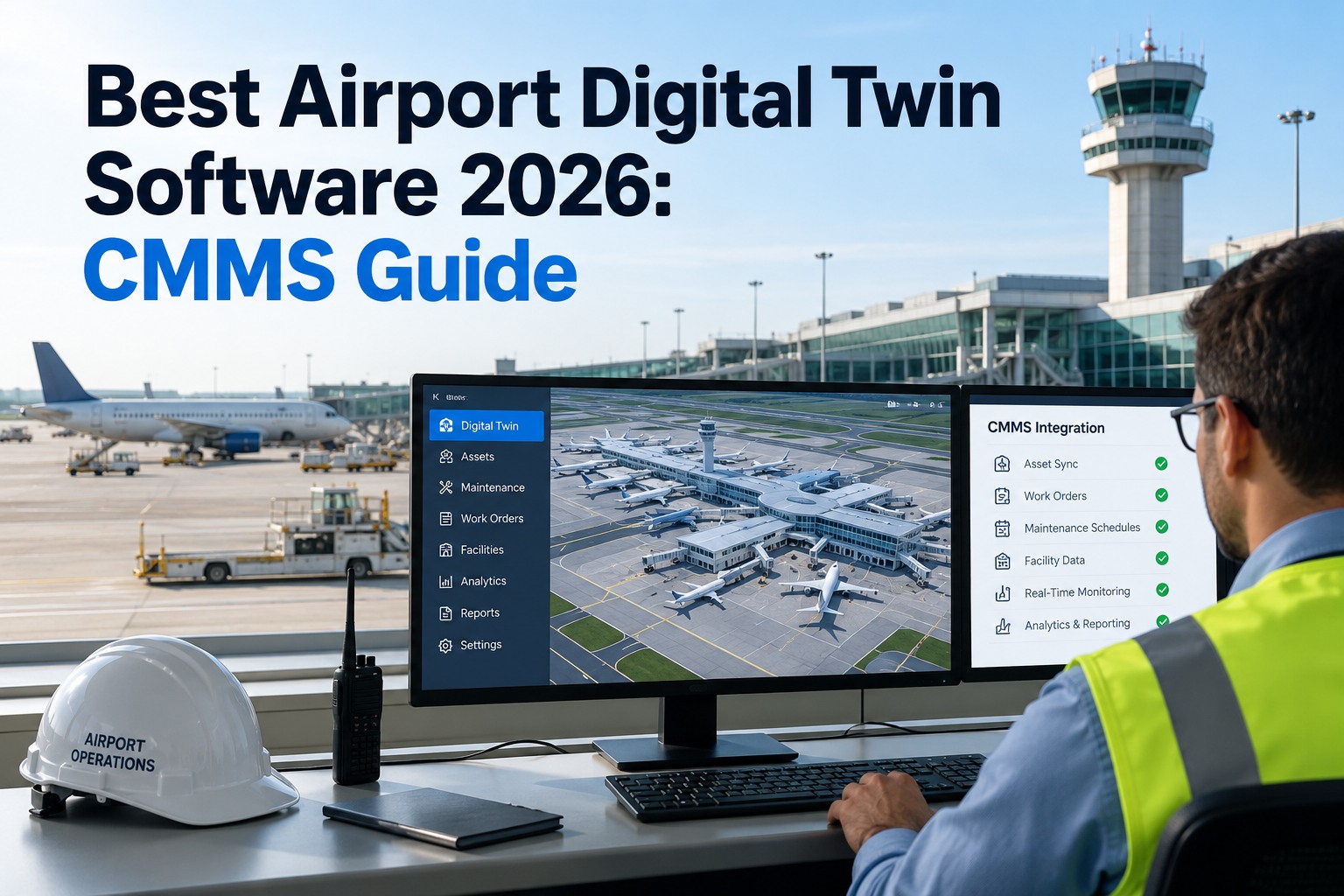
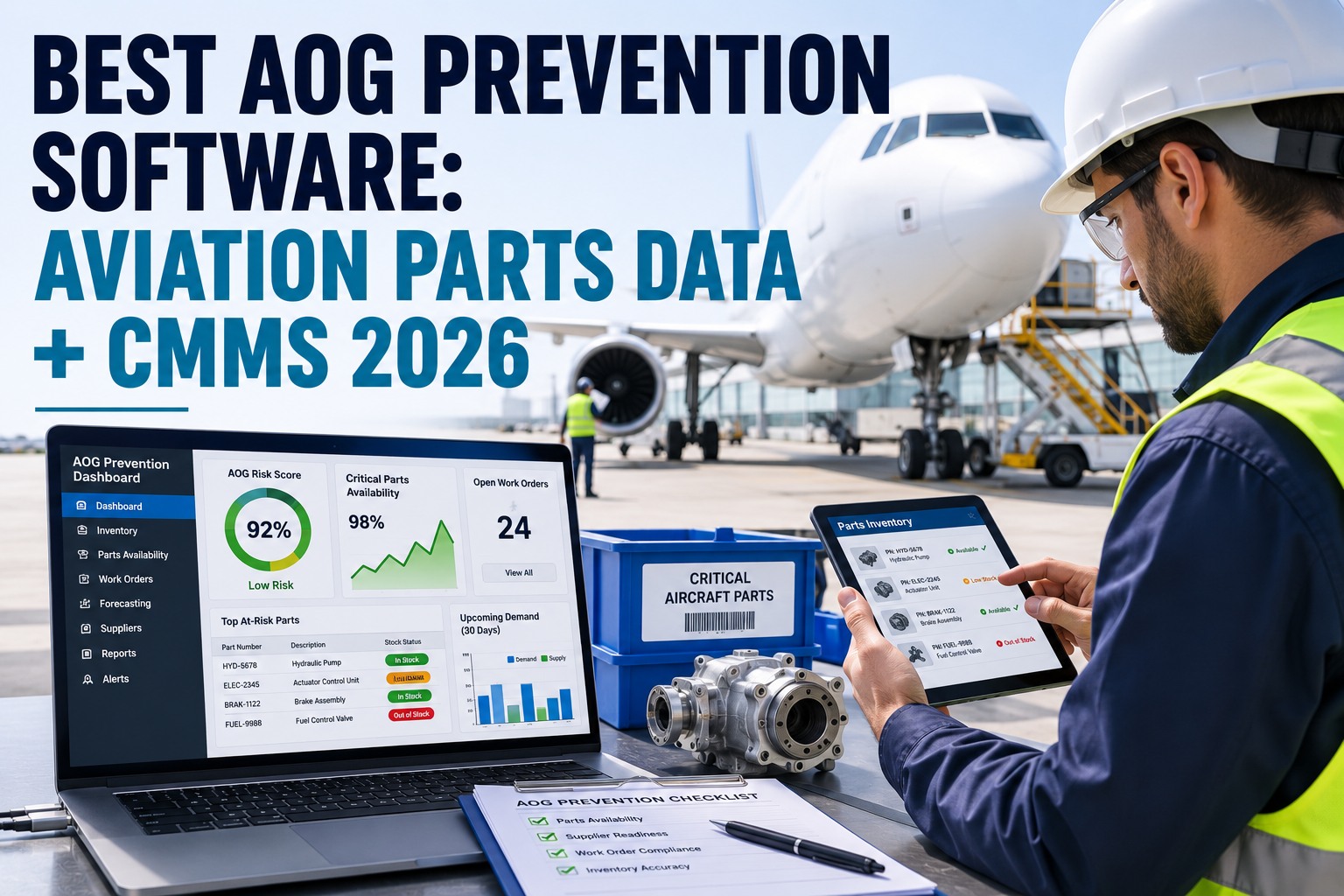
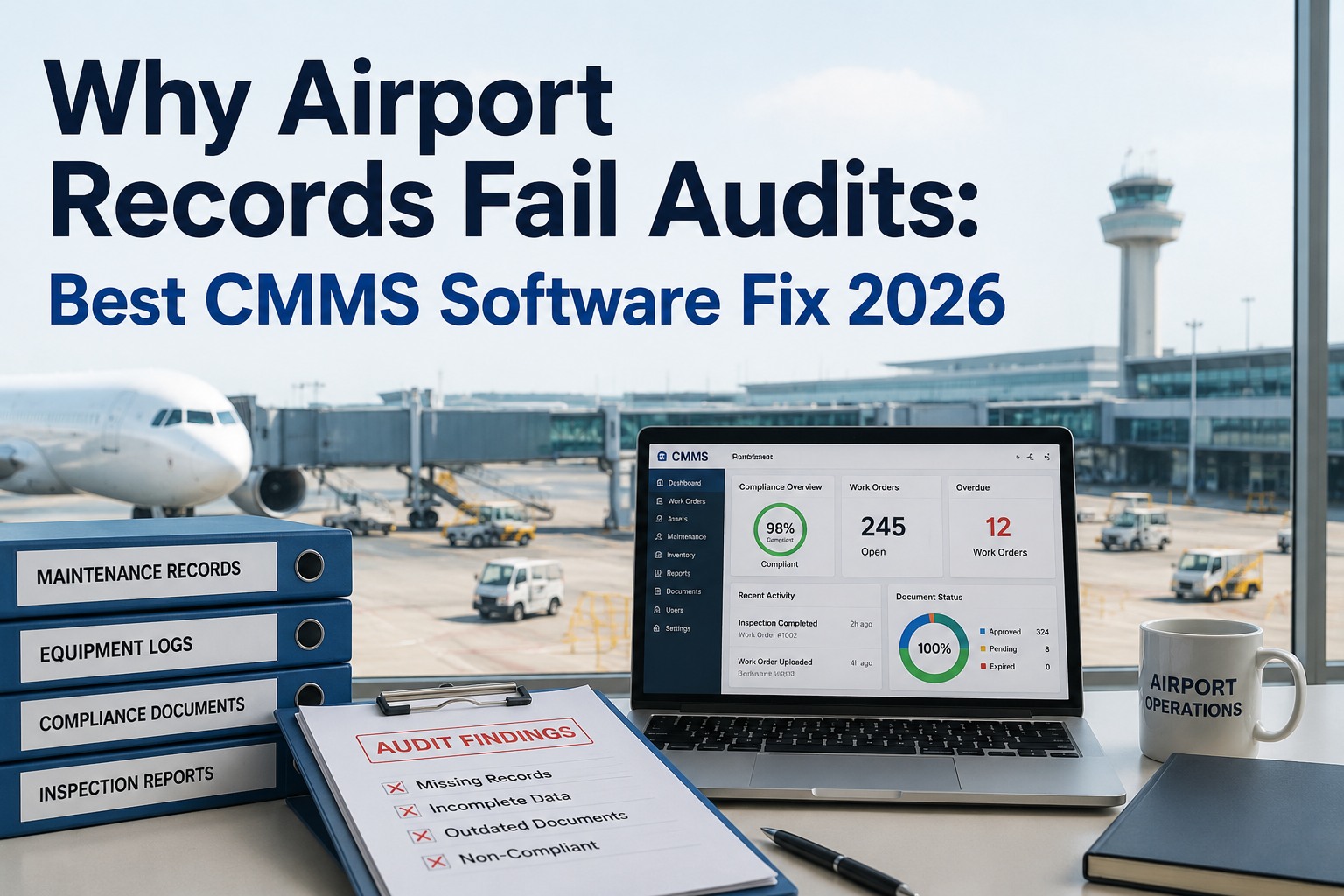
An airport Shared Operating Picture (SOP) is the single, live view that lets every department operations, airlines, ground handlers, security, and maintenance — work from the same facts at the same time. The airports that outperform on OTP and ASQ don't do it on intuition; they do it because their SOP is built on real operational data, not radio chatter and tribal knowledge. The hardest part of any SOP to get right is maintenance visibility — the equipment status that drives most real-time decisions yet usually sits stranded on paper. This guide breaks down what a real SOP needs, the layers that make it work, and how a CMMS becomes the maintenance backbone underneath it. Book a free SOP design review.
One Picture. Every Department. Same Facts.
A Shared Operating Picture is only as strong as the data feeding it — and maintenance is the layer most airports leave out.
5
Departments that must read from one view
1
Source of truth — not a dozen channels
IRROPS
Where a fragmented picture breaks first
24/7
Coverage every shift handoff must carry
Fragmented View vs. Shared Operating Picture
Most airports don't lack information — they lack a single place to see it. The same event looks different on the radio, in the logbook, and in each department's system. A true SOP collapses those fragments into one live picture. Here's the shift.
Fragmented View
Radio chatter no one can replay
Paper logbook read by one shift
Maintenance status hidden on phone calls
Each shift rebuilds the picture from scratch
IRROPS decisions made on stale facts
Shared Operating Picture
One live record every department writes to
Digital log searchable across shifts
Equipment status visible in the same view
Each shift builds on the last
Decisions made from live, auditable fact
The Four Layers of a Real SOP
A Shared Operating Picture isn't one feed — it's four data layers stacked into one view. Get all four on the same backbone and the picture holds. Leave one on radio and paper and it becomes the blind spot that stalls every irregular operation.
Layer 1
Flight & Resource
Gate assignments, stands, aircraft movements, and passenger and baggage flow — the operational spine everyone plans against.
Layer 2
Safety & Security
Incidents, breaches, and compliance events with clear ownership from first report through assignment and closure.
Layer 3
Maintenance & Assets
Live status of jet bridges, carousels, gates, HVAC, and airfield systems — the layer most SOPs miss, and the one IRROPS depends on.
Layer 4
Coordination & Log
Shift notes, advisories, and the audit trail — the running record that carries the full picture from one shift to the next.
Map Your SOP Layers in 30 Minutes
Bring your current setup. Our aviation team will map all four layers onto one record and show where the maintenance blind spot sits — and how to close it.
The Missing Layer · Live Maintenance Visibility
Most SOP designs cover flights and security well and leave maintenance on radio and paper. Yet a huge share of real-time decisions hinge on equipment status — and that's exactly where the blind spot sits.
The SOP Decides on Equipment It Can't See
A jet bridge fails during boarding. The right question is instant: is a work order open, who's assigned, what's the ETA, is there a backup gate? On radio and paper, the answer is a phone tree — minutes burned in an IRROPS decision that cascades into delays. When maintenance runs on the same backbone as the rest of the picture, open work orders, asset status, and technician assignment show up live, in the same view as operations and security. That's why the maintenance system belongs at the center of the SOP, not off to the side.
How OxMaint Becomes the SOP's Maintenance Backbone
OxMaint puts the maintenance layer on the same digital backbone as the rest of the picture — structured assets, live work orders, mobile access for every technician, and dashboards that carry every open item forward across shifts.
Unify
One Maintenance Record
Work orders, asset status, and events in one shared record every department reads from — no separate maintenance silo.
See
Live Equipment Status
Jet bridges, carousels, gates, and airfield systems shown up, down, or degraded in real time — the shared-use picture IRROPS runs on.
Escalate
Defined Escalation Paths
Faults route to the right team with backup contacts, and ops sees escalated-versus-resolved without chasing a phone tree.
Handover
Shift-to-Shift Continuity
Every open item from the prior shift carries forward on one dashboard, so each team builds on the last instead of restarting.
Automate
PM & Work Order Flow
Scheduled maintenance and mobile work orders keep assets ahead of failure — fewer surprise faults surfacing mid-bank.
Report
Logs & Audit Trail
Operational and incident records captured automatically, with SAP and Maximo overlay — the auditable trail leadership can act on.
Give Your SOP the Layer It's Missing
Replace radio-and-paper maintenance with a live layer built into your Shared Operating Picture. See how OxMaint anchors the maintenance view. Free forever plan available.
Frequently Asked Questions
What is an airport Shared Operating Picture (SOP)?
A single live view where operations, airlines, handlers, security, and maintenance all read from the same real-time record — replacing radio, paper, and disconnected systems with one source of truth.
Why does maintenance visibility matter so much in an SOP?
Because most real-time decisions hinge on equipment status. If maintenance stays on radio and paper while everything else is digital, that layer becomes a blind spot filled in by phone calls — slowest exactly when IRROPS needs it fastest.
How does a CMMS fit into the SOP?
The CMMS is the maintenance backbone. It feeds live work orders, asset status, and escalation into the shared view, so equipment decisions are made from fact rather than a phone tree.
How does OxMaint support an airport SOP?
OxMaint provides the live maintenance layer — one shared record, real-time equipment status, defined escalation, shift-to-shift continuity, and an automatic audit trail, with SAP and Maximo overlay. A free forever plan is available.