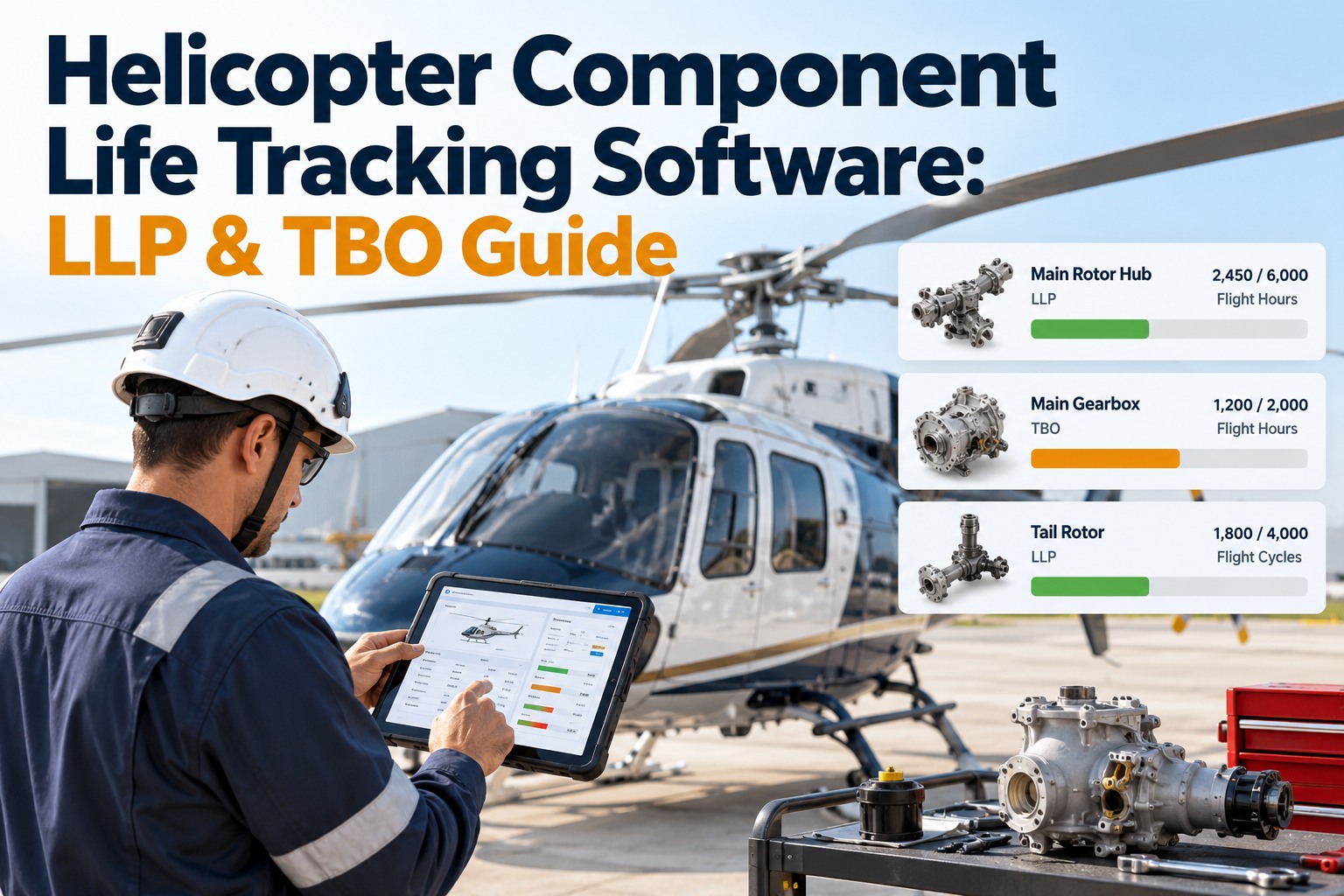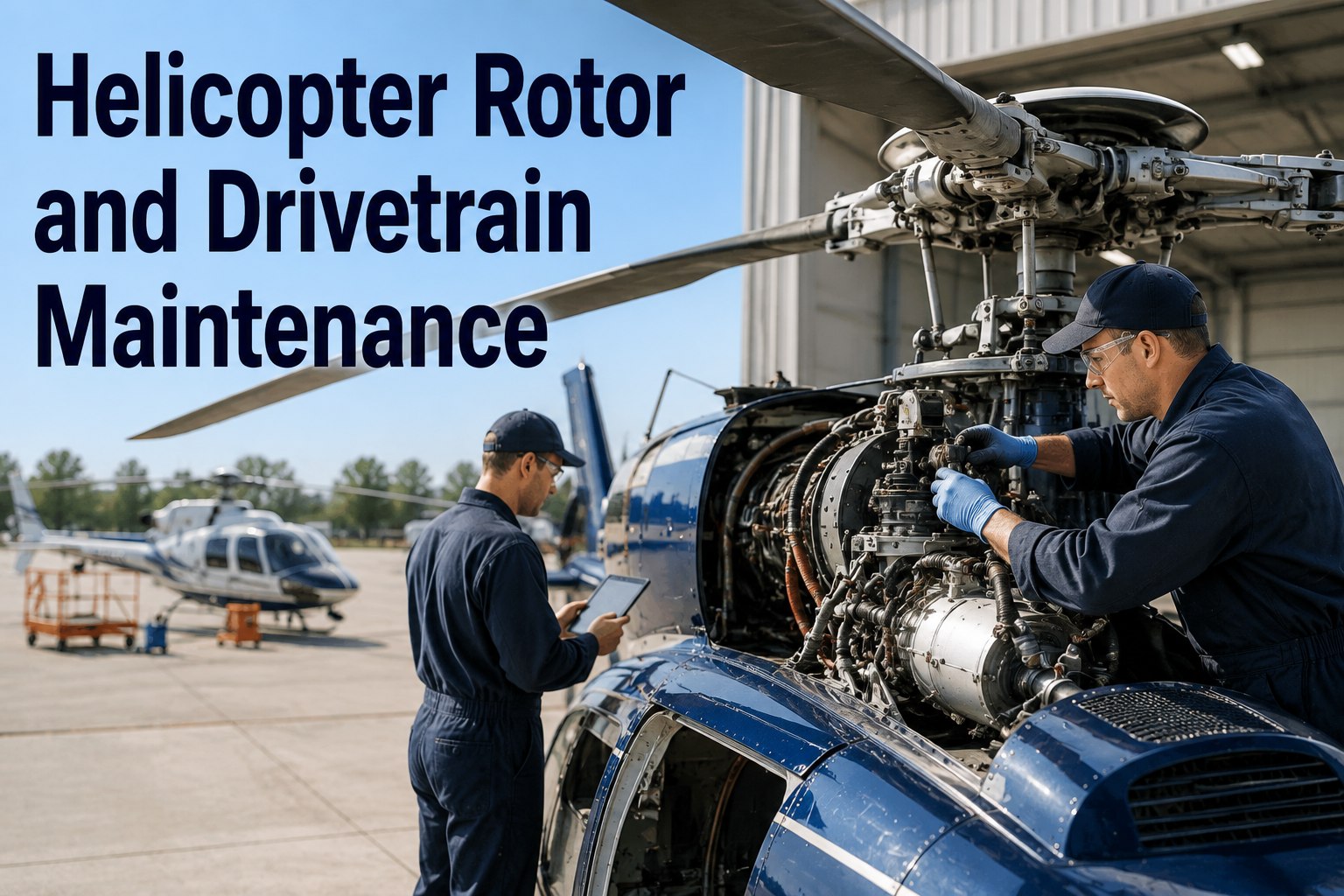
Helicopter rotor and drivetrain maintenance is the single most consequential reliability discipline in rotorcraft operations, because the main rotor, tail rotor, transmission and gearboxes have no redundancy — a single missed chip indication or worn bearing can ground an aircraft or worse. A mature rotorcraft drivetrain maintenance program combines flight-hour-based inspections, vibration and oil-debris monitoring, blade condition tracking and trend analysis to catch degradation weeks before it becomes an airworthiness event. Yet many operators still track these life-limited components in spreadsheets, where a missed 25-hour inspection or an overlooked chip light trend can cost $150K+ in unscheduled gearbox work. This guide covers the full helicopter rotor system maintenance stack — main rotor, tail rotor, mast, transmission and gearboxes — and shows how a CMMS like OxMaint turns it into a predictive, audit-ready reliability program. Start Free Trial to see how operators track every life-limited drivetrain component automatically.
What Does It Cost When a Helicopter Gearbox Fails Unscheduled?
A main gearbox replacement can exceed $250K and ground an aircraft for 4–8 weeks. Yet 60–70% of drivetrain failures show detectable warning signs — vibration trends, chip counts, oil analysis — 2 to 6 weeks before failure. The difference between a $5K planned repair and a $250K emergency is a reliability program that actually tracks the signals.
The 5 Helicopter Rotor and Drivetrain Components That Demand the Tightest Tracking
The rotor drivetrain transmits 100% of engine power to the rotors through a chain of life-limited, high-stress components. Each has its own inspection interval, failure mode and monitoring method — and missing any one of them can cascade into an airworthiness directive violation or an in-flight event.
Main Rotor Blades & Hub
Track blade-hour life limits, delamination taps, leading-edge erosion and balance weights. Blade replacement runs $40K–$120K per blade; hub inspections typically fall at 100–600 flight-hour intervals depending on type.
Main Gearbox / Transmission
The highest-consequence component in the drivetrain. Monitor chip detectors, oil analysis (spectrometric + ferrography), vibration signatures and torque. Overhaul intervals range 1,200–3,000 hrs; unscheduled replacement can exceed $250K.
Tail Rotor & Tail Gearbox
Smaller but equally flight-critical. Track tail rotor blade life, pitch-change bearings, teeter stops and the 90-degree tail gearbox. Chip light indications here often give the earliest warning of bearing spalling.
Mast & Swashplate Assembly
Mast moment analysis and swashplate bearing condition directly affect rotor track and balance. Uncommanded vibration here is a leading indicator of hub or mast bearing wear — catch it at the trend stage, not the ground-run stage.
Drive Shafts & Couplings
Intermediate and tail drive shafts, flex couplings and hanger bearings wear gradually and predictably — if you track them. Coupling failures are among the most preventable drivetrain events with proper interval-based inspection.
How to Build a Helicopter Drivetrain Reliability Program That Catches Failures Early
A defensible rotorcraft drivetrain reliability program layers four monitoring methods on top of the OEM's scheduled inspection program. Each layer catches a different failure signature — together they compress the unscheduled-failure rate by 40–60% in well-run fleets.
Flight-Hour & Cycle-Based Scheduled Inspections
The regulatory floor: 25-hr, 50-hr, 100-hr, 300-hr and annual inspections per the OEM maintenance manual and applicable airworthiness directives. Every life-limited part (blades, bearings, gears, seals) must be tracked against its own retirement interval — a spreadsheet is not a defensible system for this.
Vibration Monitoring & Rotor Track and Balance
Health and Usage Monitoring Systems (HUMS) and portable vibration analyzers detect bearing wear, gear tooth damage and imbalance 2–6 weeks before failure. Trend 1/rev and 2/rev vibration, gear-mesh frequencies and bearing defect frequencies — a rising trend is a work order, not a note.
Oil Analysis & Chip Detection
Spectrometric oil analysis every 25–50 flight hours tracks wear metals (iron, copper, silver, chromium). Magnetic chip detectors give real-time warning. A single chip light is an event; a rising wear-metal trend is a prediction. Both must trigger documented maintenance actions.
Blade Condition & Mast Moment Tracking
Blade tap tests, borescope inspections, leading-edge condition scoring and mast moment data close the loop. Combined with vibration trends, these give a complete picture of rotor system health — and the documentation trail regulators and lessors expect.
What Unscheduled Helicopter Gearbox and Rotor Maintenance Actually Costs
The gap between planned and unplanned drivetrain maintenance is not incremental — it is 5x to 20x. Here is a representative cost comparison for a mid-size single-turbine helicopter operator.
| Event | Planned / Predictive | Unscheduled / Reactive | Multiplier |
|---|---|---|---|
| Main gearbox bearing replacement | $8K–$15K (planned, parts on shelf) | $60K–$120K (AOG, expedited freight, rental) | 6–8x |
| Main gearbox overhaul | $120K–$180K (scheduled at TBO) | $250K+ (unscheduled removal, damage cascade) | 1.5–2x |
| Main rotor blade replacement | $40K–$80K (planned, one blade) | $120K+ (matched set, AOG, repositioning) | 2–3x |
| Tail gearbox chip event | $3K–$6K (inspect, flush, return to service) | $25K–$45K (gearbox replacement if ignored) | 5–8x |
| Aircraft downtime per event | 1–3 days (scheduled window) | 2–8 weeks (AOG, parts lead time) | 10–20x |
A 6-aircraft utility operator tracking drivetrain components in spreadsheets missed a rising main gearbox vibration trend on one aircraft. The unscheduled gearbox removal cost $265K and grounded the aircraft for 6 weeks during fire season — an estimated $180K in lost contract revenue. After moving to OxMaint, the same operator caught a comparable trend 4 weeks early, planned the repair during a scheduled 300-hr inspection, and spent $14K total. That single catch paid for the CMMS for a decade.
See OxMaint Tracking Your Rotor and Drivetrain Components — Book a 30-Min Demo
We'll show you exactly how life-limited part tracking, vibration trend work orders and oil-analysis triggers work on your actual fleet. No generic slides.
How OxMaint Turns Helicopter Rotor and Drivetrain Maintenance Into a Predictive Program
OxMaint is an AI-powered CMMS and EAM platform built for exactly this problem: tracking hundreds of life-limited, flight-critical components across a fleet, each with its own interval, trend data and compliance trail. Here is what it does for rotorcraft drivetrain reliability.
Life-Limited Part Tracking
Every blade, bearing, gear and seal tracked against its own flight-hour and cycle limit. Automatic alerts at 90%, 95% and 100% of life — no more spreadsheet roulette. Outcome: zero overflown components, full audit readiness.
Vibration & Oil Trend Work Orders
Log vibration readings, chip events and oil-analysis results against the specific gearbox or rotor assembly. OxMaint trends the data and auto-generates a work order when a threshold is crossed — catching failures in the 2–6 week warning window.
Compliance & AD Documentation
Every inspection, AD compliance action and component change logged with date, technician, part number and reference. Generate a complete airworthiness record for any component in seconds — for regulators, lessors and buyers.
Spare Parts & Rotable Pool Management
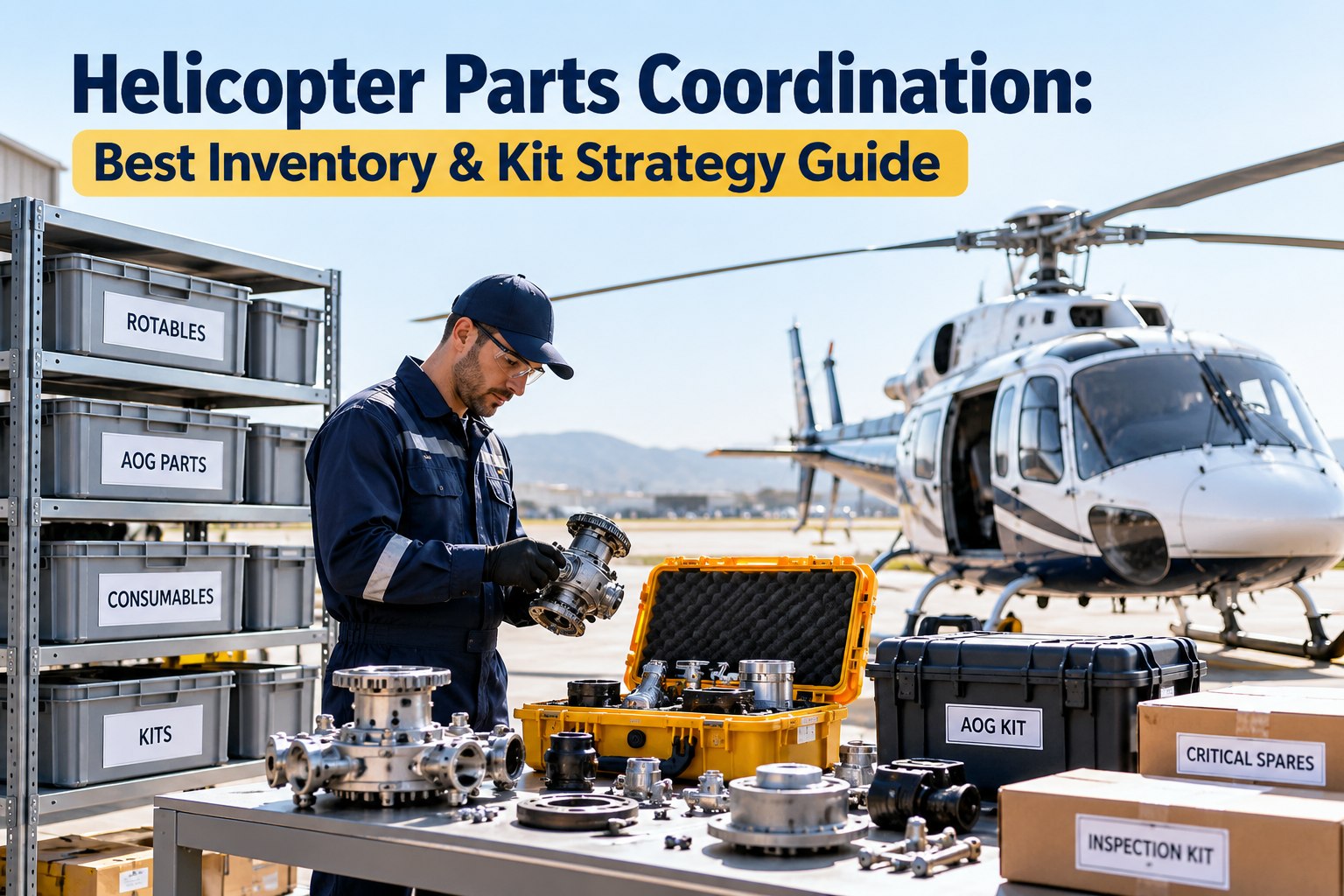
Track rotable gearboxes, blades and hubs through overhaul cycles. Know exactly what is on the shelf, what is at the shop and what is due back — so a planned replacement never becomes an AOG waiting on parts.
A Practical Helicopter Rotor and Drivetrain Inspection Schedule
Intervals vary by type certificate and OEM, but this cadence represents a defensible baseline for a turbine helicopter drivetrain reliability program. The key is that every interval is tracked automatically — not remembered.
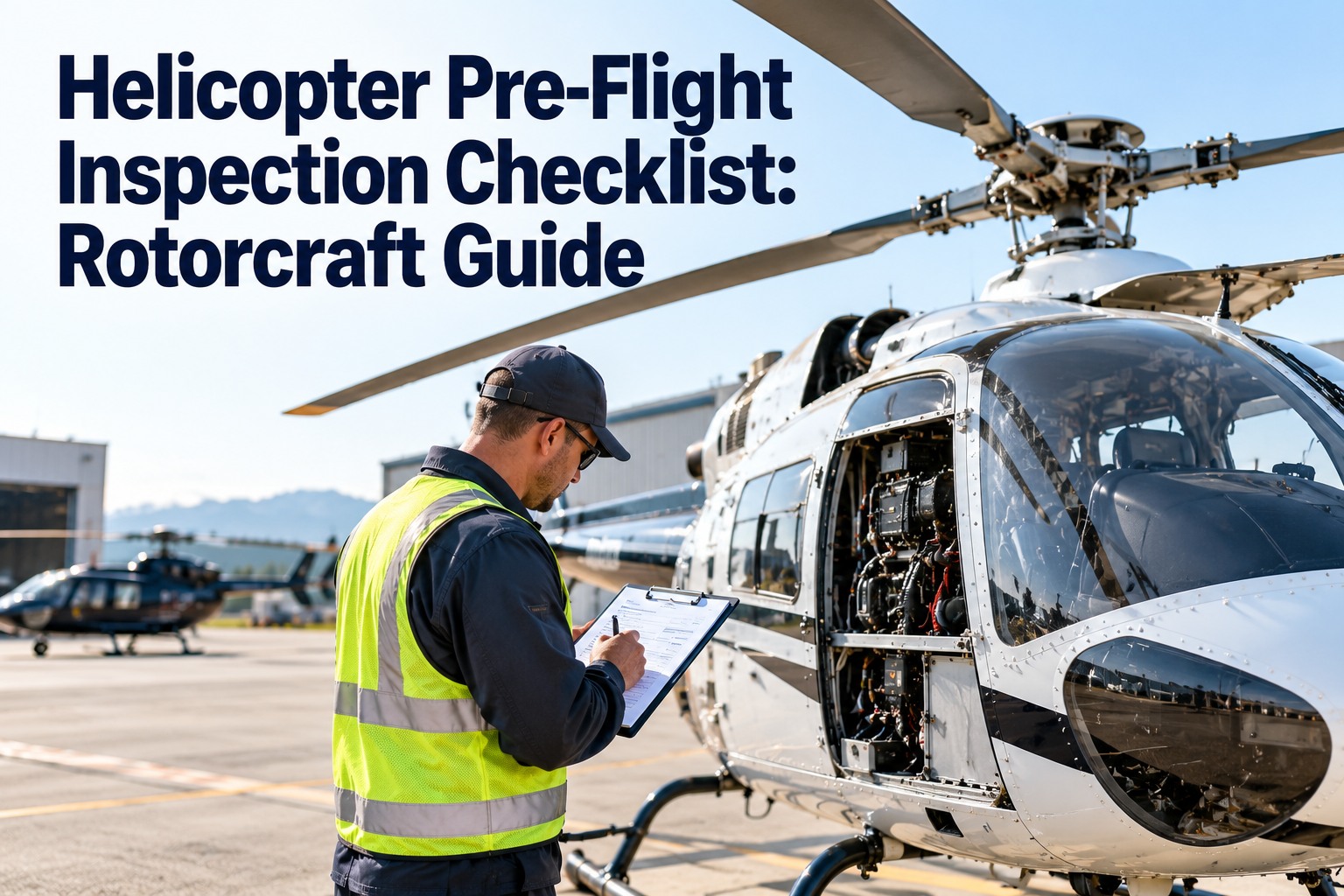
Pre-Flight / Post-Flight
Visual blade and hub inspection, chip detector check, oil level and leak check, tail rotor and drive shaft visual. Log any chip indication as a maintenance event immediately.
25-Hour Inspection
Oil sample for spectrometric analysis, chip detector inspection and debris documentation, blade leading-edge condition check, swashplate and pitch-link visual.
100-Hour Inspection
Rotor track and balance check, vibration survey, gearbox mount and drive coupling inspection, tail rotor pitch-change bearing check, mast and hub torque stripe verification.
300-Hour / Annual
Gearbox oil change and filter analysis, blade tap test or borescope as required, drive shaft and coupling detailed inspection, full vibration spectrum analysis, mast moment check, life-limited part status review.
Overhaul / Retirement Intervals
Main gearbox overhaul (typically 1,200–3,000 hrs), blade retirement per life limit, hub and mast overhaul, tail gearbox overhaul. OxMaint tracks every one against actual flight hours and alerts 50–100 hrs before due.
Helicopter Rotor and Drivetrain Maintenance: 5 Questions Reliability Teams Ask
How often should a helicopter main gearbox be inspected and overhauled?
Main gearboxes typically require oil analysis every 25–50 flight hours, detailed inspection at 100–300 hour intervals, and overhaul at 1,200–3,000 hours depending on the type certificate. Between overhauls, chip detectors and vibration monitoring provide continuous health indication. OxMaint tracks every interval against actual flight hours and alerts before any limit is reached.
What are the earliest warning signs of helicopter drivetrain failure?
The three earliest indicators are rising vibration trends (especially gear-mesh and bearing defect frequencies), increasing wear-metal counts in oil analysis, and chip detector indications. These typically appear 2–6 weeks before failure — which is why trend monitoring, not just limit checking, is the core of a predictive drivetrain program.
How do you track life-limited rotor and drivetrain components?
Each life-limited part — blades, bearings, gears, seals, hubs — must be tracked against its own flight-hour and cycle retirement limit, with a documented history of installations and removals. A CMMS like OxMaint automates this: every component's remaining life updates with flight hours, and alerts fire at configurable thresholds before any limit is reached.
What is the difference between helicopter rotor maintenance and drivetrain maintenance?
Rotor maintenance covers the main and tail rotor systems — blades, hubs, pitch links, swashplates and balance. Drivetrain maintenance covers power transmission — the main gearbox, intermediate and tail gearboxes, drive shafts and couplings. In practice they are one interconnected reliability program, because a rotor imbalance shows up as drivetrain vibration and vice versa.
Can a CMMS really reduce unscheduled helicopter maintenance?
Yes — operators who move from spreadsheets to a structured CMMS with trend-based triggers typically cut unscheduled drivetrain events 40–60% within the first year. The mechanism is simple: nothing gets missed, trends get acted on, and parts are on the shelf when needed. Book a demo and we'll show you the workflow on your actual component list.
Stop Tracking Life-Limited Drivetrain Parts in Spreadsheets
OxMaint gives your reliability team automated life-limited part tracking, vibration and oil trend triggers, and a complete airworthiness documentation trail — in one platform your technicians will actually use.