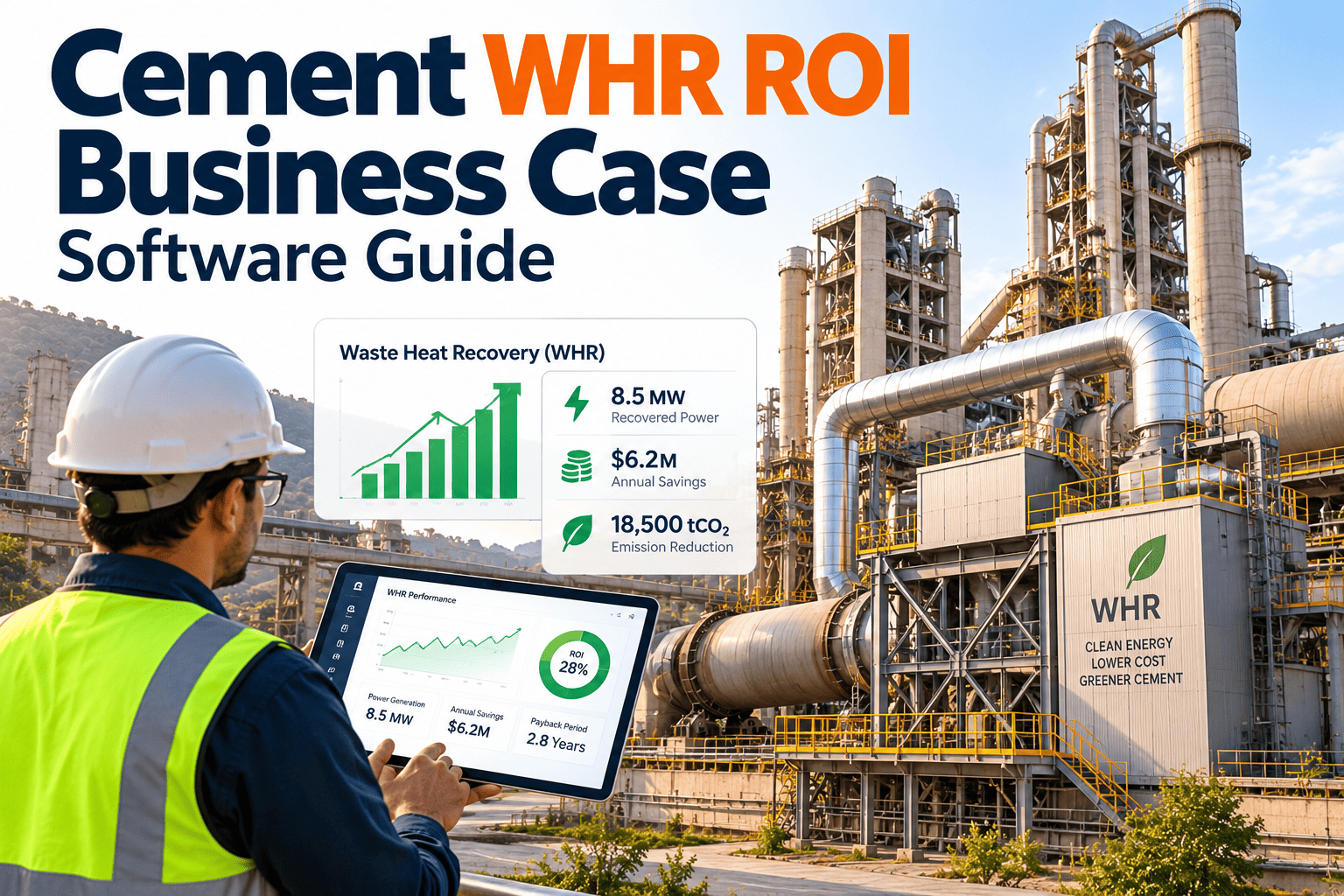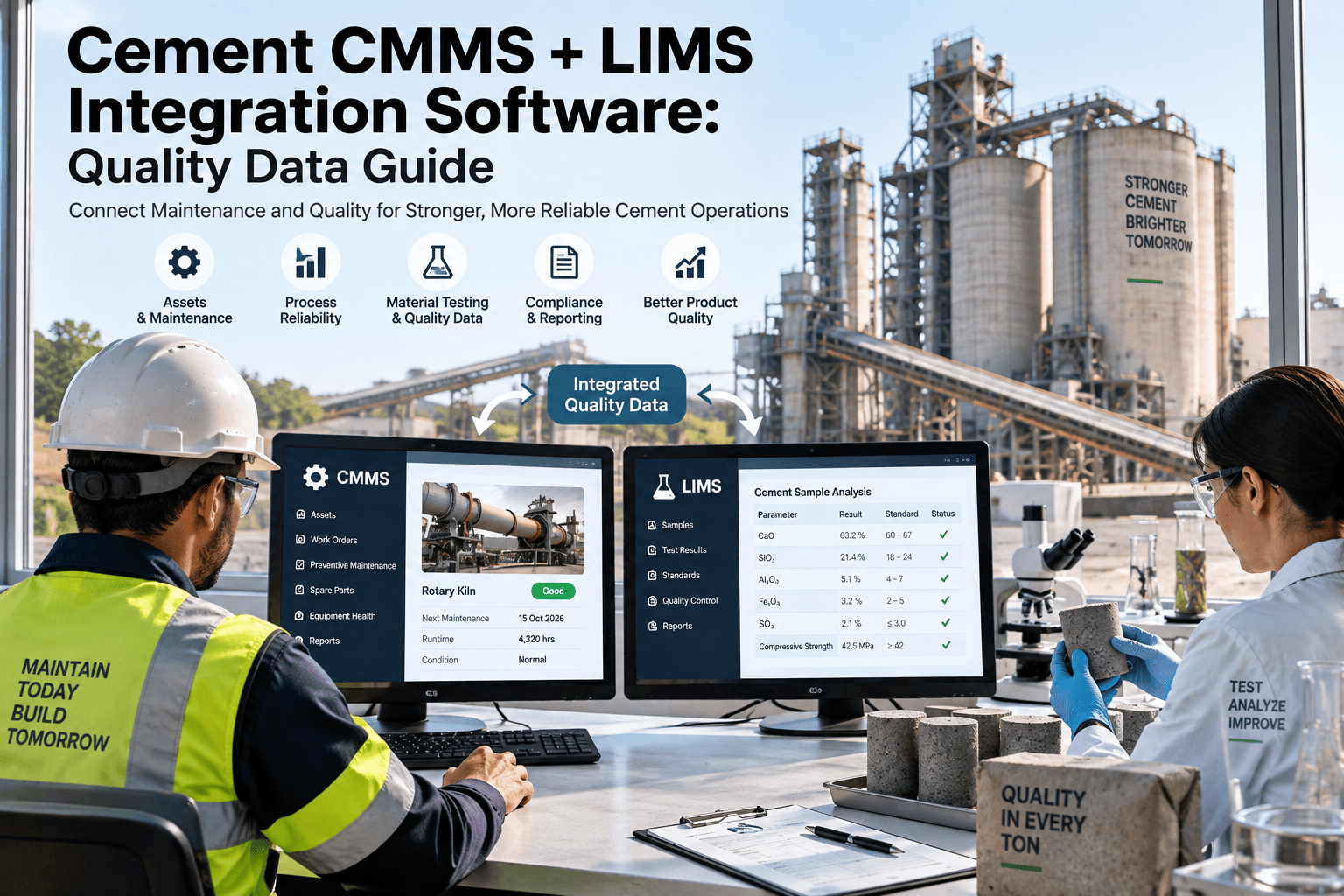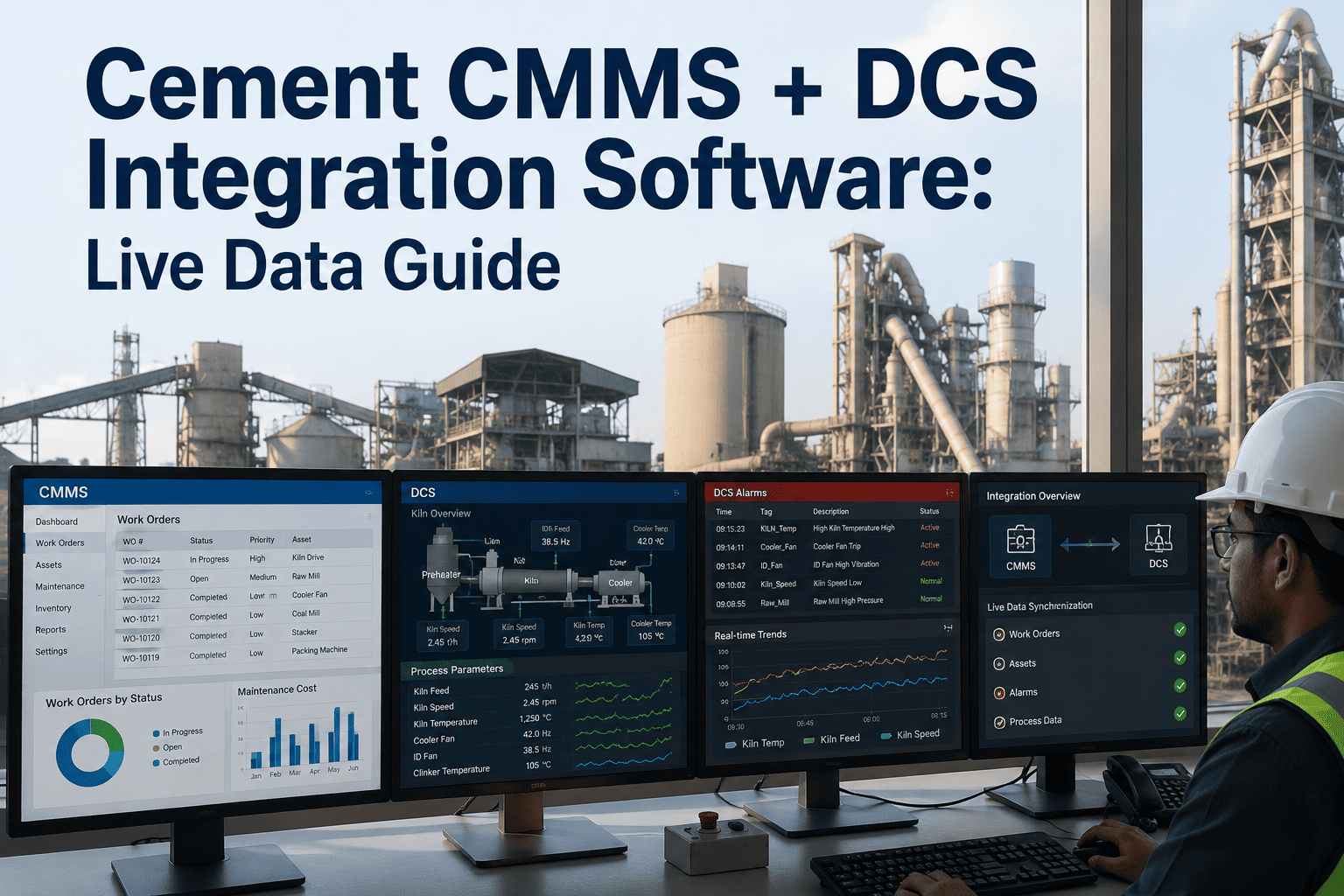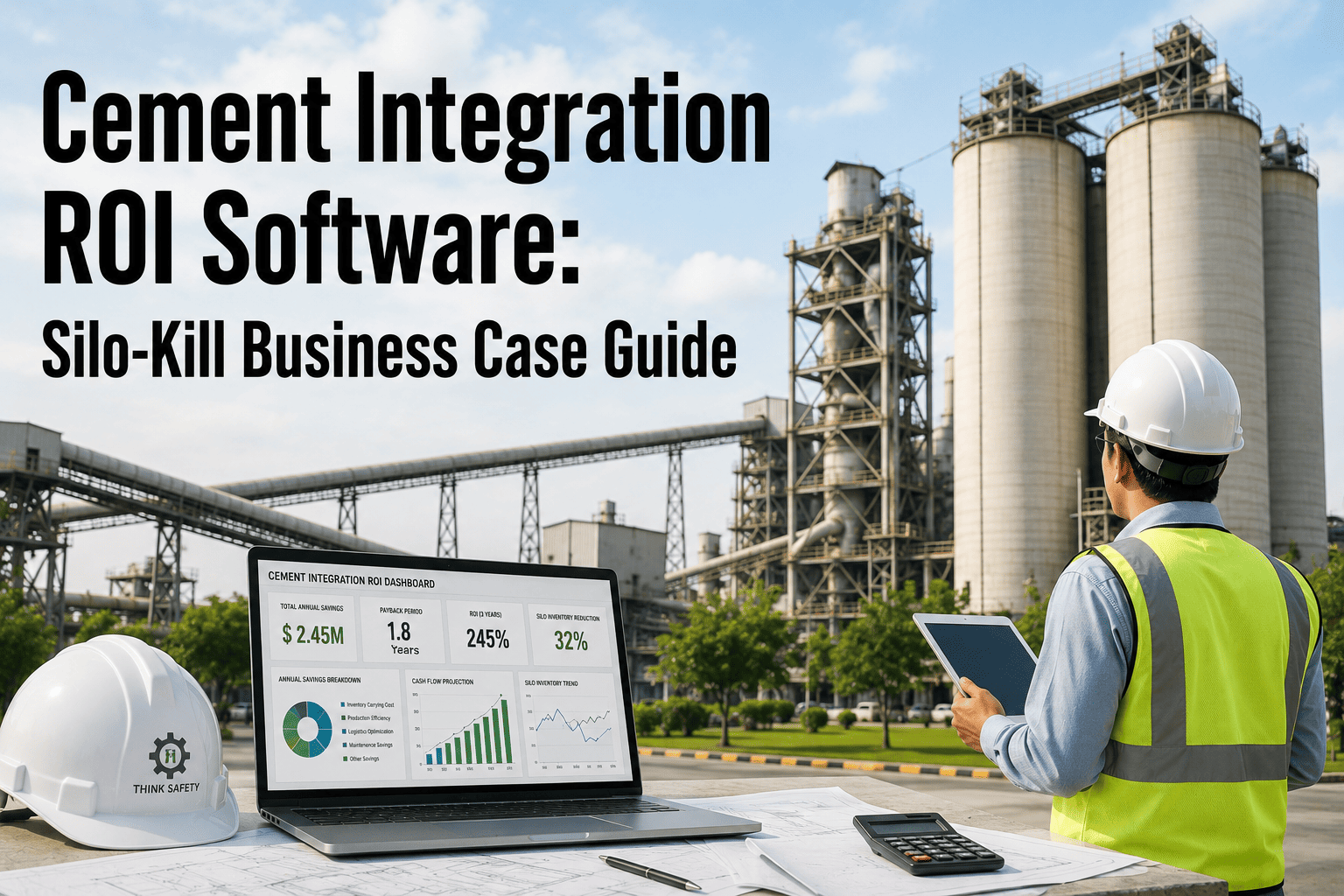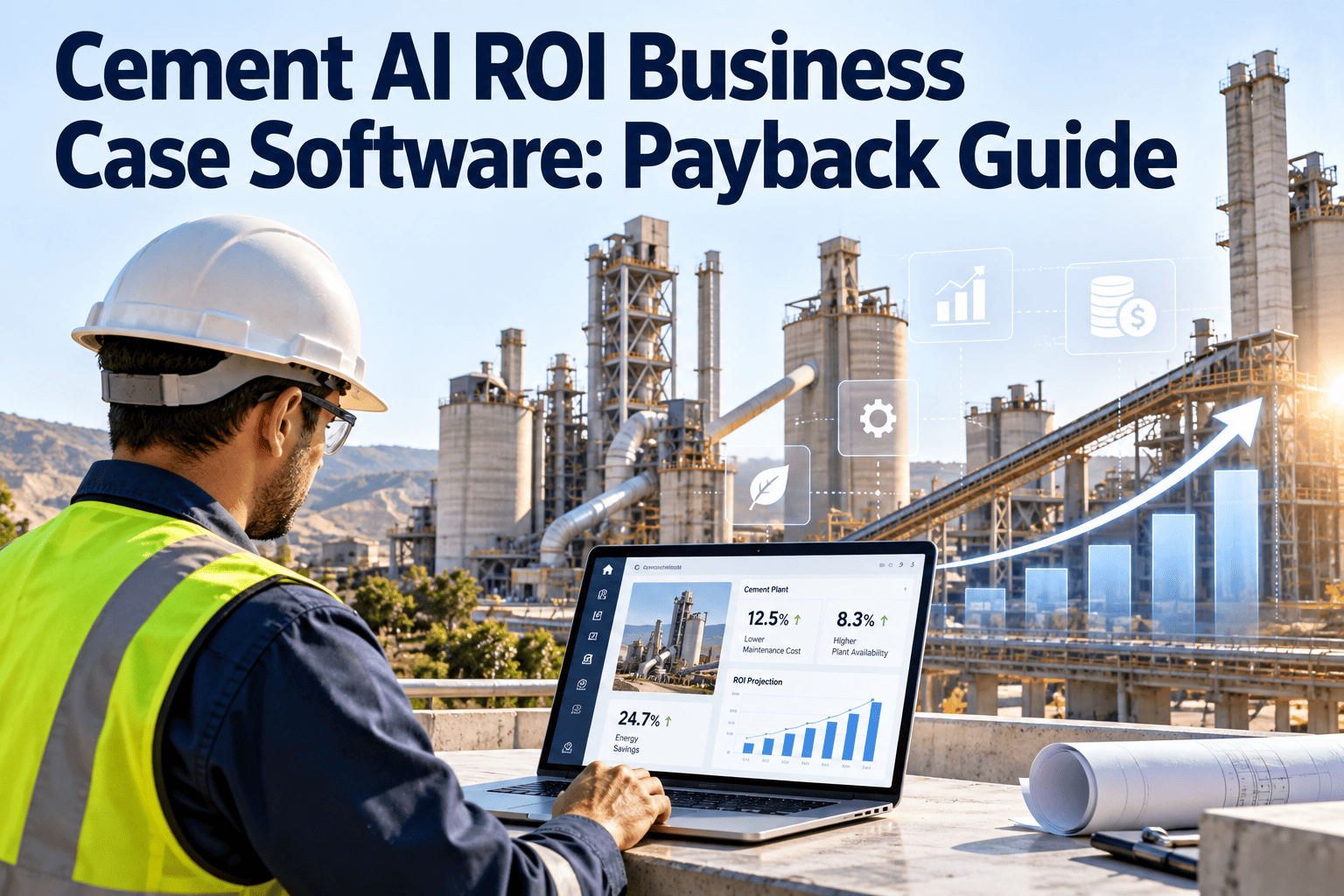
Most cement plant AI pilots stall not because the technology fails, but because the business case never survives contact with finance. A reliability manager can point to a kiln trip that predictive analytics would have caught — but a CFO wants a dollar figure, a payback month, and a line showing where the number came from. Building that case means pulling fuel savings, avoided stoppages, and alternative-fuel gains into one model instead of three separate slide decks. This guide shows the four levers that actually move a cement AI payback period, and how a CMMS-linked platform generates the audit trail finance signs off on — starting with your own plant's downtime and fuel data.
Can your AI proposal survive a fifteen-minute grilling from the CFO?
Cement plants that build a four-lever payback model — fuel, downtime, alternative fuel, and maintenance spend — consistently land AI sign-off in one meeting instead of three budget cycles.
The three reasons finance sends AI proposals back
Reliability teams usually have the technical case right. What sinks the proposal is how the financial case gets assembled.
- 01Savings are estimated from vendor case studies instead of the plant's own twelve months of fuel and downtime data
- 02Fuel, downtime, and alternative-fuel gains are presented in separate decks, so finance cannot see the combined payback
- 03The recurring platform and sensor cost is left out of year-two projections, inflating the apparent ROI
Every defensible cement AI payback model runs on the same four numbers
A credible business case does not chase every possible AI benefit — it isolates the four levers with the clearest, most auditable dollar trail.
Thermal fuel savings
AI-assisted kiln control tightens burning-zone temperature control, cutting specific heat consumption. Pull last year's kcal/kg clinker as the baseline.
Avoided unplanned stops
Vibration, thermal, and power-signature monitoring on kiln drives and mills gives weeks of early warning. Baseline against last year's unplanned-stop hours and your plant's dollar-per-hour downtime cost.
Alternative fuel utilization
Stable, AI-managed combustion tolerates a higher and more variable AF blend without upsetting clinker quality — directly lowering fossil fuel spend per tonne.
Maintenance and inventory spend
Condition-based work orders replace fixed-interval overhauls, reducing both labor hours and the carrying cost of spare-parts inventory.
One formula finance can check against your own numbers
Run this model on your own plant's numbers, not a vendor benchmark
A CMMS that already holds your work-order history and downtime hours can populate this formula in an afternoon, not a quarter.
A worked example for a two-kiln plant
Sensor and platform cost lands up front, then the four levers accrue monthly. This is the shape a CFO expects to see — not a single end-of-year number.
| Month | Cumulative benefit | Cumulative cost | Net position |
|---|---|---|---|
| Month 1 | $38K | $112K | −$74K |
| Month 3 | $146K | $118K | +$28K |
| Month 6 | $318K | $126K | +$192K |
| Month 12 | $690K | $140K | +$550K |
This illustrative model crosses breakeven near month three, with sensor and integration cost front-loaded and recurring license cost held flat. Your own baseline downtime hours, fuel cost, and AF blend will move these numbers — the CMMS-linked model recalculates them from live data rather than a fixed assumption.
The data set that turns skepticism into sign-off
| Without a CMMS-linked model | With a CMMS-linked model |
|---|---|
| Downtime cost estimated from memory or a single bad quarter | Twelve months of logged unplanned-stop hours by asset |
| Fuel savings quoted from a vendor's other customer | Plant's own kcal/kg trend pulled from historian and work-order data |
| Maintenance savings assumed as a flat percentage | Reactive vs. planned work-order cost split, by equipment class |
| Year-two ROI overstated by omitting license renewal | Recurring platform cost carried into every forward-year projection |
Cement AI ROI business case — five common questions
What payback period should a cement AI proposal target?
Plants combining fuel, downtime, and alternative-fuel levers commonly land in a 4–8 month window. A model built on a single lever alone typically stretches past 12 months.
Should the business case include sensor hardware cost or only software?
Include both. Finance will discount any model that excludes vibration sensors, thermal cameras, or integration labor — the full year-one cost belongs in the denominator.
How do we baseline downtime cost per hour accurately?
Use lost clinker output at standard margin plus any contractual penalty exposure, not just lost revenue. Most plants already have this figure in their operations reporting.
Does alternative fuel utilization really move the payback number?
Yes — AI-stabilized combustion often allows a higher and steadier AF blend without clinker quality excursions, and the fossil-to-AF cost delta compounds monthly across full kiln output.
Can we build this model before buying any AI platform?
Yes. Pulling twelve months of downtime and fuel data from your CMMS is the first step, and it works whether or not you've selected a vendor. Book a Demo and we'll help you baseline it.
Stop pitching AI on someone else's case study
Pull twelve months of fuel, downtime, and maintenance-spend data from your CMMS and build the four-lever model finance can verify line by line.
Free trial · No credit card required