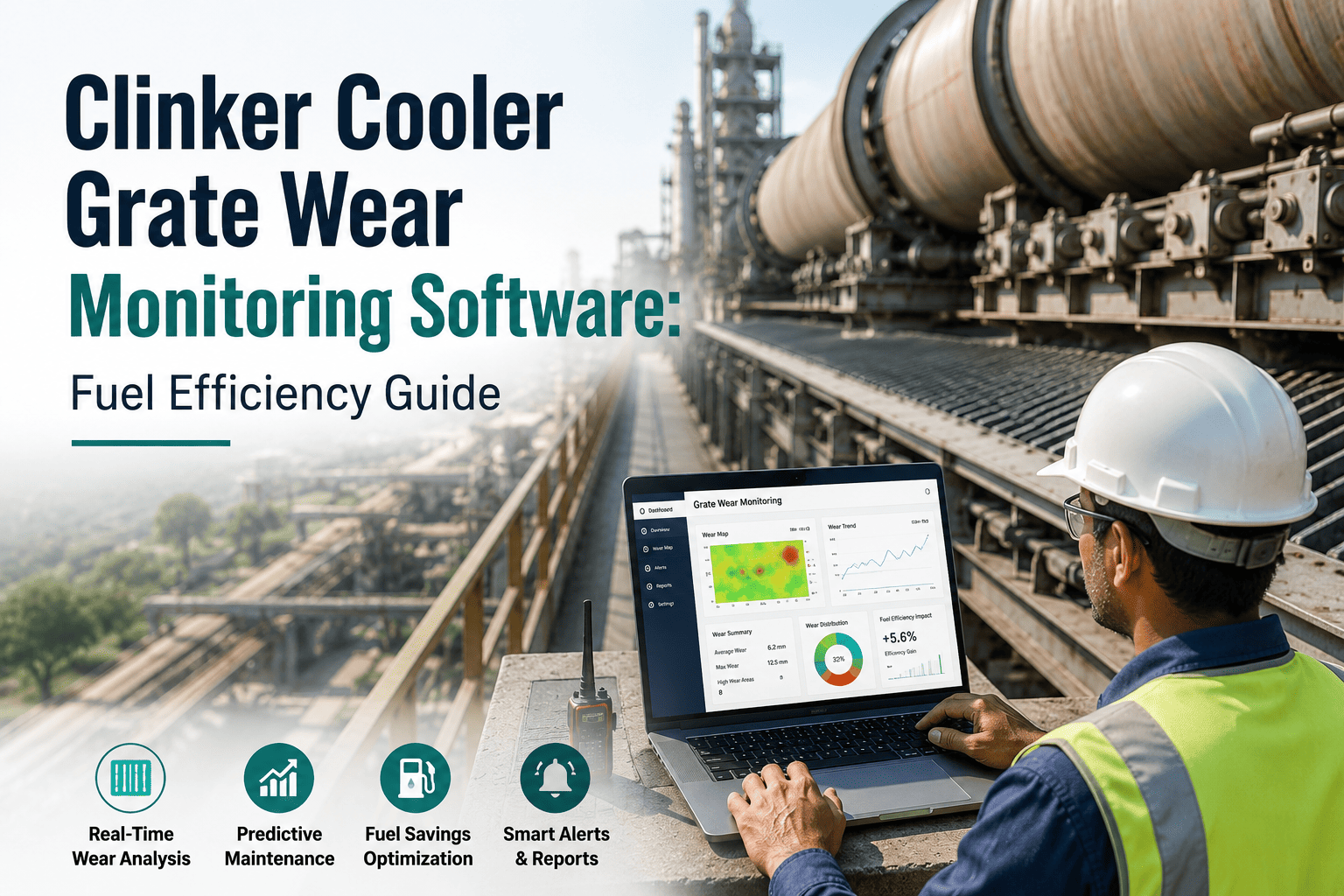
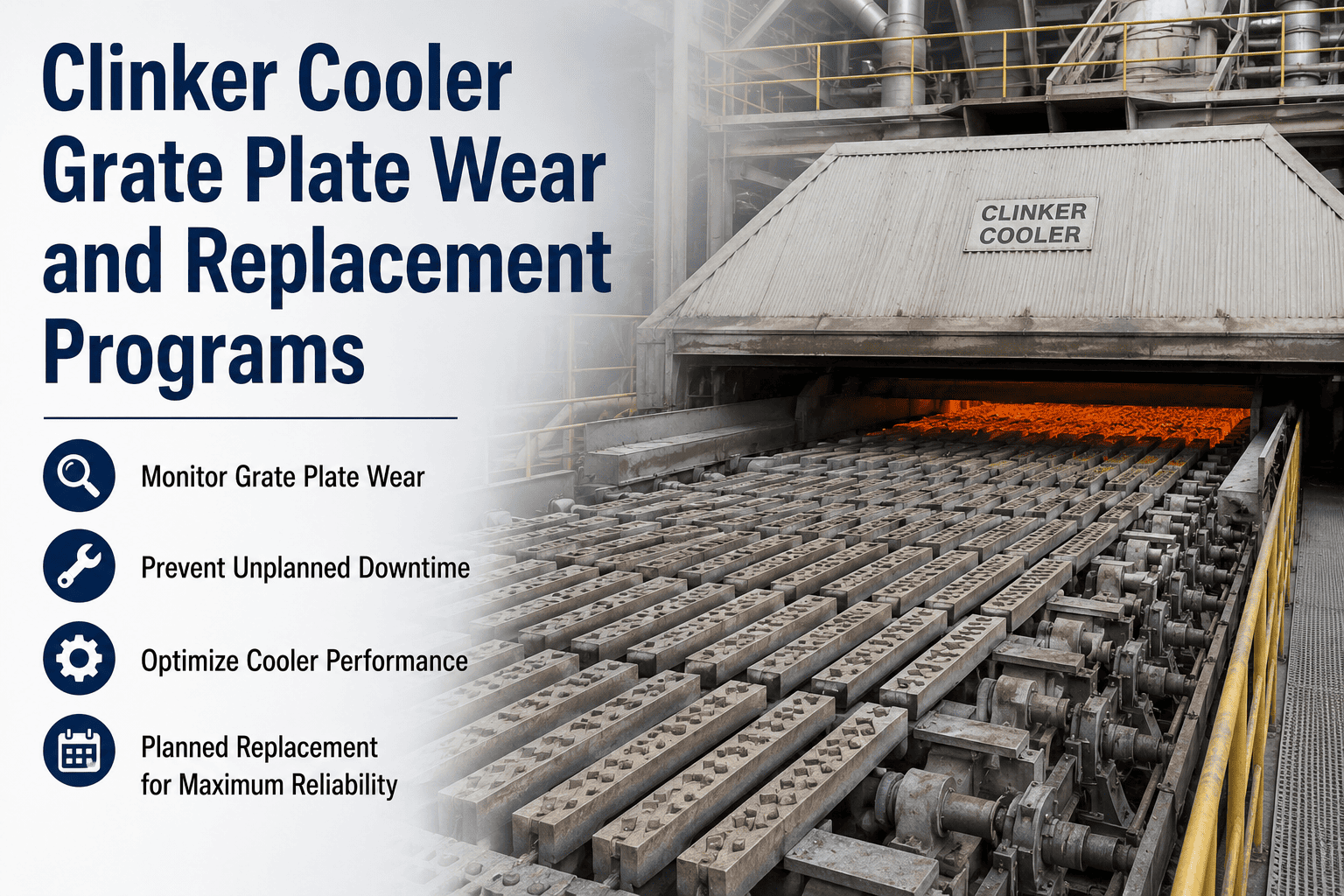
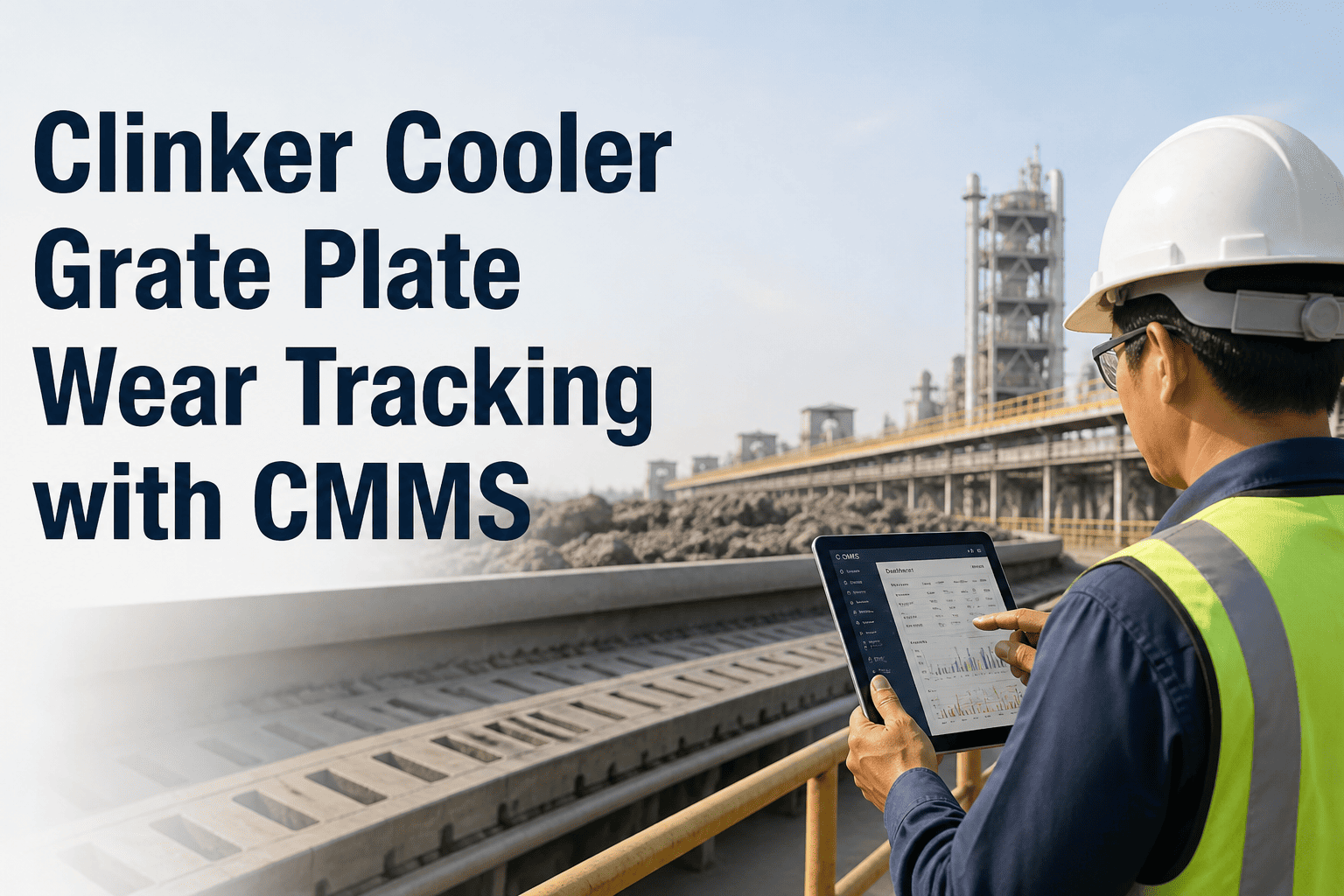
A cement plant in Texas experienced unexpected grate plate failures that caused 72 hours of unplanned downtime—$540,000 in lost production plus emergency repair costs. Post-incident analysis revealed that worn plates had been obscured by clinker buildup during manual inspections, and the extreme heat prevented thorough assessment of the hot end zone. After deploying heat-resistant inspection robots with thermal imaging, the plant now maps grate plate wear across all cooler zones during brief operational pauses. Wear data feeds directly into their CMMS for predictive replacement scheduling, enabling spare parts procurement months before annual shutdowns. Unplanned cooler failures dropped to zero over the following 18 months.
Clinker coolers present extreme inspection challenges: temperatures exceeding 1,000°C at the hot end, intense dust concentrations, and hazardous conditions even during shutdowns. Traditional visual inspection misses wear patterns hidden by clinker deposits and cannot assess air distribution uniformity. Inspection robots and drones designed for these conditions provide thermal mapping, wear measurement, and refractory assessment without human exposure. This guide covers clinker cooler inspection solutions, grate plate monitoring strategies, and CMMS integration for predictive maintenance. Book a demo to see how Oxmaint tracks cooler component wear.
Clinker Cooler Inspection Robots & Drones: Grate Plate Monitoring with CMMS
Heat-resistant robots that map grate wear, air distribution, and refractory condition at temperatures impossible for human inspection.
Clinker Cooler Zones
Grate coolers have distinct temperature and wear zones requiring different inspection approaches.
Hot End Zone
Receives glowing clinker directly from kiln. Maximum thermal stress and abrasion wear on grate plates.
Middle Zone
Primary cooling area. Highest air flow rates; grate plate wear from clinker abrasion and thermal cycling.
Discharge Zone
Cooled clinker exits to crusher. Lower temperatures but mechanical wear from clinker extraction.
Inspection Challenges
Traditional cooler inspection faces significant limitations that robotic systems overcome.
Extreme Temperatures
Hot end exceeds 1,000°C during operation. Even during shutdowns, residual heat prevents thorough manual inspection for hours.
Clinker Buildup
Clinker deposits obscure grate plate condition. Visual inspection cannot see wear beneath accumulation layers.
Limited Visibility
Dust, heat shimmer, and confined access restrict manual observation. Critical wear patterns go undetected.
Safety Hazards
Confined spaces, falling clinker, extreme heat, and silica dust create multiple hazards for human inspectors.
Track Grate Plate Wear Across Campaigns
Oxmaint stores inspection data from every robot survey, trending wear patterns to predict replacement timing.
Inspection Robot & Drone Solutions
These platforms are designed for extreme cement plant environments. Oxmaint integrates with all major inspection platforms.
Gecko Robotics TOKA
Wall-climbing inspection robotMagnetic climbing robot with ultrasonic thickness measurement and thermal imaging for comprehensive grate assessment.
Inuktun Versatrax HT
High-temperature crawlerHeat-resistant tracked crawler designed for hot industrial environments with configurable inspection payloads.
Flyability Elios 3
Confined space droneCollision-tolerant drone for rapid visual surveys of cooler interior. Thermal payload for temperature mapping.
ANYbotics ANYmal
Quadruped inspection robotLegged robot for traversing clinker debris and uneven cooler surfaces with thermal inspection payload.
Grate Plate Wear Tracking
Oxmaint CMMS tracks grate plate condition across cooler campaigns for predictive replacement scheduling.
Thickness Trending
Robot UT measurements compared across inspections. Wear rate calculation predicts remaining service life.
Zone Mapping
Plate-by-plate condition tracking with zone identification. Visual heat maps show wear distribution patterns.
Campaign History
Multi-campaign data storage enables pattern analysis across operating conditions and clinker compositions.
Replacement Scheduling
Predicted replacement dates trigger procurement workflows. Spare parts ordered months before shutdown.
Inspection Data Integration
Robot inspection data flows to Oxmaint CMMS for comprehensive cooler maintenance management.
Inspection Execution
Robot surveys cooler zones with thermal and UT sensors. Data captured with zone position tagging.
Data Processing
AI analyzes thermal patterns and thickness measurements. Wear rates calculated against historical data.
Condition Assessment
Plate-by-plate condition scores generated. Critical wear flagged for immediate attention.
Maintenance Planning
Oxmaint generates replacement schedules and procurement requests based on predicted wear-out dates.
Shutdown Optimization
Pre-positioned parts and prioritized work orders minimize shutdown duration for cooler maintenance.
Predict Grate Plate Replacement Timing
Oxmaint tracks wear patterns across campaigns, triggering procurement before annual shutdowns.
Robot Maintenance Requirements
Clinker cooler environments demand specific robot maintenance protocols. Oxmaint tracks robot maintenance alongside cooler equipment.
Heat-Resistant Housing
Inspect camera and sensor housings for heat damage after each cooler deployment. Check seals and thermal barriers.
Thermal Camera Calibration
Verify thermal imaging accuracy for temperature mapping. Recalibrate against reference sources monthly.
Drive Motor Servicing
Dust-sealed motors require inspection and cleaning. Fine clinker particles can compromise seals over time.
Probe Cleaning
Articulated probes and sensors accumulate alkali-rich deposits. Clean thoroughly after clinker environment exposure.
Frequently Asked Questions
Eliminate Unplanned Cooler Failures
Join cement plants using Oxmaint to track grate plate wear and predict replacement timing before failures occur.