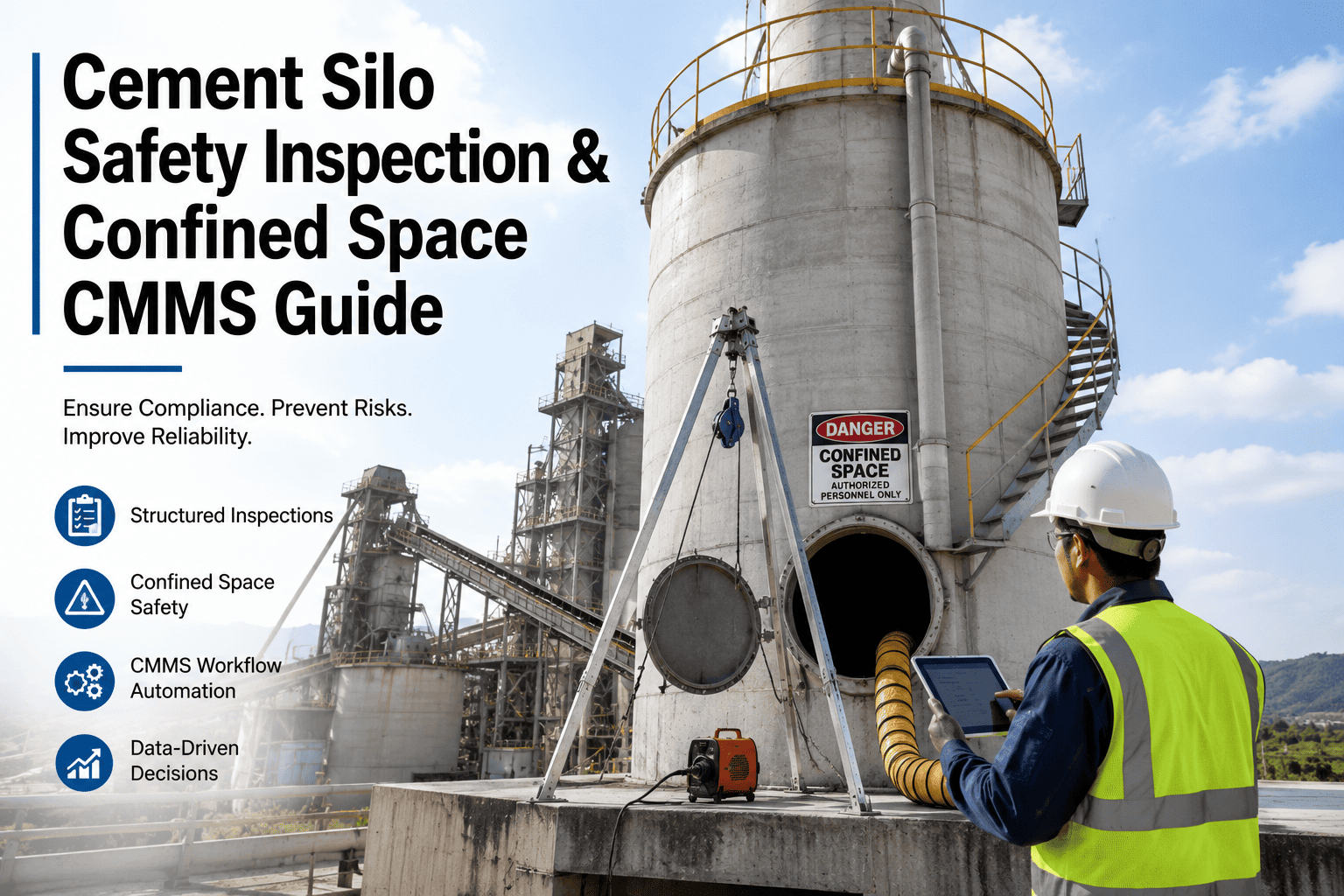
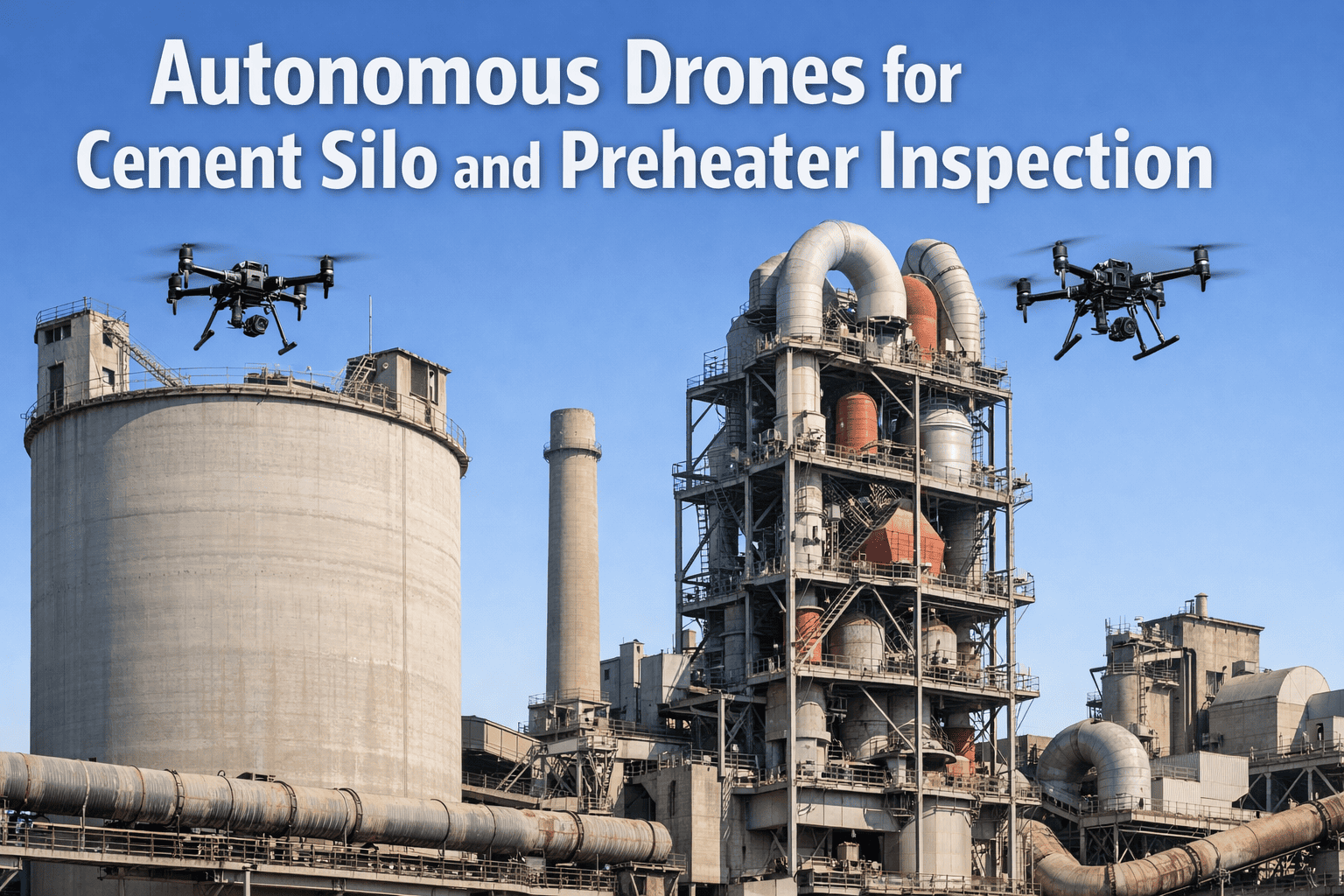
A cement manufacturer in Pennsylvania spent $45,000 annually on scaffold-based silo inspections—each requiring 3-day shutdowns, confined space permits, rescue teams on standby, and workers exposed to residual cement dust and structural hazards. After a near-miss incident when degraded internal ladder rungs failed during inspection, they transitioned to drone-based assessment. Now each silo inspection completes in 15 minutes with no human entry required, capturing 3D LiDAR maps, thermal imaging for moisture detection, and high-resolution photography for crack monitoring. Inspection data flows directly to their CMMS for structural trending by Oxmaint, with wall thickness measurements compared against previous inspections to predict repair timing. Annual inspection costs dropped 80% while inspection frequency increased from annual to quarterly.
Cement silos—whether storing raw meal, clinker, or finished cement—present unique inspection challenges: confined spaces with residual material, corrosive alkaline environments, and structural components requiring regular assessment. Traditional scaffold-based methods are expensive, time-consuming, and create worker safety risks. Inspection drones designed for cement environments eliminate human entry while providing more comprehensive data. This guide covers cement silo inspection drone solutions, structural assessment capabilities, drone maintenance requirements, and CMMS integration for proactive silo maintenance. Book a demo to see how Oxmaint manages silo inspection workflows.
Cement Silo Inspection Drones: Structural Assessment & CMMS Maintenance Guide
Confined-space drones that inspect silos in 15 minutes—no scaffolds, no entry permits, no worker exposure.
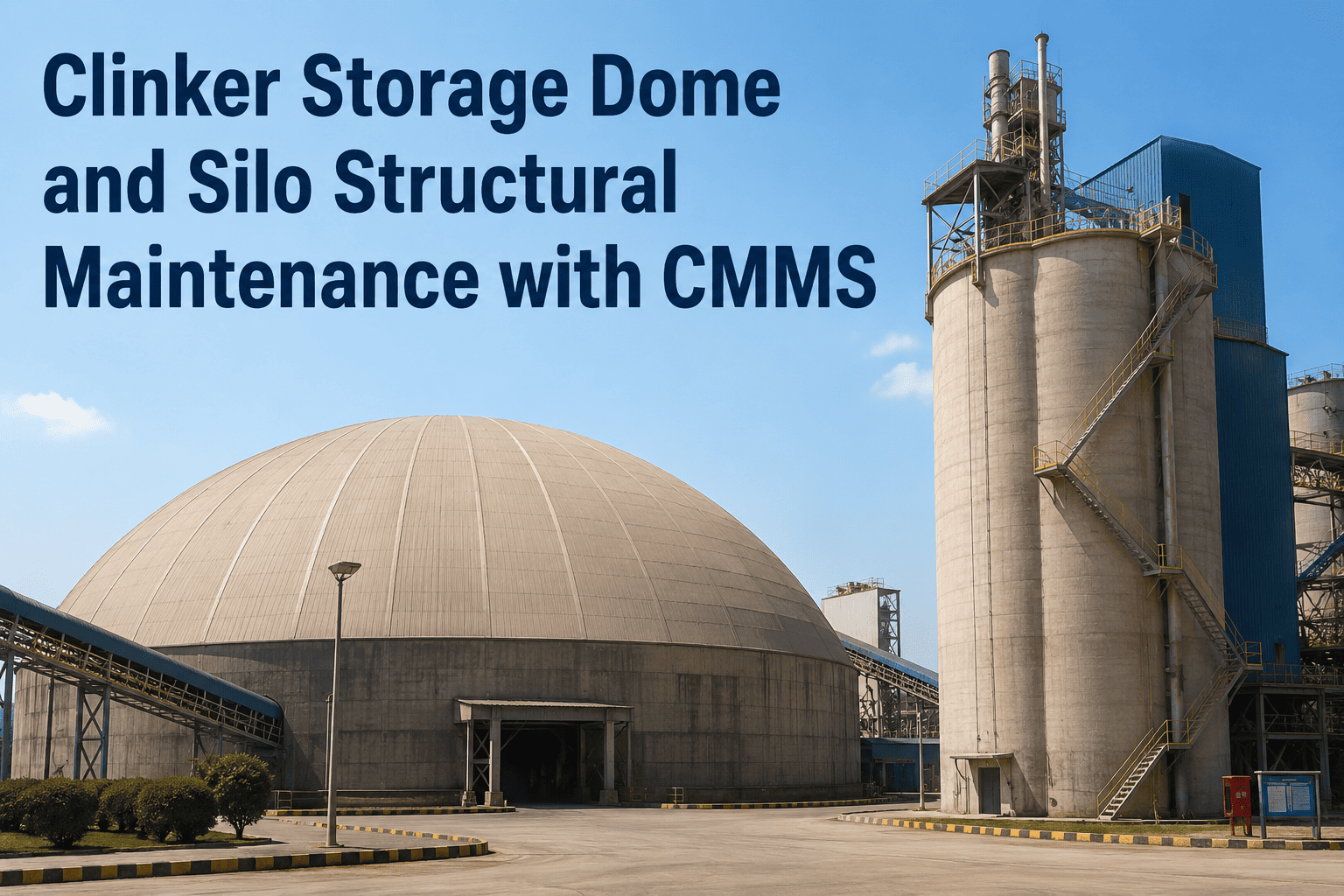
Silo Types Requiring Inspection
Cement plants operate multiple silo types, each with different inspection requirements.
Raw Meal Silos
Store blended raw materials before kiln feed. Inspection focuses on wall wear from abrasive material, discharge cone condition.
Clinker Silos
High PriorityStore hot clinker from kiln cooler. Extreme abrasion from hard nodules creates most demanding inspection environment.
Cement Silos
Store finished cement before dispatch. Moisture infiltration causes caking; alkaline environment corrodes steel components.
Inspection Capabilities Matrix
Modern silo drones provide multiple assessment capabilities. Oxmaint tracks all inspection types with trending.
Track Silo Structural Condition Over Time
Oxmaint stores inspection data from every drone flight, trending wall thickness and crack progression.
Silo Inspection Drone Solutions 2026
Confined-space drones designed for cement silo environments with collision tolerance and dust resistance.
Flyability Elios 3
Collision-tolerant confined spacePurpose-built for confined space inspection with protective cage, LiDAR mapping, and thermal camera.
Scout 137
Industrial inspection droneRobust industrial drone with enhanced dust protection and multiple payload options.
Skydio X10
AI-powered autonomousAdvanced AI navigation for autonomous inspection flights with obstacle avoidance.
Exyn A3R
Fully autonomous platformGPS-denied autonomous operation for completely enclosed silos using SLAM navigation.
Drone Maintenance for Cement Environments
Cement dust requires specific drone maintenance. Oxmaint tracks drone maintenance alongside silo equipment.
Post-Flight Cleaning
- Compressed air cleaning
- Camera lens wipe
- Motor inspection
- Battery contact cleaning
Sensor Maintenance
- Lens anti-fouling treatment
- Thermal calibration check
- LiDAR sensor cleaning
- Cage inspection
System Maintenance
- Motor filter replacement
- LiDAR calibration verify
- Battery health check
- Firmware updates
Major Service
- Motor replacement
- Propeller inspection
- Complete recalibration
- Structural check
Manage Drone & Silo Maintenance Together
Oxmaint tracks both inspection drone maintenance and silo repair work orders in one integrated system.
Cost Comparison
Drone inspection delivers significant cost savings compared to traditional scaffold-based methods.
Frequently Asked Questions
Modernize Your Silo Inspection Program
Join cement plants using Oxmaint to integrate drone inspection data with structural trending and proactive maintenance.