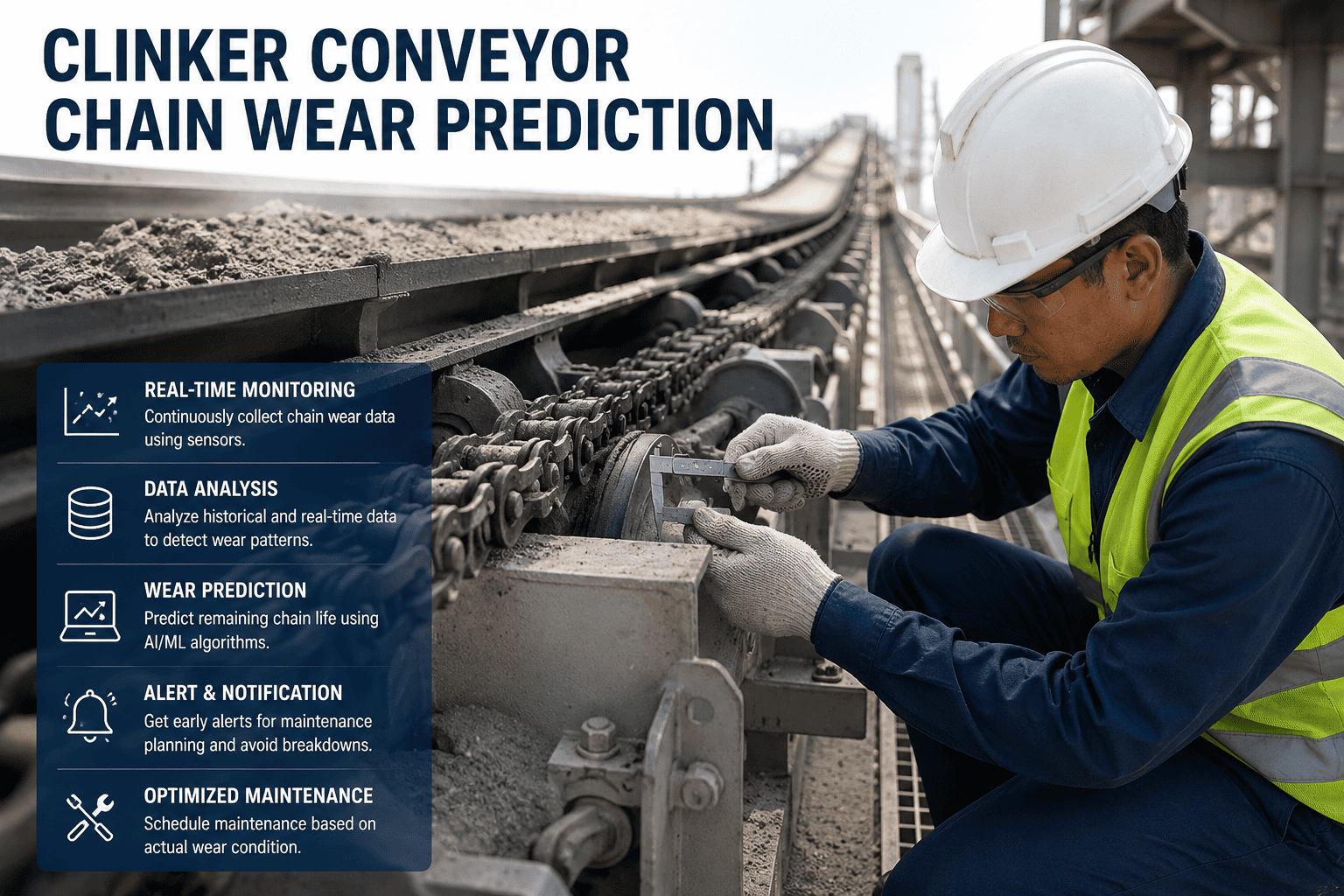
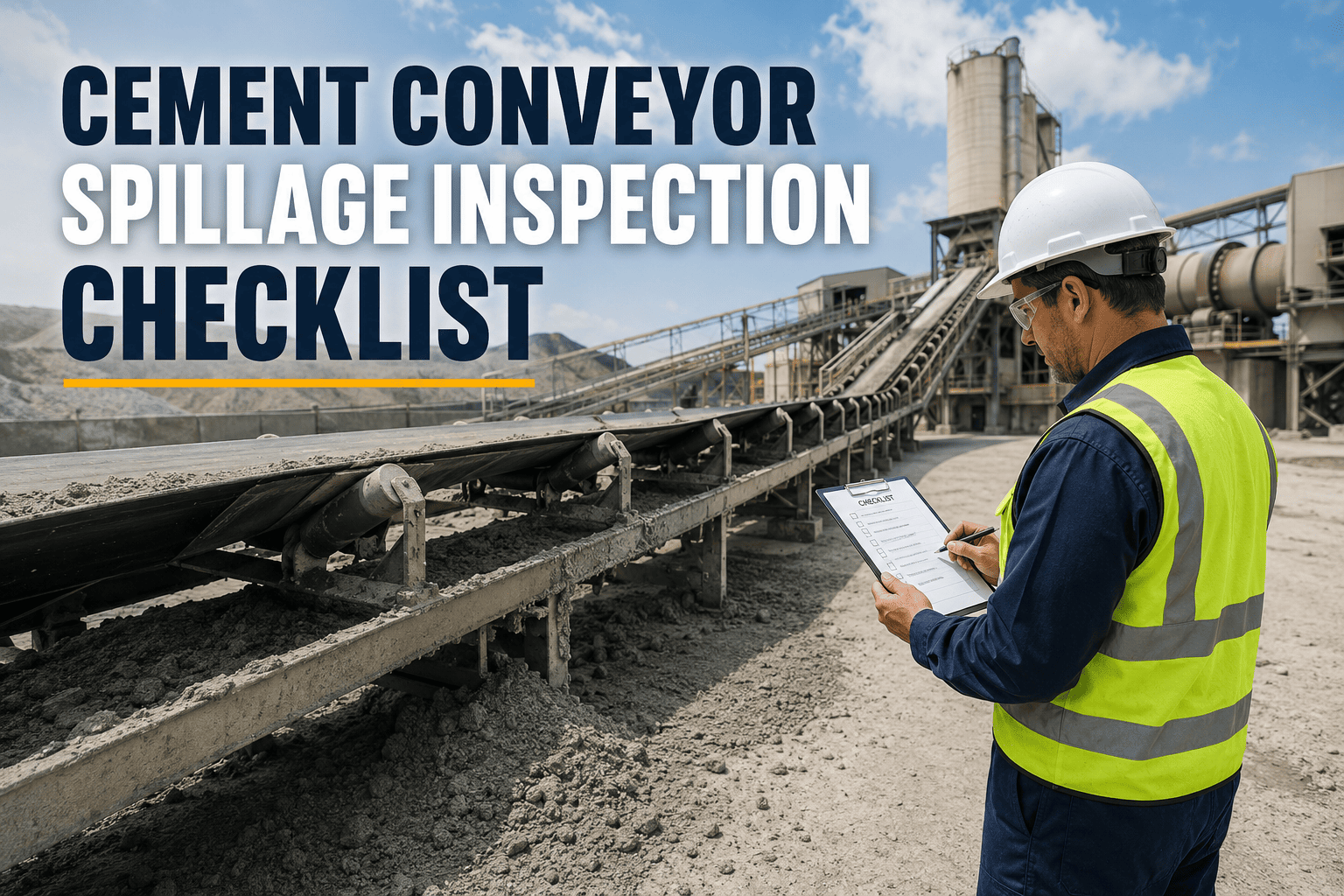
A clinker chain conveyor doesn't fail all at once. It fails one worn bush, one stretched link, and one missed lubrication cycle at a time, until a chain finally snaps under load and the transport line backs up behind it. Running above 200°C with abrasive, dust-heavy material, these conveyors punish any maintenance program built around a generic schedule rather than their actual wear patterns. This checklist breaks the inspection down by component, so your team knows exactly what to check and when to escalate. Run it as a standing routine in OxMaint and every reading builds a wear-rate history you can act on.
Material Handling · Preventive Maintenance
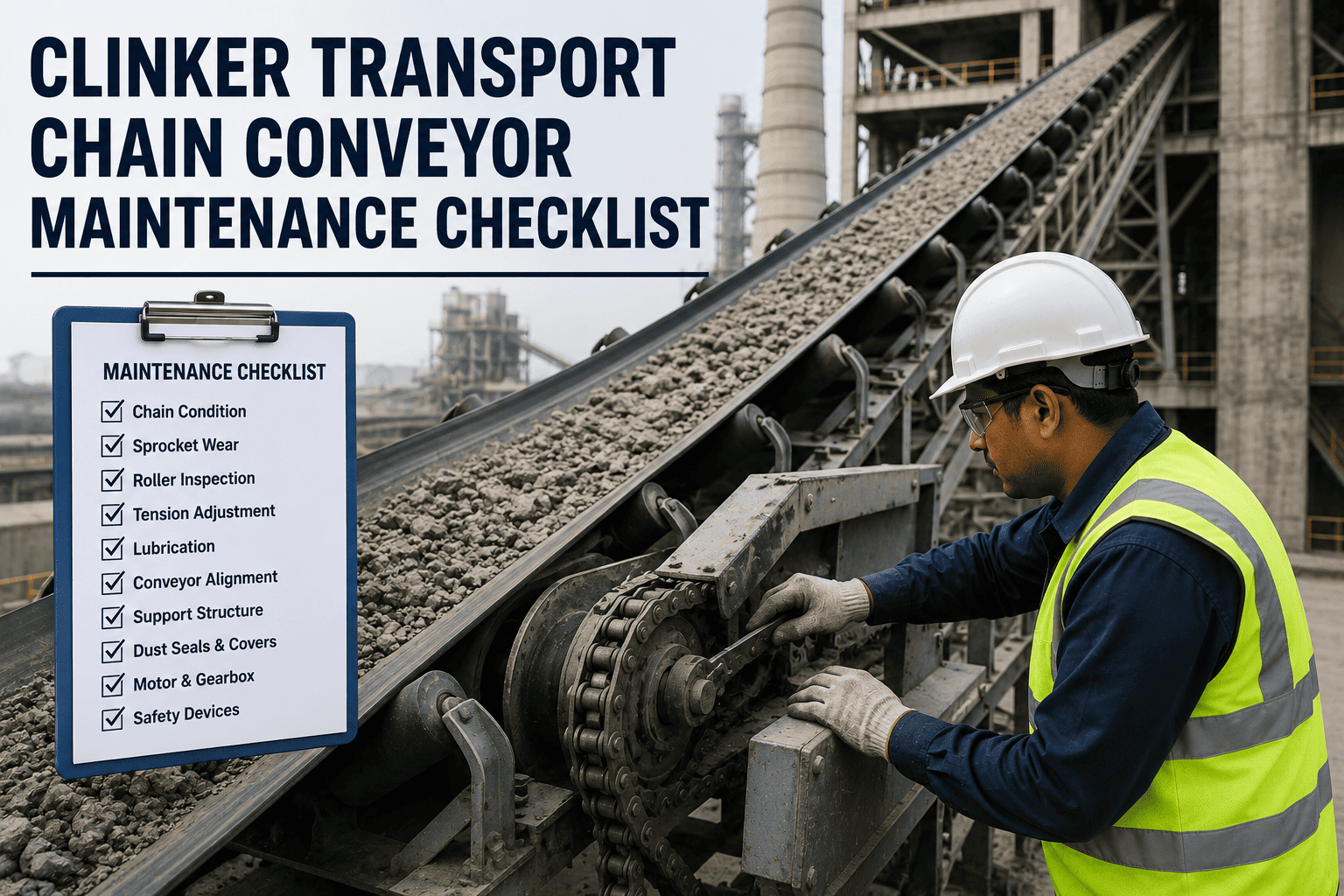
Clinker Transport Chain Conveyor Maintenance Checklist
Chain tension, elongation, lubrication, and sprocket wear — the four things that determine whether your clinker conveyor runs another year or fails mid-shift.
Why Chain Conveyors Fail
The Conditions Working Against Every Clinker Chain
200°C+
Operating temperature near the cooler discharge that breaks down standard lubricants fast
1.5%
Chain elongation beyond original length that signals replacement is due, not optional
24 hrs
Typical continuous run time per day that leaves a narrow inspection window
Abrasive
Clinker dust infiltrates bushings and accelerates wear far faster than clean material handling
Component Breakdown
What to Inspect on Every Component
Chain Links and Bushings
Measure elongation against original pitch length
Check bush wear for exposed bearing pins
Inspect side plates for cracking or deformation
Replace chain if bush wear exposes the bearing pin
Sprockets and Drive Gear
Check tooth wear pattern for uneven engagement
Verify shaft and sprocket alignment
Listen for irregular noise during operation
Misaligned sprockets accelerate chain wear rapidly
Tension and Take-Up System
Confirm chain sag is within manufacturer spec
Check take-up screw or weight for free movement
Adjust tension before chain runs slack under load
A slack chain jumps sprocket teeth under load
Lubrication System
Confirm lubricant rated for operating temperature
Check application points are reaching the chain
Watch for over-lubrication attracting dust buildup
Wrong lubricant at high temperature causes carbonizing
Trough and Liner Wear
Inspect wear-resistant liner thickness at high-flow zones
Check for material buildup restricting chain travel
Confirm housing seals are intact to limit dust escape
Worn liners let abrasive material contact the chain directly
Drive Motor and Bearings
Log motor current against baseline at steady load
Check bearing temperature and vibration levels
Confirm motor ventilation is clear of dust accumulation
A current spike above baseline often signals chain binding
Inspection Frequency
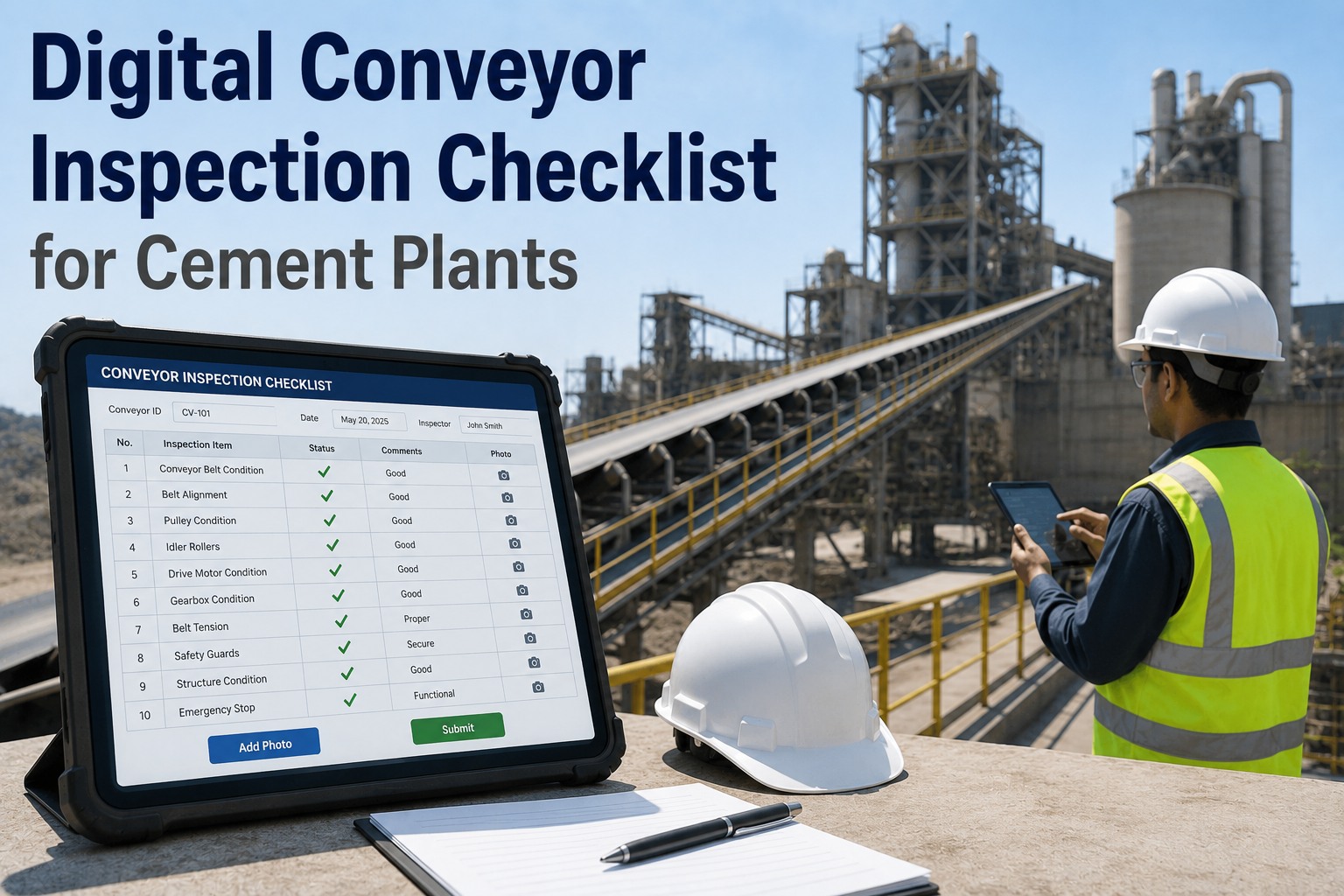
Daily, Weekly, and Monthly Tasks
| Frequency |
Task |
Acceptance Check |
| Daily |
Listen for abnormal noise, check for visible sag |
No grinding, clattering, or excessive chain droop |
| Daily |
Log drive motor current at steady throughput |
Within 5% of established baseline reading |
| Weekly |
Inspect chain tension and take-up position |
Sag within manufacturer-specified range |
| Weekly |
Check lubrication coverage at application points |
Visible film on chain, no dry running sections |
| Monthly |
Measure chain elongation against baseline length |
Below 1.5% elongation from original pitch |
| Monthly |
Inspect sprocket tooth wear and alignment |
Even wear pattern, no visible misalignment |
Before You Touch the Chain
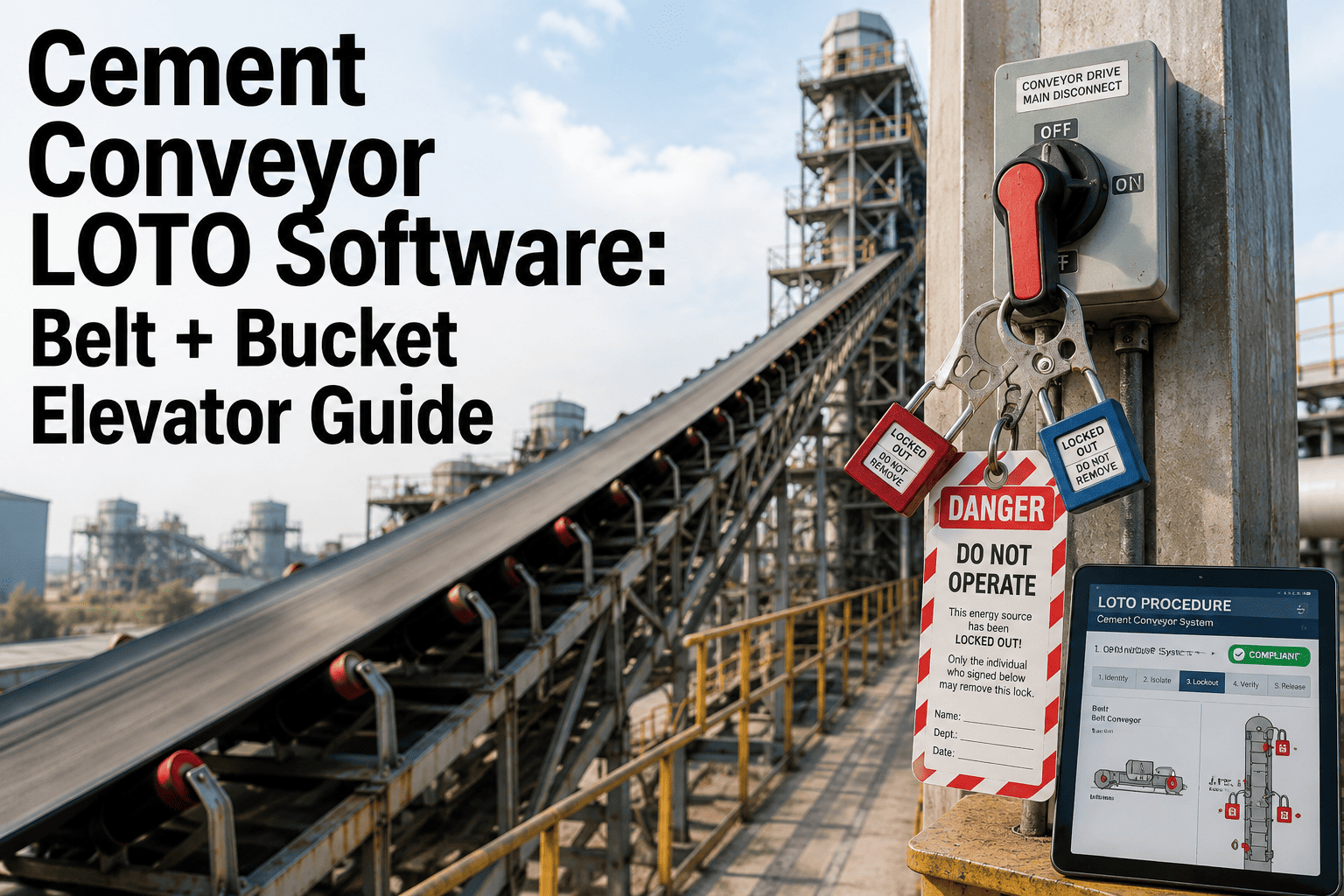
Lockout-Tagout Safety Checklist
A chain conveyor that starts unexpectedly during inspection is one of the most common causes of serious material handling injuries. Complete every step before any hands go near the chain.
Conveyor stopped and drive motor isolated at the breaker
Lockout tag applied with inspector name and start time
Zero-energy state verified by attempting a start from the panel
Access covers opened only after chain has fully stopped moving
Adjacent conveyors checked for any feed interaction risk
Lockout removed and verified only by the technician who applied it
Annual Shutdown Checklist
What to Cover When the Line Is Fully Down
Full chain removal and bush-by-bush wear measurement
A shutdown is the only practical window to dismantle sections of chain and check bush wear that can't be assessed while running.
Sprocket replacement if tooth wear has passed the limit
Worn sprockets are best replaced alongside a worn chain, since pairing a new chain with old sprockets accelerates wear on both.
Full liner and trough inspection along the entire run
Walk the complete trough length to catch thin spots in wear liners that a brief access-window check during operation would miss.
Drive motor and gearbox oil sampling
Oil analysis during a shutdown catches contamination or wear metal trends well before they show up as a current or vibration alarm.
Stop discovering chain wear the hard way. Log tension, elongation, and lubrication checks against a fixed schedule and let every reading build a trend you can act on before a chain snaps.
Spares & Tools Checklist
What to Stock Before the Chain Tells You It's Needed
Chain Sections and Connecting Links
A pre-cut spare chain section sized for your conveyor avoids a multi-day wait for fabrication during an unplanned failure.
Sprocket Sets
Keep a matched sprocket set on hand so a worn sprocket can be replaced at the same time as the chain it drives.
High-Temperature Lubricant Stock
Ensure the correct dry-film or wet-film lubricant for each temperature zone is stocked, not substituted with whatever is available.
Liner Plates and Wear Strips
Pre-cut liner sections for high-flow zones reduce the time the conveyor sits open during a liner replacement.
FAQs
Frequently Asked Questions
How do I know when a clinker chain conveyor needs chain replacement?
The most reliable indicator is measured elongation against the chain's original pitch length, with most manufacturers recommending replacement once elongation reaches around 1.5 to 2 percent. Visible bush wear that exposes the bearing pin, or side plates showing cracking, are equally strong signs that replacement shouldn't wait for the next scheduled outage.
OxMaint can track elongation readings over time so the trend is visible before failure.
What lubricant should be used on a clinker conveyor chain near the cooler discharge?
High-temperature zones above roughly 160°C generally require a dry-film lubricant such as a graphite or molybdenum disulphide based product, since standard wet-film greases can carbonize and lose effectiveness. Lower-temperature sections of the same conveyor line may still use a conventional wet-film lubricant, so it's worth checking the actual operating temperature at each lubrication point and logging it in
OxMaint rather than applying one product across the whole conveyor.
Why does chain tension need frequent adjustment on clinker conveyors?
Chain naturally elongates with wear and use, so a tension setting that was correct a month ago can leave the chain running slack today, which increases the risk of it jumping sprocket teeth under load. Frequent tension checks catch this drift early and prevent the kind of sudden mistracking that can damage sprockets or stop the conveyor entirely.
Book a demo to see how OxMaint schedules recurring tension checks automatically.
Can a clinker chain conveyor run continuously without scheduled downtime for inspection?
Most plants run these conveyors near continuously, which is exactly why inspections need to be designed around brief access windows rather than assuming a long shutdown. Daily noise and current checks, weekly tension and lubrication checks, and monthly elongation measurement can all be scheduled in
OxMaint and performed during short access windows without taking the conveyor fully offline.
What's the most common root cause of unplanned clinker conveyor downtime?
Chain failure from undetected elongation or bush wear is among the most common causes, often compounded by sprocket misalignment that accelerates wear without anyone noticing until the chain skips or breaks. A consistent inspection routine that tracks elongation and alignment over time is the most effective way to catch this before it causes a shutdown.
OxMaint keeps this wear history attached to the specific conveyor asset.
Catch Chain Wear Before It Becomes a Shutdown
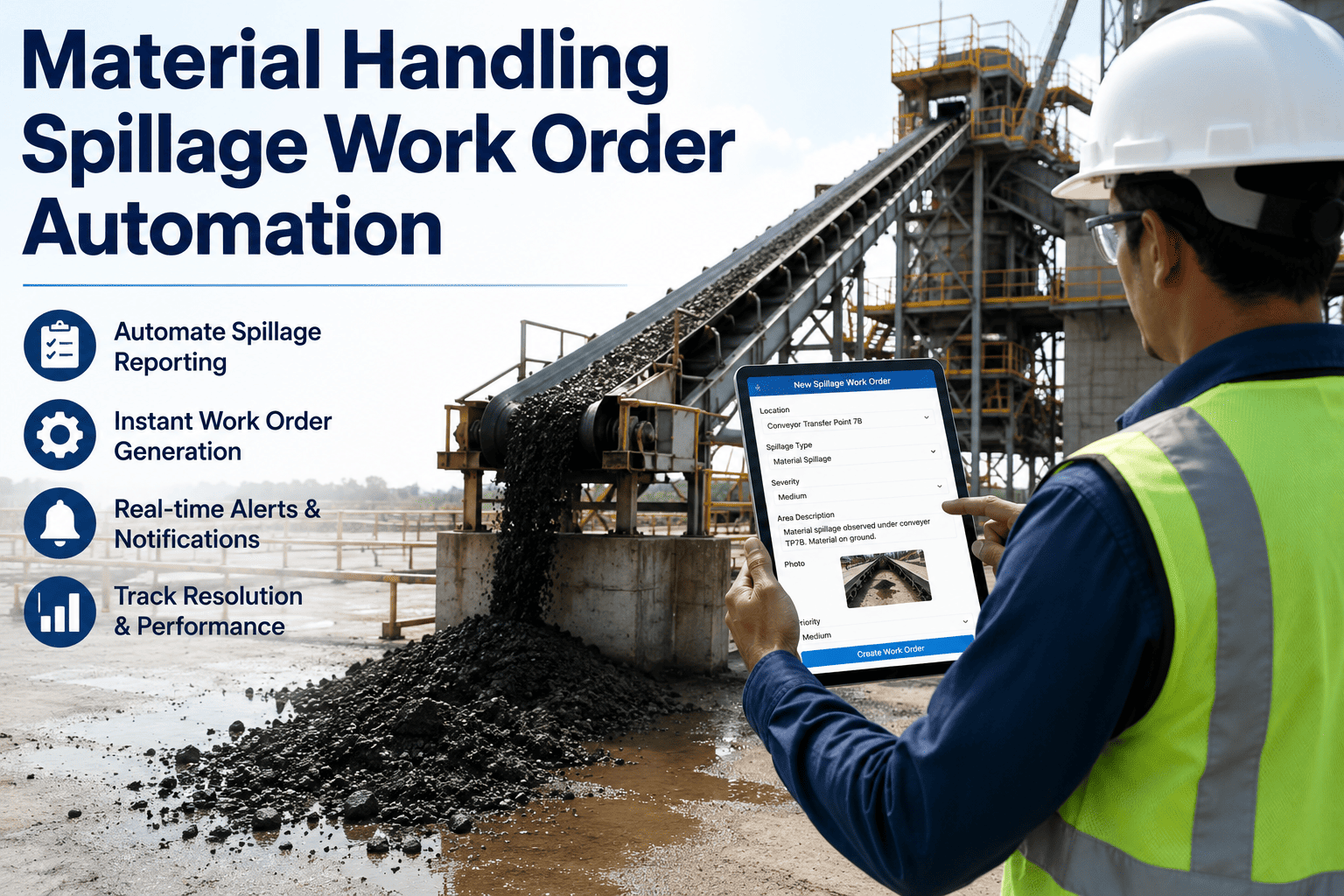
Component-level checklists, wear-rate tracking, and automatic work orders for tension, lubrication, and elongation findings — built for the conveyors that can't afford to stop.