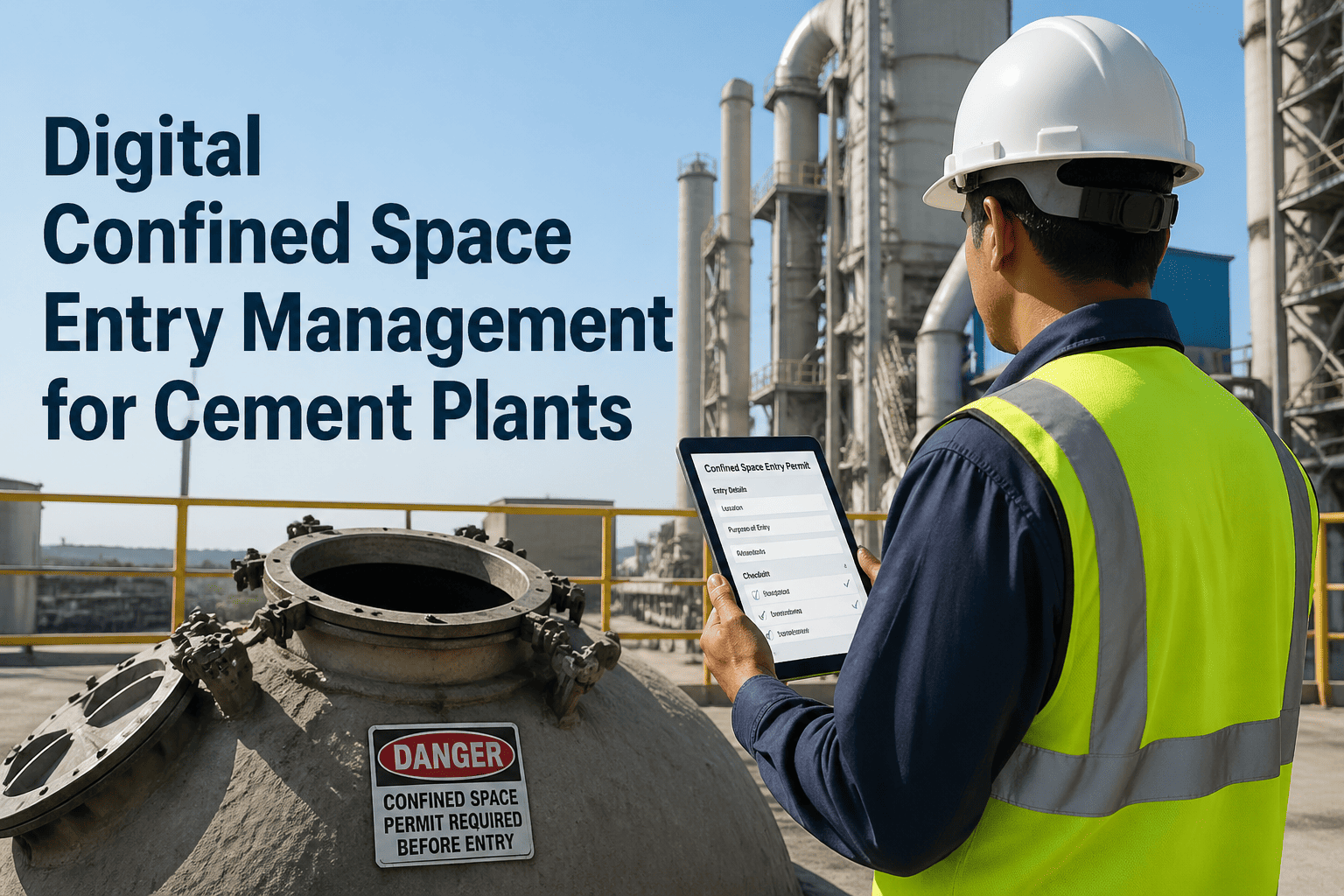
Confined Space Entry Permits for Cement Kiln and Silo Work
By John Snow on February 23, 2026
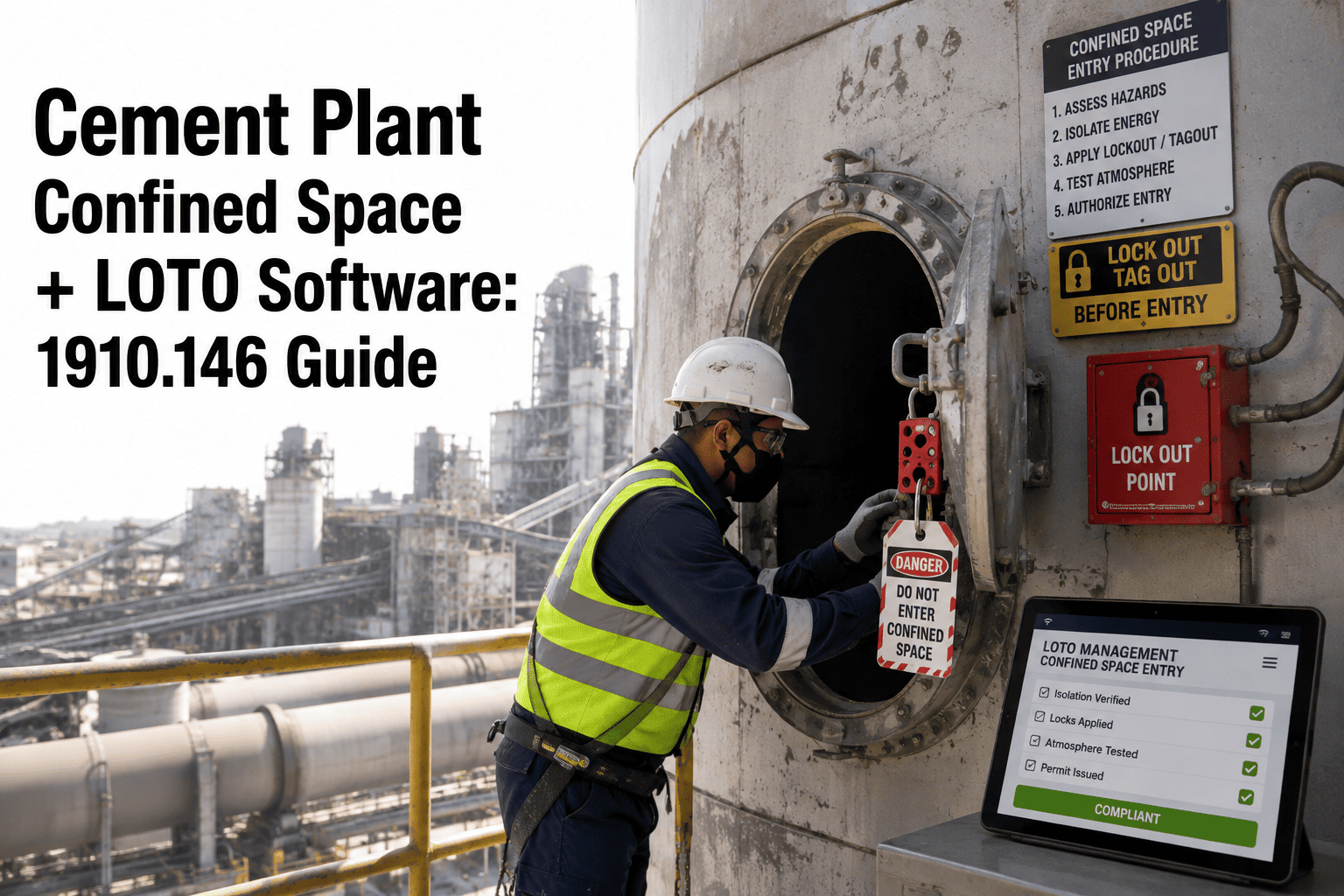
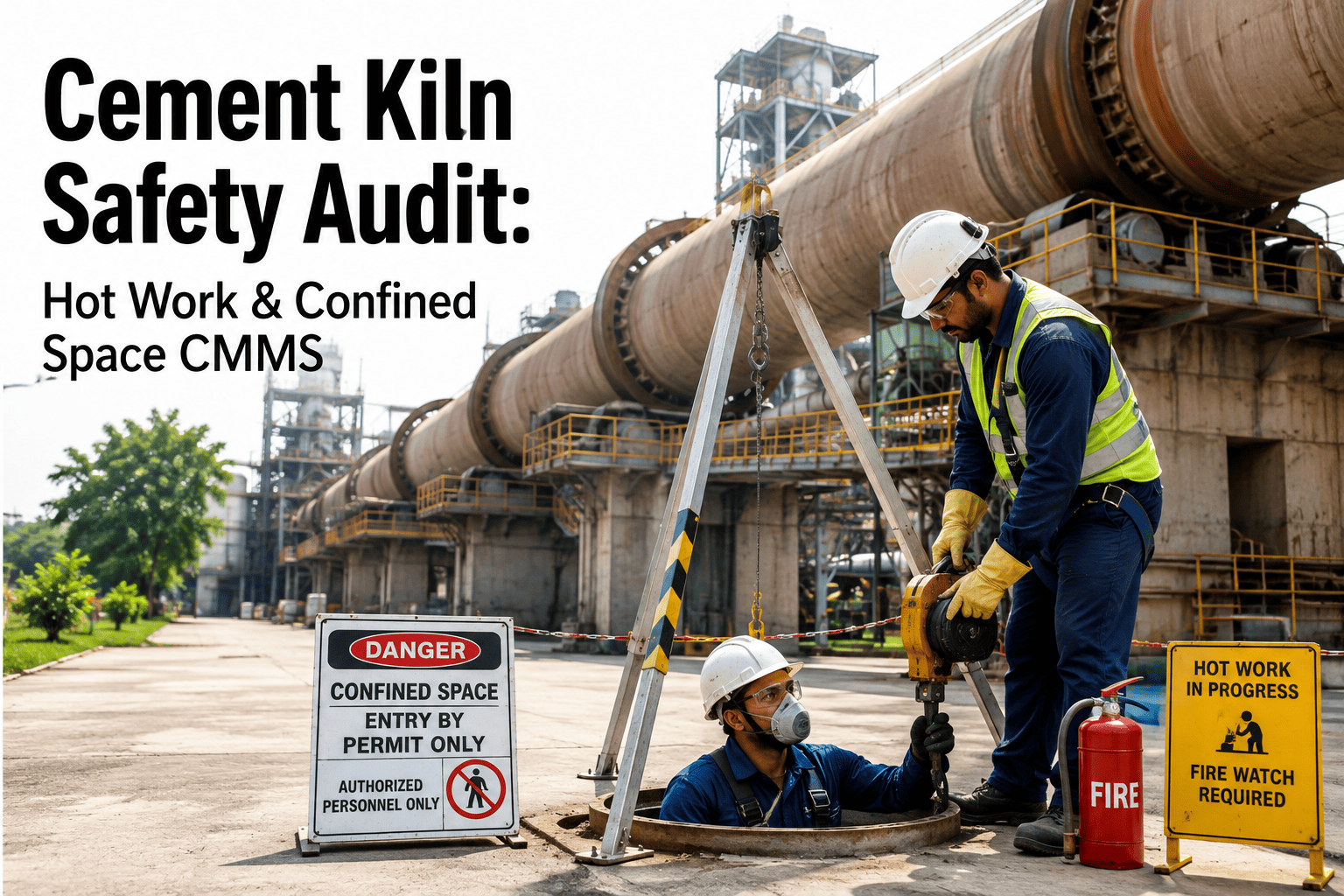
A cement plant in Morocco avoided a fatal asphyxiation incident when atmospheric monitoring during a silo entry detected dropping oxygen levels 47 seconds before the entrant would have lost consciousness. The digital permit system immediately triggered audible alarms and notified the standby rescue team, enabling extraction within 2 minutes. Cement kilns and silos present some of the most hazardous confined spaces in industrial settings—clinker silos contain oxygen-depleting materials, kiln shells accumulate toxic gases during operation, and raw material silos can engulf workers without warning. Properly managed confined space entry permits ensure atmospheric testing, ventilation, rescue planning, and authorization procedures protect every worker who enters these spaces. Sign up for Oxmaint to digitize confined space entry permit management.
Permit-Required Confined Space Entry
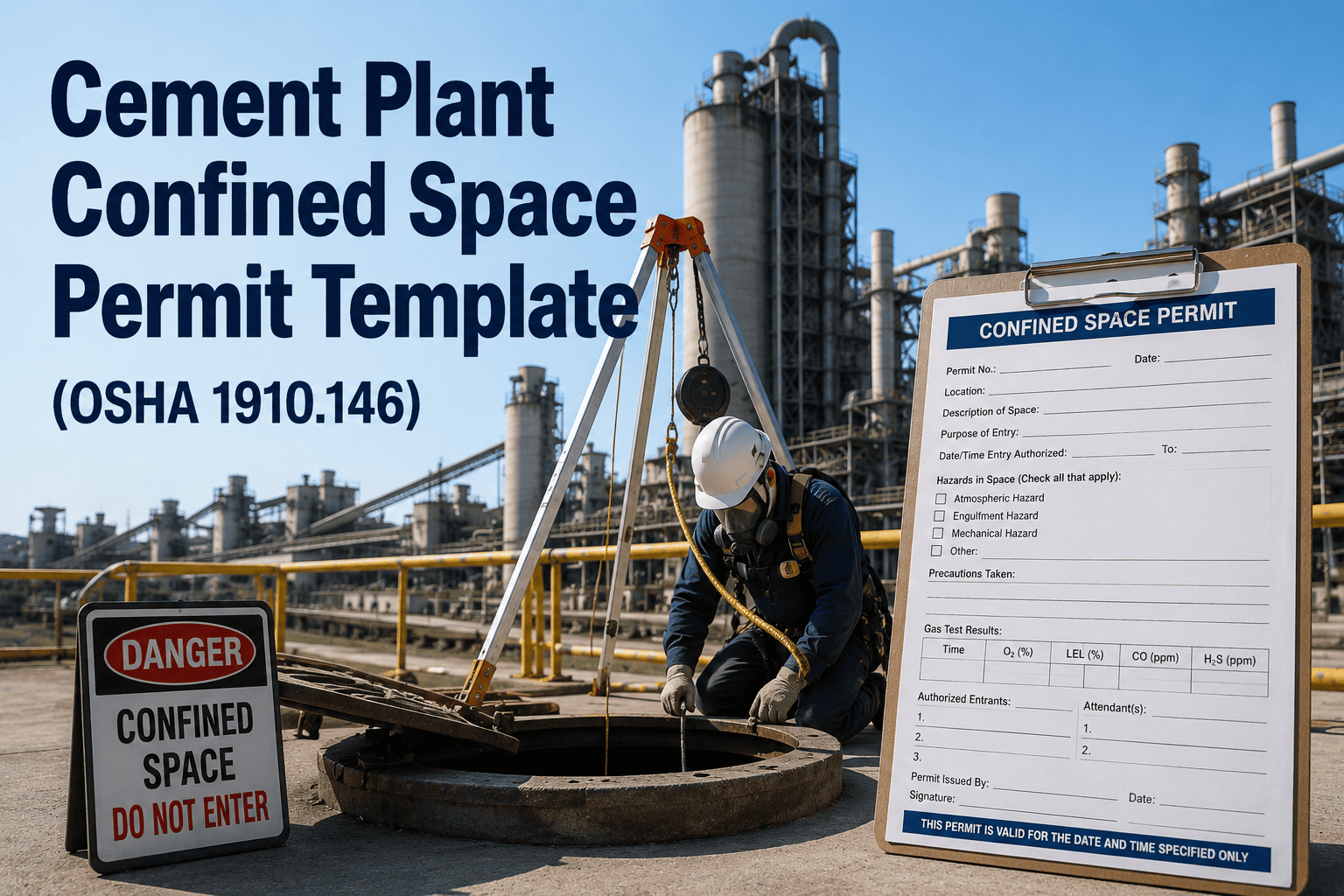
This guide covers confined space entry permit requirements for cement kilns, silos, preheaters, and clinker coolers. Every entry requires a valid permit with documented atmospheric testing, ventilation verification, rescue planning, and authorized signatures.
65+
Annual CSE Deaths (US Industrial)
60%
Deaths from Atmospheric Hazards
35%
Deaths During Rescue Attempts
100%
Preventable with Proper Permits
Confined Space Classification
Different spaces require different permit levels based on hazard assessment. Proper classification determines atmospheric testing frequency, rescue requirements, and authorization levels.
PRCS
Permit-Required Confined Space
Contains or has potential for hazardous atmosphere, engulfment material, converging walls, or other serious safety hazards. Full permit procedures required.
Cement Plant Examples
Rotary kiln interior
Clinker silos (active)
Preheater cyclones
Coal mill interior
Non-PRCS
Non-Permit Confined Space
Confined space without atmospheric or physical hazards under normal conditions. Can be reclassified to PRCS if conditions change or work introduces hazards.
Cement Plant Examples
Electrical vaults (ventilated)
Large equipment enclosures
Empty storage tanks
Pits without material
Alternate
Alternate Entry Procedures
PRCS where hazards can be eliminated through continuous forced air ventilation. Simplified permit with continuous atmospheric monitoring required.
Cement Plant Examples
Emptied silos (ventilated)
Cooled kiln (isolated)
Mill interiors (cleaned)
Conveyor tunnels
Atmospheric Testing Requirements
Test atmosphere before entry and continuously monitor during occupancy
Parameter
Safe Range
Action Level
Required Action
Oxygen (O2)
19.5% - 23.5%
<19.5% or >23.5%
No entry without SCBA; identify and eliminate source
Digitize atmospheric testing records. Oxmaint captures gas detector readings directly into permits, creates automatic alerts when readings exceed thresholds, and maintains audit-ready documentation of all atmospheric monitoring.
Proper ventilation establishes and maintains safe atmospheric conditions throughout the entry. Requirements vary by space type and hazards present. Book a demo to see ventilation verification workflows.
Forced Air Ventilation
Supply air from clean source outside hazardous area
Minimum 20 air changes per hour for PRCS entries
Continuous operation throughout entry duration
Document CFM rating and duct placement on permit
Continuous Monitoring
4-gas monitor on entrant at all times during entry
Remote monitoring capability for attendant awareness
Audible alarm at threshold exceedance
Calibration verification before each entry shift
Rescue Planning Requirements
Every permit must document rescue procedures before entry begins
Rescue Team
Identify rescue team (internal or external), verify training currency, and confirm response time meets entry duration requirements.
Rescue Equipment
Verify retrieval systems, harnesses, tripods, and respiratory equipment are staged at entry point and inspected before entry.
Communication
Establish communication method between entrant, attendant, and rescue team. Test radios or signals before entry begins.
Entry Authorization Workflow
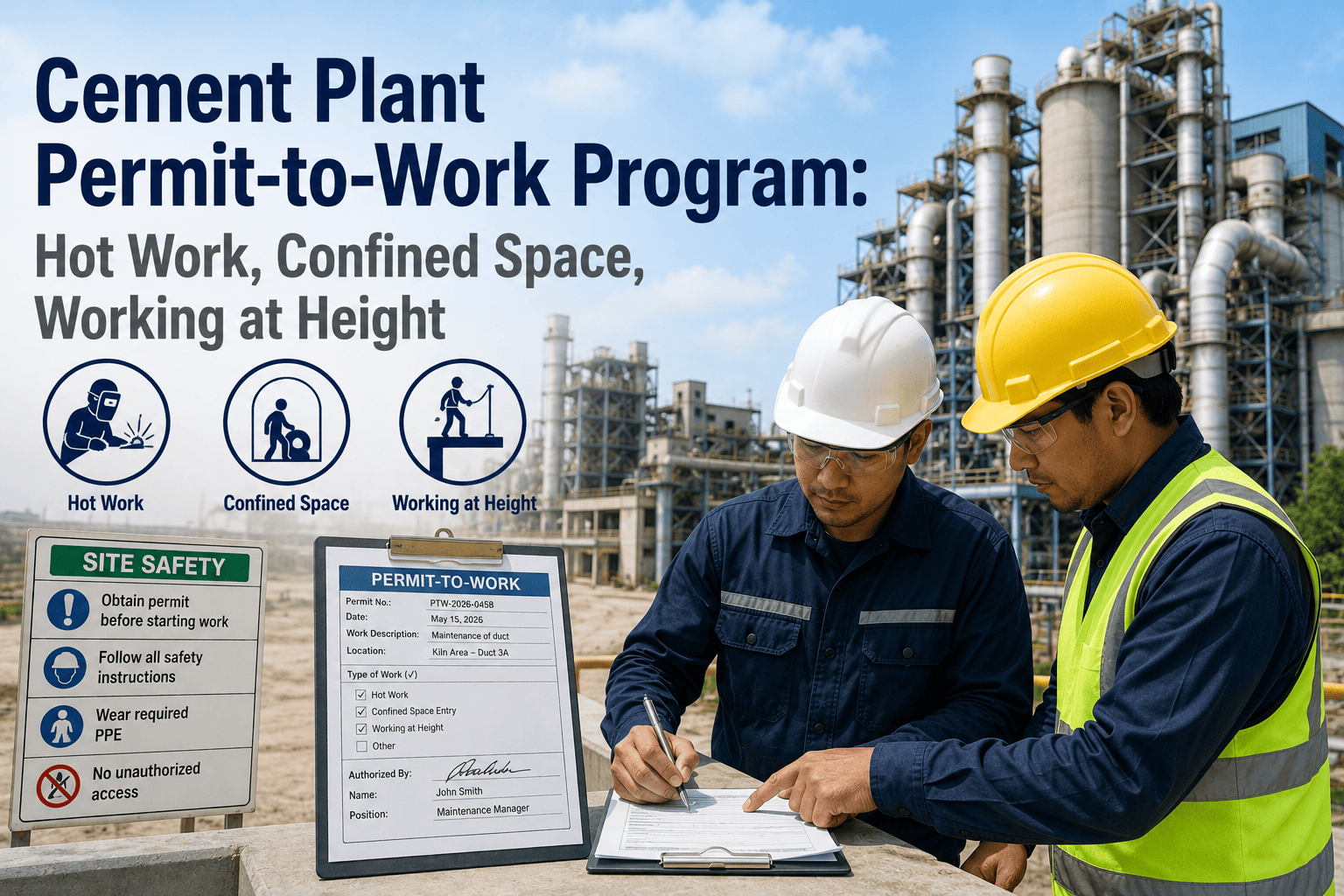
Multi-level authorization ensures all safety requirements are verified before workers enter confined spaces. Sign up for Oxmaint to implement digital authorization workflows.
1
Hazard Assessment
Entry supervisor evaluates space and identifies all hazards
2
Permit Preparation
Document atmospheric tests, ventilation, and rescue plan
3
Pre-Entry Briefing
Entrants and attendants review hazards and procedures
4
Authorization
Entry supervisor signs permit and authorizes entry
5
Entry & Monitoring
Continuous monitoring throughout entry duration
Digital Permits
Paperless CSE Permit Management
Oxmaint digitizes confined space entry permits with mobile completion, automatic atmospheric reading capture, and real-time supervisor notifications.
Enforced Permit Sequence
Photo Documentation
Real-Time Alerts
Audit-Ready Records
CSE PERMIT #847
Active
SpaceClinker Silo #3
ClassificationPRCS
Entry Time08:15 AM
Entrants2 Active
Atmospheric Reading
20.8%
O2
0 ppm
CO
0 ppm
H2S
0%
LEL
Frequently Asked Questions
How often must atmospheric testing be performed during entry?
Initial testing before entry is mandatory. For PRCS entries, continuous monitoring with a personal 4-gas detector is required throughout occupancy. If continuous monitoring is not used, periodic testing must occur at intervals not exceeding 15 minutes, with immediate evacuation if any parameter exceeds action levels.
Can one person serve as both entrant and attendant?
No. The attendant must remain outside the confined space at all times to monitor entrant conditions, maintain communication, and summon rescue services if needed. The attendant cannot enter the space under any circumstances—entering to attempt rescue is a leading cause of multiple fatalities. Book a demo to see how Oxmaint tracks entrant and attendant assignments.
How long is a confined space entry permit valid?
Permits are typically valid for one shift (8-12 hours) or until conditions change. A new permit is required for each entry shift, when conditions change (weather, process upset, work scope), or when different entrants require authorization. Oxmaint automatically expires permits at shift end.
What training is required for confined space entry?
Entrants, attendants, and entry supervisors each require role-specific training covering space hazards, permit procedures, atmospheric monitoring, emergency response, and rescue procedures. Training must be refreshed annually and whenever procedures change. Sign up for Oxmaint to track CSE training compliance.
Protect Workers in Confined Spaces
Paper-based CSE permits miss critical steps and create documentation gaps. Oxmaint digitizes the entire permit process with enforced sequences, automatic atmospheric readings, and real-time supervisor notifications—protecting workers and proving compliance.