Cement plants generate over 14.3 million tons of particulate emissions annually, making dust collection systems the critical lifeline between compliant operations and costly environmental violations. Your baghouse filters and electrostatic precipitators work silently around the clock, capturing particles as fine as 0.3 microns while processing gas volumes exceeding 500,000 cubic feet per minute. Yet industry data reveals that 82% of facilities experienced unplanned equipment downtime in the past three years, with dust collection failures accounting for significant production losses and regulatory penalties. The difference between world-class operations achieving emission levels below 10 mg/Nm³ and struggling facilities exceeding limits often comes down to one factor: systematic maintenance protocols executed with precision timing. Modern CMMS platforms now enable maintenance teams to sign up for digital maintenance tracking that transforms reactive firefighting into predictive optimization, ensuring collection efficiency stays above 99.9% throughout the equipment lifecycle.
Understanding Baghouse vs ESP: Operational Fundamentals
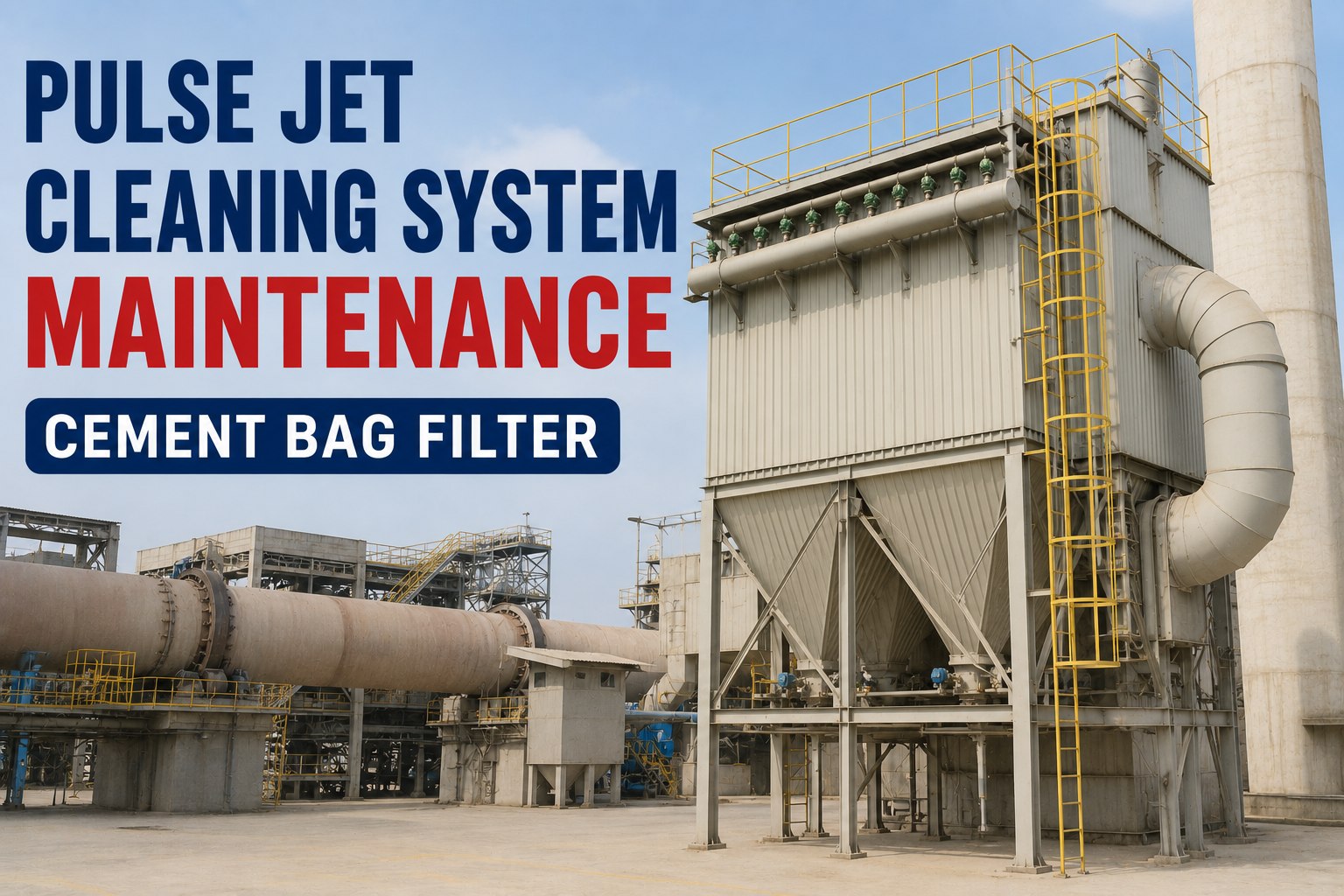
Baghouse dust collectors and electrostatic precipitators serve the same fundamental purpose but operate on entirely different principles. Baghouse systems use fabric filter bags to physically capture dust particles as gas streams pass through, achieving filtration efficiencies up to 99.9% across a wide range of particle sizes. ESPs utilize high-voltage electrical fields to charge particles and attract them to collection plates, excelling at handling high-temperature gas streams up to 850°C with minimal pressure drop. Cement plants typically deploy 6 to 8 baghouses for facilities producing 1 million metric tons annually, while dry ESPs account for 82% of electrostatic installations in the cement sector. Choosing the right maintenance approach requires understanding these operational differences and tracking performance metrics through a scheduled consultation with maintenance experts who can analyze your specific equipment configuration.
Critical Baghouse Maintenance Protocols
Effective baghouse maintenance centers on monitoring differential pressure, which serves as the primary health indicator for filter condition. Normal operating range falls between 3 to 5 inches of water column; deviations signal problems requiring immediate attention. Rising pressure indicates bag blinding, moisture infiltration, or pulse valve malfunction, while dropping pressure suggests leaks or broken bags. Research shows that baghouse collection efficiency declines from 99.998% in early operation to 95.05% by the fifteenth year without proper intervention. Scheduling maintenance at least 6 months in advance, accounting for supplier lead times and the reality that major dust collector maintenance can require one week to one full month of work, ensures continuous compliance with NESHAP requirements.
ESP Maintenance: Electrode and Rapping System Care
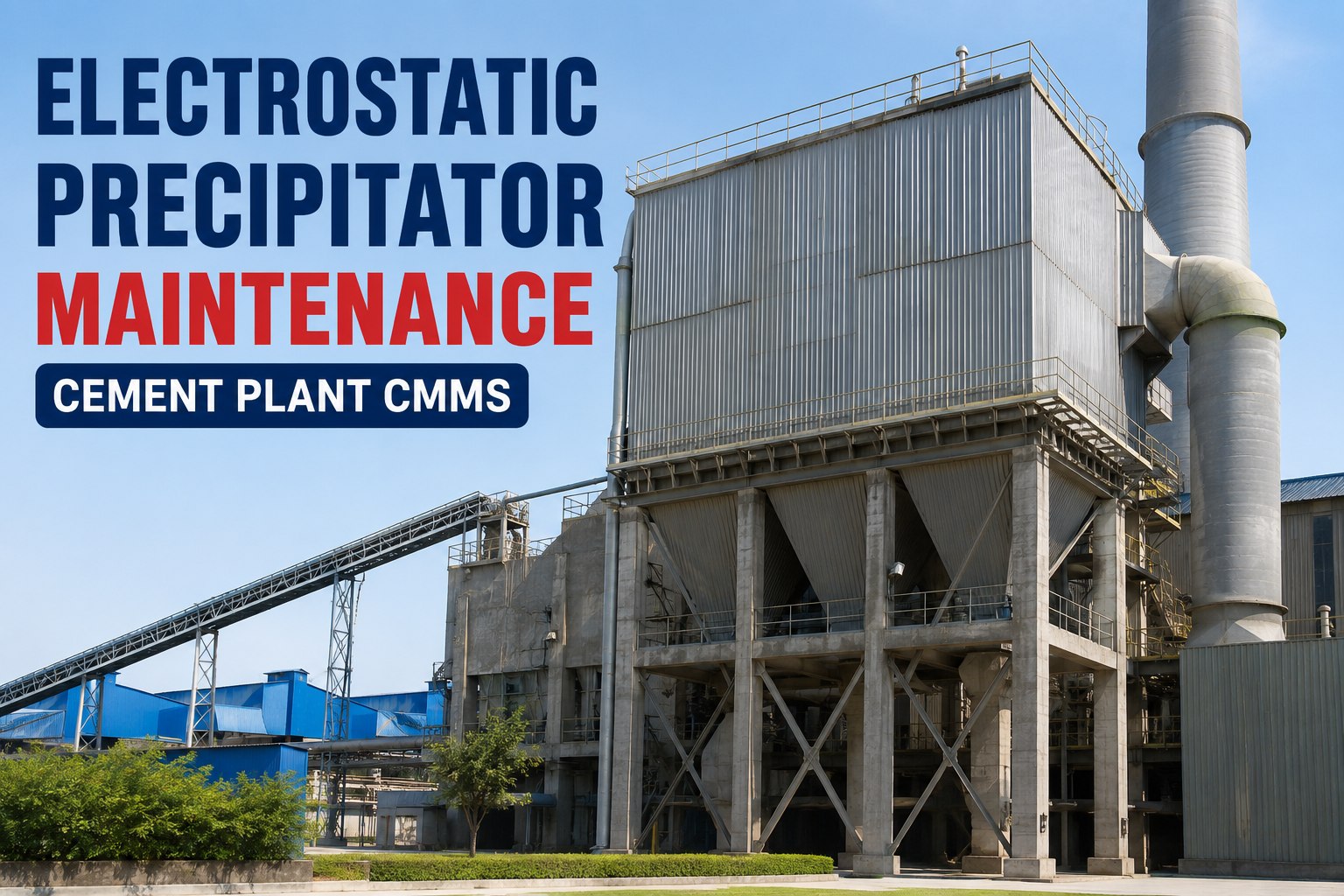
Electrostatic precipitator maintenance focuses primarily on the electrical system and mechanical rapping components that keep collection plates clean. The high-voltage transformer-rectifier units require regular inspection to prevent breakdown, while corona electrodes must be checked for alignment and wire integrity. Rapping systems, whether mechanical, magnetic impulse, or tumbling hammer designs, need consistent lubrication and adjustment to ensure dust falls cleanly into collection hoppers. Cement plant applications present unique challenges because kiln dust resistivity varies with raw material composition and fuel type, directly affecting electric field efficiency. Organizations implementing digital maintenance management report 15-20% reductions in maintenance downtime through predictive scheduling and automated parts procurement triggers.
Filter Media Selection and Replacement Strategy
Choosing the correct filter media determines baghouse longevity and emission compliance. Aramid felts handle highly abrasive cement dust and chemical exposure at elevated temperatures, while polyester provides cost-effective filtration for standard applications. PTFE lamination extends bag life by 30% or more while enabling emissions below 10 mg/Nm³ through surface filtration that prevents particle penetration into the fiber matrix. Cement kiln baghouses face particularly harsh conditions, requiring media rated for temperatures exceeding 200°C with resistance to alkali attack. Proactive replacement scheduling, triggered by performance degradation rather than catastrophic failure, prevents costly production interruptions and environmental violations that can result in significant penalties.
Common Failure Modes and Troubleshooting
Understanding failure patterns enables maintenance teams to identify problems before they escalate into production-stopping events. Baghouse failures typically manifest through rising differential pressure, visible stack emissions, or abnormal triboelectric readings from bag leak detection systems. ESP failures show through voltage fluctuations, current spikes, or declining opacity monitor readings. Corrosion presents a persistent challenge, particularly when alternative fuels introduce chlorides and sulfur compounds into the gas stream, or when condensation occurs during startup and shutdown cycles. Facilities achieving less than 1 mg/Nm³ average emissions maintain this performance through continuous monitoring integrated with automated maintenance workflows that trigger inspections based on real-time condition data rather than arbitrary time intervals.
Hybrid ESP-Baghouse Systems for Ultra-Low Emissions
The convergence of ESP and baghouse technologies in hybrid configurations delivers emission levels previously unattainable with either system alone. These dual-stage systems use the ESP as a pre-filter to reduce dust loading before gas enters the baghouse, extending filter bag life by over 30% while stabilizing differential pressure across varying operating conditions. More than 650 hybrid units now operate in high-dust cement applications globally, achieving emissions consistently below 10 mg/Nm³ even with particulate loads exceeding 1,500 mg/Nm³ at the inlet. Retrofit projects converting aging ESPs to hybrid configurations reuse existing housings while adding modern pulse-jet filtration, reducing capital costs while meeting the most stringent environmental standards in EU and Middle Eastern markets.
Digital Maintenance Integration and Predictive Analytics
The integration of IoT sensors with CMMS platforms transforms dust collection maintenance from reactive troubleshooting to predictive optimization. Real-time monitoring of differential pressure, temperature, opacity, and electrical parameters enables AI algorithms to detect degradation patterns weeks before failures occur. SCADA-connected ESP systems reduced unscheduled downtime by nearly 24% through early anomaly detection and automated work order generation. Cement facilities implementing digital maintenance protocols report 15-20% reductions in maintenance duration while improving compliance documentation accuracy. The transition requires strategic sensor placement, data infrastructure investment, and maintenance team training, but delivers measurable returns through extended equipment life, reduced energy consumption, and elimination of environmental violations. Organizations ready to modernize their dust collection maintenance can book a personalized demo to see predictive analytics in action.