Preheater Cyclone Inspection Drones: Confined Space Safety & CMMS Maintenance 2026

By John Snow on February 17, 2026

preheater-cyclone-inspection-drones-confined-space-safety-and-cmms-maintenance-2026

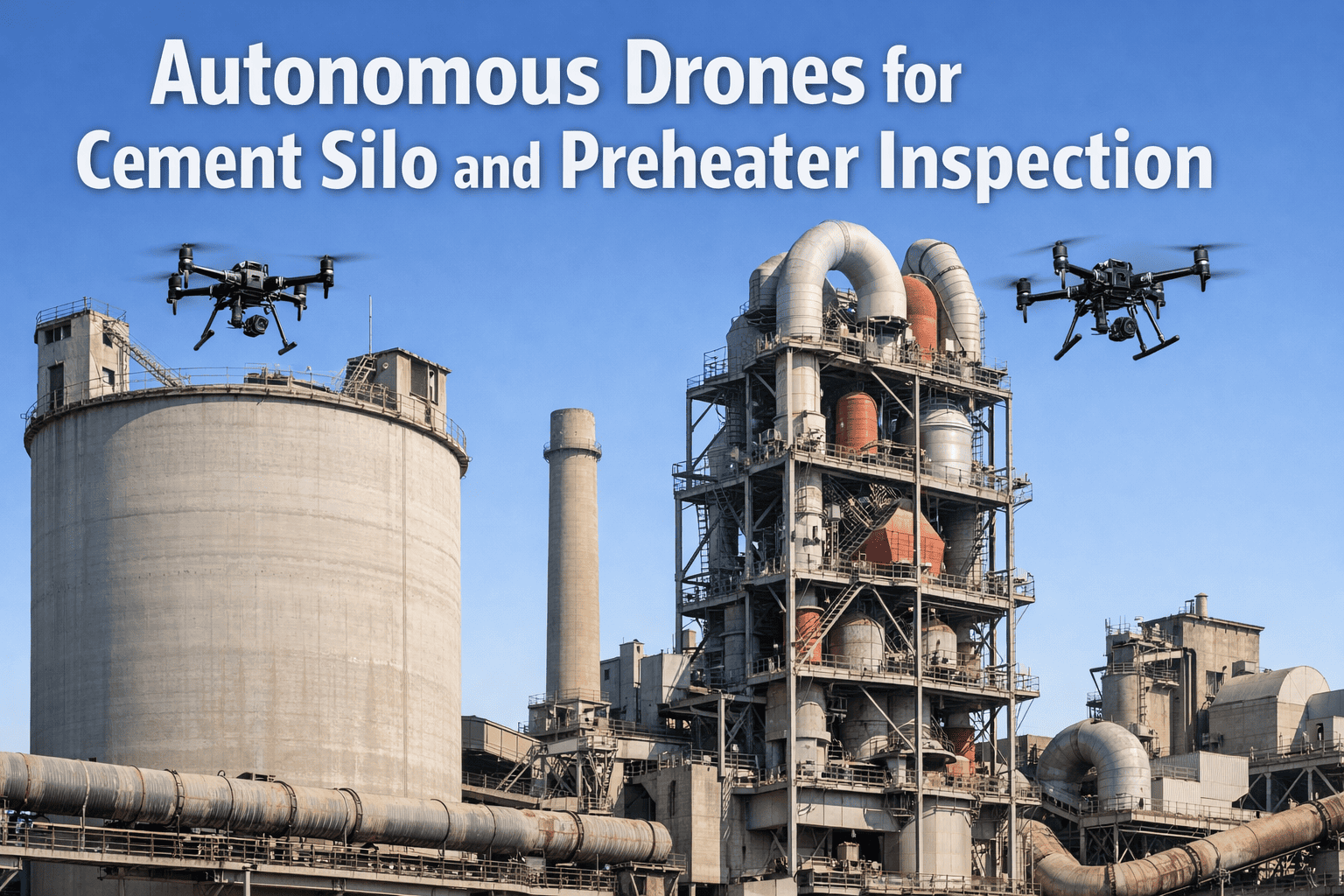
A cement plant in Turkey eliminated all confined space entries for preheater cyclone inspections after deploying cage-protected inspection drones. Their four-stage preheater tower required 18 workers, 3 days of scaffolding installation, and $85,000 per inspection cycle—plus the constant risk of heat exposure, material collapse, and fall hazards. Now a two-person drone team completes comprehensive cyclone assessments in 4 hours with zero confined space entry, detecting material buildup patterns that predicted a Stage 3 blockage two weeks before it would have caused an emergency shutdown. Sign up for Oxmaint to schedule drone inspections aligned with your kiln line maintenance windows.

Inspection Management / Safety & Compliance

Preheater Cyclone Inspection Drones: Confined Space Safety & CMMS Maintenance 2026

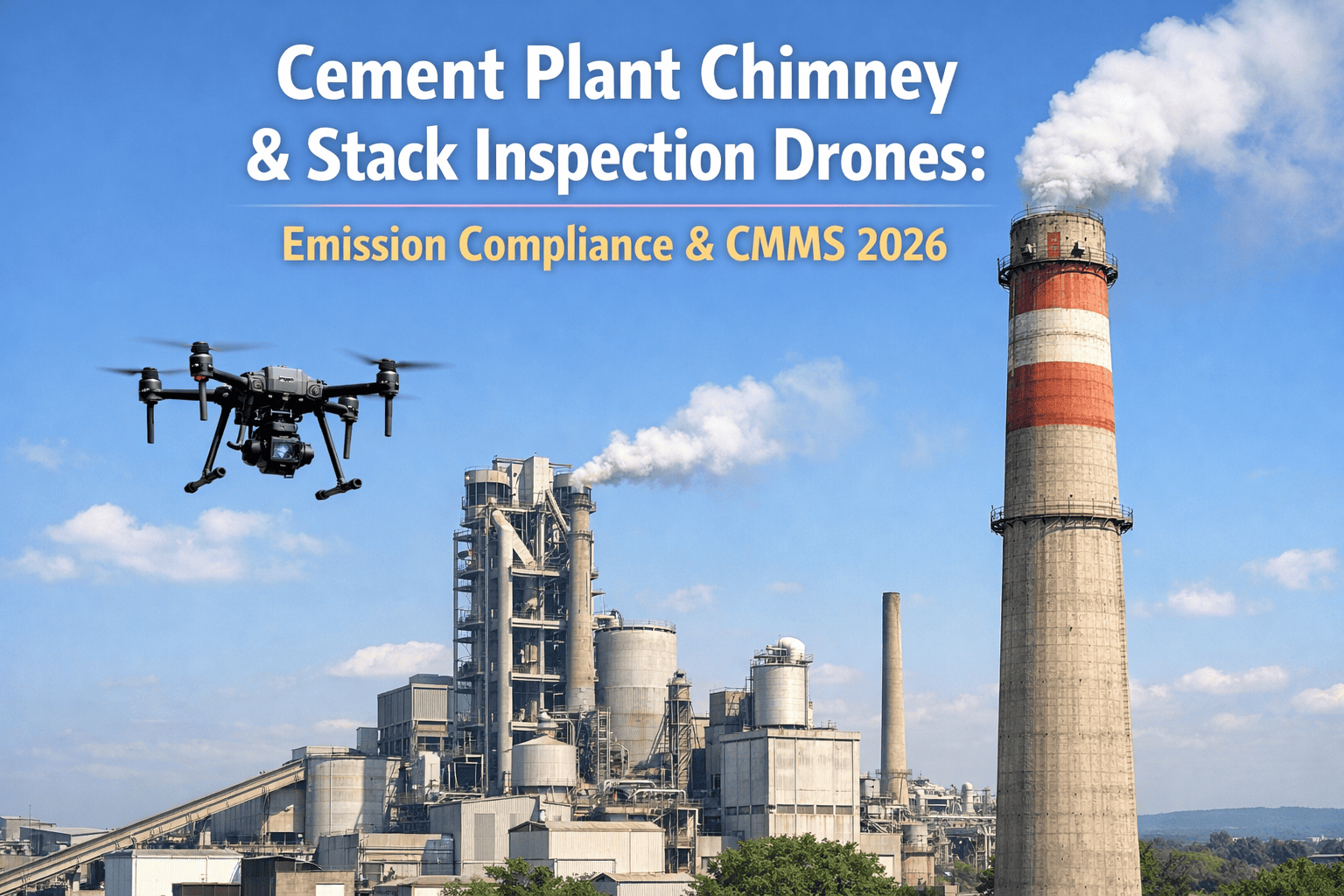
Preheater cyclones operate at 800-900°C with accumulated material that can collapse without warning. Drone inspection eliminates confined space entry risks while providing detailed assessment of wall condition, material buildup, dip tube integrity, and air leak detection—all integrated with CMMS for predictive blockage prevention.

90%
Cost Reduction vs Scaffolding
0
Confined Space Entries
4hr
Full Tower Inspection
2wk
Blockage Prediction Lead

Why Cyclone Inspection Is Among the Most Dangerous Tasks

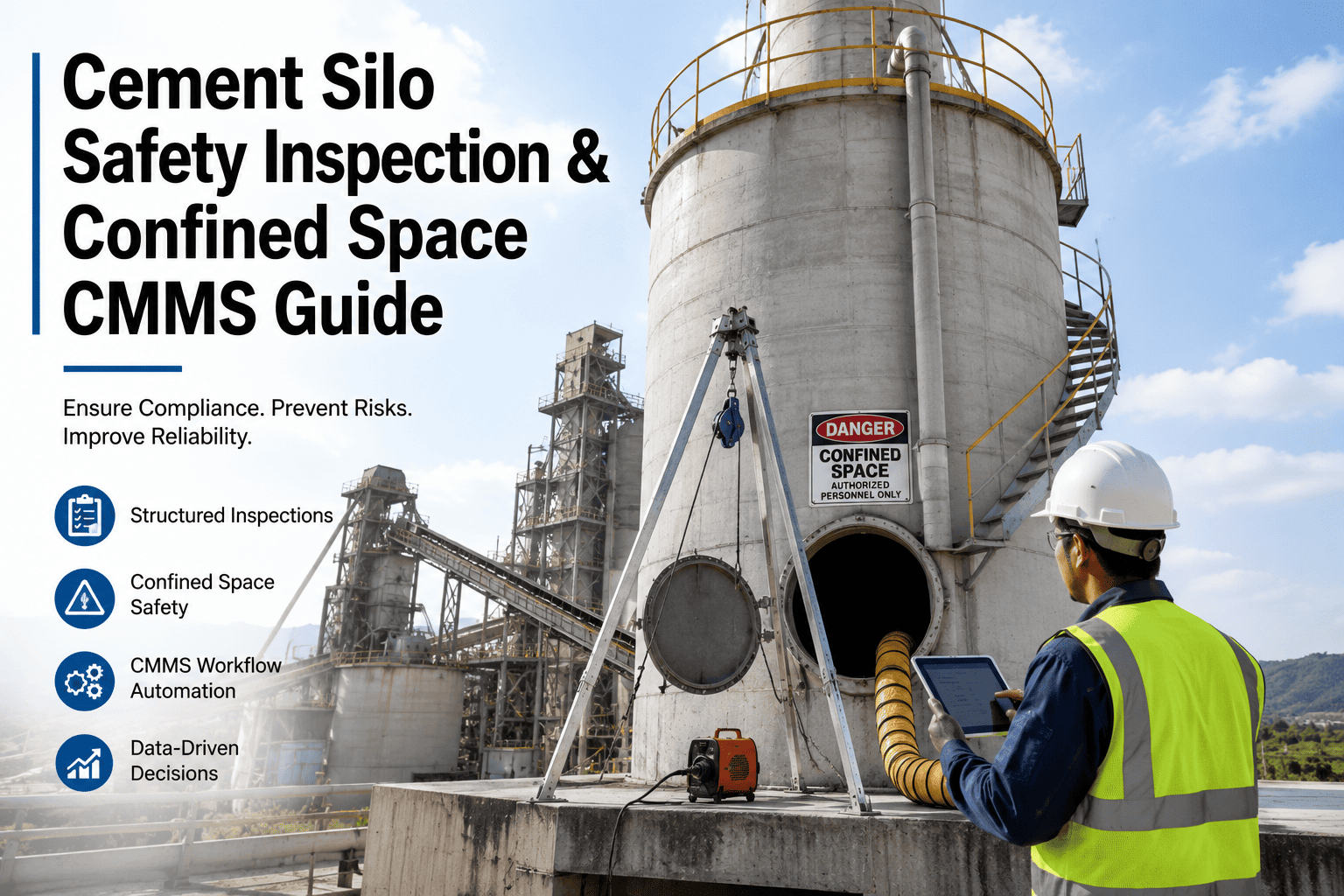
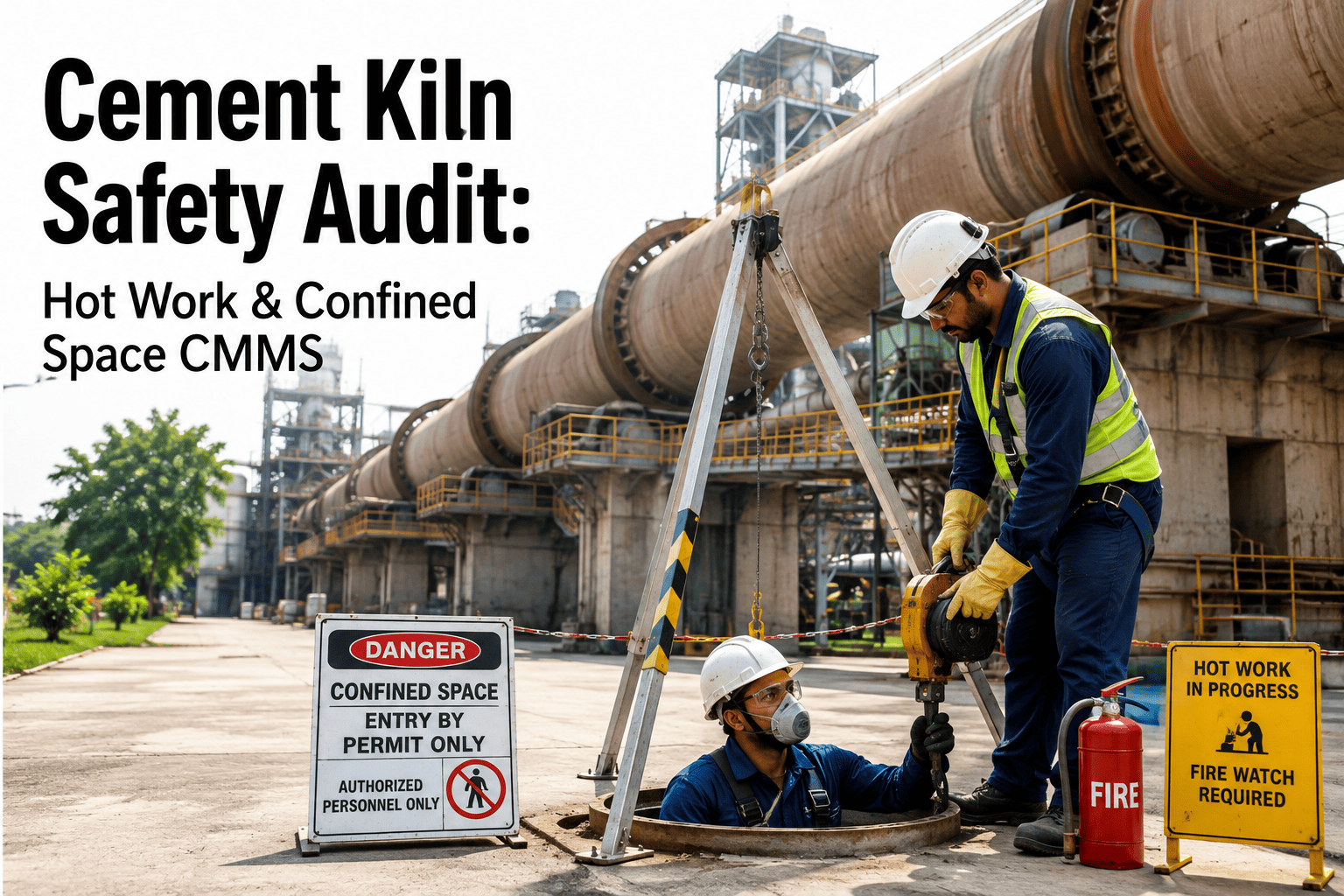
Preheater cyclones present a unique combination of hazards that make traditional inspection methods extremely dangerous. Understanding these risks explains why drone inspection has become essential for modern cement plant safety programs. Book a demo to see how Oxmaint tracks inspection compliance.

Extreme Heat Exposure
800-900°C Operating Temp
Residual heat remains dangerous for 48-72 hours after shutdown, causing heat stress and burns
Material Collapse Risk
2-5 Ton Buildup Typical
Accumulated material can release suddenly, burying workers in hot clinite and raw meal
Confined Space Hazards
60% of Cement Fatalities
Limited access, poor ventilation, and restricted movement in cyclone vessels
Fall & Scaffolding Risks
40m+ Tower Heights
Multi-level scaffolding installation creates fall hazards during setup and inspection

Traditional vs. Drone Inspection Methods

The contrast between scaffolding-based manual inspection and drone-enabled assessment demonstrates why leading cement plants are transitioning to confined space drones for preheater tower maintenance.

Traditional Scaffolding Method
  • 3-5 days scaffolding installation before inspection begins
  • 18-24 workers required for setup, safety watch, and inspection
  • $70K-$120K per inspection cycle including labor and equipment
  • Confined space entry required with rescue team standby
  • 72+ hour cooldown wait before personnel can enter safely
  • Limited documentation from manual observations and notes
VS
Drone Inspection Method
  • 4 hours complete tower inspection with no setup time
  • 2-person team operates drone from safe location outside cyclones
  • $6K-$12K per inspection with 90%+ cost reduction
  • Zero confined space entry eliminates entry permit requirements
  • 24-hour cooldown sufficient for drone operation at 150°C
  • HD video + thermal imaging with AI-assisted defect detection

Schedule Drone Inspections with Kiln Line Maintenance

Oxmaint aligns cyclone drone inspections with planned shutdowns to maximize inspection coverage during every maintenance window.

Confined Space Inspection Drones for Cement

Purpose-built drones for preheater cyclone inspection feature cage-protected propellers, GPS-denied navigation, and high-temperature tolerance. Sign up for Oxmaint to track drone maintenance and flight logs.

Flybotix ASIO X

Coaxial Bi-Rotor Design

The ASIO X's unique coaxial bi-rotor design provides exceptional stability in the turbulent air currents inside preheater cyclones. Its compact 40cm diameter allows access through standard cyclone access doors while the cage protection prevents damage from wall contact.

40cm
Diameter
24 min
Flight Time
150°C
Max Temp
4K
Video Resolution
Visual-Inertial Odometry Thermal Camera LED Array Collision Tolerant

Liberaware IBIS2

Micro Inspection Platform

The IBIS2 is specifically designed for the most confined industrial spaces. At just 20cm wide, it navigates through cyclone dip tubes and narrow passages that larger drones cannot access, providing inspection coverage of areas previously requiring complete disassembly.

20cm
Width
12 min
Flight Time
IP54
Dust Rating
3D
Mapping
Dip Tube Access SLAM Navigation Point Cloud Ultra-Compact

Cyclone Drone Inspection Workflow

From kiln shutdown to CMMS work order generation—how drone inspection data flows through Oxmaint for predictive maintenance.

1
Kiln Shutdown
CMMS triggers inspection task when kiln line enters planned maintenance
2
Drone Deployment
Team flies each cyclone stage capturing 4K video and thermal data
3
AI Analysis
Software identifies material buildup, wall damage, and air leak indicators
4
CMMS Integration
Findings sync to Oxmaint with photos, measurements, and severity ratings
5
Work Orders
Automated maintenance tasks generated for cleaning or repair actions
Swipe horizontally on mobile to view all workflow steps

Drone Maintenance Checklist

Cement plant environments are extremely harsh on inspection drones. This checklist ensures reliable operation and prevents mid-flight failures inside cyclones. Sign up for Oxmaint to digitize your drone maintenance program.

Pre-Flight & Post-Flight Inspection

Oxmaint CMMS Integration Dashboard

Cyclone Inspection Analytics • Real-Time
94%
Inspection Compliance
↑ All stages inspected on schedule
2.1
Avg. Weeks Blockage Warning
Predictive detection enabled
$340K
Emergency Shutdowns Avoided
↑ From trend analysis
12
Drone Flight Hours YTD
Zero confined space entries

Kiln Line Alignment

Automatically schedule drone inspections during planned maintenance windows

Buildup Trend Tracking

Monitor material accumulation patterns across inspection cycles to predict blockages

Automated Work Orders

Generate cleaning and repair tasks with attached drone imagery and severity ratings

Track Cyclone Condition from Inspection to Resolution

Oxmaint connects drone inspection findings to maintenance workflows—ensuring nothing falls through the cracks between detection and repair.

Frequently Asked Questions

How do drones navigate inside cyclones without GPS?
Confined space drones use Visual-Inertial Odometry (VIO) and SLAM (Simultaneous Localization and Mapping) to navigate. Onboard cameras and IMU sensors create real-time 3D maps of the cyclone interior, enabling stable flight without any GPS signal.
What temperature can inspection drones tolerate?
Industrial inspection drones like the Flybotix ASIO X operate safely up to 150°C ambient temperature. This means cyclone inspections can begin 24 hours after shutdown rather than the 72+ hours required for personnel entry. Book a demo to discuss your specific temperature requirements.
Can drones inspect dip tubes and narrow passages?
Yes. Micro-inspection drones like the Liberaware IBIS2 at just 20cm width can fly through dip tubes and access areas that would require disassembly for manual inspection. This provides complete coverage of cyclone internals including traditionally inaccessible areas.
How does drone data integrate with CMMS?
Oxmaint receives inspection data via API integration with drone analysis platforms. Findings automatically populate asset records with timestamped imagery, defect classifications, and severity ratings—triggering work orders when thresholds are exceeded. Sign up for Oxmaint to connect your drone inspection program.
What's the ROI timeline for drone inspection programs?
Most cement plants achieve positive ROI within the first 2-3 inspection cycles. At $70K-$120K savings per inspection versus scaffolding methods, plus the avoided costs of confined space entry permits, rescue team standby, and extended shutdown duration, the payback is typically under 6 months.
How accurate is blockage prediction from drone data?
By tracking material buildup trends across multiple inspection cycles, Oxmaint's analytics can predict blockage risk 2-4 weeks before critical accumulation levels. This allows scheduled cleaning during planned maintenance rather than emergency interventions that can cost $200K+ in unplanned downtime.

Eliminate Confined Space Entry from Cyclone Inspections

Drone inspection plus CMMS integration equals comprehensive cyclone monitoring without putting workers at risk. Oxmaint schedules inspections, tracks findings, and predicts blockages—all from data gathered by drones flying where humans shouldn't go.

Share This Story, Choose Your Platform!