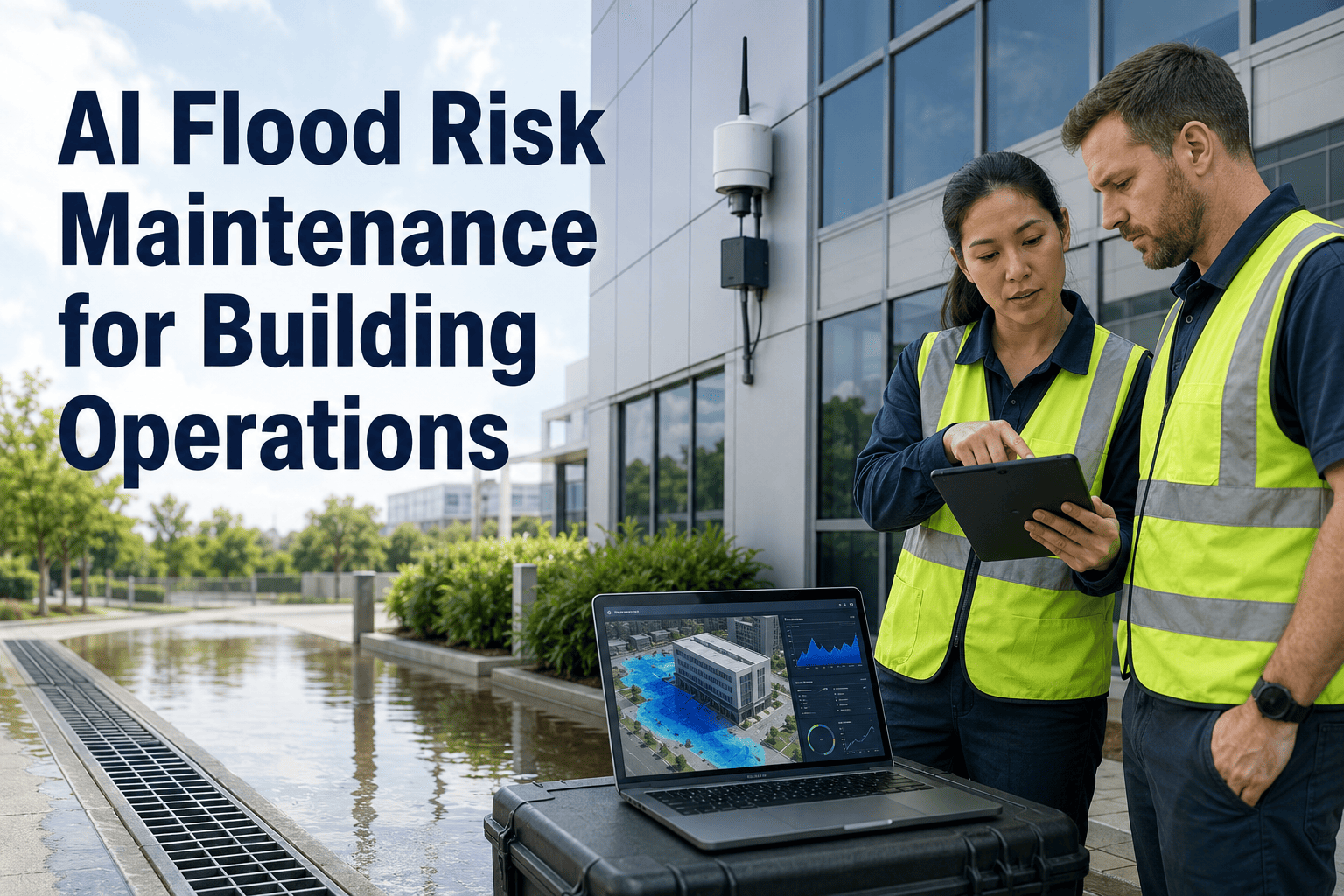
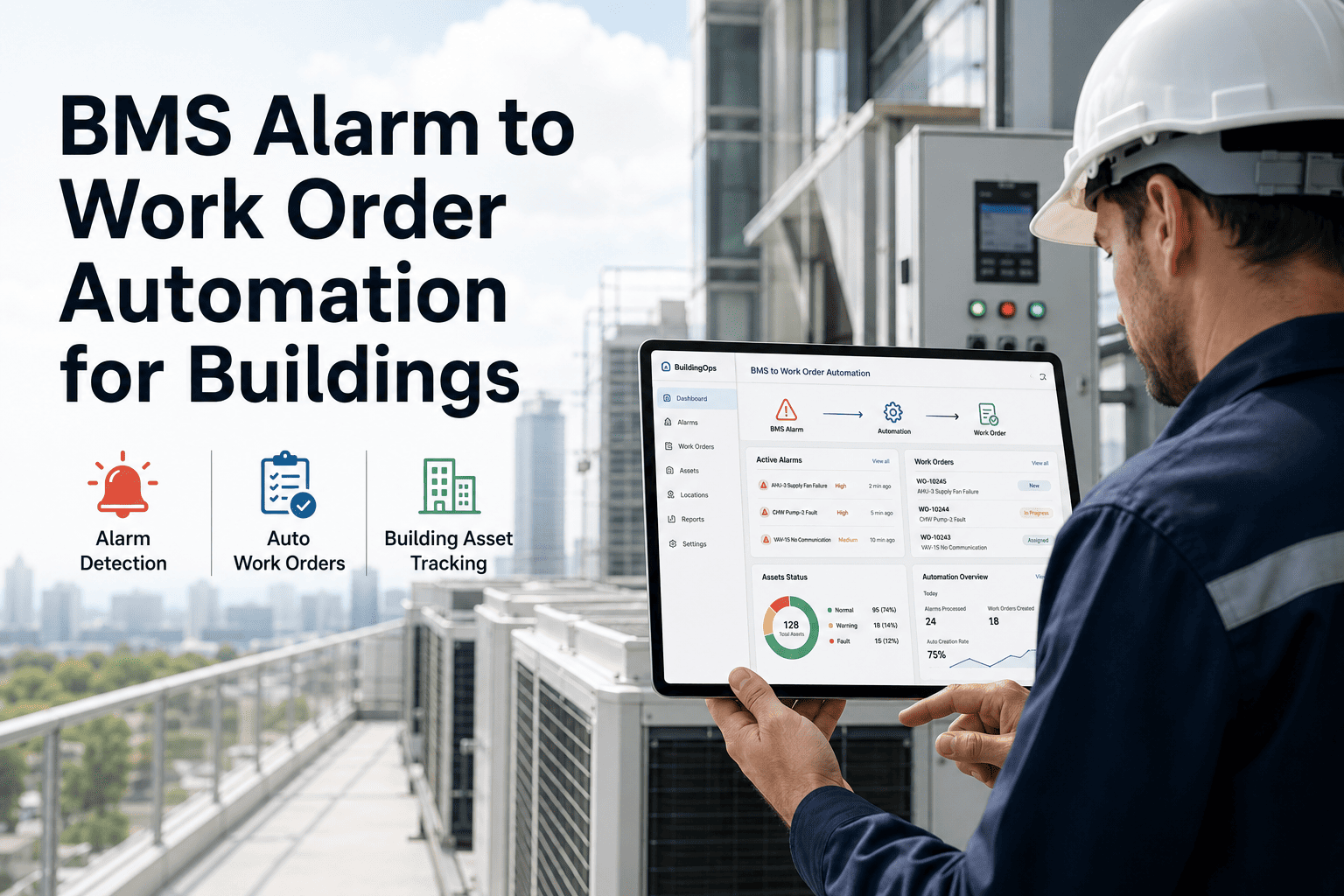
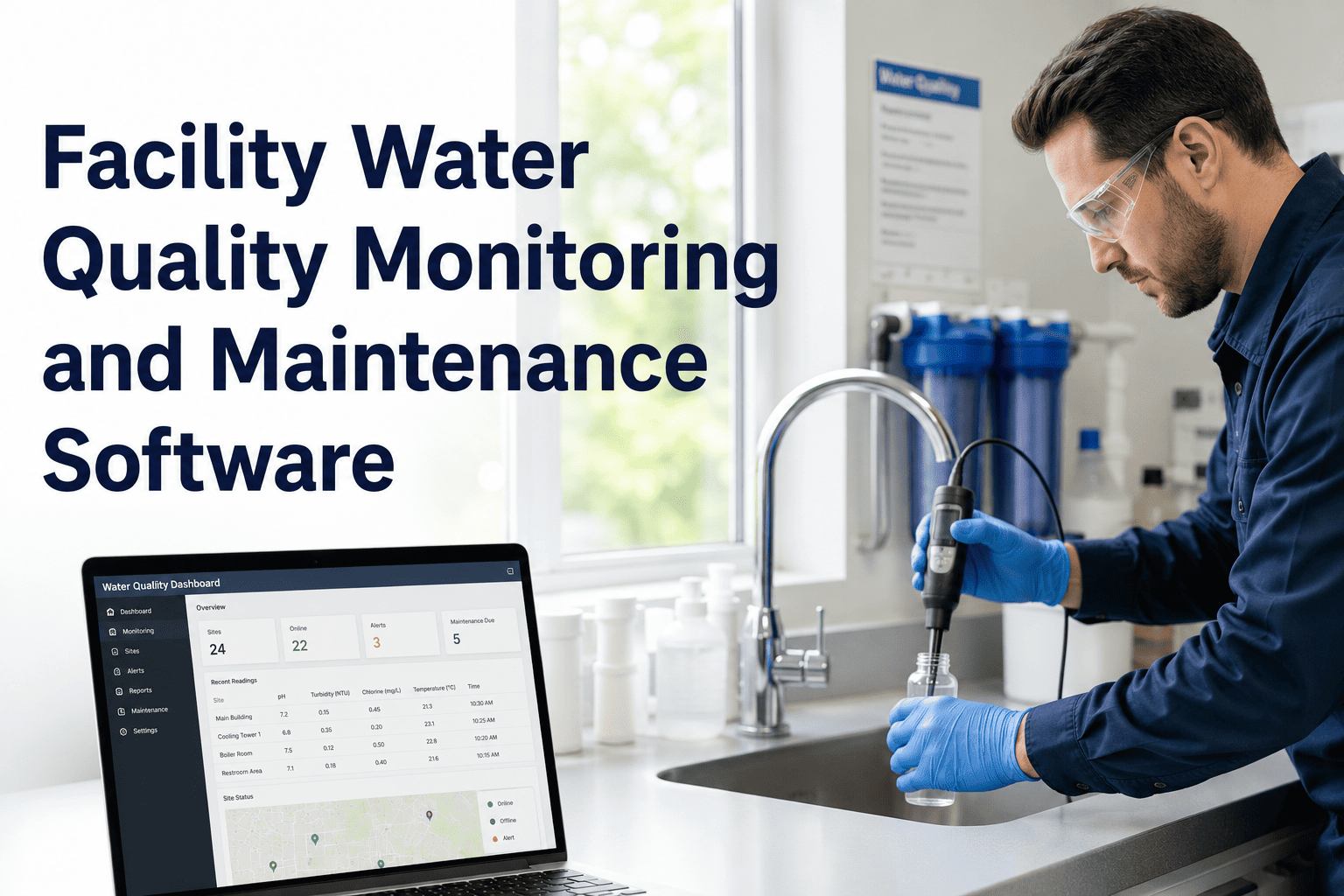
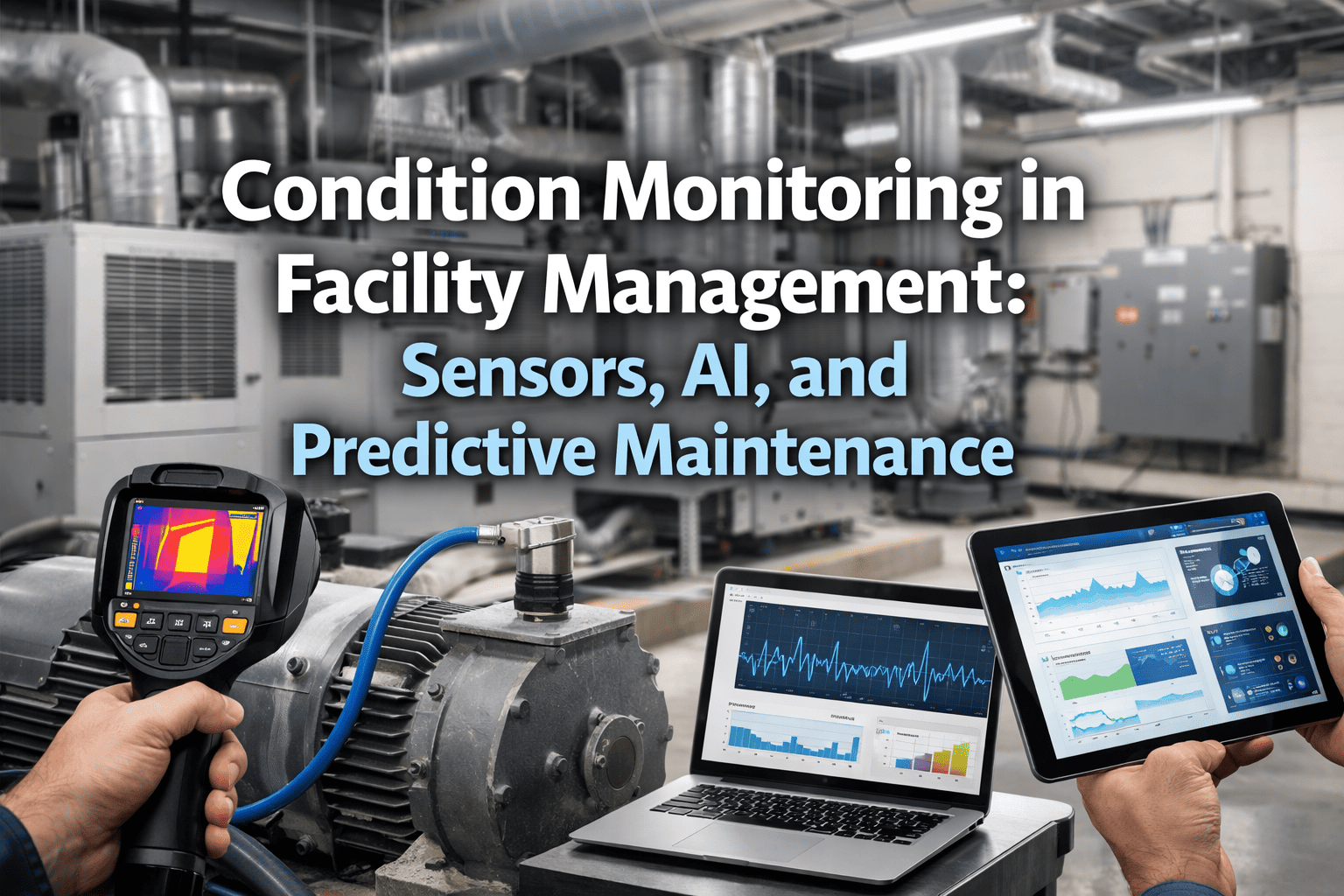
Heavy rainfall, aging drainage systems, and unpredictable weather patterns are turning flood damage into one of the costliest threats for facility managers today. Buildings that lack proactive water intrusion monitoring lose thousands in damage, downtime, and liability. OxMaint's AI-powered CMMS gives your team real-time sensor alerts, automated work orders, and drainage inspection workflows — so you stop floods before they start.
Facility Management · Resilience & Continuity · 2025
AI Flood Risk Maintenance
for Building Operations
Sensor alerts, drainage inspections, and automated work orders — built for facility teams who can't afford water damage surprises.
$11B+
Annual US commercial building flood damage
73%
Of flood incidents preventable with early detection
4.8x
ROI on proactive flood maintenance programs
The Real Risk
Where Buildings Fail During Flood Events
01
Blocked Drainage Systems
Roof drains, floor drains, and stormwater channels clogged with debris are the #1 cause of interior flooding. Without scheduled inspections, blockages go undetected until water is already inside.
02
No Sensor Coverage
Most facilities rely on visual inspection. By the time staff notice water, damage to flooring, equipment, and electrical systems is already significant — and insurance claims escalate fast.
03
Slow Work Order Response
Manual reporting chains delay response by hours. A sensor alert that auto-creates and assigns a work order cuts average response time from 4+ hours to under 15 minutes.
04
No Audit Trail for Insurance
When damage occurs, insurance adjusters ask for maintenance records. Facilities without digital inspection logs lose claims and face higher premiums year over year.
How OxMaint Works
From Alert to Resolved — Automated Flood Response
1
IoT Sensor Detects Water
Moisture sensors placed at drain points, basements, and mechanical rooms trigger instant alerts when water is detected.
2
Work Order Auto-Created
OxMaint instantly creates a prioritized work order, assigns the nearest available technician, and logs the event timestamp.
3
Technician Responds Mobile
Staff receive push notification with location, asset data, and checklist. They close the job from their phone — no desk required.
4
Record Logged for Audit
Full digital trail: sensor data, response time, resolution notes, and technician sign-off stored for compliance and insurance.
Reactive vs Proactive
The Cost of Waiting vs Acting Early
| Scenario |
Reactive (No System) |
Proactive (OxMaint) |
| Detection Time |
2–8 hours (manual) |
Under 2 minutes |
| Average Damage Cost |
$18,000–$45,000 |
$500–$2,000 |
| Insurance Claim Evidence |
Paper logs, often missing |
Full digital audit trail |
| Work Order Response |
Phone calls, verbal handoffs |
Auto-assigned in seconds |
| Inspection Frequency |
Quarterly or ad hoc |
Scheduled + sensor-triggered |
| Compliance Readiness |
Manual report assembly |
One-click compliance reports |
Maintenance Checklist
Flood Risk Inspection — What to Check Every Quarter
Drainage & Waterproofing
Roof drain and overflow drain clearance
Perimeter drain and gutter inspection
Sump pump operation test
Basement waterproofing seal integrity
Window and door weather seal check
Sensors & Systems
Moisture sensor battery and signal test
Backflow preventer inspection
Emergency shutoff valve accessibility
Storm drain capacity assessment
Alert notification workflow test
Run These Checklists Automatically With OxMaint
Schedule inspections, assign to teams, and track completion — all from one platform. No clipboards, no missed tasks.
Expert Review
What Facility Professionals Say
After integrating IoT water sensors with our CMMS, our flood response time dropped from hours to minutes. The real value is not just stopping damage — it is having a timestamped record that our insurer now accepts as evidence for reduced premiums.
We used to do quarterly drain checks on paper. Now OxMaint schedules them automatically, assigns to technicians, and flags overdue tasks. Last storm season was the first in five years with zero interior flooding — that is not coincidence.
FAQs
Common Questions on Flood Risk Maintenance
How does OxMaint integrate with IoT water sensors already installed in my building?
OxMaint connects to most commercially available moisture and water intrusion sensors via API or standard IoT protocols. Once connected, sensor triggers automatically create work orders in the platform with asset location, alert severity, and assigned technician populated. Your existing hardware investment is preserved — OxMaint adds the workflow intelligence on top.
Book a demo to see your sensor brand supported.
Can OxMaint generate the inspection documentation insurance companies require after a flood event?
Yes. Every inspection, sensor alert, and work order in OxMaint creates a timestamped, auditable record. After a flood event, you can export a full maintenance history report showing inspection frequency, response times, and resolution details. Many OxMaint customers use these reports to successfully dispute insurance claim reductions and negotiate lower premiums at renewal.
Start your free trial to see reporting templates.
What is the recommended sensor placement strategy for a multi-floor commercial building?
Best practice is to place moisture sensors at every floor drain, mechanical room entry point, basement perimeter, elevator pit, and roof drain overflow. For buildings over 100,000 sq ft, priority zones include server rooms, electrical closets, and areas below restrooms. OxMaint's asset mapping feature helps you document sensor locations and link them to specific work order templates for each zone. Talk to our team for a site-specific placement plan.
Does OxMaint support seasonal stormwater preparedness scheduling?
Absolutely. OxMaint allows you to create recurring PM schedules tied to calendar season — for example, pre-monsoon drain inspections every April and post-storm checks after weather events. You can configure threshold-based work order triggers so that when rainfall forecasts exceed a defined level, inspection tasks are automatically queued and assigned before the storm arrives.
See seasonal scheduling in action during a demo.
Ready to Flood-Proof Your Facility?
Stop Reacting. Start Preventing.
OxMaint gives facility teams sensor integration, automated work orders, and inspection records — everything needed to eliminate preventable water damage and protect your building year-round.