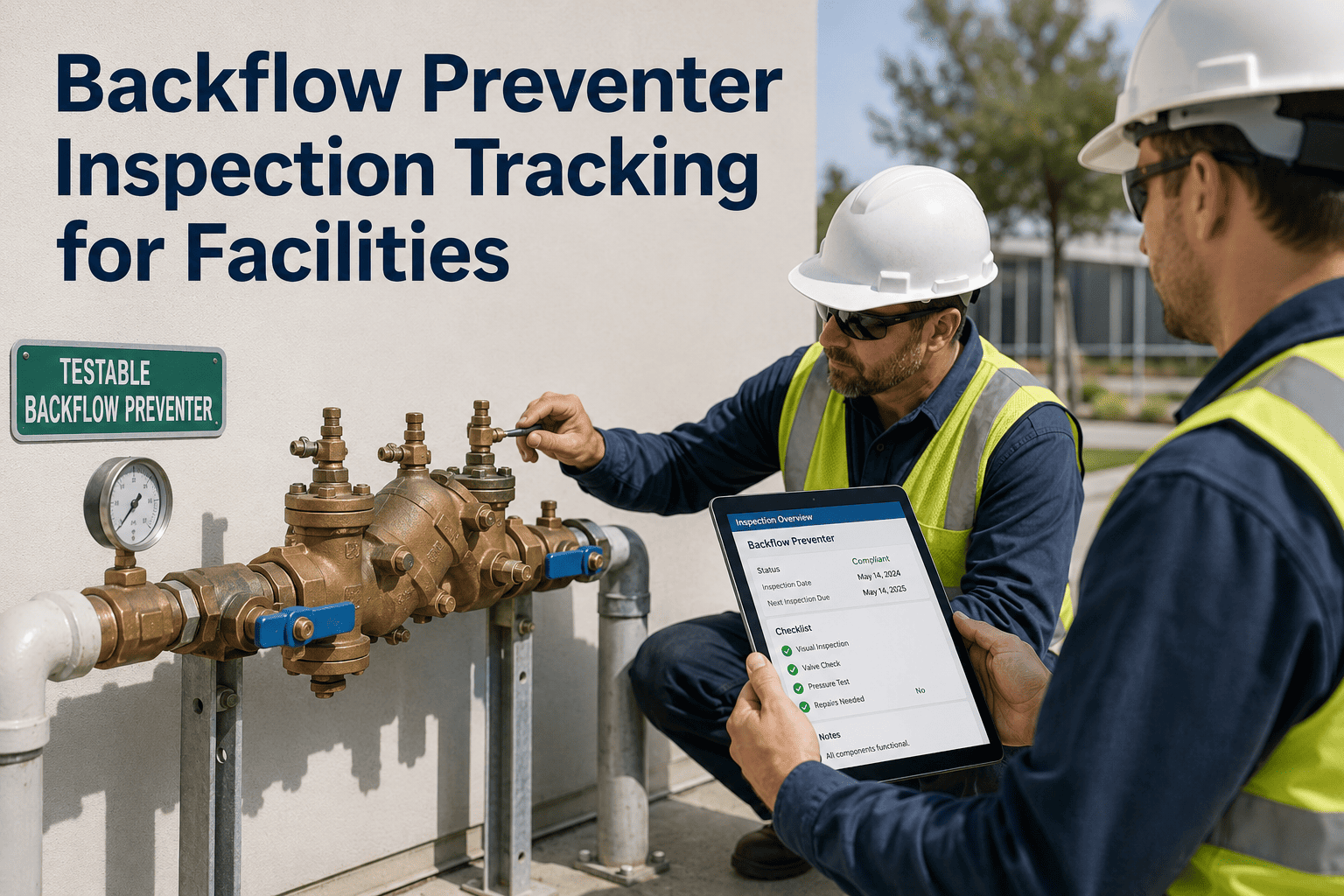
Backflow preventer compliance is one of the few facility maintenance obligations with direct legal consequences — most municipalities require annual certified testing, and failure to maintain records can result in fines, service shutdowns, and liability exposure if contamination occurs. Yet across thousands of commercial buildings, backflow inspection tracking is still managed with paper certificates stuffed in filing cabinets or spreadsheets that nobody updates on time. Sign Up Free and keep every backflow inspection, certificate, and corrective action organized automatically.
COMPLIANCE TRACKING
Every Backflow Certificate Has an Expiry Date. Are You Tracking All of Them?
Oxmaint digitizes your entire backflow preventer program — inspections, test results, certificates, corrective actions, and vendor records — with automatic alerts before deadlines and instant export for regulatory audits.
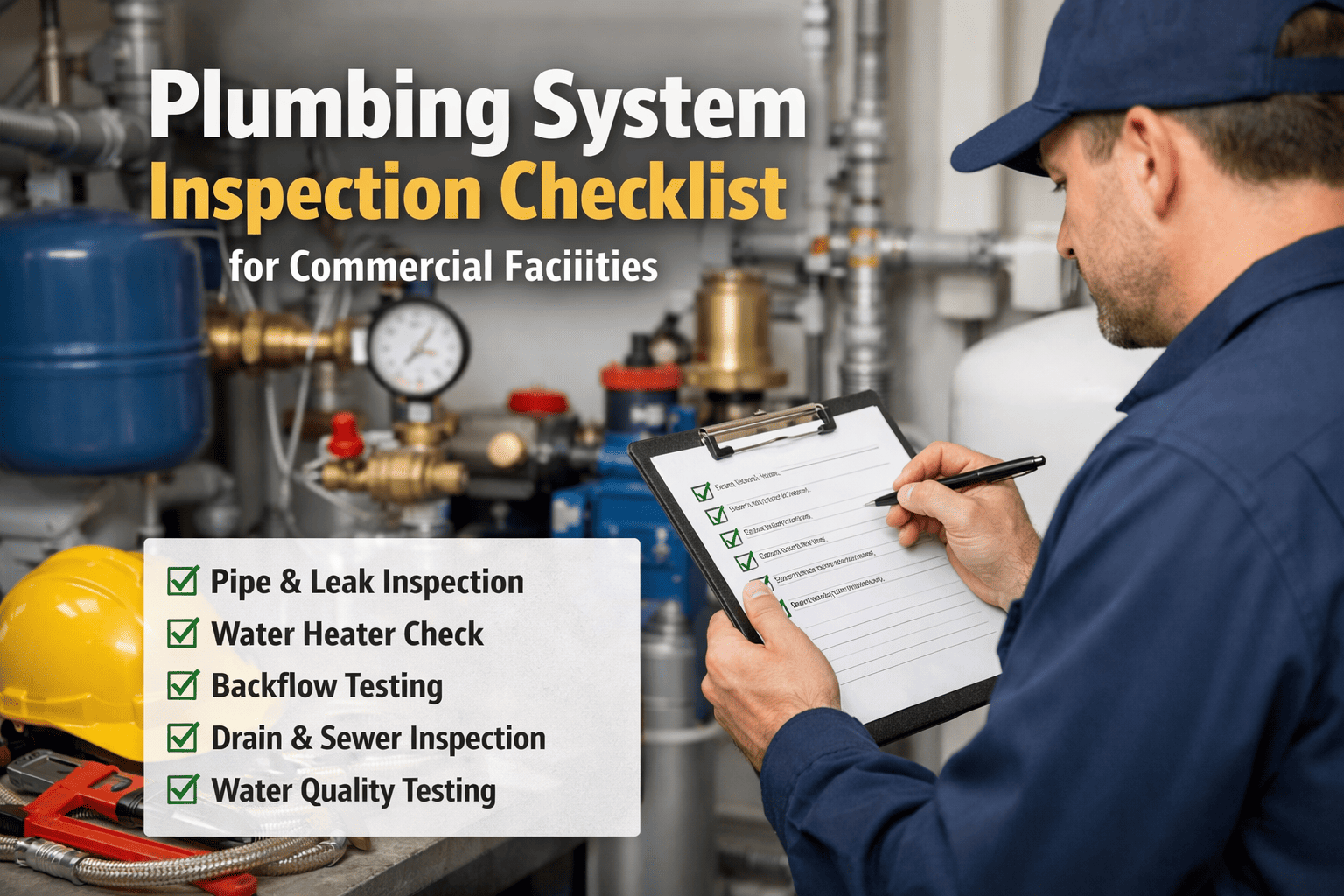
Backflow Preventer Annual Inspection Checklist
Regulatory Compliance
01
Confirm certified tester credentials are current
Verify the testing technician holds a valid backflow prevention assembly tester (BPAT) certification for your jurisdiction. Certifications from non-approved testers invalidate the entire inspection record and can result in compliance failures during municipal audits.
02
Record full test results including check valve differential readings
Document test kit serial number, reading for each check valve and relief valve, pass/fail status per component, and final overall assembly determination. These field readings are the primary evidence of compliance and must match the filed certificate exactly.
03
File test report with local water authority within required window
Most jurisdictions require test reports to be submitted to the water authority within 30 days of testing. Track submission date, confirmation number, and authority contact in Oxmaint alongside the test record to close the compliance loop completely.
04
Log corrective action work order for any failed assembly
Failed assemblies must be repaired or replaced and retested before the compliance period closes. Create a corrective work order immediately, assign it to a certified repair technician, and link it to the original failed test record in the system.
05
Schedule next annual test before leaving the site
Set the next inspection date in Oxmaint immediately after completing the current test. Configure automated reminders at 60 days and 30 days before due date to give vendor scheduling and internal coordination adequate lead time.
06
Update vendor service record with tester contact details
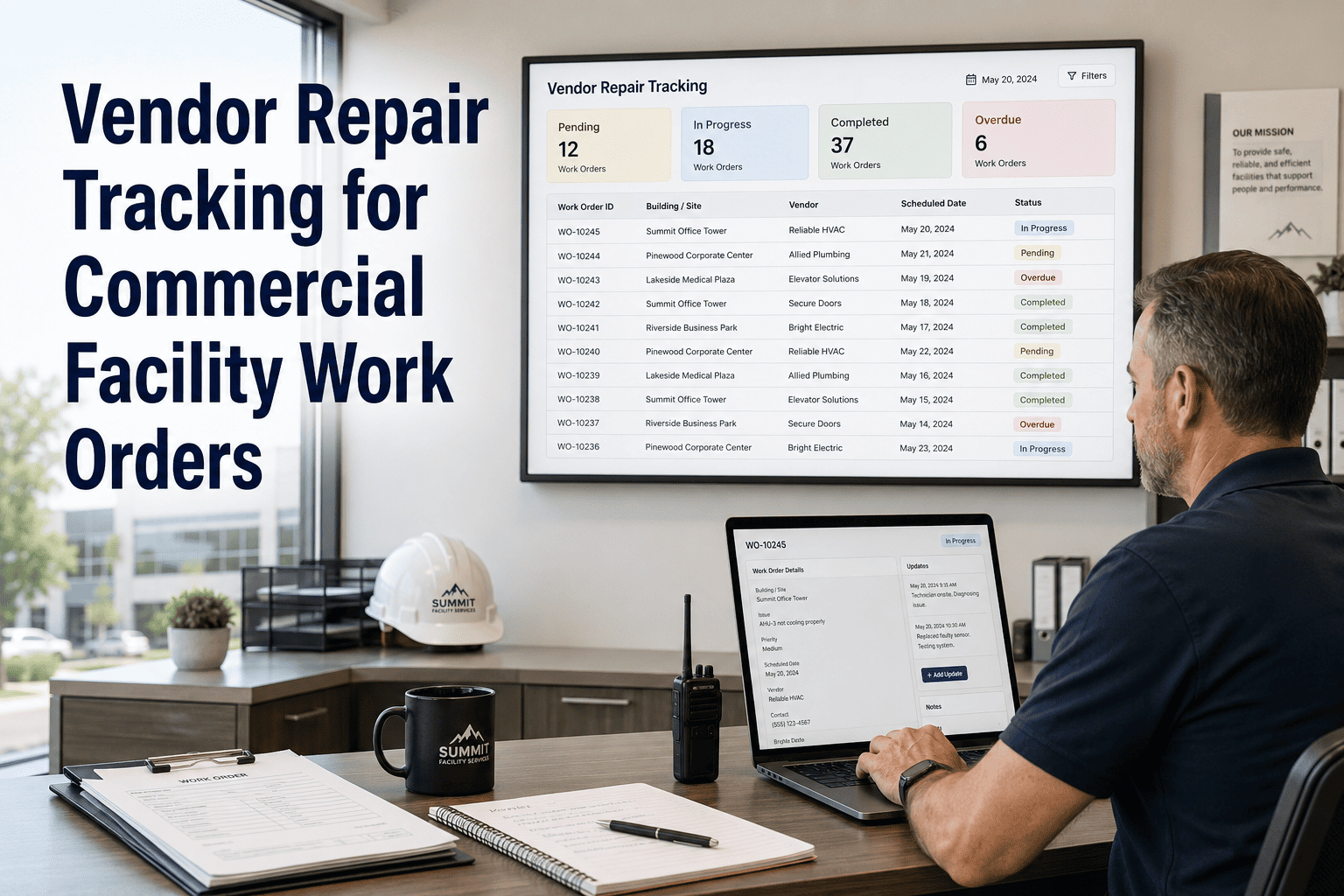
Maintain a vendor service record for each certified tester used, including contact information, license number, expiry date, and service history. Oxmaint links vendor records to asset test histories so you always know who tested what and when.
Compliance Status at a Glance — What Oxmaint Tracks
Compliant
Tested within compliance window, certificate on file, no open corrective actions
Due Soon
Test due within 60 days — scheduling reminder triggered automatically
Overdue
Test date passed, no completed test on record — escalation alert sent to manager
Failed — Action Required
Assembly failed last test, corrective work order open and pending resolution
Backflow Preventer Types — Testing Requirements Comparison
| Assembly Type |
Typical Application |
Test Frequency |
Key Test Components |
| Reduced Pressure Zone (RPZ) |
High hazard — irrigation, boilers |
Annual |
2 check valves, 1 relief valve, 2 shutoff valves |
| Double Check Valve Assembly (DCVA) |
Low–medium hazard — fire systems |
Annual |
2 check valves, 2 shutoff valves |
| Pressure Vacuum Breaker (PVB) |
Irrigation, hose bibs |
Annual |
Check valve, air inlet valve, 2 shutoff valves |
| Atmospheric Vacuum Breaker (AVB) |
Hose connections, low hazard |
Annual inspection |
Float, check disc, body condition |
| Spill-Resistant PVB (SRPVB) |
Indoor, high hazard irrigation |
Annual |
Check valve, air inlet, pressure differential |
EXPERT REVIEW
Sandra Kowalski
Certified Backflow Prevention Specialist, Water Utility Compliance — 17 Years
The most common violation I see during municipal audits of commercial facilities isn't failed devices — it's missing or expired documentation. A building might have every device in perfect working order, but if the test reports weren't filed on time or the records can't be located during an inspection, the compliance result is the same as if the devices were never tested. Digital tracking that auto-alerts before deadlines and stores certificates with the asset record eliminates the documentation failure category almost entirely. I've watched facilities go from chronic compliance issues to clean audit records in one cycle after switching to platform-based tracking.
AUDIT-READY BACKFLOW COMPLIANCE
From Certificate Upload to Corrective Action — Oxmaint Closes Every Compliance Loop
Stop scrambling for certificates before audits. Oxmaint stores every test report, tester credential, and corrective action linked to each device — searchable and exportable in seconds.
Frequently Asked Questions
Can Oxmaint notify vendors directly when a backflow test is due?
Yes. Oxmaint supports automated vendor notifications via email when a backflow preventer approaches its test due date. You can configure reminder cadence — for example, 60 days and 14 days before deadline — and the system sends the vendor the device location, assembly type, and last test date automatically. Vendor responses and scheduled dates can be logged back into the platform, giving your team full visibility into scheduling status without manual follow-up.
Sign up free to configure your first vendor notification workflow.
How does Oxmaint handle facilities with dozens of backflow preventers across multiple buildings?
Oxmaint is built for multi-asset, multi-site compliance management. You can register every backflow preventer with its building, floor, system, and hazard classification, then view compliance status for all devices in a single dashboard filtered by site, due date, or status. Bulk export of compliance reports lets you produce portfolio-wide documentation for insurance reviews, annual compliance filings, or building owner reporting — in minutes rather than days. This multi-site capability is a primary reason facility management companies choose Oxmaint for their entire portfolio rather than managing each building separately.
What happens in Oxmaint when a backflow preventer fails its annual test?
A failed test result automatically triggers a corrective action work order linked to the specific device, flags the device as non-compliant in the compliance dashboard, and sends an alert to the designated compliance contact. The work order tracks repair or replacement progress with status updates, and the device remains flagged until a passing retest record is entered and confirmed. This closed-loop documentation — from failed test to corrective action to passing retest — is exactly what water authorities and regulators look for during compliance audits.
Book a demo to walk through the full failure-to-resolution workflow.
Can paper test certificates from existing records be imported into Oxmaint?
Yes. You can upload scanned PDF test certificates directly to each device record in Oxmaint, making historical compliance documentation accessible digitally even before switching to paperless workflows. Going forward, certified testers can submit test results directly through the Oxmaint portal or via email attachment, which the platform processes and attaches to the device record automatically. This hybrid approach lets facilities transition from paper-based systems without losing historical compliance continuity — an important consideration for buildings with long inspection histories that matter during regulatory reviews.