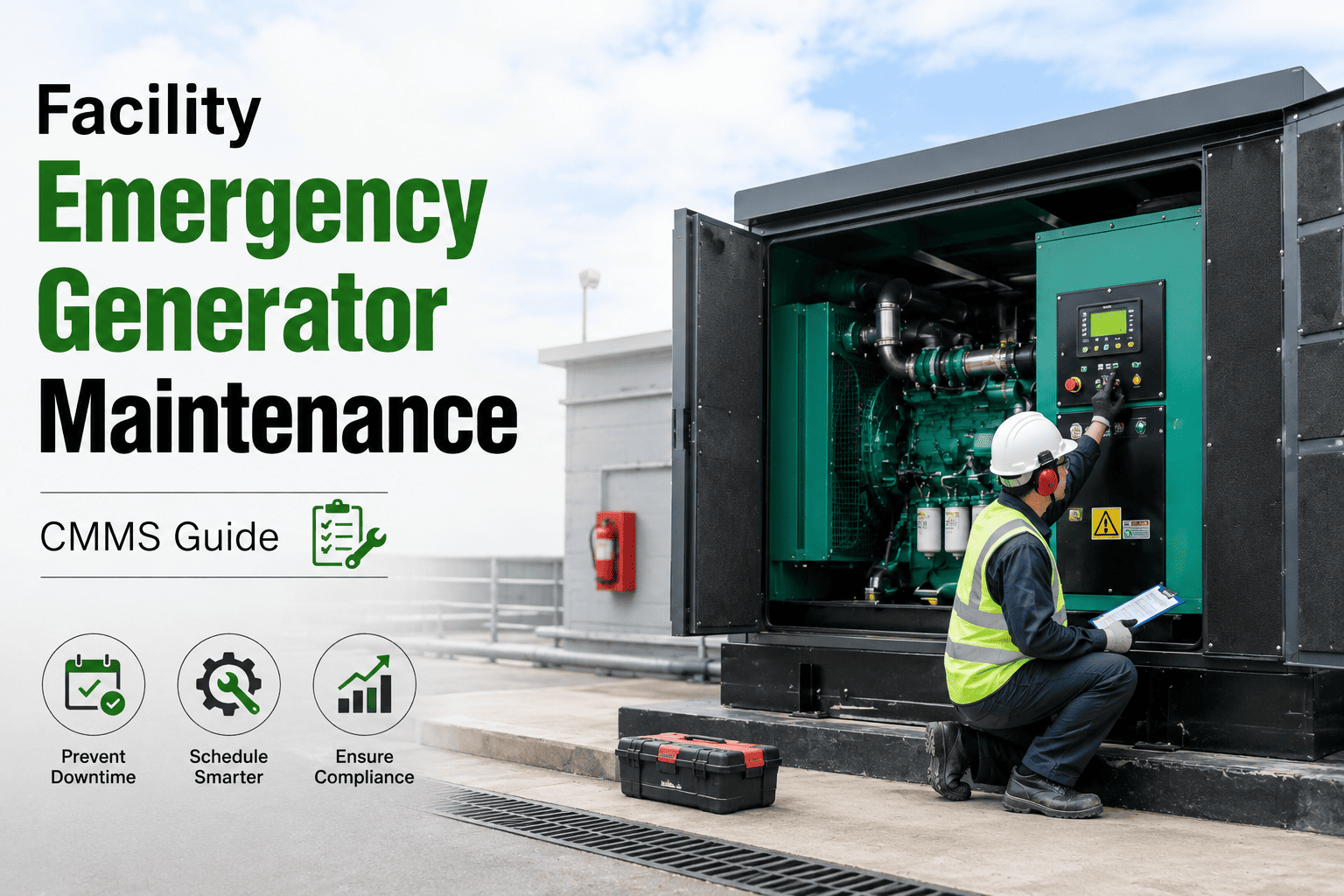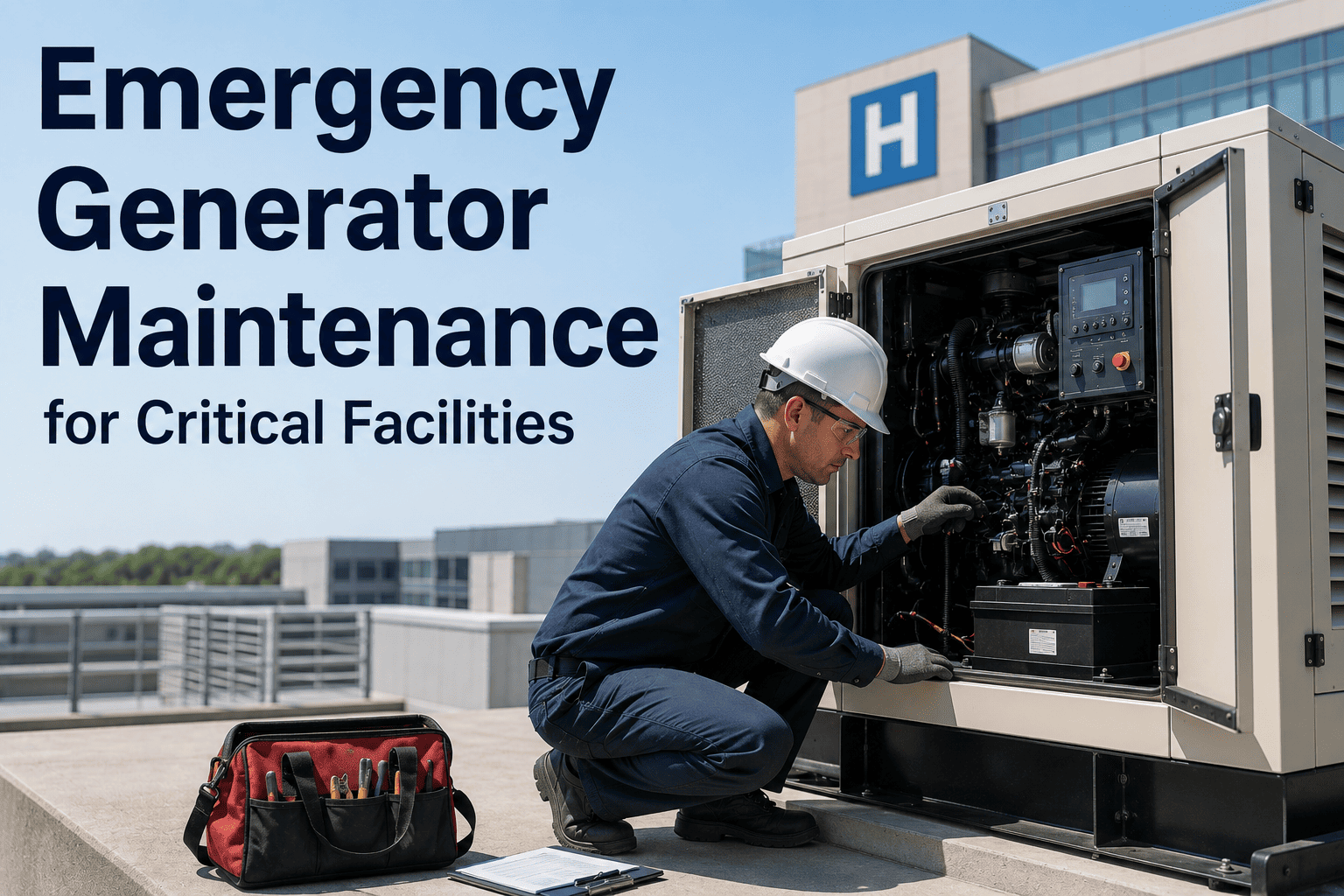
Critical facilities — hospitals, data centers, emergency services — cannot afford power failure. Emergency generators are the last line of defense when grid power fails. Yet most facilities discover generator problems only when they need them most. This guide walks facility managers through a proven maintenance framework, backed by real-world data, to ensure backup power is always ready.
Emergency Generator Maintenance for Critical Facilities
Automate generator testing, fuel checks, battery inspections, and emergency readiness with CMMS — so your backup power never fails when it matters most.
Why Generator Maintenance Gets Neglected
Emergency generators are invisible assets — they sit idle for months, never triggering complaints until the moment they fail. Facility teams deprioritize them in favor of active systems. Without a structured CMMS schedule, test logs go missing, fuel checks are skipped during busy periods, and battery inspections become annual at best. The result is a false sense of readiness that collapses under real emergency conditions.
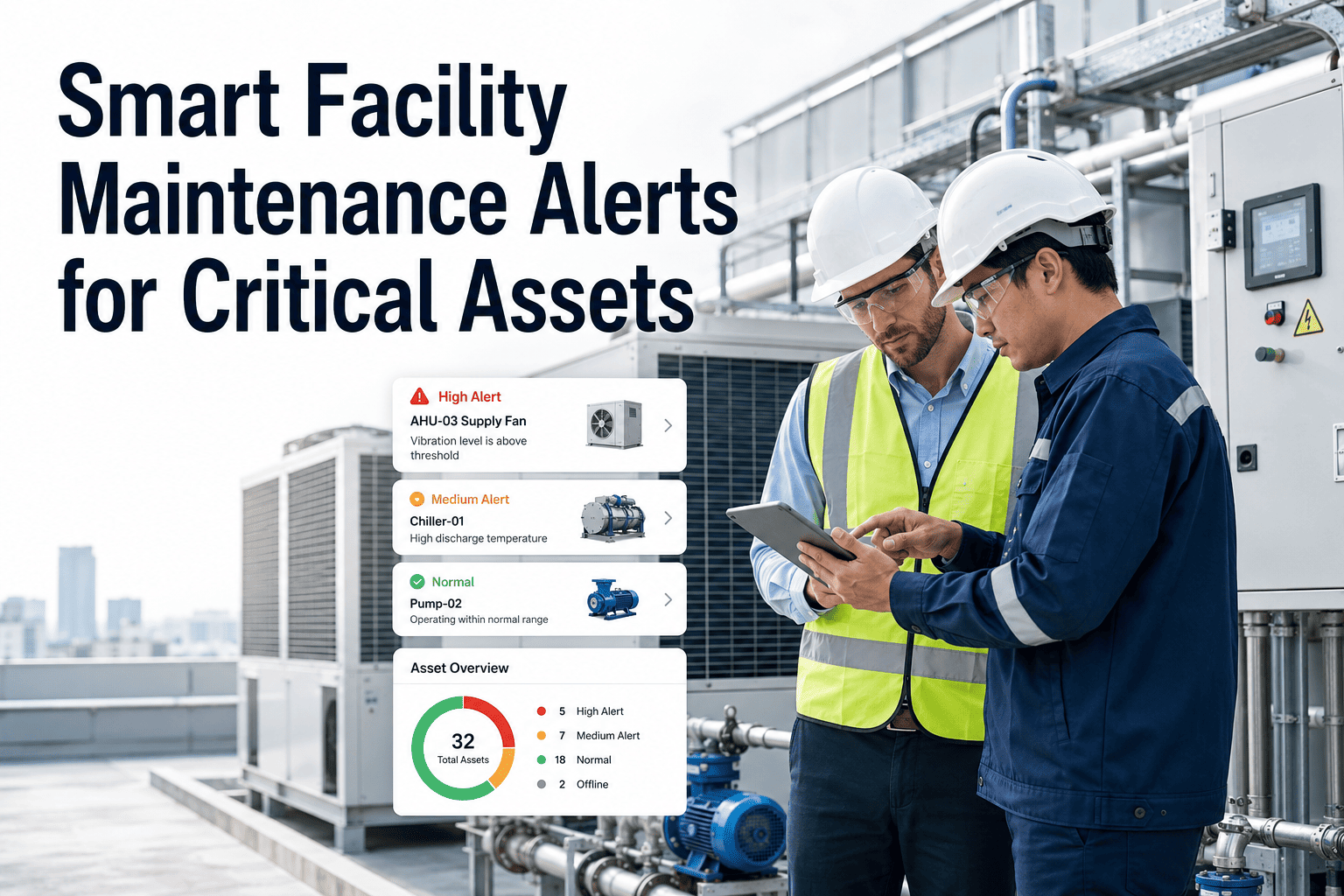
OxMaint automates every generator test schedule, fuel check reminder, and battery inspection — so nothing slips through the cracks.
See How It Works — Book DemoGenerator Maintenance Frequency Table
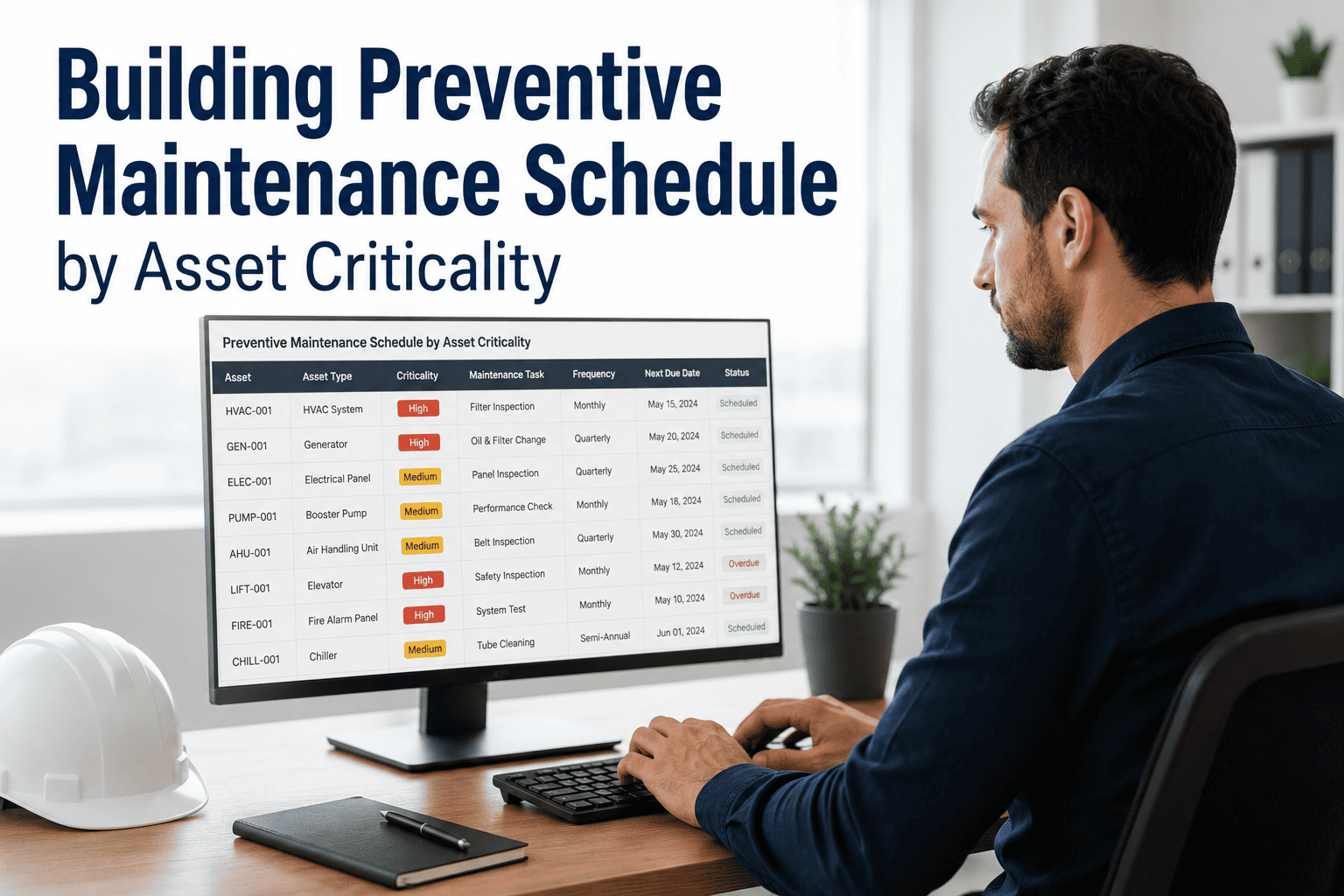
The table below reflects industry standards from NFPA 110 and EGSA guidelines, tailored for critical facilities. Each task maps to an OxMaint PM work order trigger for automated scheduling.
| Maintenance Task | Frequency | Standard Reference | OxMaint Trigger | Risk if Skipped |
|---|---|---|---|---|
| Weekly exercise run (no load) | Weekly | NFPA 110 | Calendar-based PM | Wet stacking, seal drying |
| Monthly load bank test (30% rated) | Monthly | NFPA 110 §8.4 | Auto WO generation | Carbon buildup, hidden faults |
| Fuel level and quality check | Monthly | EGSA | Sensor / manual WO | Fuel starvation at start |
| Battery voltage and CCA test | Quarterly | IEEE 450 | Date-based PM alert | Crank failure under load |
| Coolant level and antifreeze test | Quarterly | OEM spec | PM checklist item | Overheating during run |
| Full annual load test (100% rated) | Annual | NFPA 110 §8.4.2 | Compliance calendar | Undetected capacity loss |
| Transfer switch inspection | Annual | NFPA 110 | Linked asset WO | Transfer failure in outage |
The 4-Layer Readiness Framework
High-uptime critical facilities do not rely on a single check. They layer four interconnected inspection disciplines that together ensure generator systems remain ready at all times.
Diesel stored beyond 6 months without biocide treatment grows microbial contamination. Monthly sampling with a fuel polishing schedule eliminates this risk. Target: fuel clarity test passing, water content below 0.1%, microbial count within spec.
Use a conductance-based battery tester (not just voltage) quarterly. Replace any battery below 80% of rated CCA. Keep terminals clean and connections torqued. Track replacement dates in the asset record — not on a sticky note.
Monthly 30% load runs clear wet stacking. Annual 100% rated load tests verify true capacity. Document runtime hours, voltage output, frequency stability, and exhaust color during every test. Deviations trigger immediate corrective work orders.
Automatic transfer switches are the interface between grid and backup power. Annual inspection covers contact condition, timing relay calibration, and a live transfer test. A generator running perfectly cannot help if the ATS fails to switch.
Monthly Inspection Checklist
This checklist represents the minimum monthly inspection for a critical facility generator. Every item should be logged in your CMMS with technician name, reading, and timestamp for compliance documentation.
The single most preventable generator failure I have seen in two decades is battery-related — and it is entirely avoidable with quarterly conductance testing. Facility teams obsess over oil changes and load tests but skip battery capacity verification because the battery shows 12.6V and looks fine. A battery can read full voltage and still fail to deliver adequate cranking current under cold conditions or real load. Every critical facility should have a conductance tester and a tracking record in their CMMS. Platforms like OxMaint make it trivial to set quarterly battery inspection work orders that cannot be closed without a reading logged against the asset. That single discipline eliminates a third of all generator start failures.
Frequently Asked Questions
Your Generator Is Only as Reliable as Your Maintenance Program
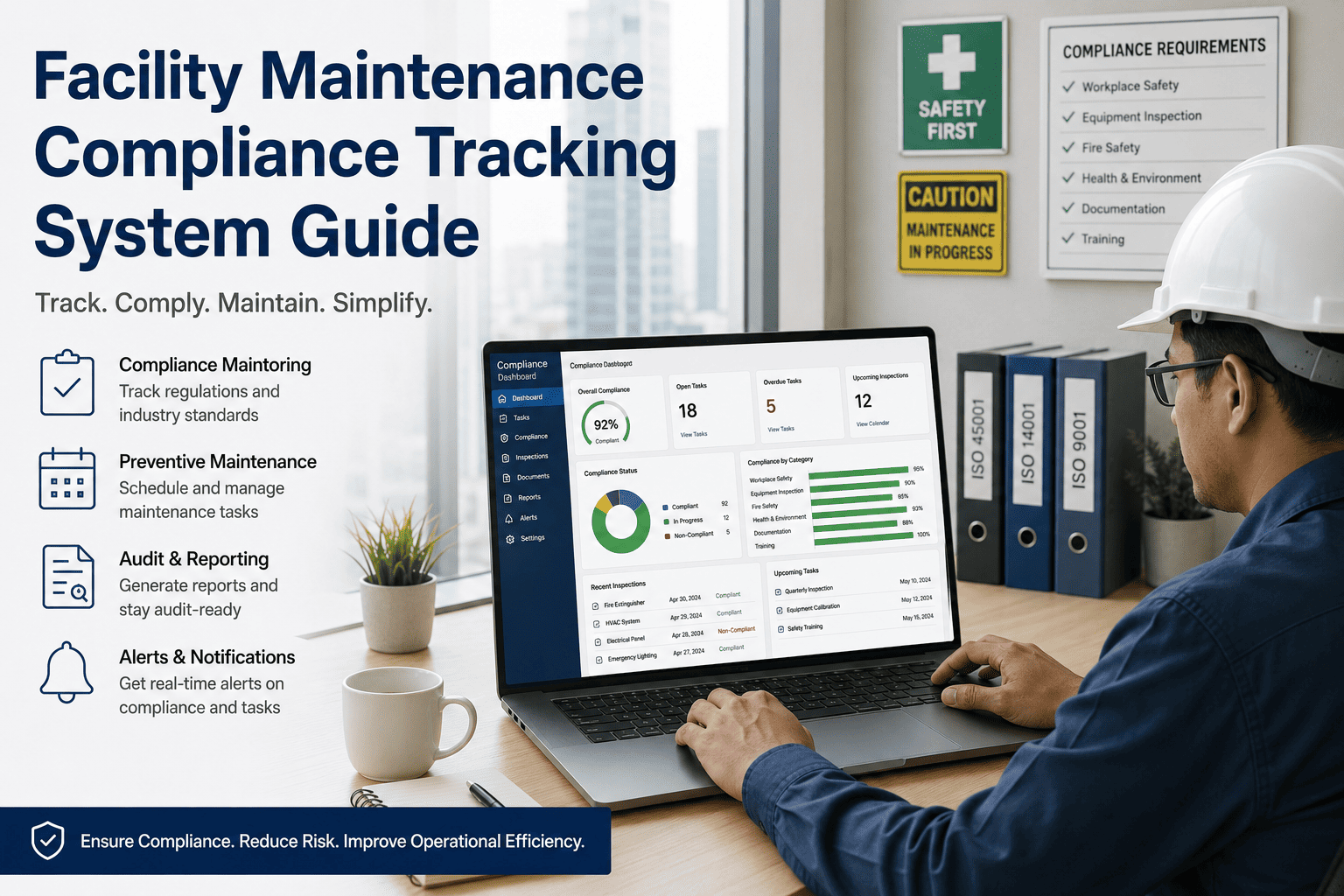
OxMaint automates every test schedule, fuel check, and battery inspection — with mobile work orders, compliance reports, and full asset history. Most critical facility teams are live within a week. Start free or see it in a 30-minute walkthrough.