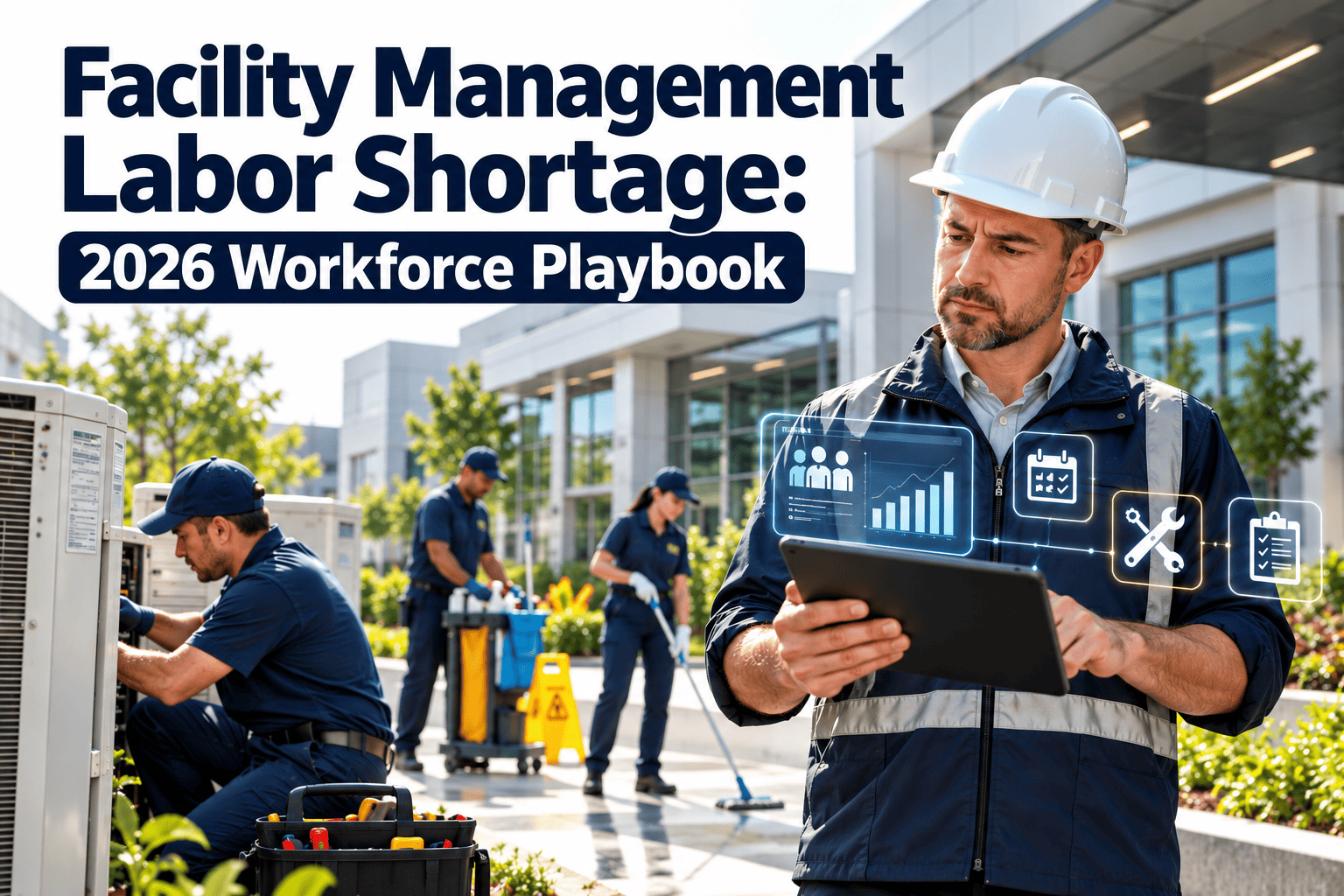
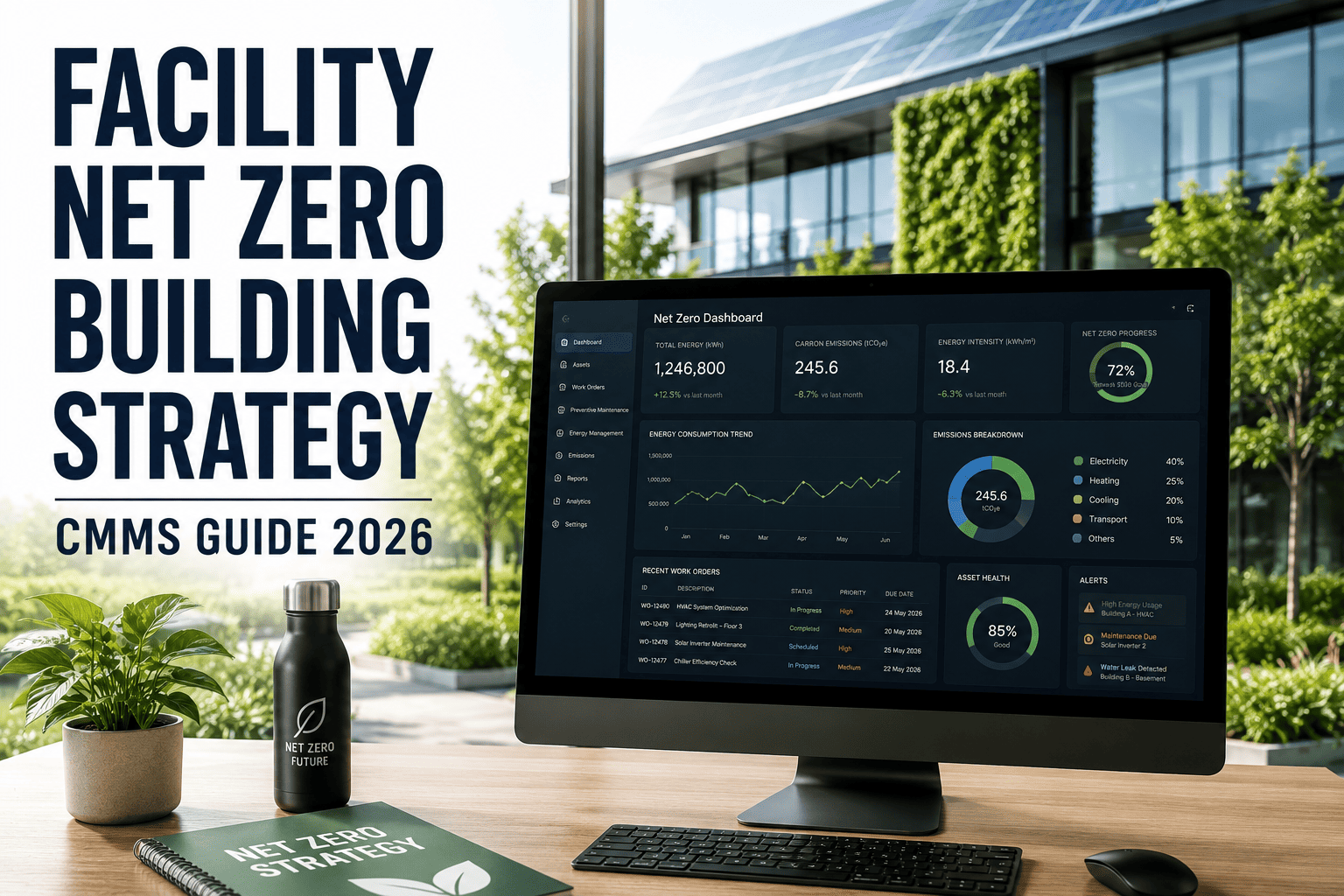
The FM workforce crisis arrived quietly and is now accelerating visibly. In the USA alone, the Bureau of Labor Statistics projects 139,000 annual facility maintenance job openings through 2032 against a shrinking pipeline of trained technicians from vocational and trade programmes. The average age of a building maintenance technician in North America is 47. In the UK, the BIFM reports that 43% of facilities management organisations cannot fill skilled maintenance roles within 60 days of posting. In Australia, where labour costs already make reactive maintenance prohibitively expensive, losing a skilled HVAC technician to a competitor costs an estimated $28,000 in recruitment, onboarding, and productivity loss before the replacement is fully productive. The skills gap is not a future problem. It is the operational reality that determines whether your PM compliance rate is 54% or 91% this quarter. Start a free trial or book a demo to see how Oxmaint's team management tools help FM organisations close the skills gap.
Oxmaint Team Management: Built for the FM Skills Gap Reality
Oxmaint's team management module captures technician skill profiles, links work orders to qualified personnel, tracks training completion, and generates mobile-first workflows that reduce the expertise required to complete complex maintenance tasks correctly. Book a demo to see team management configured for your maintenance organisation.
The Five Root Causes of the FM Skills Gap
The FM skills gap is not one problem. It is five intersecting structural failures that compound each other. Addressing only one without the others produces temporary relief, not lasting operational resilience.
Regional Skills Gap Snapshot: Where the Crisis Is Worst
| Region | Key Shortage Profile | Priority Action for FM Leaders |
|---|---|---|
| USA | HVAC, electrical, and building automation technicians critically short in Sun Belt markets. 139K annual openings vs declining vocational enrolment. OSHA compliance pressure requiring documented competency. | Trade school partnership programmes, apprenticeship pathway funding, CMMS digital tool adoption to retain younger hires and capture retiring knowledge. |
| UK | Post-Brexit reduction in EU mobile labour reduced supply of experienced FM technicians. Building safety regulation increases documentation burden. NHS FM teams running 30% below establishment. | Cross-skilling existing workforce across multiple disciplines. Digital PM scheduling to stretch smaller teams across larger building portfolios without compliance risk. |
| Australia | High labour costs make every vacancy expensive. Remote site operations require self-sufficient technicians. Competition from mining and construction for the same workforce pool. | Preventive maintenance investment reduces reactive callout frequency, stretching existing team capacity. Mobile CMMS with offline mode enables remote site capability without additional headcount. |
| UAE | Rapid smart building expansion against limited local FM talent pool. Heavy reliance on expatriate workforce with high turnover. Vision 2030 sustainability requirements increasing technical complexity. | Structured onboarding through CMMS task templates reduces time-to-productivity for new hires. Vendor management platform reduces dependency on individual in-house expertise. |
| Germany | Strong vocational training system but FM not attracting top technical graduates vs automotive and manufacturing. Strict regulatory documentation requirements consuming technician time. | Digital compliance documentation frees 15 to 20% of technician time currently spent on paper records. Cross-training programmes to build multi-discipline capability within existing headcount. |
Mobile CMMS That Reduces Expertise Dependency and Retains Digital-Native Technicians
Oxmaint's mobile-first platform gives technicians guided inspection workflows, asset history at the scan point, and paperless compliance documentation that reduces both the expertise required and the administrative burden that drives burnout.
Eight Strategies for Closing the FM Skills Gap in 2026
Every work order a retiring technician completes builds the asset history that their replacement will rely on. Organisations that have CMMS work order history before a key technician leaves retain 70 to 80% of the diagnostic value of that person. Organisations without it start from zero. Book a demo to see work order history capture in Oxmaint.
FM organisations with formal apprenticeship pipelines fill 68% of skilled vacancies internally versus 31% for organisations relying on open market recruitment. The apprenticeship model also produces technicians already familiar with your specific asset portfolio, building systems, and PM schedule.
A maintenance technician cross-trained in HVAC and electrical can cover two skill gaps instead of one. Cross-training programmes with CMMS task template support reduce the expertise threshold required to execute PM tasks correctly, making cross-discipline deployment operationally viable without quality compromise. Start free trial to configure skill-linked work orders.
Mobile CMMS with QR code asset scanning, digital inspection forms, and real-time work order assignment is not just an operational tool. It is a recruitment and retention signal. Facilities offering digital-first workflows attract younger technicians and reduce the administrative burden that drives burnout in experienced staff.
Reactive maintenance is disproportionately expensive in a skills-short environment because emergency callouts consume the highest-skilled technicians and create scheduling disruption across the PM calendar. Organisations with PM compliance above 80% have 47% fewer emergency callouts, stretching the same team further. Book a demo to see PM compliance tracking in Oxmaint.
A well-managed contractor base extends in-house team capacity on specialist tasks without carrying the full cost of specialist headcount. Oxmaint's vendor management module tracks SLA compliance, contractor performance scores, and work order completion rates per vendor, making the contractor workforce as accountable as the in-house team.
Facility management lacks the structured career pathway visibility of trades like electrician or plumber. Investing in IFMA CFM and FMP certification support for promising technicians creates a visible career ladder that competing employers without certification programmes cannot easily match. Sign up free to explore Oxmaint team development tracking.
A large deferred maintenance backlog is a morale and retention problem as much as a capital problem. Technicians who spend every shift reacting to failures they know were predictable become disengaged and leave. Structured backlog reduction using CMMS prioritisation frameworks demonstrates operational commitment that skilled technicians respond to.
Skills Gap Impact: Before vs After Structured FM Workforce Strategy
| Metric | Without Structured Strategy | With Oxmaint Team Management |
|---|---|---|
| PM compliance rate | 54% average when teams are understaffed and reactive. Scheduled PM tasks deferred as technicians respond to emergencies driven by missed PMs from the previous cycle. | 91% PM compliance achievable with automated scheduling, skill-matched work order assignment, and escalating deadline alerts before overdue status. |
| Knowledge retention on retirement | Near-zero structured knowledge transfer. Replacement starts from scratch on asset-specific failure patterns. First 12 months operating blind on high-criticality assets. | Full work order history and asset fault record retained in CMMS. Replacement technician has complete maintenance history from day one, reducing error rate and ramp time. |
| Technician time on admin | 15 to 22% of technician time spent on paper-based documentation, manual work order creation, and compliance record filing. Time unavailable for PM delivery. | Mobile CMMS eliminates paper documentation. QR scan-to-work-order reduces asset lookup time. Compliance records generated automatically on task completion. |
| Voluntary turnover rate | Industry average 28% annual voluntary turnover in FM. Driven by inadequate tools, high reactive workload, and unclear career progression in paper-based operations. | Digital-native workflows, clearer task assignment, and reduced reactive burden reduce voluntary turnover by 35 to 40% in comparable FM operations within 18 months. |
| Emergency repair ratio | 38% of work orders are reactive emergency events at 4.8x the cost of planned maintenance. Short-staffed teams enter a compounding reactive cycle that PM compliance cannot recover from. | Emergency repair ratio drops to under 16% within 12 months of structured PM delivery. Team capacity freed from reactive callouts can be reinvested in PM compliance and cross-training. |
FM Workforce Strategy Performance Benchmarks
Continue Reading: FM Workforce and Vendor Management
Frequently Asked Questions
QWhat is the most effective first step for an FM organisation with a critical technician shortage right now?
QHow does Oxmaint help with knowledge transfer when experienced technicians retire?
QCan Oxmaint assign work orders based on technician skill levels and certifications?
QHow does reducing the maintenance backlog help with technician retention?
91% PM Compliance. Digital Workflows That Retain Technicians. Knowledge Capture Before It Walks Out the Door.
Oxmaint's team management, mobile work order, and asset history platform is designed for FM organisations managing the skills gap reality of 2026. Go live in 14 days. No implementation project. No consultant fees.