Plumbing Inspection & Maintenance Checklist for Facilities
By John Polus on March 31, 2026
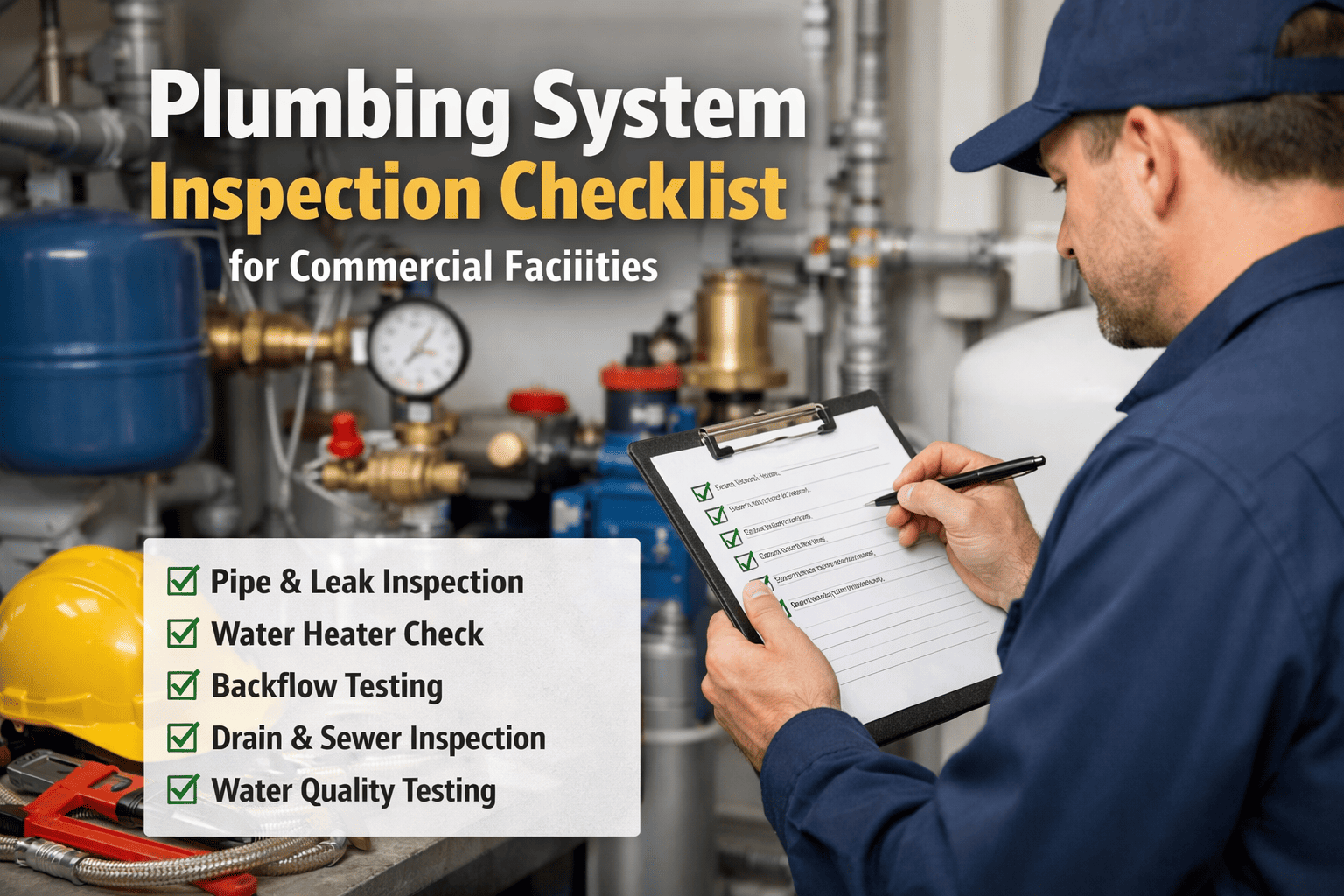
Commercial plumbing failures account for an estimated $11,000 per incident on average in repair costs before business interruption and water damage claims are included -- and 68% of those failures involve systems that exhibited detectable warning signs weeks before the incident. This checklist covers every plumbing zone from domestic water supply through backflow prevention, with the inspection criteria, measurement standards, and documentation requirements that separate a compliance record from a paper walkthrough. Book a demo to see Oxmaint's zone-based plumbing inspection module configured for your facility hierarchy.
Checklist · Facility MaintenanceDownload and Use — 5 Zones — 26 Inspection Items
68%
of commercial plumbing failures involve systems that showed detectable warning signs 2 to 6 weeks before the failure event occurred
$11K
average cost per commercial plumbing failure before water damage and business interruption costs are added to the repair invoice
5
inspection zones in this checklist from domestic water supply and drainage through backflow prevention and cross-connection control
76%
reduction in reactive plumbing repairs at facilities running structured zone-based PM programs versus reactive-only operations
How to Use This Checklist
1Complete each zone inspection in sequence during scheduled maintenance windows or following a reported plumbing issue in any zone.
2Check each item against the stated acceptance criterion and record the actual observed or measured condition in the field notes.
3Photograph every flagged item before marking it as requiring corrective action -- photos must show the defect clearly with surrounding context.
4Record inspector name, inspection date, facility name, and system last-serviced date as header data before beginning any zone.
Severity Classification
CriticalIsolate or shut off immediately -- do not restore without qualified sign-off
ActionSchedule repair within current service window or at next planned opportunity
MonitorLog condition, increase inspection frequency, escalate if trend worsens
PassCondition within acceptable parameters -- continue current maintenance programme
Zone 1
Domestic Water Supply
Pressure and FlowPotable Water Quality
Main Service and Distribution
Static water pressure measured at main service entrance -- acceptance: 40 to 80 PSI per ASHRAE; pressure above 80 PSI requires pressure reducing valve (PRV) inspection and recalibrationCritical
PRV operation verified -- downstream pressure within 5 PSI of set point; PRV failing to hold pressure requires replacement before next winter freeze cycleAction
All main shutoff valves exercised through full open-close cycle -- valves that are stuck or require excessive force indicate corrosion requiring valve replacement schedulingAction
Water meter reading logged and compared to previous inspection reading -- unexplained consumption increase above 10% indicates active leak in the distribution systemMonitor
All exposed piping and insulation in unconditioned spaces inspected -- missing or damaged insulation on cold water lines in heated spaces creates condensation and mold riskMonitor
Expansion tank charge pressure verified on closed-loop domestic systems -- waterlogged expansion tank causes pressure spikes that shorten PRV and fixture service lifeMonitor
Zone 2
Drain, Waste, and Vent Systems
Gravity DrainageVenting Compliance
Drain Lines and Cleanouts
All floor drains flow-tested -- standing water around drain indicates partial blockage; root intrusion in underground lines requires camera inspection before recurring backup eventAction
Cleanout plugs accessible and intact -- missing plugs allow sewer gas egress into occupied spaces; over-tightened plugs that cannot be removed block emergency access to drain systemAction
Grease interceptors inspected and measured -- interceptors at 25% or above solids capacity must be scheduled for pump-out before the 25% threshold causes overflow into the city sewerCritical
Vent stack terminal at roof free from bird nesting, debris blockage, or frost closure -- blocked venting causes siphonage of fixture trap seals allowing sewer gas into occupied spacesMonitor
Sump pump operation tested -- float switch activates at correct level, discharge line free from obstruction, check valve preventing backflow; battery backup sump tested on battery powerMonitor
Zone 3
Plumbing Fixtures and Fittings
Water ConservationADA Compliance
Restroom Fixtures and Flush Valves
All flush valves adjusted to code-compliant flush volume -- commercial toilets above 1.6 GPF and urinals above 0.5 GPF are subject to EPA WaterSense and local water authority correction ordersAction
No running flush valves or continuously flowing sensors -- a single running commercial toilet wastes 2 to 7 gallons per minute; identify and repair within 48 hours of detectionCritical
Faucet flow rates measured at restroom lavatories -- commercial faucets above 0.5 GPM require aerator replacement or valve adjustment to meet current EPA WaterSense standardsMonitor
P-trap integrity verified at all lavatory and floor drain fixtures -- dry traps in infrequently used restrooms allow sewer gas to enter; flush monthly in low-use areasMonitor
ADA-compliant hot water temperature at accessible lavatories verified at 110 degrees F maximum -- scald protection required per ADA guidelines for public restrooms serving all populationsAction
Zone 4
Water Heaters and Hot Water Systems
Legionella Risk ControlEnergy Efficiency
Storage Tank and Tankless Water Heaters
Storage water heater thermostat set at minimum 140 degrees F at heater -- 140 degrees F required at tank to prevent Legionella growth; thermostatic mixing valve installed downstream for scald protectionCritical
Temperature and pressure relief (TPR) valve tested annually -- valve must discharge at set pressure and reseat completely; weeping TPR valve must be replaced within 30 daysCritical
Anode rod inspected annually on storage tank heaters -- rod depleted to core wire requires replacement to prevent tank corrosion extending into the storage vessel wallsAction
Sediment flush completed on storage tank heaters annually -- calcite and mineral sediment above 1 inch depth on tank bottom reduces efficiency 10 to 15% and accelerates corrosionMonitor
Hot water recirculation pump operation and timer schedule verified -- pump delivering hot water within 5 seconds at all fixtures; failed recirc pump causes occupant complaints and Legionella risk in stagnant sectionsMonitor
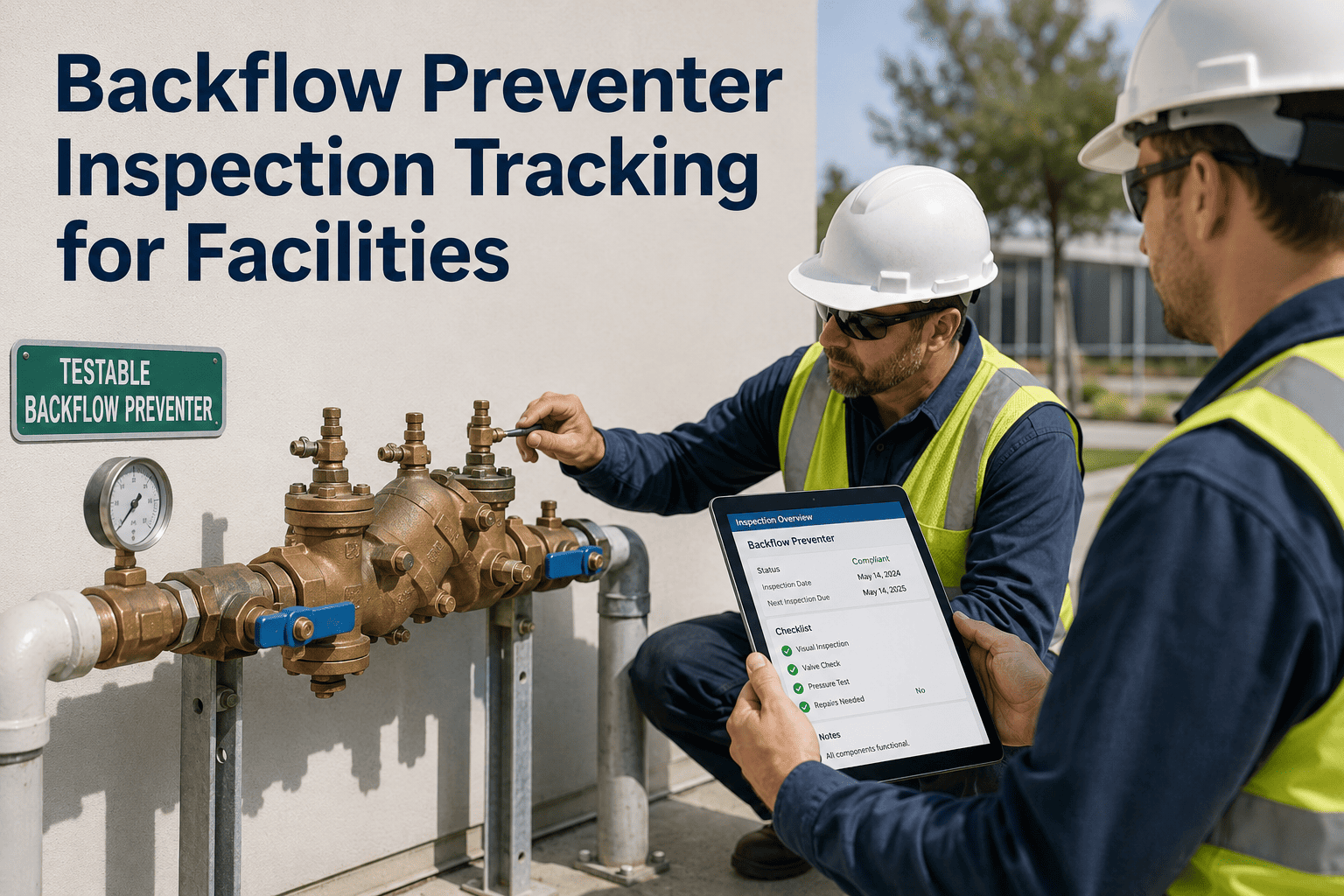
Annual backflow preventer test completed by certified tester on all reduced pressure zone (RPZ) assemblies -- test results submitted to local water authority before expiration dateCritical
RPZ relief valve discharge outlet unobstructed and positioned correctly -- discharge must drain freely to floor drain; submerged or obstructed outlets void backflow protection entirelyCritical
Irrigation system backflow preventer test completed annually -- irrigation systems represent the highest cross-connection risk in commercial facilities due to chemical fertilizer and pesticide injectionAction
All hose bibs and utility faucets equipped with vacuum breakers -- hose bib vacuum breakers must be verified functional; missing vacuum breakers on hose bibs create unprotected cross-connection to potable supplyAction
Backflow preventer certification certificates filed and next test date calendared -- expired certificates trigger water authority non-compliance notice and potential service interruptionMonitor
Inspection Sign-Off and Header Record
Inspector Name
Inspection Date
Facility Name
Static Water Pressure (PSI)
Backflow Cert Expiry Date
Supervisor Sign-Off
Critical Findings Summary
Oxmaint's zone-based plumbing inspection module digitises this entire checklist -- photo documentation at each item, condition scoring per zone, automatic work order generation for every Critical and Action finding, and certificate tracking for backflow preventer annual test deadlines. Book a demo to see the plumbing inspection module configured for your facility hierarchy.
A paper plumbing inspection produces a point-in-time record that cannot be trended, searched, or compared to previous inspections without manual effort. Oxmaint transforms every line item into a structured digital record linked to the specific plumbing zone, system, and building -- enabling trend analysis, automatic work order routing, and certificate deadline tracking.
ZNE
Zone-Based Inspection Forms
Each of the 5 plumbing zones in this checklist is a separate digital inspection form in Oxmaint, with all line items pre-loaded. Inspectors complete items on mobile at the equipment with mandatory photo capture for any Critical or Action finding.
PHO
Photo Documentation with Asset Reference
Every photo captured during plumbing inspection is automatically tagged with zone, system name, inspection date, and building reference. Photos are searchable by location and comparable against the same item from previous inspections.
WO
Automatic Work Order Routing
Any item rated Critical or Action automatically generates a linked corrective work order with the finding description, photo evidence, and zone reference pre-populated. Priority, target date, and responsible technician are assigned from the inspection screen.
CERT
Backflow Certificate Management
Annual backflow preventer test certificates stored in Oxmaint against each backflow assembly asset record. Automated reminders at 90, 30, and 7 days before expiry prevent compliance lapses that trigger water authority notices.
SCR
Condition Trending and Leak Tracking
Water meter readings and pressure measurements entered during inspection are plotted automatically on trend charts per zone. Consumption anomalies above 10% from baseline trigger automatic investigation work orders before a leak event is confirmed.
AUD
Audit-Ready Compliance Records
Every inspection generates a timestamped, inspector-attributed compliance record exportable for water authority audits, insurance renewals, and property due diligence without manual compilation of paper inspection logs.
Convert This Paper Checklist Into a Live Compliance System
Oxmaint replaces paper plumbing inspection logs with zone-based digital forms, photo documentation, backflow certificate tracking, and automatic work order generation -- all linked to your facility's plumbing asset hierarchy and compliance calendar. Book a demo to see the plumbing inspection module for your facility.
QHow often should commercial facility plumbing systems be inspected?
A full zone-by-zone inspection covering all 5 zones in this checklist should be completed quarterly for facilities above 50,000 sqft, and semi-annually for smaller properties. Backflow preventers require annual certified testing regardless of facility size -- local water authority requirements override all other intervals. Monthly inspections should cover high-risk items: water pressure, grease interceptor levels, and running fixtures. Book a demo to see Oxmaint's plumbing PM schedule configured against your facility type.
QWhat are the highest-risk plumbing inspection items in a commercial facility?
Three items carry the highest risk in commercial plumbing: (1) water heater temperature below 140 degrees F -- Legionella growth is the primary public health risk, (2) backflow preventer failures -- cross-connection to the potable supply creates regulatory and liability exposure, (3) grease interceptor overflow -- the most frequent source of insurance claims in commercial kitchen facilities. All three are detectable through structured quarterly inspection before they escalate to incidents.
QWhat documentation is required for backflow preventer compliance?
Local water authorities typically require annual test reports signed by a certified backflow prevention assembly tester (BPAT), documenting test date, assembly serial number, test results, and tester certification number. Many jurisdictions require submission of test reports directly to the water authority within 30 days of testing. Oxmaint stores certificates against each asset and sends automated reminders at 90, 30, and 7 days before expiry. Book a demo to see the backflow certificate management module.
QWhat is the ROI of preventive plumbing PM versus reactive repair?
Reactive plumbing repairs in commercial facilities average $11,000 per incident before water damage and business interruption costs. A structured quarterly PM program costs a fraction of this per incident prevented. Facilities on Oxmaint report 76% reductions in reactive plumbing repairs within 12 months of deploying structured zone-based inspection programs. Book a demo to model the plumbing PM ROI for your facility portfolio.
QCan Oxmaint track Legionella risk management as part of the plumbing inspection program?
Yes. Oxmaint supports water management plan (WMP) documentation aligned with ASHRAE 188 and CDC guidance -- including periodic water temperature logging at storage and sentinel taps, distal outlet monitoring, and remediation work order generation when temperatures fall outside the 140 degrees F at source and 120 degrees F at distal outlet range. All records are exportable for health department audit in the format required by your local authority. Book a demo to see the Legionella risk management module.
Run This Checklist Digitally on Your Next Plumbing Inspection
Oxmaint deploys zone-based plumbing inspection forms with photo documentation, backflow certificate tracking, and automatic work order generation -- configured to your facility hierarchy and compliance calendar. Book a 30-minute demo to see the full plumbing inspection module.