A commercial building without a documented preventive maintenance schedule is running on hope. Facilities with structured PM programmes reduce total maintenance costs by 15 to 25%, extend equipment service life by 30 to 40%, and achieve HVAC PM compliance rates above 90% versus the 52 to 61% industry average for facilities relying on reactive or ad-hoc scheduling. This template covers PM frequencies for every major commercial building system: HVAC, electrical, plumbing, fire safety, and elevators. Use it to build your facility's first PM programme or audit gaps in an existing one. Sign up free on Oxmaint to convert this schedule template into automated digital work orders for every system in your building, or book a demo to see the PM scheduling module configured for your building portfolio.
Checklist
Preventive Maintenance Schedule Template for Commercial Facilities 2026
Core · P1 · 6 systems · 65+ PM tasks
25%
Average reduction in total maintenance costs achieved by facilities that move from reactive to structured PM programmes across all building systems
40%
Extension in average equipment service life when systems are maintained to manufacturer PM intervals rather than calendar-based or run-to-failure schedules
52%
Average HVAC PM compliance rate in facilities using spreadsheet-based scheduling versus 91% in facilities using automated CMMS PM scheduling
4.8x
Higher cost of emergency repairs versus planned maintenance interventions across all commercial building systems in North American property management data
Build Your PM Programme in Oxmaint: Every System Scheduled, Every Interval Tracked, Every Certificate Managed
Automated PM scheduling for HVAC, electrical, plumbing, fire safety, and elevators. Contractor work orders auto-generated at the correct frequency. Compliance certificates tracked with 90/60/30-day advance alerts. Free to start.
How to Use This PM Schedule Template
1Review each system zone and confirm the PM tasks listed match your installed equipment types and manufacturers' service recommendations.
2For each task, record the responsible party (in-house technician or specialist contractor) and the specific contractor where applicable.
3Set up recurring work orders at each task frequency in your CMMS or maintenance management system using this template as the master schedule.
4Review PM completion rates monthly. Any zone running below 85% compliance requires scheduling review or contractor performance action.
Frequency Key
Monthly NFPA-required or high-consequence items
Quarterly System performance and code compliance
Semi-Annual Seasonal transition and major service
Annual Statutory certificates and full system review
System 1
HVAC and Mechanical Systems
Highest Maintenance Cost DomainASHRAE 62.1 and 90.1
1.1 Air Handling Units and Fan Coil Units
1.2 Chillers, Boilers, and Cooling Towers
1.3 Building Automation System
System 2
Electrical Systems
NFPA 70B Annual IR Survey18% of Building Fires from Electrical
2.1 Distribution and Panel Boards
2.2 Emergency Power Systems
System 3
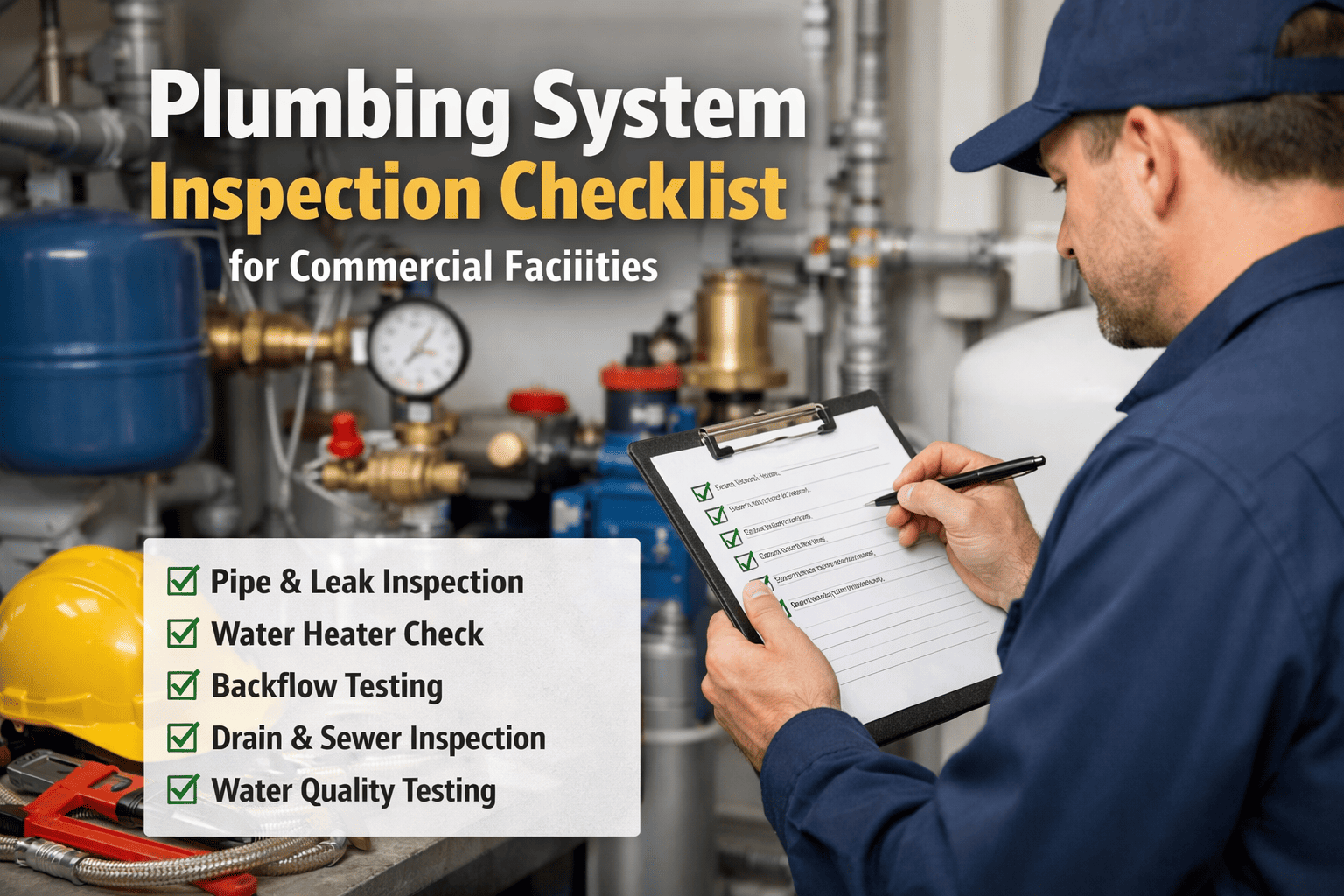
Plumbing and Water Systems
Backflow Annual Statutory TestLegionella ASHRAE 188
3.1 Domestic Water and Plumbing
3.2 Drainage and Stormwater
System 4
Fire Safety Systems
NFPA 10 · 25 · 72 · 101Highest Compliance Consequence
4.1 Fire Extinguishers and Suppression
4.2 Fire Alarm and Emergency Lighting
System 5
Elevators and Vertical Transport
ASME A17.1 Statutory Annual InspectionCertificate Posted in Cab
5.1 Elevator Operation and Safety
5.2 Escalators and Moving Walks
System 6
Building Envelope and Structure
IBC Chapter 17Annual Plus After Major Weather
6.1 Roof and Exterior Envelope
6.2 Structure and Foundation
PM Schedule Review Record
PM Compliance Rate (Current)
Gaps Identified and Actions Required
Oxmaint CMMS
Every PM task in this schedule becomes an automated recurring work order in Oxmaint — generated at the correct frequency, assigned to the responsible contractor, and tracked for completion. PM compliance rate visible in real time across every building system and every site in your portfolio.
Book a demo to see PM scheduling configured for your systems.
How Oxmaint Converts This PM Template Into a Live Building Maintenance Programme
A PM schedule template in a spreadsheet is an intention. A PM programme in Oxmaint is an operational system. Every task in this template becomes a scheduled digital work order, auto-assigned to the responsible technician or contractor, with mandatory completion records and automatic escalation when tasks are overdue. The result is consistent PM delivery rather than consistent PM planning.
AUT
Automated PM Work Order Generation
Monthly, quarterly, semi-annual, and annual PM tasks generate recurring work orders automatically at the correct interval. No manual scheduling. No missed tasks when staff turn over or holidays fall.
CON
Contractor Portal and SLA Tracking
All contractor PM work orders dispatched through the Oxmaint vendor portal. Completion requires GPS check-in, photo evidence, and task sign-off before invoice approval is released. Contractor PM compliance tracked per system.
CRT
Certificate and Expiry Management
All statutory certificates stored in Oxmaint against the system asset record. Advance alerts at 90, 60, and 30 days before any certificate expires. Fire alarm, sprinkler, backflow, and elevator all tracked automatically.
KPI
PM Compliance Rate Dashboard
Live PM completion rate by system, by building, and across the full portfolio. Overdue tasks escalated automatically. Directors of Facilities see real-time compliance versus the 85% industry benchmark target.
AST
Asset Lifecycle Tracking
Every PM work order is logged against the specific equipment asset record. Cumulative PM history, cost per asset, and condition scoring build the data for replacement timing and CapEx forecasting decisions.
RPT
Audit-Ready Compliance Reporting
Complete PM history for any system, any building, any date range generated in under 5 minutes for regulatory, insurance, or investor audit. No manual compilation. Records stored indefinitely in the building asset hierarchy.
Deploy This PM Schedule as a Live Automated Programme Across Your Entire Building Portfolio
Oxmaint converts this six-system PM template into automated recurring work orders, contractor SLA verification, and certificate tracking for every building in your portfolio. Live in days. No IT project. Book a demo to see PM scheduling configured for your building systems.
Frequently Asked Questions: Commercial Building PM Schedules
QWhat PM schedule frequency does ASHRAE recommend for commercial HVAC systems?
ASHRAE 62.1 requires AHU filter inspection at intervals based on indoor air quality requirements, typically monthly in commercial occupancies. ASHRAE 180 recommends quarterly coil inspection and semi-annual full service. BAS calibration is recommended annually. Cooling tower Legionella monitoring frequency depends on risk classification under ASHRAE 188.
Sign up free to configure ASHRAE-aligned PM scheduling, or
book a demo to review HVAC PM setup for your building.
QHow do I calculate the ROI of implementing a structured PM programme?
Start with your current emergency repair spend and divide by total maintenance budget. Industry benchmark is 20% or below. Facilities running above 40% emergency spend can expect 15 to 25% total maintenance cost reduction within 12 to 18 months of structured PM implementation, plus 30 to 40% longer equipment service lives.
Book a demo to model the ROI for your portfolio's current maintenance spend profile.
QCan Oxmaint manage PM schedules for both in-house technicians and external contractors on the same platform?
Yes. Oxmaint assigns each PM task to either an internal technician or an external contractor. Contractors access their work orders through the Oxmaint vendor portal and close them with GPS check-in and photo evidence before invoices are approved. All PM completion records are unified in the building asset record regardless of who performed the work.
Sign up free to set up both in-house and contractor PM workflows.
QHow should I prioritise which systems to implement PM scheduling for first?
Start with the systems that have statutory compliance requirements: fire safety (NFPA 10, 25, 72, 101) and elevators (ASME A17.1). Missing these creates legal liability regardless of budget. Then prioritise HVAC, which represents 40 to 60% of building energy spend and is the highest-cost PM domain. Electrical and plumbing PM come third.
Book a demo to build a prioritised PM deployment plan for your buildings.
Six Systems. 65+ PM Tasks. Automated, Tracked, and Compliant in Oxmaint.
Move from reactive maintenance to a structured PM programme that runs automatically, tracks contractor compliance, manages certificates, and reports on system-level PM rates across your full portfolio. Free to start.
Automated PM Scheduling
Contractor SLA Tracking
Certificate Management
PM Compliance Dashboard
Continue Reading: FM Checklists and Templates
Building Maintenance Checklist: Daily, Weekly, Monthly and Annual TasksAll-frequency building maintenance across six domains from daily rounds to annual statutory compliance audits.
Click here to read more
SC
ChecklistAuthority · P1
Facility Manager Seasonal Maintenance Calendar: Quarter-by-Quarter GuideQ1 through Q4 seasonal maintenance tasks for HVAC, envelope, and building systems aligned to climate transitions.
Click here to read more
Facility Management SOP Template: Standardize Building OperationsWork order procedures, emergency protocols, vendor onboarding, and inspection routines in one SOP framework.
Click here to read more
Move-In Move-Out Facility Checklist for Commercial Tenant TransitionsSpace inspections, utility handovers, security resets, and punch list management for commercial tenant transitions.
Click here to read more