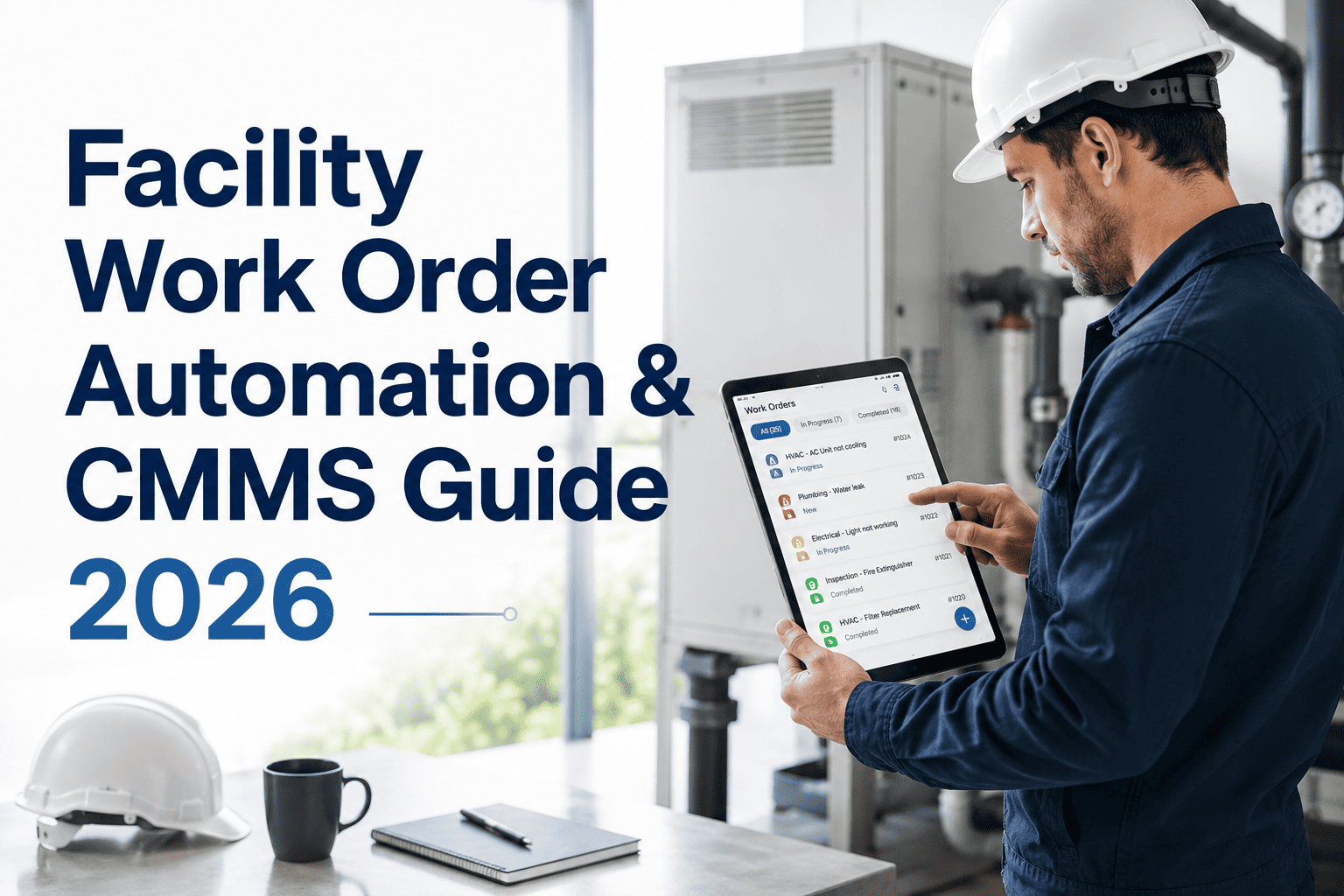
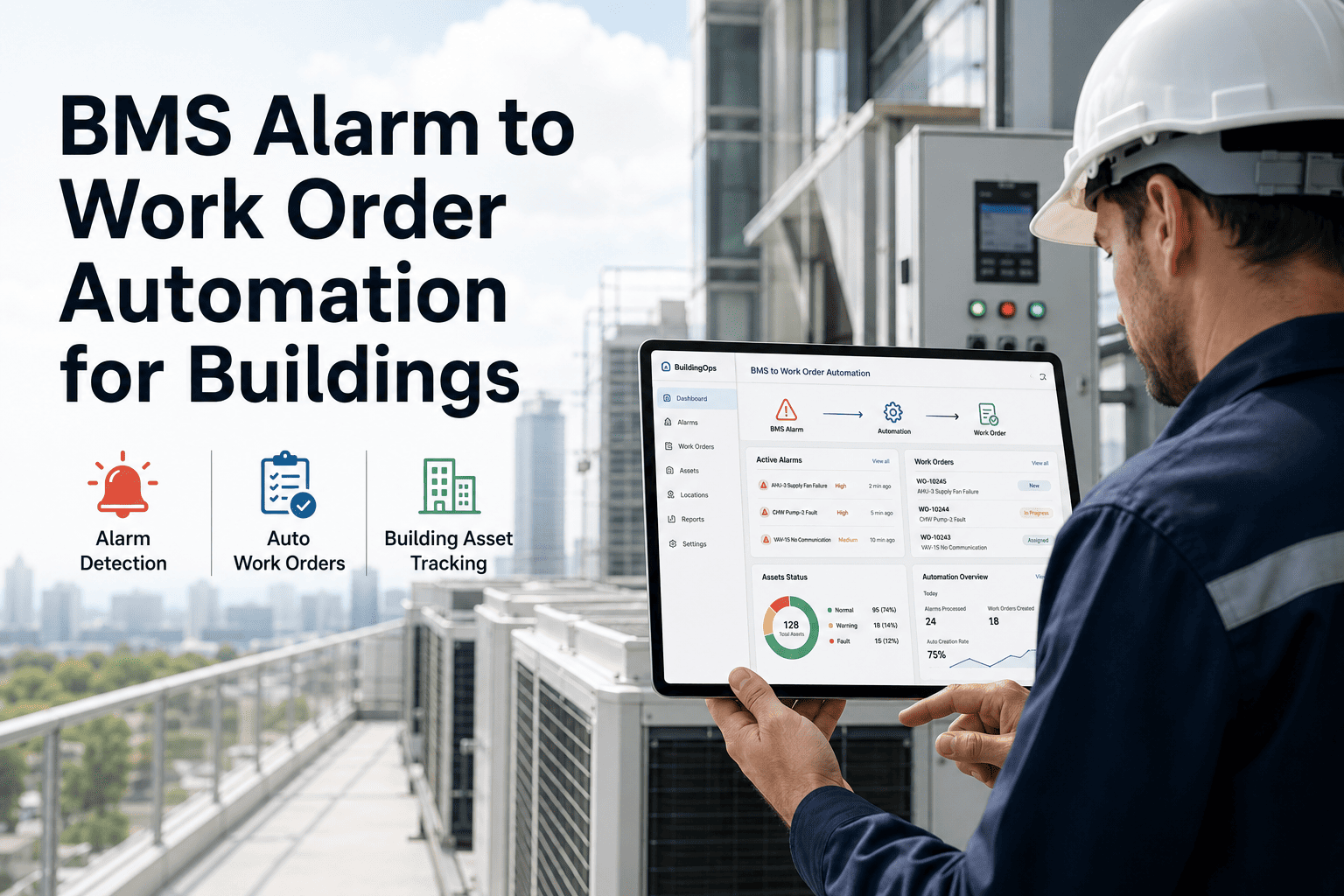
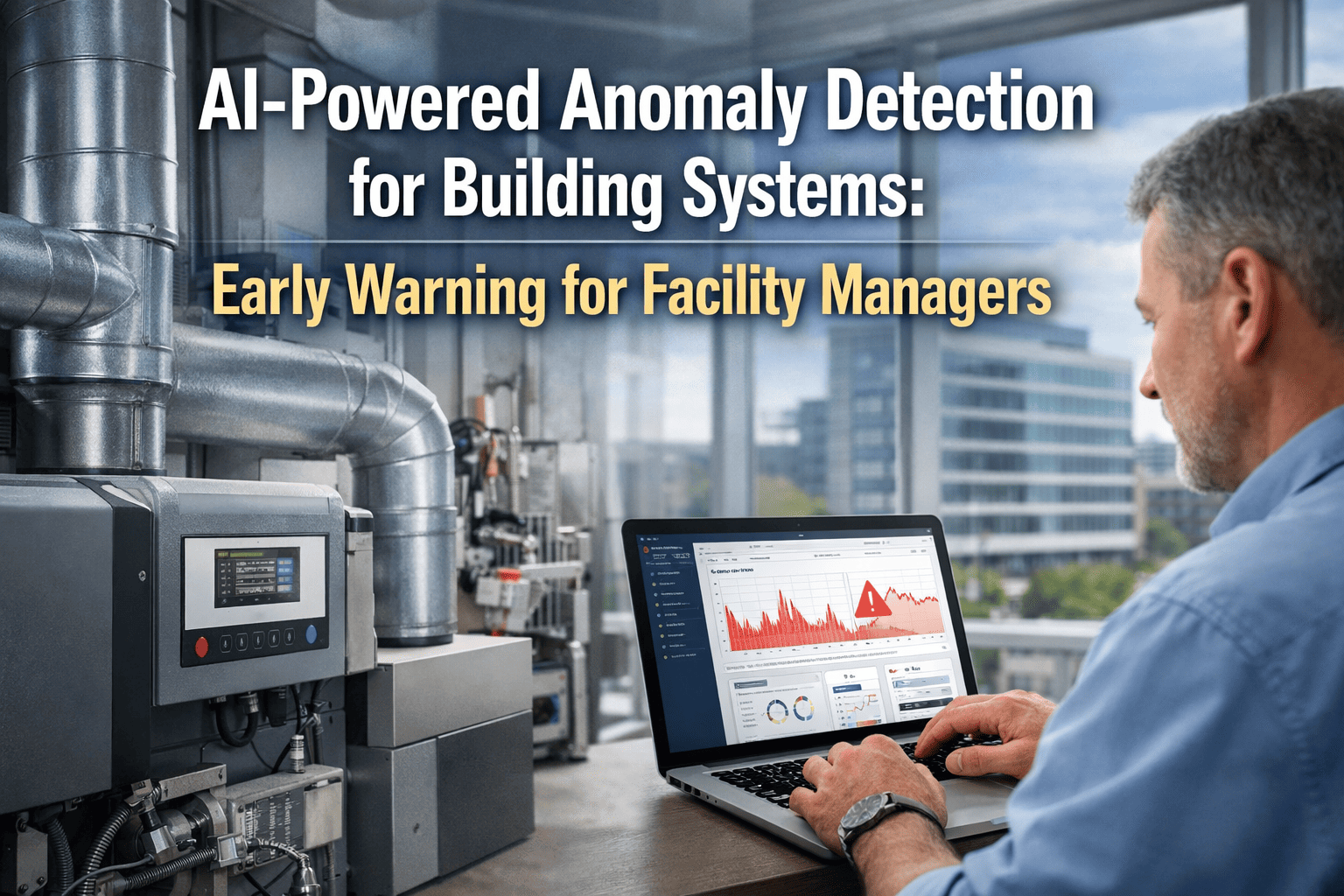
Smart buildings generate fault data across hundreds of systems every hour — but without structured detection workflows, that data sits idle while minor anomalies grow into system failures. OxMaint AI transforms HVAC, lighting, pump, and energy fault signals into tracked maintenance actions before occupants feel the impact.
Faults Are Happening Right Now.
Is Your Workflow Catching Them?
Building systems send early warning signals hours before failure. Without a structured fault detection workflow, those signals become work orders only after tenants complain or equipment shuts down. OxMaint converts every fault signal into a prioritized, tracked maintenance action — automatically.
Book a Demo Start Free TrialFault Detection by Building System
OxMaint monitors four primary fault categories, each with tailored anomaly thresholds and response workflow templates.
From Fault Signal to Closed Work Order
OxMaint's detection-to-resolution workflow eliminates every manual step between a sensor anomaly and a verified repair.
Fault Detection Performance Benchmarks
Measured outcomes from facilities using OxMaint smart building fault detection workflows vs. reactive maintenance baselines.
| Performance Metric | Reactive Baseline | OxMaint AI Detection | Improvement |
|---|---|---|---|
| Average fault-to-work-order time | 4.2 hours | Under 4 minutes | -98% |
| Faults detected before occupant complaint | 22% | 87% | +295% |
| False-positive fault work orders | N/A (manual) | Under 4% | Controlled |
| HVAC energy waste from undetected faults | 11-17% of HVAC budget | Under 3% | -73% |
| Repeat fault recurrence within 30 days | 34% | 9% | -74% |
Your HVAC, lighting, and pump faults are sending signals right now. OxMaint turns those signals into work orders before your tenants send complaints.
Expert Perspective
The difference between reactive and predictive building maintenance is not the technology — it is the workflow. Sensors and IoT devices have been generating fault signals in commercial buildings for over a decade. What most facilities lack is not data but a structured process that converts those signals into assigned, tracked actions before occupants experience consequences. Buildings that implement structured fault detection workflows — where every anomaly above a defined threshold generates a work order automatically — consistently reduce their unplanned maintenance costs by 30 to 45 percent within two years. The workflow is the leverage point, not the sensor.
Frequently Asked Questions
Fault signals are already in your building data. OxMaint structures the workflow that converts them into maintenance actions — before systems fail and occupants notice.
Automated fault detection. IoT-connected workflows. Full asset history documentation.