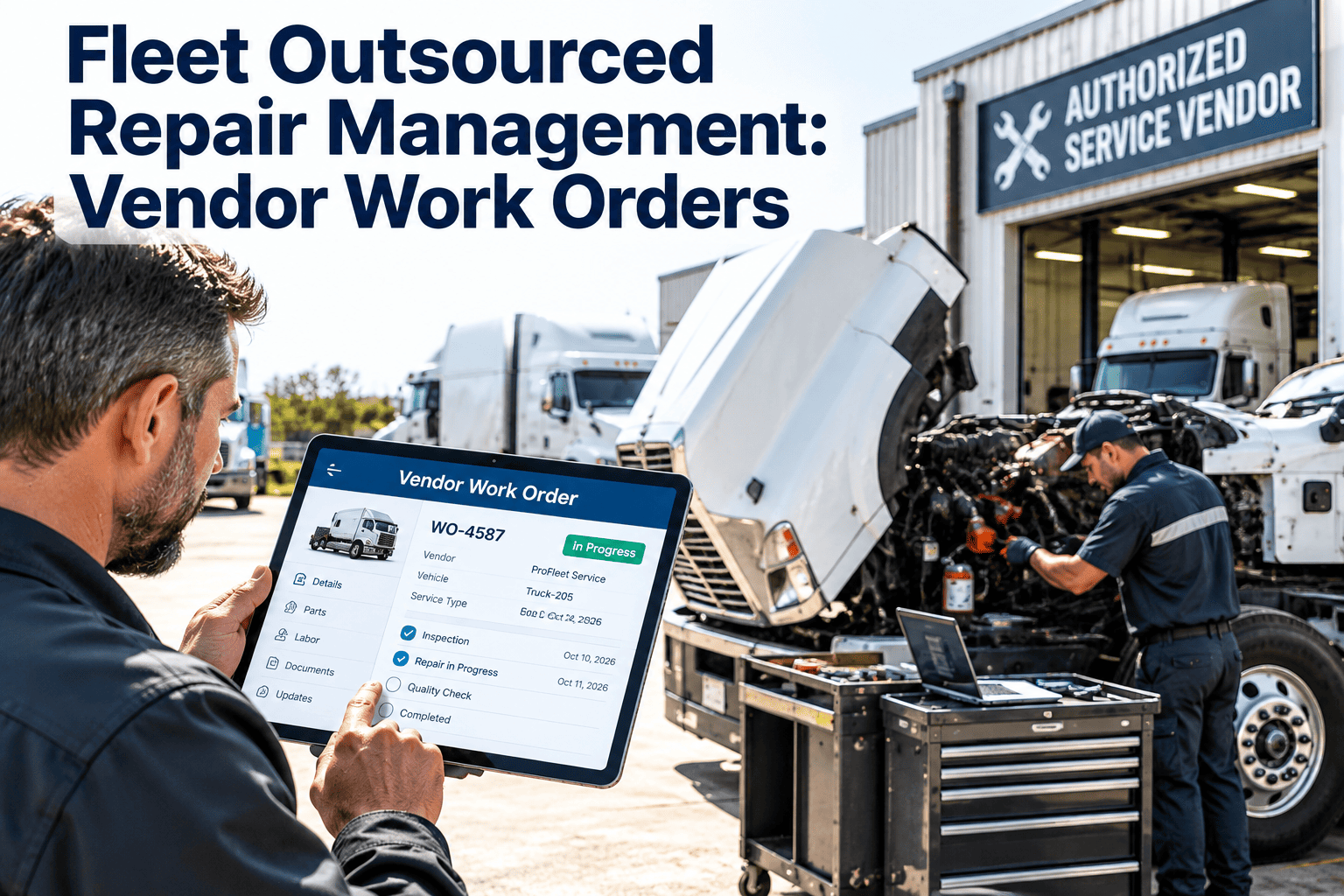
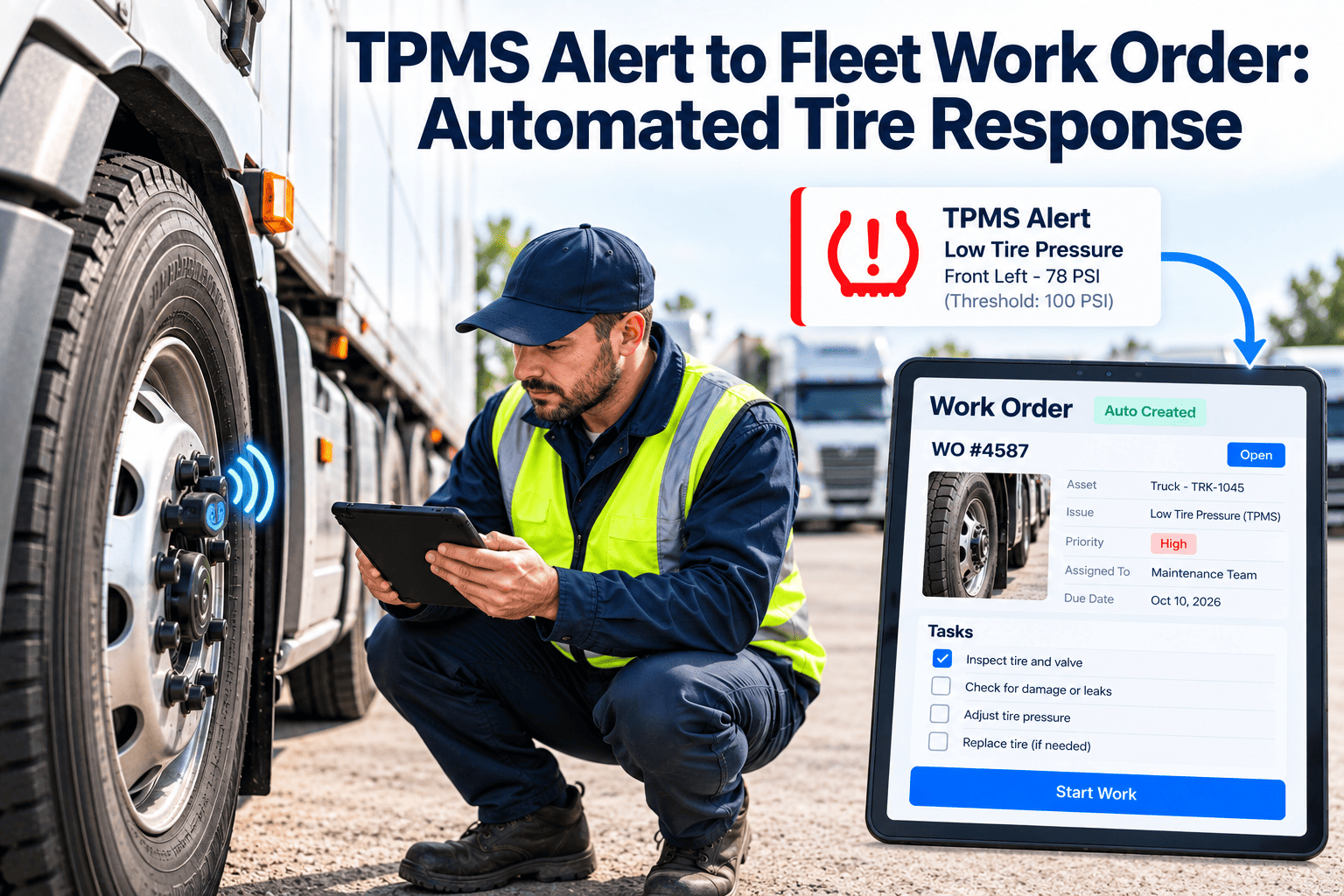
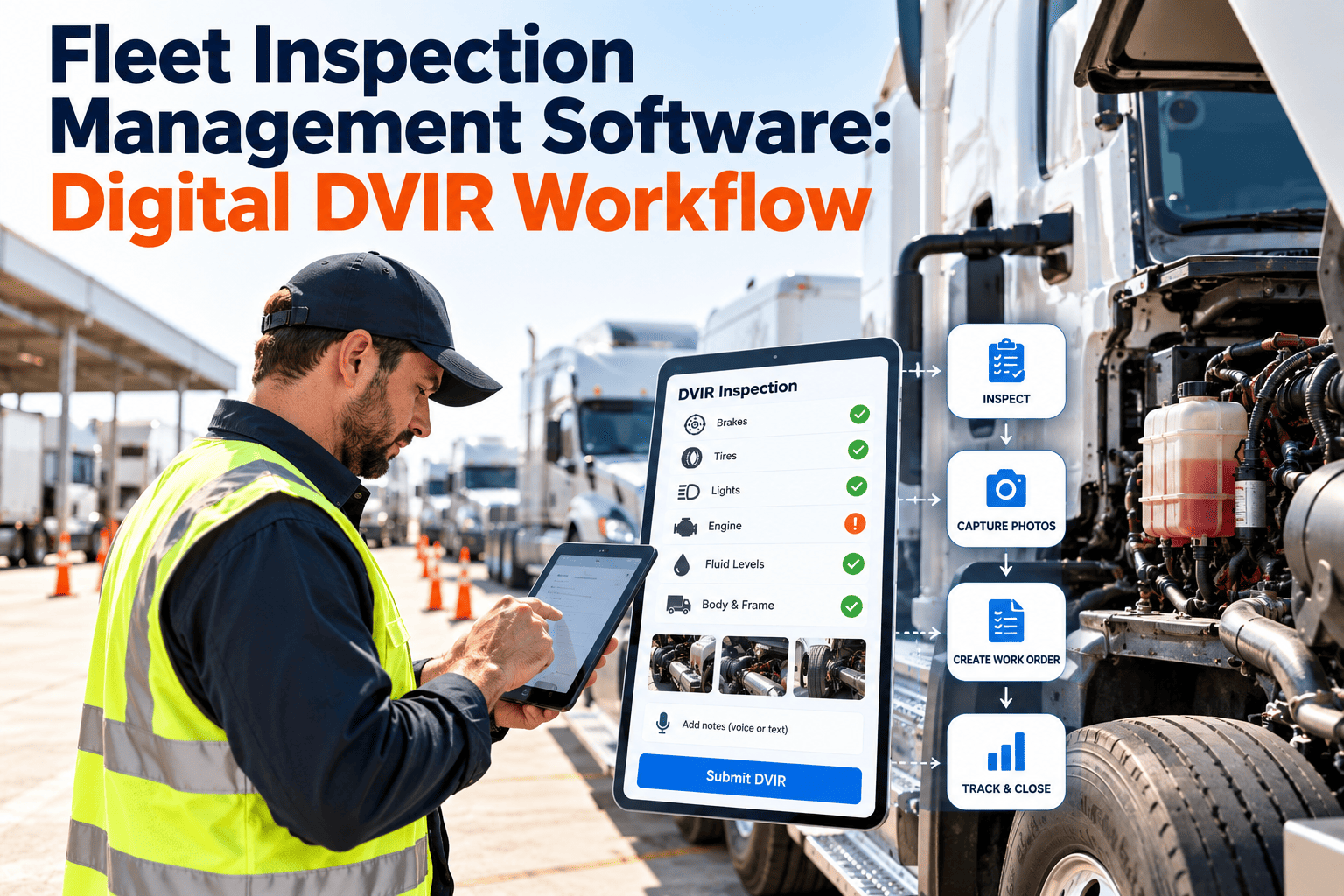
Fleet maintenance is no longer a back-office function — it is a direct line to revenue, compliance, and competitive advantage. Yet 82% of fleet operators still rely on manual tracking in 2026: missed PM intervals, paper work orders, spreadsheets, and reactive repairs that cost 4–5x more than planned jobs. That gap is exactly what CMMS software for fleet management was built to close. The global CMMS market was valued at $5.79 billion in 2025 and is headed toward $12.7 billion by 2034, growing at 9.12% annually — because operations leaders have figured out that the cost of not having a system far outweighs the cost of deploying one. This guide covers everything: what fleet CMMS does, why it matters in 2026, how to evaluate platforms, and what real results look like. If you are ready to stop reacting and start optimizing, start your free OxMaint trial or book a live demo today.
Stop Managing Your Fleet with Spreadsheets. Start Running It with Data.
OxMaint centralizes preventive maintenance, automated work orders, compliance tracking, and asset lifecycle data — all in one cloud-native platform. No IT project. Deploy in days.
What Is CMMS Software for Fleet Management?
A Computerized Maintenance Management System (CMMS) for fleet is a digital platform that centralizes every maintenance touchpoint across your vehicle assets — scheduling, work orders, parts inventory, compliance documentation, inspection records, and cost analytics — in a single, cloud-accessible system. It replaces the disconnected patchwork of spreadsheets, paper logs, and verbal handoffs that most fleets still operate on.
Why Fleet Managers Are Switching to CMMS in 2026
The operating environment has changed. Vehicle downtime now costs up to $2,000 per day. Supply chain delays stretch emergency repair timelines. Compliance enforcement is tightening across every region. And only 14% of small fleets currently use maintenance software — which means the competitive gap between CMMS users and non-users is widening every quarter.
CMMS vs. Manual Tracking: The Real Performance Gap
| Metric | Manual / Spreadsheet | CMMS Software | Improvement |
|---|---|---|---|
| PM Schedule Adherence | Estimated — often missed | Automated alerts — 90%+ adherence | +40–60% |
| Work Order Completion Rate | Low — manual follow-up required | 28% higher than manual baseline | +28% |
| Unplanned Downtime | High — breakdowns are surprises | Up to 26% reduction | -26% |
| Repair Cost per Vehicle | Reactive premium — 4–5x planned cost | Planned maintenance rate | -25–40% |
| Parts Inventory Waste | Overstock or emergency procurement | Demand-matched stock levels | -30% |
| Compliance Documentation | Manual assembly — hours per audit | Auto-generated — one click | 12+ hrs saved/audit |
| Vehicle Lifespan | Shortened by missed maintenance | Extended by up to 11% | +11% |
| ROI Potential | None — pure cost center | Up to 652% documented ROI | 652% peak |
How OxMaint Streamlines Fleet Maintenance Operations
OxMaint is built maintenance-first — not a GPS tracker with PM features bolted on. Every module is designed around how fleet maintenance actually works: how technicians receive and complete jobs, how managers track cost and compliance, and how leadership needs portfolio-level reporting without digging through five different tools.
What OxMaint Delivers That Generic Fleet Tools Don't
CMMS Fleet Management Results: The Numbers
Frequently Asked Questions
What is CMMS software for fleet management and who needs it?
CMMS software for fleet management is a digital platform that centralizes maintenance scheduling, work order management, parts inventory, compliance documentation, and cost analytics for vehicle fleets of any size. Any organization operating five or more vehicles — across logistics, construction, utilities, field service, healthcare, government, or delivery — benefits from a fleet CMMS. It replaces spreadsheets and paper logs with automated workflows that reduce downtime and extend vehicle life. If your team is still managing maintenance on paper or across disconnected tools, a CMMS is the single highest-impact operational upgrade available. Start free with OxMaint or book a demo to see it live.
How much does fleet CMMS software typically cost?
Cloud-based fleet CMMS pricing ranges from free basic tiers to $50+ per vehicle per month for enterprise deployments. Entry-level plans average around $128 per month while full-featured platforms can reach $856 per month for large operations. OxMaint offers a free tier with core maintenance features — no credit card, no commitment — so you can validate the platform against your real fleet before spending a dollar. The key metric is not subscription cost alone: factor in downtime reduction, fuel savings, parts optimization, and compliance risk mitigation. Most fleets reach positive ROI within 90 days. Sign up free today or book a demo for a tailored cost analysis.
How quickly can we deploy CMMS software across our fleet?
Most fleet operations using OxMaint are creating digital work orders within their first week. Full deployment — including vehicle data import, PM schedule configuration, and team training — typically takes one to three weeks depending on fleet size. Because OxMaint is cloud-native, there is no server installation, no IT department involvement, and no hardware procurement required. Your team accesses everything through web browsers and mobile apps. For larger enterprise fleets with complex multi-site requirements, dedicated onboarding support is available to accelerate time to value. Book a demo to walk through an implementation plan for your specific fleet.
Does OxMaint integrate with existing telematics and GPS systems?
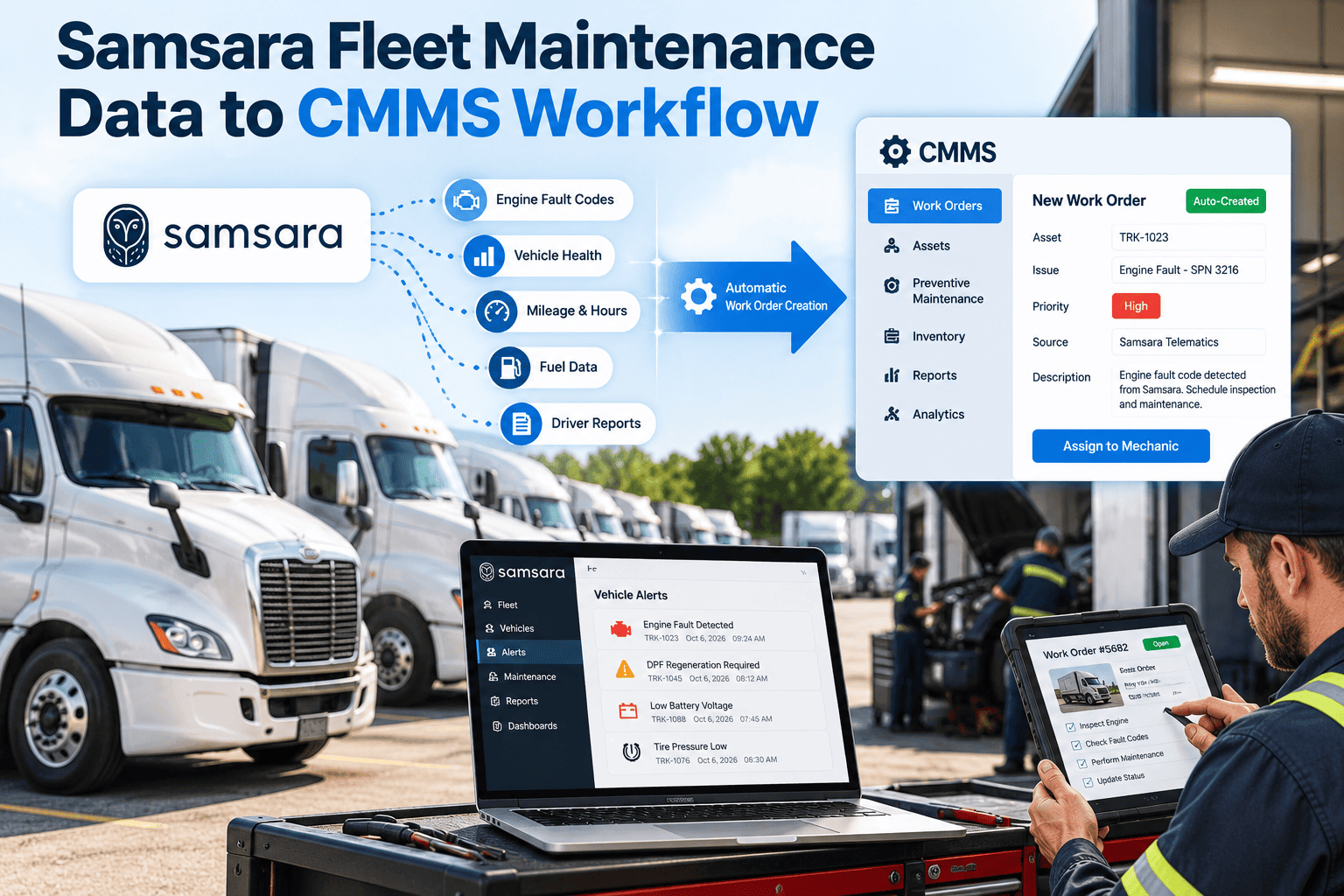
Yes. OxMaint is hardware-agnostic and connects to telematics data from any provider already installed in your fleet — GPS trackers, OBD-II dongles, IoT sensors, and SCADA systems. Engine diagnostics, fault codes, mileage data, and fuel readings flow into OxMaint automatically to power predictive maintenance alerts and cost reporting. There is no need to rip out working hardware or switch telematics providers. OxMaint sits as the intelligence layer on top of your existing infrastructure. Over 90% of vehicles manufactured in 2026 ship with embedded telematics that OxMaint can connect to immediately. Start your free trial or book a demo to verify compatibility with your current setup.
Your Fleet Is One Platform Away from Running on Autopilot.
OxMaint replaces spreadsheets, paper work orders, and reactive guesswork with automated preventive maintenance, digital work order management, real-time cost analytics, and audit-ready compliance — all from a single cloud-native platform that deploys in days.