The electric vehicle revolution is no longer a future promise — it is the present reality of fleet operations worldwide. As EV adoption in commercial fleets surpassed 20% global market share in 2025, fleet managers face an entirely new set of maintenance challenges. Traditional service playbooks built around internal combustion engines simply do not apply. Battery degradation monitoring, high-voltage system diagnostics, charging infrastructure upkeep, and software-driven component management all demand a fundamentally different approach. This is where robotics and AI-powered automation step in, transforming how electric vehicle fleets are inspected, maintained, and optimized for peak performance in 2026 and beyond.
Best Robotics and Automation Solutions for EV Fleet Maintenance in 2026
Why EV Fleets Demand a New Maintenance Playbook
Electric vehicles eliminate oil changes, transmission rebuilds, and exhaust system repairs — but they introduce high-voltage battery packs, complex thermal management systems, regenerative braking calibration, and software-dependent powertrain control. A single EV generates data from over 150 operational parameters in real time, including voltage, current, temperature, charge cycles, and component wear indicators. Without intelligent systems to process this volume of data, fleet operators are essentially flying blind. The shift from reactive to predictive maintenance is not optional for EV fleets — it is a survival requirement. Organizations that want to streamline this transition can sign up for OxMaint to centralize their EV maintenance workflows from day one.
EV vs ICE Fleet Maintenance Comparison
AI-Powered Battery Health Monitoring
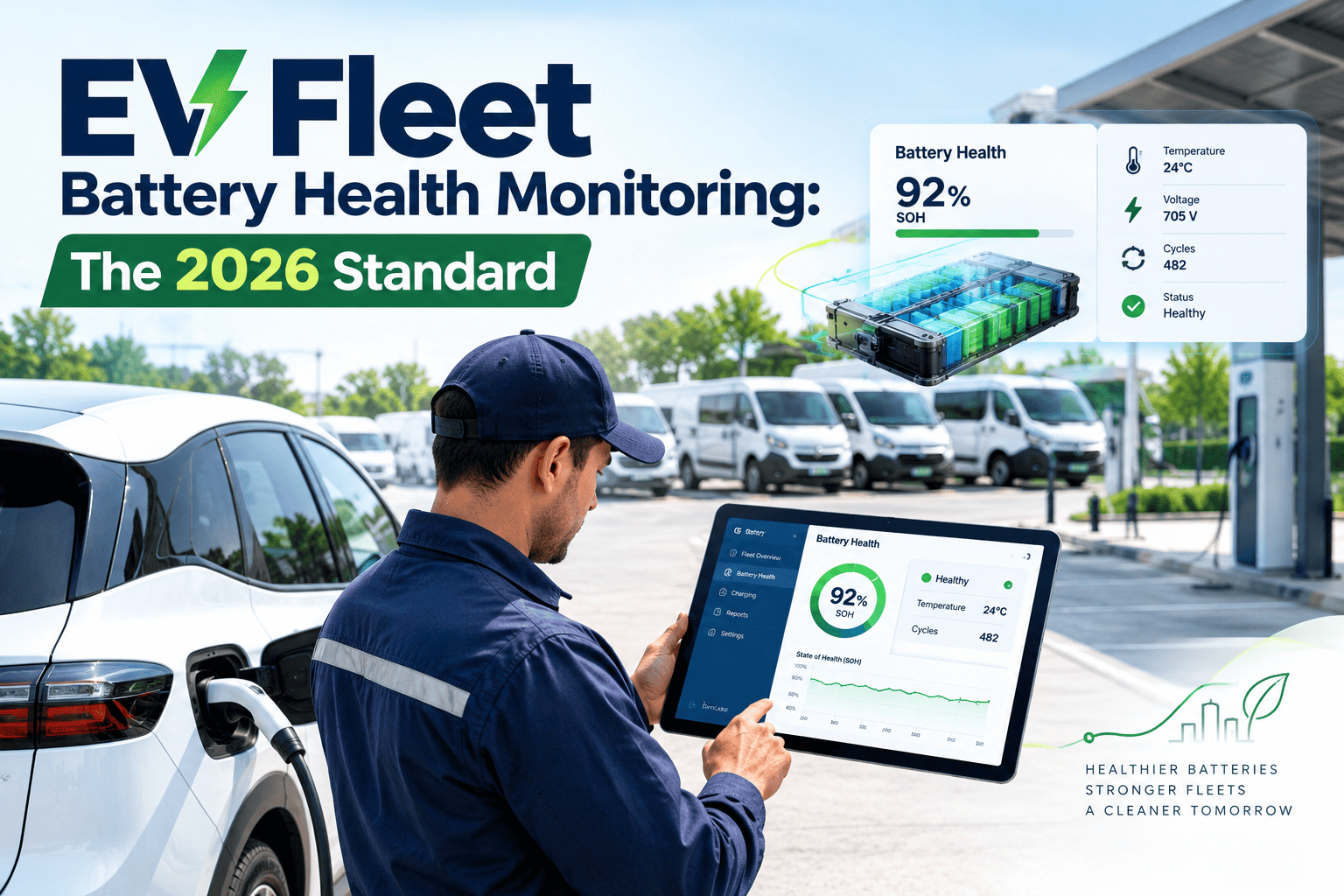
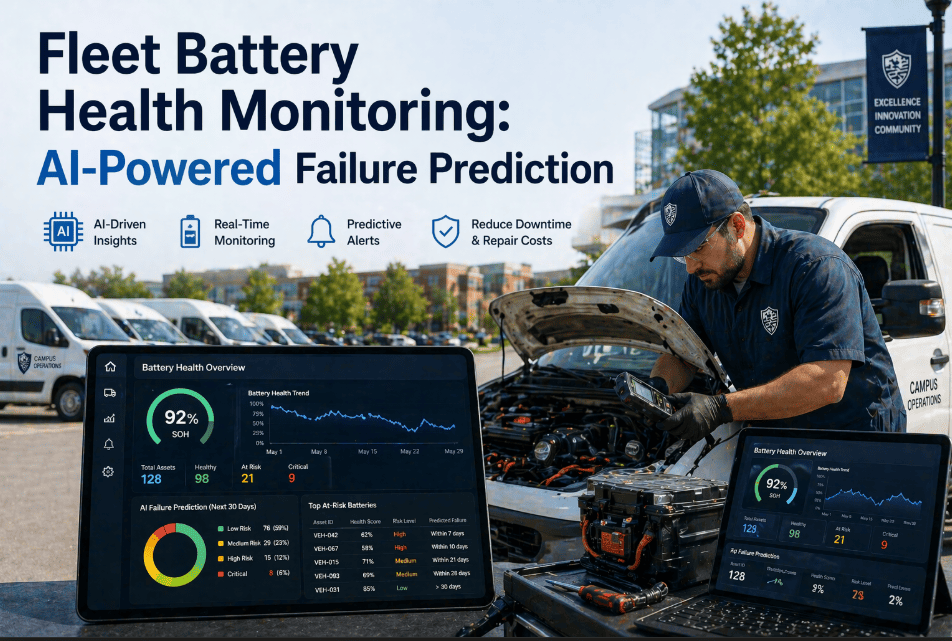
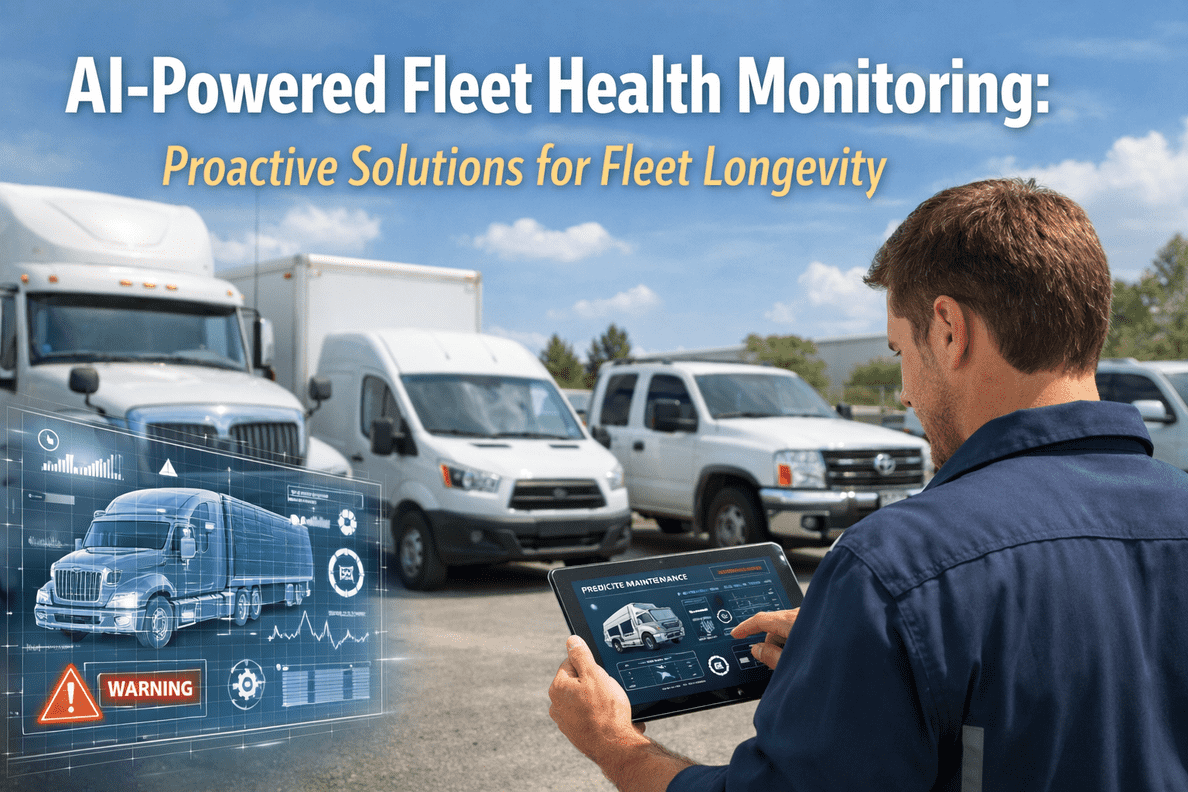
The battery pack is the most expensive and mission-critical component in any electric vehicle, often accounting for 30-40% of total vehicle cost. AI-driven Battery Management Systems (BMS) now use machine learning algorithms, neural networks, and reinforcement learning to continuously track State of Health (SOH), State of Charge (SOC), and Remaining Useful Life (RUL) across every vehicle in a fleet. These systems analyze historical degradation patterns, thermal cycling data, charge-discharge behaviors, and environmental conditions to predict potential failures up to three months in advance. Fleet operators using AI-enhanced battery monitoring have reported extending average battery lifespan by up to 40% while eliminating 85% of unexpected failures. When paired with a CMMS platform like OxMaint, battery health alerts automatically trigger work orders, ensuring no critical maintenance window is ever missed — book a demo to see this integration in action.
How AI Battery Monitoring Works in Fleet Operations
IoT sensors capture voltage, current, temperature, charge cycles, and vibration data from every battery pack in the fleet continuously.
Machine learning models process 150+ parameters per vehicle, detecting anomalies and degradation patterns invisible to manual inspection.
Risk scores and failure probability timelines are generated, alerting fleet managers to issues up to 90 days before they become critical.
Alerts flow directly into OxMaint, automatically creating work orders, scheduling technicians, and tracking parts inventory.
Autonomous Robotic Inspection Systems
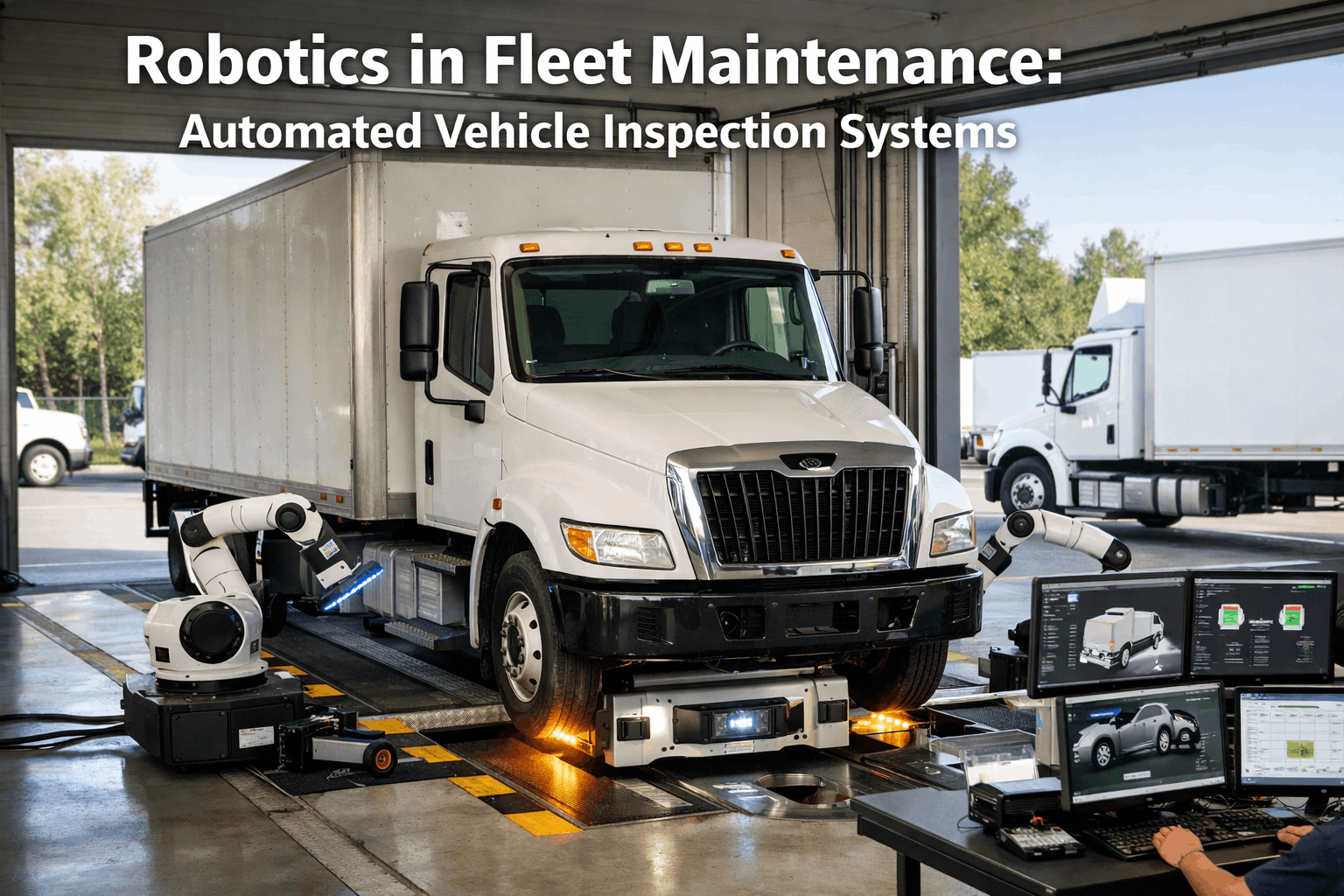
Manual walk-around inspections are increasingly inadequate for modern EV fleets. High-voltage battery enclosures, intricate cooling systems, and sensor arrays for advanced driver-assistance systems (ADAS) require precision diagnostics that go far beyond what the human eye can detect. In 2026, autonomous inspection robots equipped with computer vision, thermal imaging, ultrasonic testing, and 3D laser scanning are becoming standard in forward-thinking fleet operations. These robotic systems can scan an entire vehicle in under 60 seconds, detecting micro-fractures in battery casings, coolant leaks in thermal management circuits, and calibration drift in ADAS sensors with over 95% accuracy. Robotic crawlers access underbody components that are physically difficult and dangerous for human inspectors, while quadruped robots patrol fleet depots performing continuous overnight surveillance. The inspection data feeds directly into maintenance management platforms, creating a complete digital trail of every vehicle's condition history.
Key Robotic Inspection Technologies for EV Fleets
Computer Vision AI
High-resolution cameras paired with deep learning algorithms detect surface defects, wiring anomalies, and component wear patterns at production-line speed.
Thermal Imaging
Infrared sensors identify hot spots in battery modules, motor controllers, and charging ports that indicate impending failure or efficiency loss.
Ultrasonic Testing
Non-destructive testing robots detect internal structural defects in battery enclosures and chassis components without disassembly.
3D Laser Scanning
Precision measurement systems create digital twins of vehicle components, tracking dimensional changes and alignment drift over time.
Predictive Maintenance and Machine Learning
Predictive maintenance has moved from experimental pilot programs to operational standard across the fleet industry in 2026. Machine learning models trained on millions of data points from fleet operations can now predict component failures with 93% accuracy for 30-day windows and 85% accuracy for 90-day forecasts. For EV fleets specifically, these models monitor battery cell degradation curves, electric motor bearing wear, inverter performance drift, and charging connector integrity. The system continuously learns from fleet-specific operating conditions — route profiles, climate exposure, charging patterns, and driver behavior — improving its prediction accuracy to 95% after just 90 days of deployment. This intelligence transforms maintenance from a costly, reactive burden into a strategic asset that maximizes uptime and extends vehicle lifecycle. Fleets ready to implement this level of intelligence can sign up for OxMaint and start building their predictive maintenance foundation today.
Predictive Maintenance Impact on EV Fleet Operations
Ready to Automate Your EV Fleet Maintenance?
OxMaint brings AI-powered predictive maintenance, automated work orders, battery health tracking, and complete asset lifecycle management into one intelligent CMMS platform built for the electric future.
Smart Charging Infrastructure Management
Maintaining the charging infrastructure is just as critical as maintaining the vehicles themselves. Fleet charging stations are complex systems combining high-power electronics, telecommunications, cloud backends, and payment processing. In 2026, automation platforms monitor charging infrastructure health in real time, using anomaly detection to flag rising error counts, slow session starts, and firmware mismatches before they cause station failures. AI-driven smart charging goes further by optimizing when and how vehicles charge based on electricity pricing, grid demand, battery condition, and next-day route requirements. Vehicle-to-Grid (V2G) systems now enable fleet EVs to return stored energy to the grid during peak demand periods, creating a revenue stream from what was previously just a cost center. A CMMS platform ensures that both vehicle and charger maintenance are tracked in a single system — book a demo to explore how OxMaint unifies these workflows.
CMMS Integration: The Central Nervous System of EV Fleet Operations
All of these advanced technologies — battery AI, robotic inspections, predictive algorithms, and smart charging — generate enormous volumes of data. Without a centralized system to collect, organize, and act on this information, fleet operations quickly become fragmented and inefficient. A modern Computerized Maintenance Management System (CMMS) serves as the central nervous system that connects every sensor, robot, and analytics engine into a unified operational command center. OxMaint is designed specifically for this role, offering automated work order generation triggered by real-time alerts, complete asset lifecycle tracking from acquisition through retirement, spare parts inventory management tied to predictive demand, compliance documentation and audit trails, technician scheduling optimized by skill matching and workload balancing, and mobile-first interfaces that keep field teams connected. When AI detects a battery anomaly or a robotic inspector flags a thermal irregularity, the CMMS automatically creates the appropriate work order, assigns the right technician, verifies parts availability, and schedules the repair within the optimal maintenance window. This closed-loop system eliminates the communication gaps and manual handoffs that cause delays and missed maintenance in conventional operations.
OxMaint CMMS — Connecting Every Part of EV Fleet Maintenance
Emerging Trends: What's Next for EV Fleet Robotics
The pace of innovation in this space is accelerating rapidly. Several emerging technologies are poised to reshape EV fleet maintenance even further in the coming years. Federated learning enables fleet-wide AI improvement without sharing sensitive vehicle data — each vehicle's local AI model learns from its own experience, shares anonymized insights with a central server, and receives an improved global model in return. Digital twins create virtual replicas of every fleet vehicle, allowing maintenance teams to simulate repairs, test software updates, and predict component behavior before touching the physical asset. Solid-state batteries, with production-ready versions shipping from manufacturers like Donut Lab in early 2026, promise higher energy density, faster charging, and longer lifespans — but will require new maintenance protocols that fleet operators need to prepare for now. Autonomous mobile robots (AMRs) are being deployed in fleet depots for parts delivery, tool retrieval, and overnight inspection patrols, reducing human labor in hazardous areas. Fleet operators who sign up with OxMaint today position themselves to integrate these innovations seamlessly as they mature.
EV Fleet Maintenance Technology Roadmap
Frequently Asked Questions
What is the role of robotics in EV fleet maintenance
Robotics plays a critical role in automating inspections, diagnostics, and routine maintenance tasks for electric vehicle fleets. Autonomous robots equipped with computer vision, thermal imaging, and ultrasonic sensors can scan vehicles in under 60 seconds, detect battery casing micro-fractures, identify cooling system leaks, and verify ADAS sensor calibration — all with accuracy levels exceeding 95%. This eliminates human error, reduces safety risks in high-voltage environments, and creates complete digital maintenance records.
How does AI predict EV battery failures before they happen
AI battery monitoring systems use machine learning models trained on historical degradation data, charge-discharge cycles, temperature exposure patterns, and real-time sensor readings from across the fleet. These models calculate State of Health (SOH), State of Charge (SOC), and Remaining Useful Life (RUL) for every battery pack, generating risk scores and failure probability timelines. Fleet operators receive alerts up to 90 days before a potential failure, allowing proactive scheduling through a CMMS platform like OxMaint.
Why is a CMMS essential for EV fleet operations
EV fleets generate massive volumes of data from battery sensors, robotic inspections, charging infrastructure, and predictive analytics engines. A CMMS like OxMaint centralizes all of this information into a single operational hub, automatically generating work orders from AI alerts, tracking asset lifecycles, managing parts inventory, scheduling technicians, and maintaining compliance documentation. Without a CMMS, fleet operators risk fragmented workflows, missed maintenance windows, and costly unplanned downtime.
What cost savings can fleets expect from automated EV maintenance
Industry data confirms that EV maintenance costs run approximately 30% lower than ICE vehicles. When combined with AI-powered predictive maintenance, fleets report an additional 30% reduction in maintenance spending, 40% extension in battery lifespan, 78% decrease in unplanned downtime, and 50% reduction in first-quarter failure rates. The ROI on automated maintenance systems typically becomes positive within the first 6-8 months of deployment.
How does OxMaint integrate with EV battery monitoring and robotic inspection systems
OxMaint is built with open API architecture that connects seamlessly with IoT sensor platforms, battery management systems, robotic inspection outputs, and smart charging networks. When an AI system detects a battery anomaly or a robot flags an inspection issue, OxMaint automatically creates a prioritized work order, assigns the appropriately skilled technician, verifies parts availability, and schedules the repair within the optimal window — all without manual intervention.
Is predictive maintenance suitable for small EV fleets
Absolutely. While enterprise fleets benefit from scale, modern cloud-based CMMS platforms like OxMaint make predictive maintenance accessible to fleets of all sizes. The system begins learning from your specific operating conditions immediately, reaching 95% prediction accuracy after just 90 days. Even a fleet of 10-20 EVs can achieve significant cost savings and downtime reduction by implementing automated maintenance scheduling and battery health monitoring through OxMaint.
Start Building Your Intelligent EV Fleet Today
Join forward-thinking fleet operators who are using OxMaint to connect battery AI, robotic inspections, predictive analytics, and smart charging into one powerful maintenance command center.