Your fleet vehicles are not just machines — theyare revenue-generating assets, and every one of them is on a financial clock. From the moment a vehicle enters your fleet, its value starts declining while its operating costs steadily rise. The average cost to own and operate a commercial vehicle reached $2.26 per mile in 2024, and acquisition costs represent only 20% to 30% of total lifetime expenses. The remaining 70% to 80% accumulates through fuel, maintenance, insurance, depreciation, and downtime. Yet most fleet managers still make replacement decisions reactively — waiting for breakdowns or rising repair bills instead of strategically timing the lifecycle of every asset. The fleets that maximize ROI in 2026 are those that treat asset management as a data-driven discipline, not an afterthought. If you are ready to take control of your fleet's total cost of ownership, sign up for OxMaint and start managing every asset from acquisition to disposal with precision.
The Fleet Asset Reality Check
These numbers reveal a fundamental truth about fleet economics: the purchase price is just the beginning. A vehicle that costs $45,000 to acquire may generate $150,000 or more in total lifetime expenses over a 5 to 7 year cycle. Depreciation alone accounts for roughly 37% of total ownership costs, and vehicles typically retain only about 20% of their purchase price after five to six years. Meanwhile, repair costs escalate significantly as vehicles age — major components like transmissions and engines begin failing between 150,000 and 200,000 miles, often exceeding the vehicle's remaining value. The fleet managers who understand this lifecycle curve — and manage it proactively — save tens of thousands per vehicle compared to those operating reactively.
The Five Phases of Fleet Asset Lifecycle
Effective fleet asset management is not a single activity — it is a discipline that spans the entire life of every vehicle, from the day it enters your fleet to the day it leaves. Each phase presents distinct opportunities to maximize value and minimize waste. The most successful fleets in 2026 treat these phases as an interconnected system, with data flowing between each stage to inform smarter decisions at every step.
Strategic Acquisition
Vehicle selection impacts every downstream cost. Choosing vehicles with lower depreciation rates, higher fuel efficiency, proven reliability records, and strong residual values reduces TCO before the asset ever hits the road. The best fleets analyze historical maintenance data from their existing vehicles to determine which makes and models deliver the lowest cost per mile over time — not just the lowest sticker price.
Deployment and Utilization
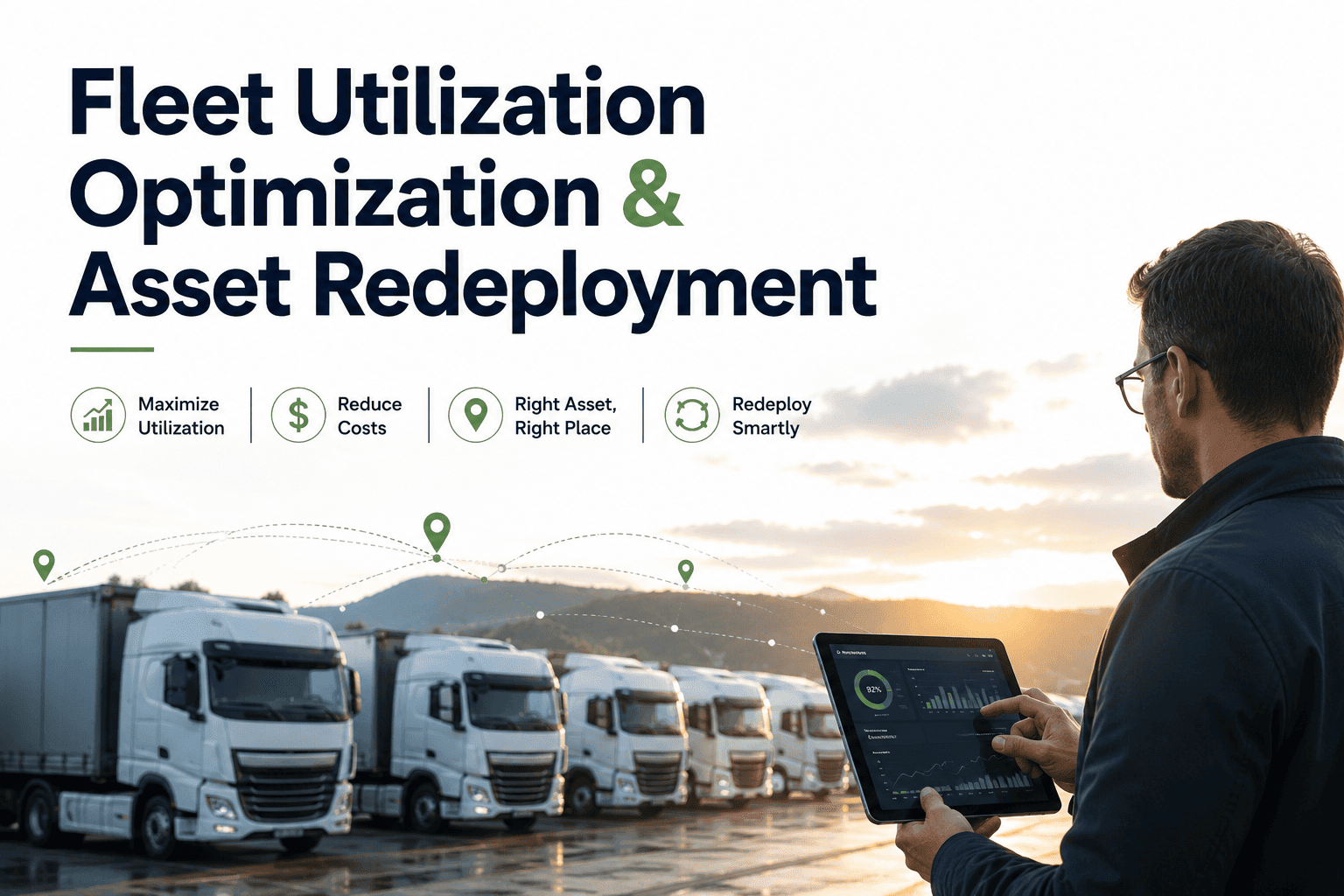
An idle vehicle is a depreciating liability. Optimal utilization rates sit between 85% and 95%, meaning vehicles should be productively in use for the vast majority of their available time. Underutilization signals excess fleet capacity — money better redirected toward fewer, harder-working assets. Tracking utilization per vehicle reveals which assets are earning their keep and which are silently draining the budget. Book a demo to see how OxMaint tracks asset utilization across your entire fleet.
Preventive Maintenance
Maintenance is the single most controllable factor in extending vehicle lifespan and protecting ROI. Rigorous preventive maintenance programs reduce total TCO by 15% to 25% compared to reactive repair approaches. Yet only 27% of fleets achieve 95% or higher PM compliance — the majority hover around 84%. That gap translates directly into more breakdowns, higher repair costs, and shorter asset life. Fleets with strong PM adherence experience 20% fewer downtime days and measurably longer vehicle service life.
Performance Monitoring
Continuous tracking of cost per mile, fuel efficiency, maintenance frequency, and downtime hours for every vehicle reveals the trajectory of each asset's financial health. When a vehicle's CPM stops decreasing and begins to climb, it is approaching its economic replacement point. Service fleet benchmarks in 2025 showed an average CPM of $0.24 per mile and annual TCO of $9,584. Vehicles exceeding these benchmarks by 15% or more should be flagged for quarterly replacement review.
Optimal Disposal
Timing is everything. Sell too early and you leave usable life on the table. Sell too late and rising maintenance costs and plummeting resale values destroy ROI. The optimal disposal point occurs where the combination of depreciation, maintenance costs, and downtime risk exceeds the cost of a replacement. For light-duty vehicles, this typically falls at 4 to 6 years or 80,000 to 120,000 miles. Hitting mileage benchmarks like 100,000 miles can trigger steep value cliffs, making timing critical. Sign up for OxMaint to track lifecycle data and pinpoint optimal replacement windows.
Manage Every Asset from Acquisition to Disposal
Join 1,000+ organizations using OxMaint to track fleet health, automate maintenance, and maximize the return on every vehicle investment.
The TCO Equation: What Actually Drives Fleet Costs
Total Cost of Ownership is the formula that separates data-driven fleet managers from those flying blind. TCO captures every dollar spent on a vehicle across its entire lifecycle: acquisition, operations, maintenance, fuel, depreciation, and downtime. Understanding which levers to pull — and when — is the key to maximizing ROI.
Depreciation: The Silent Cost Leader
Depreciation accounts for roughly 37% of total ownership costs — making it the single largest expense component. Vehicles lose value fastest in their first three years, with average depreciation reaching 35% after just 36 months. After five to six years, a typical fleet vehicle retains only about 20% of its original price. Selecting vehicles with historically strong residual values and timing disposals before major value cliffs (like the 100,000-mile mark) are the two most effective ways to manage depreciation costs.
Maintenance: The Controllable Variable
Maintenance is often the largest variable cost in fleet operations. Repair costs are generally manageable in early years but escalate sharply as vehicles age — particularly once major components begin failing between 150,000 and 200,000 miles. Industry best practice recommends considering replacement when annual operating costs exceed 30% of the asset's current value. Computerized maintenance management systems automate service scheduling, track detailed histories, and enhance resale values by proving a well-maintained vehicle history to buyers. Book a demo to see how OxMaint automates this process.
Fuel: The Volatile Expense
Annual fuel costs per commercial vehicle range from $15,000 to $90,000 depending on vehicle class, duty cycle, and region. Fuel represents 20% to 40% of operating costs and is heavily influenced by driver behavior, route efficiency, and vehicle maintenance condition. Under-inflated tires, clogged filters, and worn engines all degrade fuel economy. Fleets that combine fuel tracking with maintenance management consistently achieve 10% to 15% fuel savings — directly improving both cost per mile and overall asset ROI.
Downtime: The Hidden Profit Killer
Every day a vehicle sits idle costs between $448 and $760 in lost productivity, and the average fleet experiences 8.7 days of unplanned downtime per vehicle annually. Downtime compounds through missed deliveries, SLA penalties, rescheduled routes, and driver dissatisfaction. The most effective defense is a combination of preventive maintenance compliance, predictive analytics, and rapid work order turnaround — ensuring that maintenance happens on your schedule, not the vehicle's.
Five Strategies to Maximize Fleet ROI in 2026
Implement Data-Driven Replacement Cycles
Stop replacing vehicles based on gut feeling or arbitrary age limits. Track cost per mile for every asset individually and set automated alerts when CPM increases more than 10% year-over-year. The average truck replacement cycle is currently 7.3 years, but the optimal point varies by vehicle class, usage intensity, and maintenance history. Light-duty vehicles typically hit their replacement sweet spot at 4 to 6 years or 80,000 to 120,000 miles. The goal is to sell before expensive repairs and value cliffs erode your residual returns.
Maximize Preventive Maintenance Compliance
Raising PM compliance from the industry average of 84% to the top-tier benchmark of 95% directly translates into fewer breakdowns, lower repair costs, and longer vehicle life. Automate service scheduling based on mileage, engine hours, or calendar triggers so that no vehicle misses an interval. Fleet data consistently shows that preventive maintenance reduces TCO by 15% to 25% — making it one of the highest-ROI investments in fleet management. Sign up for OxMaint to automate PM scheduling across your entire fleet.
Optimize Utilization Rates
Vehicles sitting idle are assets generating zero return while still depreciating. The benchmark utilization target is 85% to 95%. A 1% drop in utilization equates to 3.5 lost working days per vehicle per year — at average downtime costs of $448 to $760 per day, that adds up fast. Monitor utilization per vehicle, redeploy underused assets before purchasing new ones, and right-size your fleet based on actual operational demand rather than peak capacity assumptions.
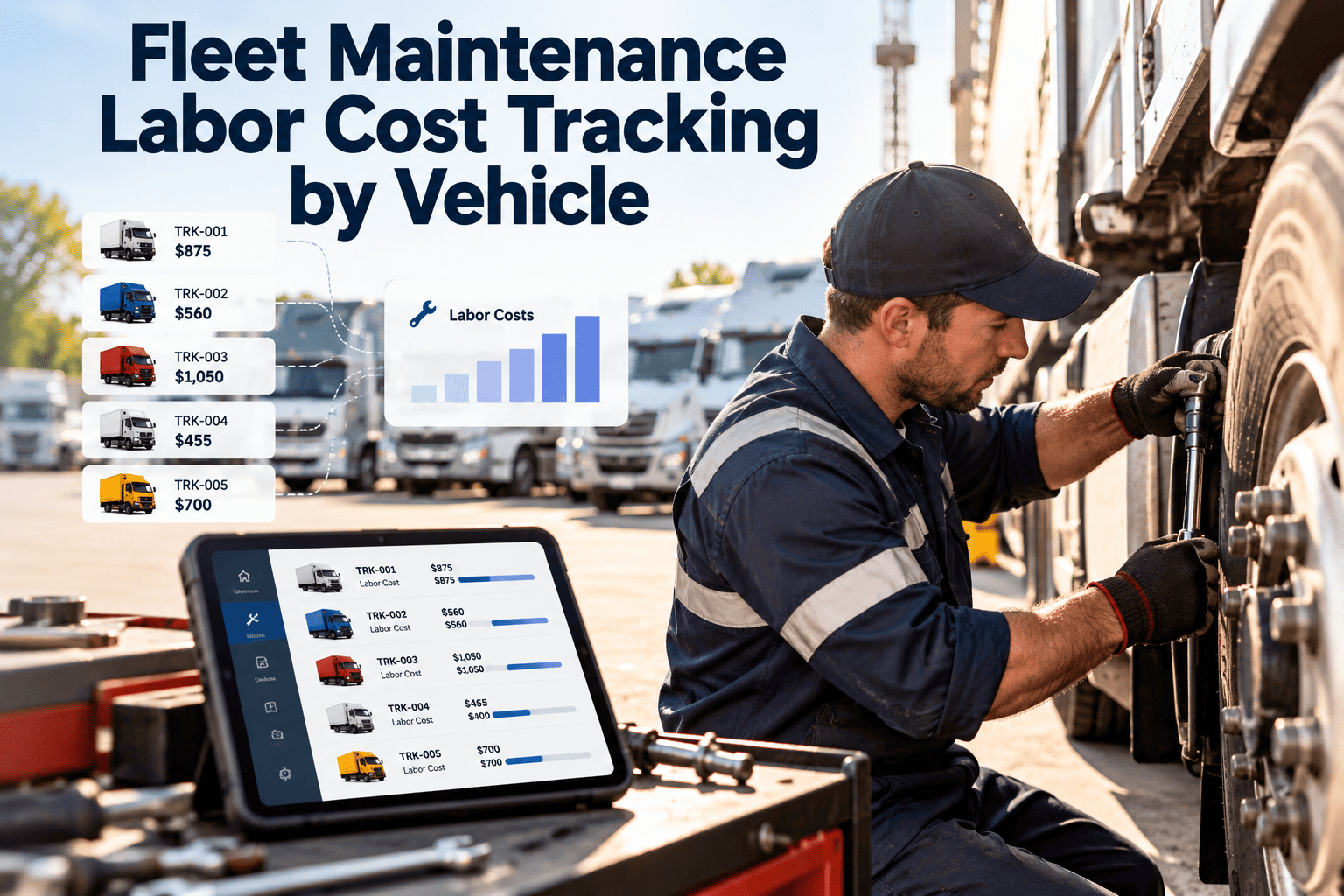
Centralize Asset Cost Tracking
You cannot optimize what you cannot see. Centralized fleet management software that integrates acquisition costs, maintenance records, fuel data, depreciation curves, and downtime metrics into a single dashboard gives you the visibility to make proactive decisions. Compare every vehicle against industry benchmarks, identify money pits before they drain your budget, and generate the reports leadership needs to justify capital investments in fleet renewal.
Protect Resale Value Through Documentation
A vehicle with a complete, verifiable maintenance history commands significantly higher resale value than one without. Digital maintenance records, inspection logs, and service histories — all maintained automatically through fleet management software — prove to buyers that your vehicles were properly cared for. Reconditioning before resale can return two to four times its cost in higher sale prices. Timing disposals before body-style changes or major mileage milestones preserves maximum residual value.
How OxMaint Maximizes Fleet Asset ROI
OxMaint is an AI-powered CMMS designed to give fleet operators total visibility and control over their asset lifecycle — from the first work order to the final disposition. Here is what that looks like in practice across your daily operations.
Track every asset's age, mileage, maintenance history, cost per mile, and performance trends from a single screen. Instantly identify which vehicles are delivering ROI and which are approaching replacement thresholds.
Configure preventive maintenance triggers by mileage, engine hours, or time intervals. OxMaint automatically generates work orders when thresholds are reached — ensuring your PM compliance stays in the top tier.
Pattern recognition across your fleet identifies vehicles drifting toward failure before fault codes appear. Catch the problems that reactive maintenance misses and extend asset life by addressing root causes early.
Over 1 million app downloads put real-time inspections, condition reporting, and work order management in every driver and technician's hands — closing the gap between field observations and shop action.
Every inspection, repair, part replacement, and service event is digitally recorded and linked to the vehicle. This continuous record protects resale value and provides the documentation needed for warranty claims and compliance audits.
Get More Life and More Value from Every Vehicle
Whether you run 10 trucks or 1,000, OxMaint gives you the tools to extend vehicle lifespan, reduce total cost of ownership, and maximize ROI at every stage of the asset lifecycle.
Frequently Asked Questions
What is fleet asset management
Fleet asset management is the practice of tracking, maintaining, and optimizing every vehicle in your fleet across its entire lifecycle — from acquisition through daily operations to eventual disposal. The goal is to maximize the return on each vehicle by controlling costs, extending useful life, and timing replacements for peak financial value.
How do I calculate total cost of ownership for fleet vehicles
TCO equals acquisition costs plus operating costs (fuel, insurance, registration) plus maintenance costs plus depreciation plus downtime costs. Divide the annual total by miles driven to get your cost per mile. Fleet management software automates this tracking, giving you real-time TCO visibility per vehicle.
When is the right time to replace a fleet vehicle
The optimal replacement point is when cost per mile stops declining and begins to rise — typically at 4 to 6 years or 80,000 to 120,000 miles for light-duty vehicles. Consider replacement when annual operating costs exceed 30% of the asset's current value, or when major mileage benchmarks threaten steep depreciation drops.
How does preventive maintenance improve fleet ROI
Rigorous PM programs reduce total cost of ownership by 15% to 25%. They prevent costly emergency repairs, reduce downtime, extend vehicle lifespan by up to 20%, and preserve resale value through documented service histories. Fleets with 95%+ PM compliance see significantly fewer breakdowns than those at the 84% industry average.
What utilization rate should my fleet target
The industry benchmark is 85% to 95%. Below 80% typically signals excess capacity and inefficiency. Each 1% drop in utilization equals 3.5 lost working days per vehicle per year — costing $448 to $760 per day in lost productivity. Monitor utilization per vehicle and redeploy or retire underperforming assets.
Can OxMaint help with small fleet operations
Yes. OxMaint is designed to scale from small operations with 10 vehicles to enterprise fleets managing over 1,000. Its cloud-based, mobile-first platform requires no dedicated IT infrastructure, and many small fleets find it pays for itself within the first quarter through reduced downtime and maintenance cost savings.