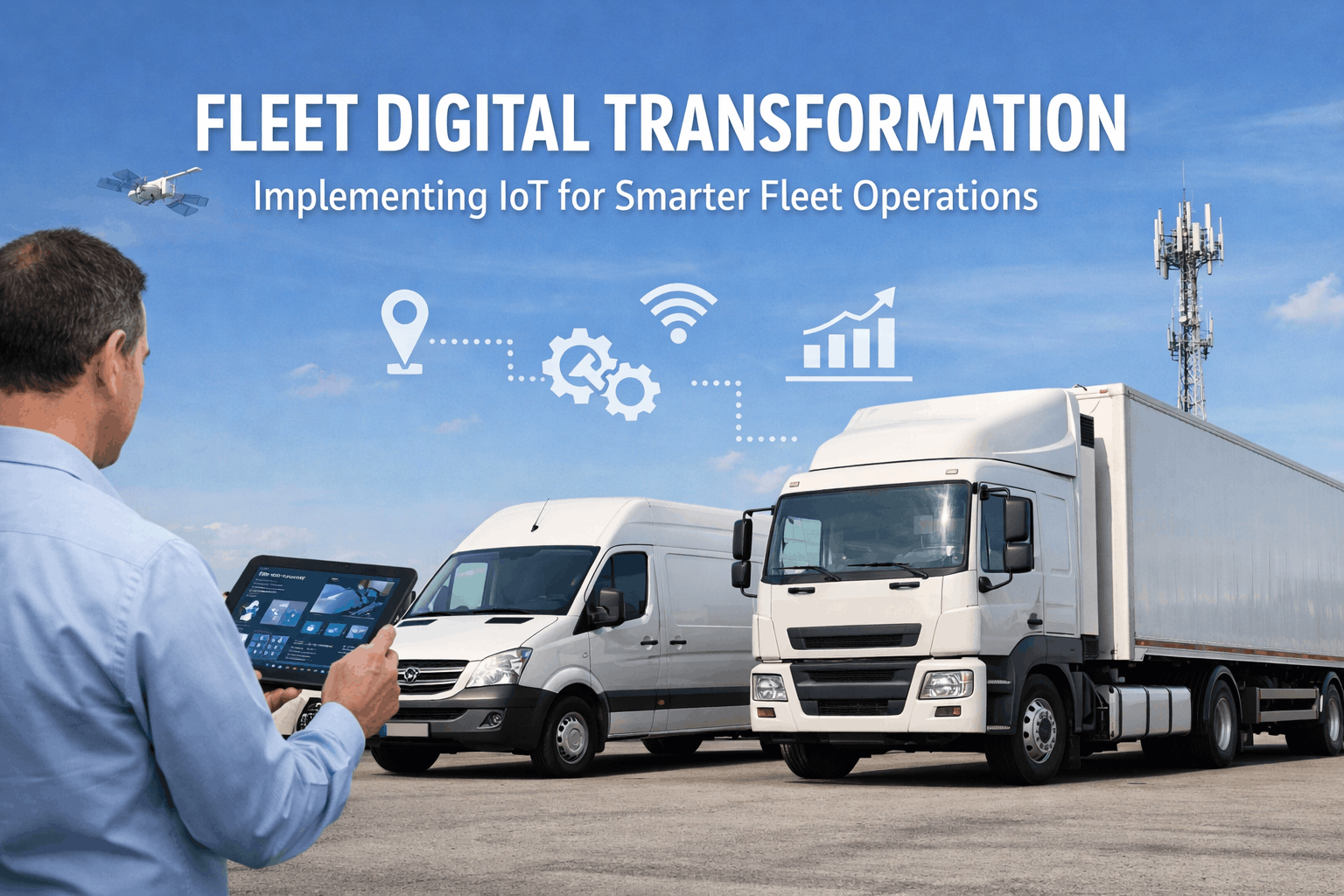
The way fleets operate is being fundamentally reshaped by technology. Gone are the days of paper logs, guesswork maintenance schedules, and reactive decision-making. Today, the Internet of Things (IoT) is at the center of a digital revolution that is transforming every aspect of fleet management, from how vehicles are tracked to how breakdowns are predicted before they ever happen. Whether you manage five trucks or five thousand, understanding how IoT can elevate your operations is no longer optional — it is a strategic necessity. In this guide, we break down exactly what IoT-powered fleet management looks like, why it matters in 2026, and how you can start your own digital transformation journey. Ready to see it in action? Sign up for free and experience the difference today.
What Is IoT in Fleet Management?
IoT in fleet management refers to a network of internet-connected devices — sensors, GPS trackers, telematics units, and onboard diagnostics — embedded across your fleet vehicles. These devices continuously collect and transmit data about vehicle location, engine health, fuel consumption, tire pressure, cargo conditions, and driver behavior to a centralized cloud platform. Fleet managers can then access real-time dashboards, receive automated alerts, and make data-driven decisions that were previously impossible with manual tracking methods.
Think of it this way: every vehicle in your fleet becomes a smart, connected asset that constantly communicates its status. Instead of waiting for a driver to report a problem or discovering an issue during a scheduled inspection, IoT lets you know what is happening across your entire fleet — in real time, from anywhere.
The IoT Fleet Ecosystem at a Glance
Why IoT Matters for Fleets in 2026
The IoT fleet management market has grown from $9.17 billion in 2025 to an estimated $10.6 billion in 2026, expanding at a compound annual growth rate of 15.5%. By 2030, this market is projected to surpass $17 billion. These numbers are not abstract — they represent a massive industry shift toward connected, data-driven fleet operations. Companies that delay IoT adoption risk falling behind competitors who are already leveraging real-time data to cut costs and improve service quality.
The forces driving this growth are clear: rising fuel costs, increasing regulatory requirements, growing customer expectations for faster delivery, and the proven return on investment that IoT delivers. Businesses using GPS tracking and IoT-powered fleet solutions have reported up to 24% reduction in fuel costs, 25% fewer surprise breakdowns, and positive ROI within just 12 months of deployment.
6 Ways IoT Transforms Fleet Operations
Real-Time Vehicle Tracking & Visibility
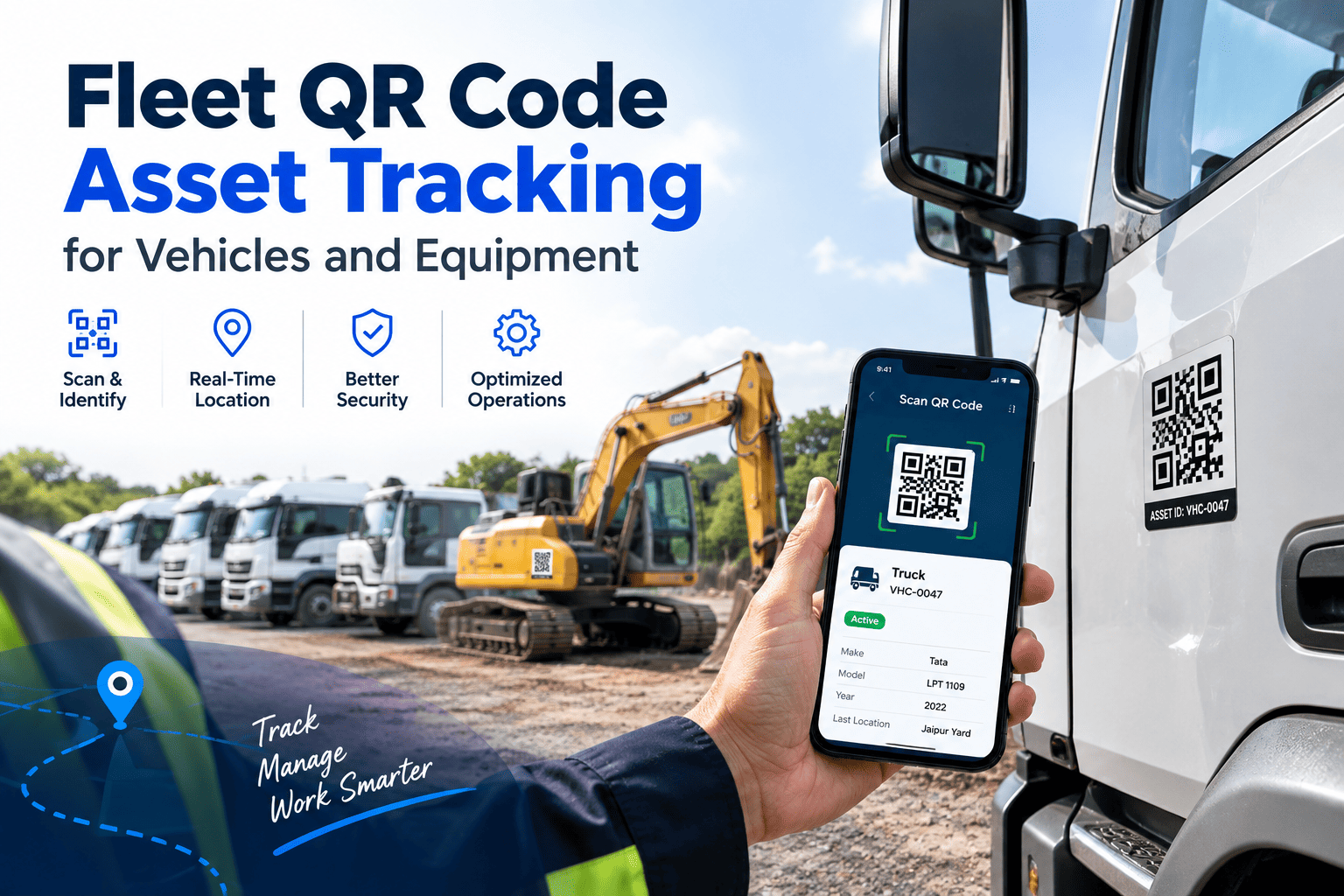
GPS-enabled IoT devices give you precise, second-by-second location data for every vehicle. You can see exactly where each asset is, whether it is moving or idle, and dynamically reroute drivers to avoid traffic or respond to urgent requests. Over 80% of large fleets in North America already rely on real-time tracking systems. This level of visibility eliminates guesswork and empowers fleet managers to make faster, smarter decisions.
Predictive Maintenance
IoT sensors continuously monitor engine health, battery status, tire pressure, and fluid levels. Machine learning algorithms analyze this data to predict failures before they happen, helping you schedule maintenance at the optimal time. Fleets using sensor-driven diagnostics have cut surprise breakdowns by 25% and extended vehicle lifespan by up to 20%. This alone can save tens of thousands in emergency repair costs annually.
Fuel Efficiency Optimization
Fuel is typically the largest operating expense for any fleet. IoT tracks fuel consumption in real time, identifying inefficiencies like excessive idling, harsh acceleration, and suboptimal routing. Companies implementing IoT-based fuel monitoring have saved between 8-15% on fuel costs, with some reporting savings as high as 55%. Those savings go directly to your bottom line, every single month.
Driver Safety & Behavior Monitoring
IoT-powered accelerometers and telematics track driving patterns like harsh braking, speeding, and rapid lane changes. This data feeds into driver scorecards and coaching programs that improve safety outcomes. Fleets using these systems have reported 42% fewer safety incidents and up to 19% reduction in accidents. Safer driving also lowers insurance premiums and protects your brand reputation.
Automated Compliance & Reporting
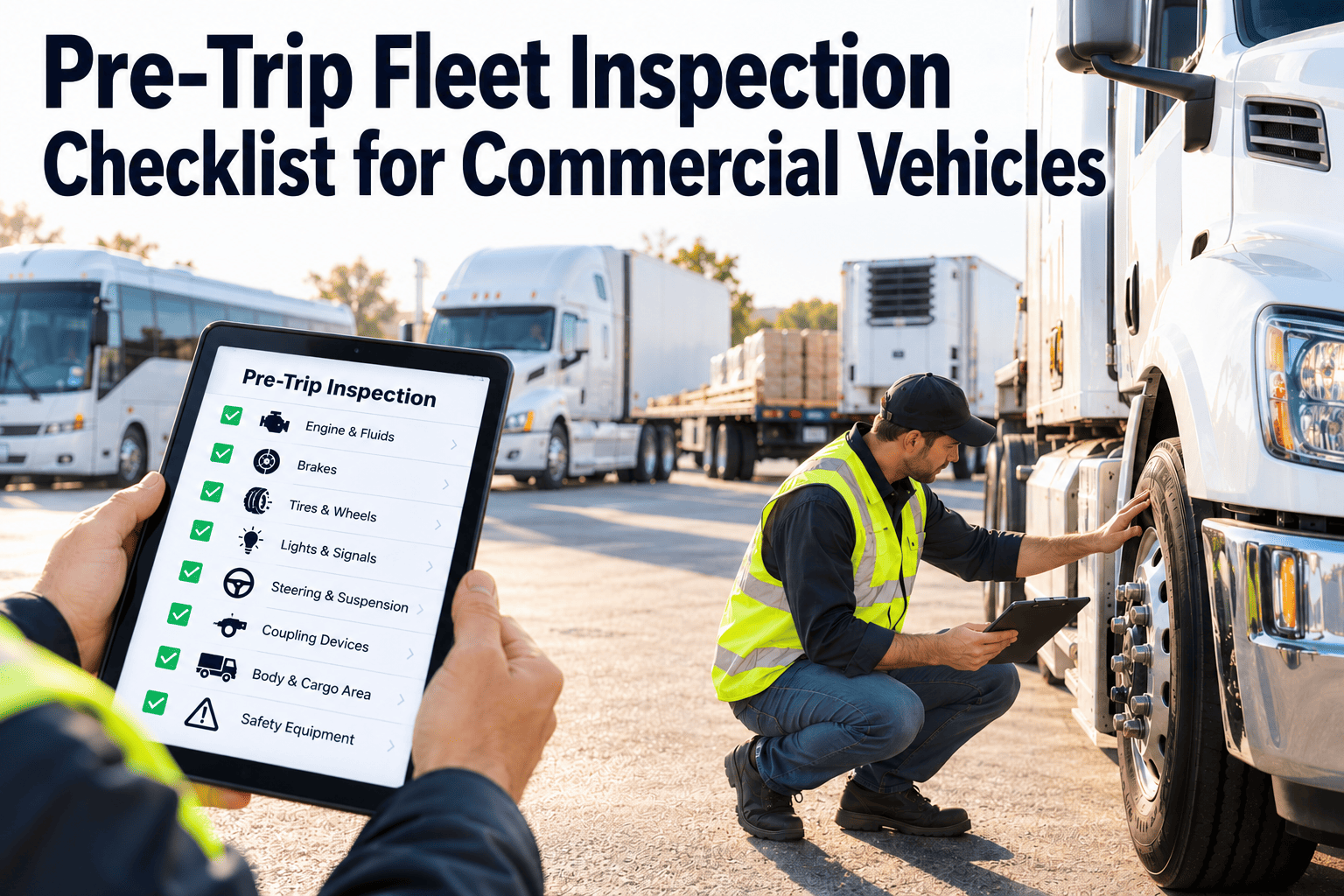
Regulatory compliance — Hours of Service, emissions standards, vehicle safety inspections — is a constant burden for fleet operators. IoT devices automatically track and record all the data needed for compliance, making it instantly retrievable during audits. No more scrambling through paperwork. Automated digital logs ensure your fleet stays compliant, avoiding costly penalties and operational disruptions.
Route Optimization & Dynamic Rerouting
IoT integrates live traffic data, weather conditions, and delivery schedules to calculate the most efficient routes in real time. When conditions change, the system dynamically reroutes vehicles, reducing travel time and fuel consumption by up to 15%. The result is faster deliveries, happier customers, and lower operating costs across the board.
Ready to Transform Your Fleet Operations?
Join thousands of fleet managers who are already using OxMaint to digitize maintenance, predict failures, and cut costs with IoT-powered insights.
Key IoT Technologies Powering Smart Fleets
Understanding the technology stack behind IoT fleet management helps you make better decisions about which solutions to adopt. Here are the core components that work together to create a truly connected fleet:
Telematics & OBD-II
Plug-in devices that capture engine diagnostics, speed, fuel usage, and fault codes directly from the vehicle's onboard computer.
GPS & Geofencing
Satellite-based positioning for real-time tracking, combined with virtual boundary alerts when vehicles enter or leave designated zones.
Edge Computing
Data processing happens directly in the vehicle, reducing latency and enabling instant insights even when cloud connectivity is limited or unavailable.
5G & LPWAN Connectivity
High-speed 5G for urban areas and low-power wide-area networks for remote or rural routes ensure uninterrupted data transmission everywhere.
AI & Machine Learning
Algorithms that analyze massive IoT datasets to forecast maintenance needs, optimize routing, detect anomalies, and improve operational efficiency over time.
Cloud & SaaS Platforms
Scalable infrastructure that stores, processes, and visualizes all fleet data in one accessible platform — no on-premise servers required.
Platforms like OxMaint bring all these technologies together in a single, intuitive interface that any fleet manager can use — no technical expertise required. Want to see how it works for your fleet? Book a personalized demo and explore the possibilities.
A Step-by-Step Roadmap to IoT Fleet Transformation
Digital transformation does not happen overnight. Here is a practical, phased approach to implementing IoT in your fleet operations:
Assess Your Current Operations
Identify your biggest pain points — fuel waste, unplanned downtime, compliance headaches, or poor route efficiency. Set measurable baseline metrics so you can track improvement after IoT deployment.
Start with a Pilot Program
Equip a small subset of vehicles (5-10) with IoT devices. Test the system, validate data accuracy, and measure initial results before committing to a full rollout. Most organizations see positive ROI within this pilot phase.
Choose a Scalable Platform
Select a fleet management platform with open APIs, cloud-based architecture, and seamless integration with your existing dispatch, ERP, or maintenance systems. Scalability matters — your IoT solution should grow with your fleet. Sign up for OxMaint to explore a platform built for this exact purpose.
Train Your Team
Technology only works when people use it. Provide hands-on training for drivers, dispatchers, and maintenance teams. Show them how IoT makes their jobs easier, not harder. Celebrate early wins to build momentum and buy-in.
Scale and Optimize Continuously
Roll out IoT across your full fleet based on pilot learnings. Continuously analyze performance data, refine your processes, and leverage AI-driven analytics to uncover new optimization opportunities over time.
Emerging Trends Shaping the Future of IoT Fleets
The IoT landscape for fleet management is evolving rapidly. Here are the key trends fleet operators should watch in 2026 and beyond:
Virtual replicas of your fleet that simulate vehicle performance, predict maintenance needs, and test operational scenarios before implementing changes in the real world. By 2027, over 75% of large enterprises are expected to adopt digital twins for fleet management.
Machine learning models process massive IoT datasets to discover hidden patterns, forecast demand, optimize fuel efficiency dynamically, and automate dispatching decisions — making fleets smarter with every mile driven.
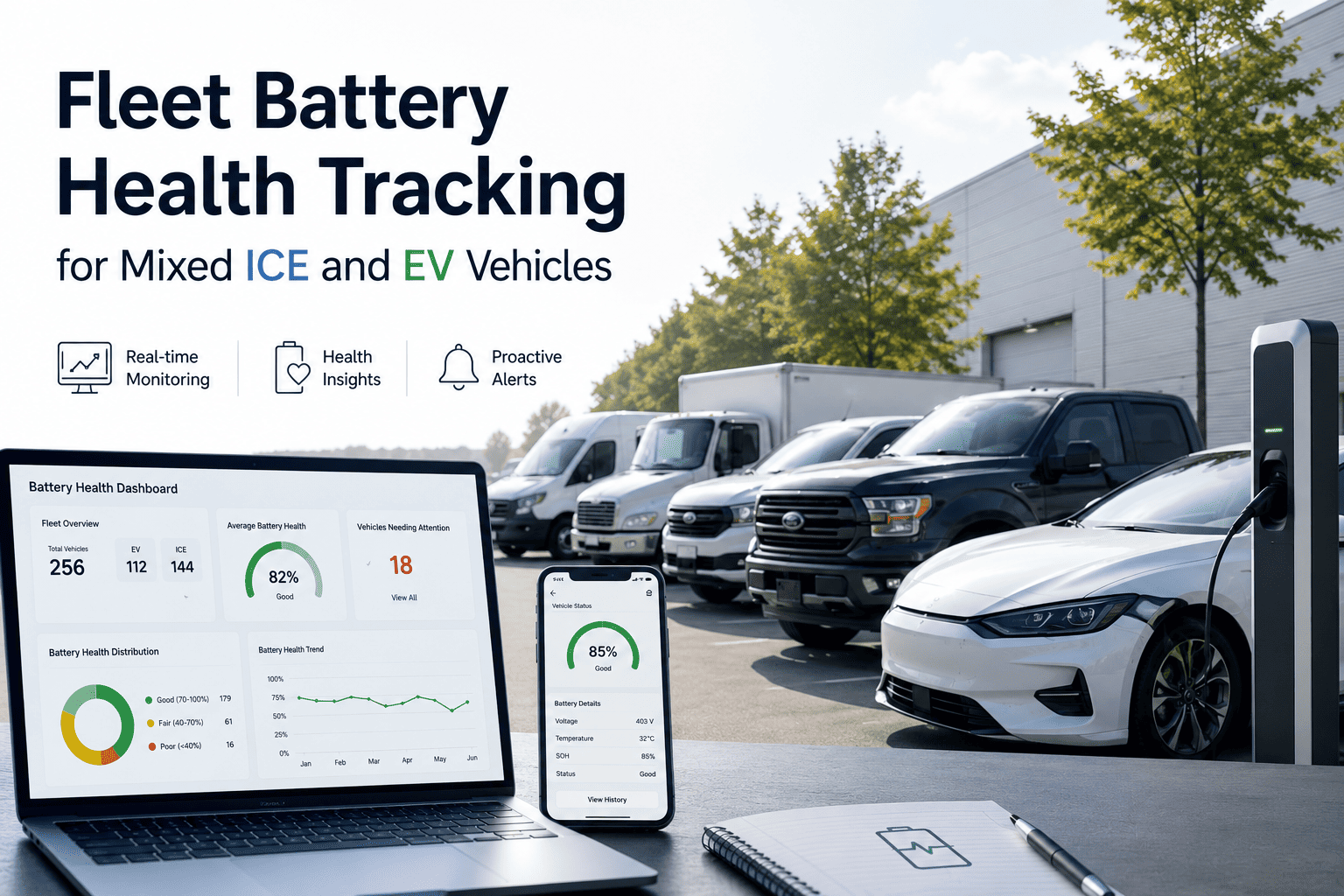
IoT platforms are adding AI-driven range prediction, smart charging optimization, and battery health monitoring to support the growing shift toward electric fleet vehicles and sustainability compliance.
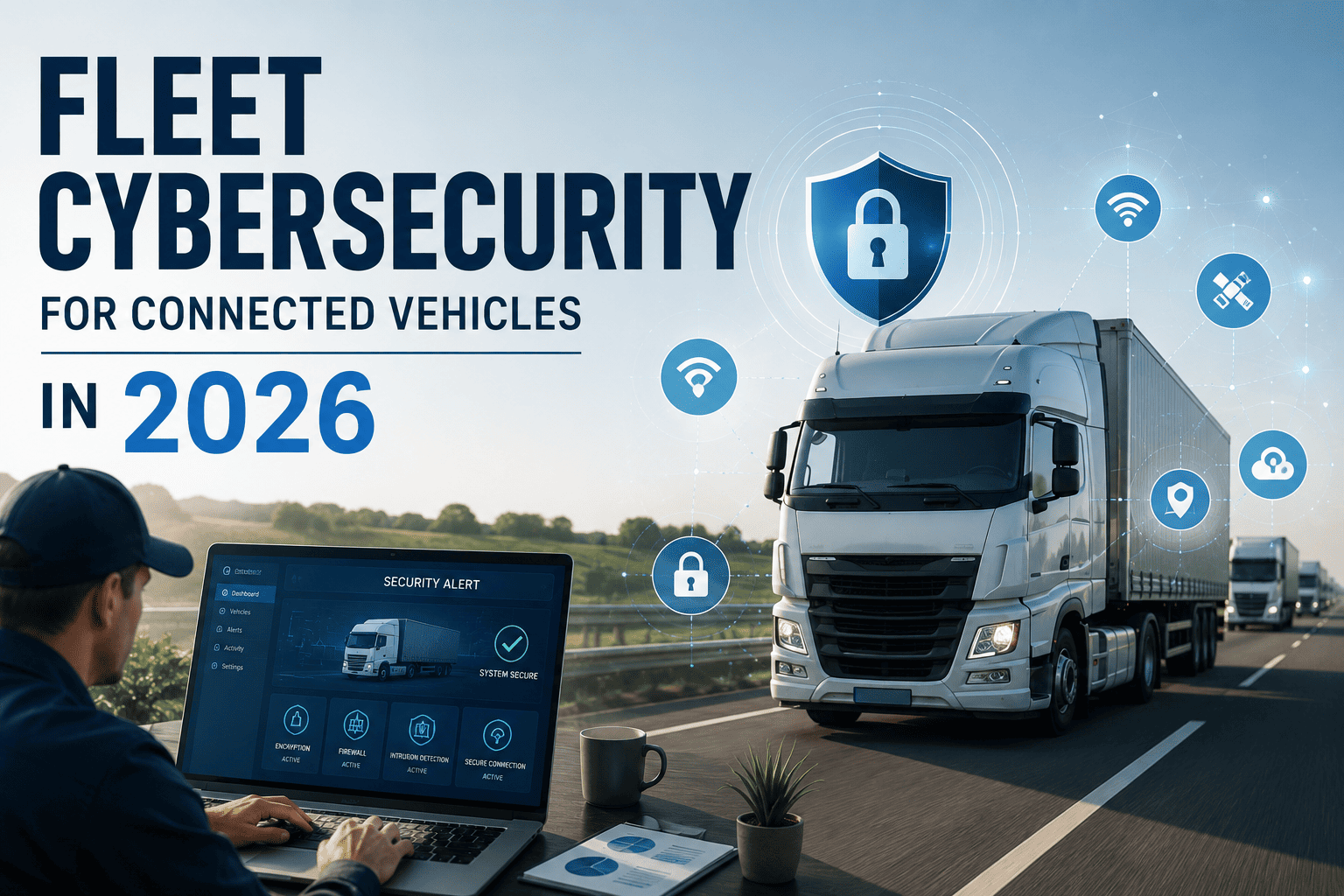
As fleets become more connected, they also become targets for cyber threats. Advanced encryption, firewalls, threat detection, and secure data protocols are becoming standard requirements for any IoT fleet deployment.
Staying ahead of these trends is not just about technology — it is about competitive survival. Companies that embrace IoT-driven transformation now will be better positioned to reduce costs, meet sustainability goals, and deliver superior service. Book a demo to see how OxMaint is already building these capabilities into its platform.
Overcoming Common IoT Implementation Challenges
While the benefits of IoT are clear, implementation is not without hurdles. Here are the most common challenges fleet operators face and how to address them:
High Initial Costs: IoT hardware, cloud subscriptions, and installation require upfront investment. However, detailed ROI analysis consistently shows payback within 1-2 years through fuel savings, reduced downtime, and lower maintenance costs. Starting with a pilot program minimizes financial risk.
Data Security Concerns: Connected vehicles generate vast amounts of sensitive data. Implementing robust encryption, multi-factor authentication, and regular security audits protects against cyber threats while maintaining operational functionality.
Integration Complexity: Connecting IoT with existing ERP, dispatch, or legacy systems requires careful planning. Prioritize platforms with open APIs and proven integration capabilities — like OxMaint — to ensure seamless data flow. Sign up today and see how easy integration can be.
Change Management: Drivers and staff may resist new monitoring systems. Comprehensive training, clear communication about the benefits, and a gradual rollout help build trust and ensure successful adoption across your organization.
Start Your Fleet's Digital Transformation Today
OxMaint is trusted by 1,000+ clients worldwide to streamline fleet maintenance, predict failures, and reduce costs. See why leading fleet operators are making the switch.
Frequently Asked Questions
What is IoT in fleet management and how does it work
IoT in fleet management uses internet-connected sensors, GPS trackers, and telematics devices installed in vehicles to collect real-time data about location, engine health, fuel usage, and driver behavior. This data is transmitted to a cloud platform where it is analyzed and presented through dashboards, enabling fleet managers to make data-driven decisions, automate maintenance scheduling, and optimize routes.
How much can IoT reduce fleet operating costs
Studies and industry reports indicate that IoT fleet solutions can reduce overall operating costs by up to 25%. Specific savings include 8-24% reduction in fuel costs, 25% fewer unplanned breakdowns, 19-20% lower insurance premiums through improved safety, and 16-19% reduction in maintenance and labor costs. Most fleets achieve positive ROI within 12 months of deployment.
Is IoT fleet management suitable for small fleets
Absolutely. IoT solutions are scalable and benefit fleets of all sizes. Cloud-based platforms like OxMaint eliminate the need for expensive on-premise infrastructure, making advanced fleet management accessible even to operators with just 5-10 vehicles. Starting with a small pilot allows you to validate ROI before scaling.
How does IoT help with fleet regulatory compliance
IoT devices automatically track and record compliance-related data including Hours of Service, emissions levels, and vehicle safety inspection results. This data is digitally stored and instantly retrievable for audits, eliminating manual record-keeping and significantly reducing the risk of regulatory fines.
What are the biggest challenges of implementing IoT in a fleet
The most common challenges include upfront hardware and software costs, integrating IoT with existing legacy systems, ensuring data security for connected vehicles, and managing change among drivers and staff. A phased implementation approach — starting with a pilot, choosing platforms with open APIs, investing in training, and partnering with experienced providers like OxMaint — helps overcome these barriers effectively.
How does OxMaint support IoT-powered fleet management
OxMaint is an AI-powered CMMS platform designed for modern fleet operations. It integrates with IoT data sources to provide predictive maintenance alerts, work order automation, real-time asset tracking, and comprehensive reporting — all from a single cloud-based dashboard. With 1M+ app downloads and 1,000+ clients globally, OxMaint is built to scale with your fleet. Sign up or book a demo to get started.