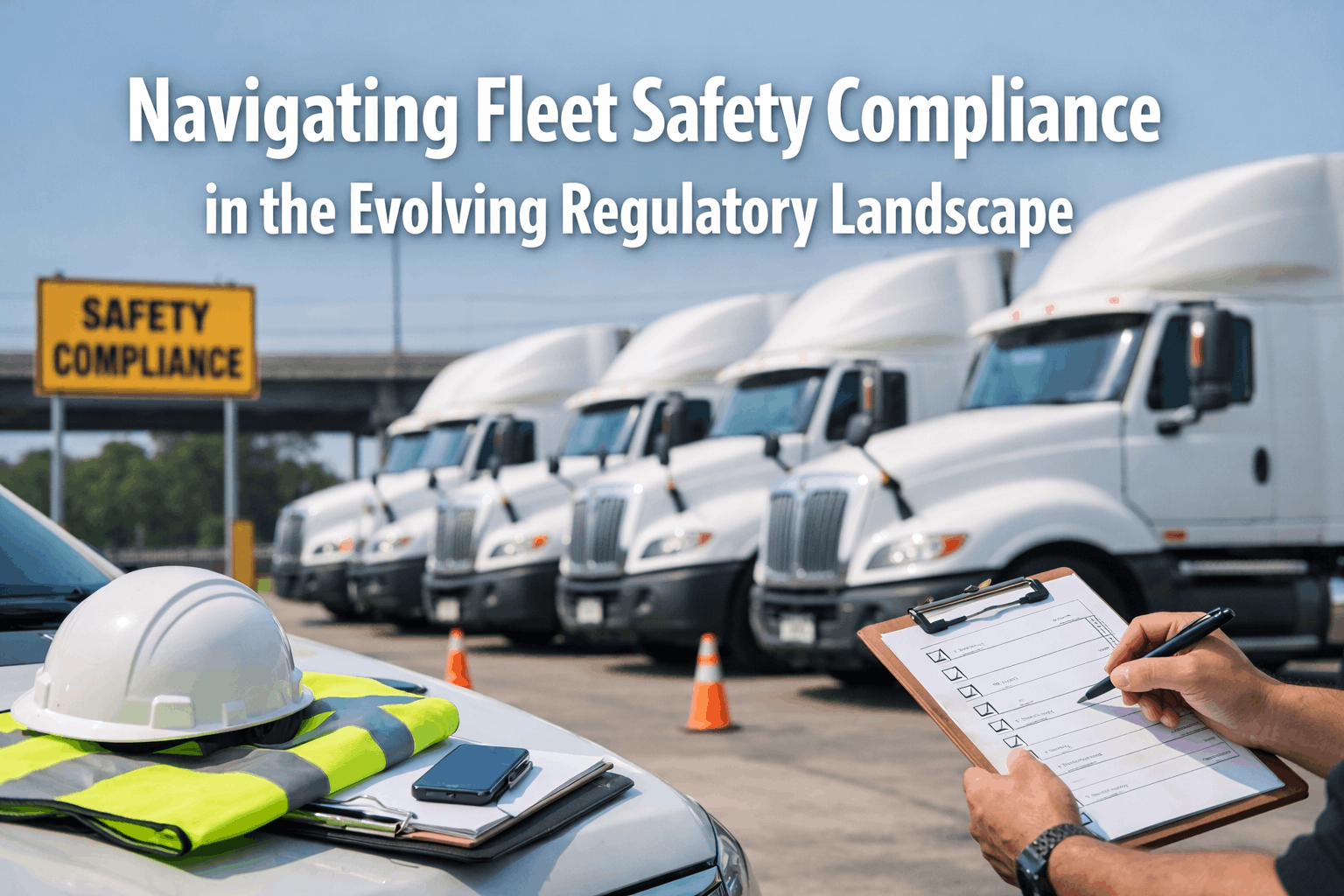
Fleet safety compliance has entered a new era of complexity and scrutiny as regulatory bodies intensify enforcement while introducing transformative digital requirements. With the FMCSA conducting over 8,300 investigations through June 2025 alone and uncovering more than 100,000 violations, the margin for error has effectively disappeared. The average investigation now reveals six violations per carrier, with routine compliance cases costing fleets approximately $7,100 each and severe violations reaching fines up to $125,000. As 2026 brings the elimination of MC numbers, mandatory electronic medical certification, and overhauled SMS scoring systems, fleet managers face the most significant regulatory transformation in the past decade.
Stay Ahead of Regulatory Changes with Intelligent Compliance
Oxmaint helps fleet operators navigate the evolving compliance landscape with automated DOT documentation, real-time violation monitoring, and AI-powered audit preparation that reduces regulatory reporting time by 70-85%.
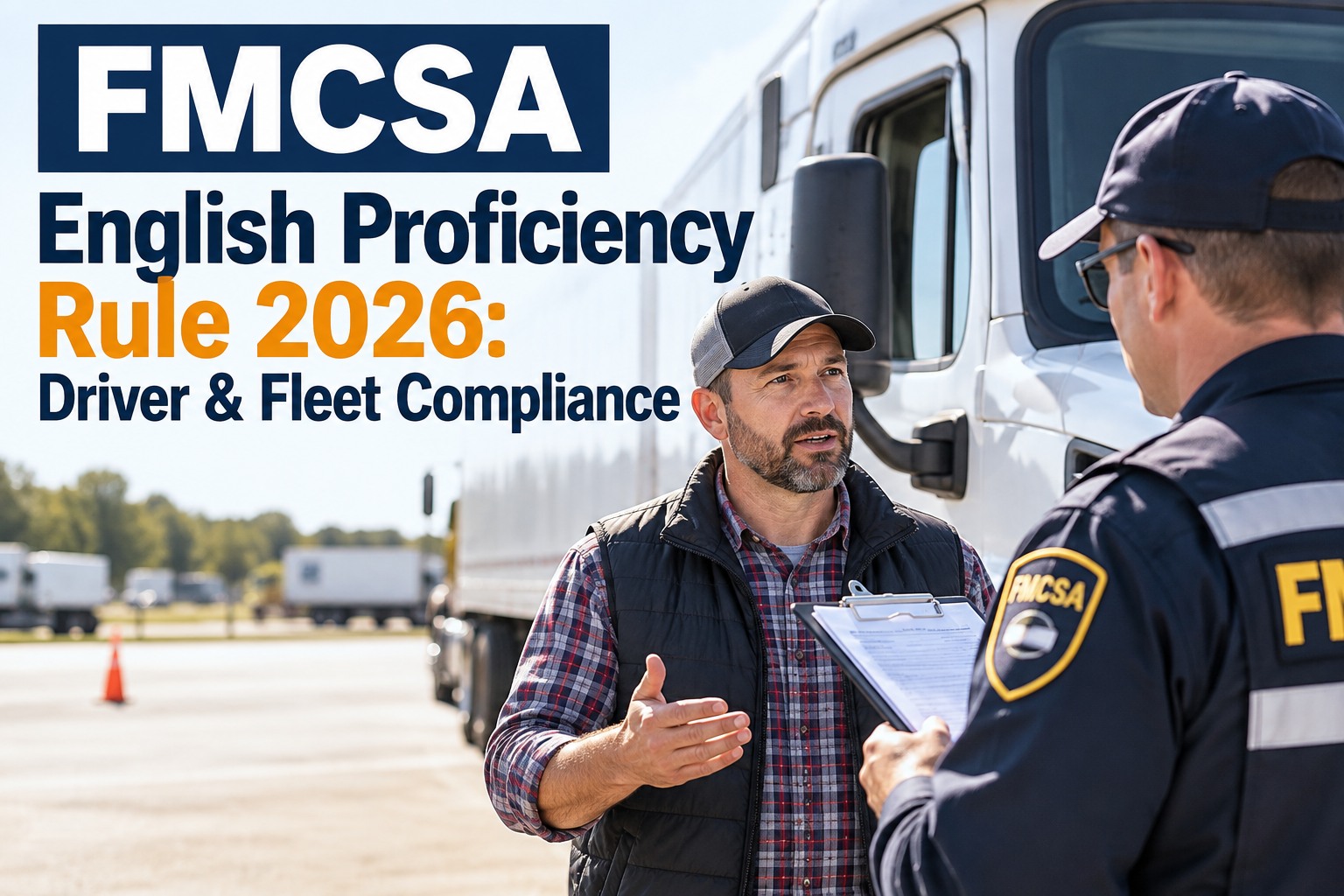
The regulatory environment extends beyond simple rule-following into strategic risk management. The FMCSA's Safety Measurement System now updates monthly with data published just ten days after capture, creating a near real-time compliance scorecard that affects insurance rates, customer relationships, and operational authority. Electronic Logging Device mandates, Drug and Alcohol Clearinghouse integration, and English proficiency enforcement represent just the surface of compliance obligations that now require sophisticated technological infrastructure rather than paper-based record keeping. Sign up to discover how automated compliance management transforms regulatory burden into competitive advantage.
The 2026 Compliance Reality
Critical Regulatory Shifts Reshaping Fleet Operations
The regulatory landscape of 2026 presents both challenges and opportunities for fleet operators. The FMCSA has finalized 11 of 18 proposed rulemaking actions that collectively reduce administrative burdens while tightening safety enforcement. Electronic Driver Vehicle Inspection Reports are now explicitly authorized, eliminating legal ambiguity about paperless documentation. Medical certification verification has shifted entirely to electronic Motor Vehicle Records, rendering paper certificates obsolete for CDL holders after January 10, 2026.
Perhaps most significantly, the Safety Measurement System has undergone comprehensive restructuring. The seven former Behavior Analysis and Safety Improvement Categories have been reorganized into streamlined compliance categories, with Vehicle Maintenance now split into two distinct tracking areas. Violation codes have been consolidated from hundreds into approximately 100 standardized groups with simplified severity weights. Book a demo to see how automated systems adapt to these structural changes instantly.
The Five Pillars of Modern Fleet Safety Compliance
Automated Hours of Service Tracking
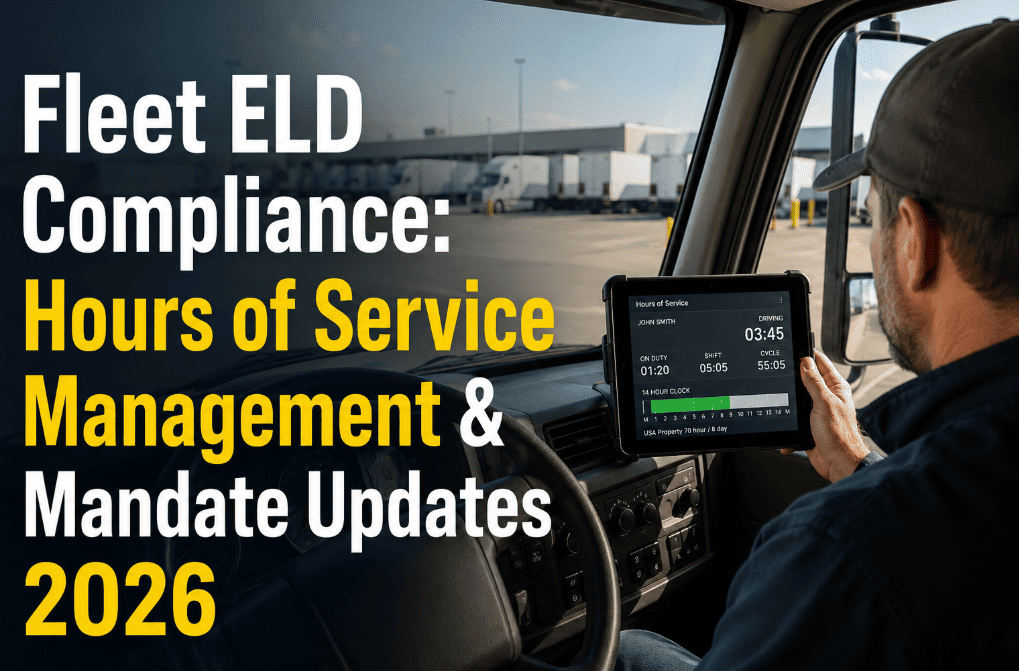
Electronic Logging Devices connected directly to vehicle engines eliminate manual logbooks while ensuring accurate recording of driving time, engine hours, and motion status with real-time compliance alerts.
Integrated Drug and Alcohol Clearinghouse
Real-time queries and automated monitoring of driver prohibited status ensure no driver with unresolved violations operates commercial vehicles, with instant electronic notifications of status changes.
Predictive Vehicle Maintenance
IoT sensors and AI algorithms monitor brake conditions, tire pressure, and engine health to prevent violations before they occur while maintaining inspection-ready documentation automatically.
Dynamic Driver Qualification Files
Cloud-based systems maintain current MVRs, medical certifications, and training records with automated expiration alerts and seamless audit trail generation for DOT inspections.
AI-Powered Safety Analytics
Machine learning models analyze driver behavior, vehicle performance, and compliance patterns to identify risks before they result in violations or accidents.
Technology as Compliance Strategy
Modern fleet safety compliance requires technology infrastructure that transcends basic record-keeping. AI-powered dashcams and in-cab monitoring systems have become standard equipment, with 74% of fleet professionals reporting that video telematics improved driver safety outcomes. These systems detect unsafe behaviors in real-time, provide immediate coaching alerts, and generate documentation that protects carriers during accident litigation.
The integration of telematics with maintenance management creates closed-loop compliance systems where vehicle health data automatically triggers work orders, parts procurement, and documentation updates. Sign up today to implement integrated compliance technology that reduces administrative burden while improving safety metrics.
Compliance Technology ROI
Transform Compliance from Burden to Advantage
Fleet operators using integrated compliance management systems report double-digit decreases in insurance premiums, maintenance costs, and administrative overhead while achieving superior safety ratings that win contracts and reduce liability exposure.
Preparing for the New Entrant Safety Audit
New carriers face immediate compliance scrutiny through mandatory New Entrant Safety Audits conducted within 3-6 months of receiving DOT authority. These comprehensive reviews examine every aspect of operations from driver qualification files to vehicle maintenance records, hazardous materials handling procedures to drug testing programs. Failure results in revocation of operating authority and significant business disruption.
Established carriers are not immune from intervention. High SMS scores trigger compliance reviews, while random selection, public complaints, and post-accident investigations can initiate audits regardless of historical performance. Book a demo to assess your audit readiness and implement automated documentation systems that ensure inspection success.
Frequently Asked Questions
The evolving regulatory landscape demands that fleet operators transition from reactive compliance management to integrated safety ecosystems. Organizations that embrace automated compliance technology, AI-powered analytics, and predictive maintenance will not only avoid penalties but achieve operational excellence that differentiates them in competitive markets. The cost of compliance technology is now substantially lower than the cost of non-compliance. Sign up now to transform your fleet's approach to safety and regulatory management.


-compliance-eld-rules-and-fleet-management-best-practices.png)
.png)
