Fleet management is undergoing a radical transformation. With the U.S. commercial vehicle telematics market valued at $5.1 billion in 2024 and projected to reach $16.0 billion by 2032 , organizations are no longer asking whether to adopt telematics, but how quickly they can implement it. Modern fleet telematics combines GPS tracking, IoT sensors, and AI-driven analytics to deliver real-time visibility into every aspect of vehicle operations—from fuel consumption and driver behavior to predictive maintenance and compliance management. For fleet managers battling rising fuel costs, labor shortages, and increasing regulatory pressure, telematics isn't just a technology upgrade; it's a strategic imperative that delivers measurable ROI within months, not years. In fact, comprehensive telematics systems deliver average returns of 650-850% within 18 months through fuel savings, route optimization, and operational efficiency improvements . Whether you're managing ten vehicles or ten thousand, understanding how to leverage real-time data can mean the difference between operating at a loss and leading your industry in operational efficiency.
Transform Your Fleet Data Into Profit
Join thousands of fleet managers who have reduced operational costs by up to 30% with Oxmaint's intelligent telematics platform.
The Anatomy of Modern Fleet Telematics
Understanding telematics requires looking beyond simple vehicle tracking. At its core, fleet telematics is an integrated ecosystem of hardware, software, and connectivity that transforms raw vehicle data into actionable business intelligence. Sign up today to see how modern telematics works in real-time.
Data Collection Layer
- OBD-II Devices: Plug into vehicle diagnostic ports to capture engine health, fault codes, and performance metrics
- GPS Modules: Provide real-time location tracking with geofencing capabilities
- IoT Sensors: Monitor tire pressure, cargo temperature, fuel levels, and door status
- Dash Cameras: AI-powered video telematics for driver safety and incident reconstruction
Connectivity & Transmission
- 4G/5G Networks: Enable real-time data transmission with minimal latency
- Satellite Communication: Ensure connectivity in remote areas where cellular fails
- Cloud Platforms: Centralize data storage and processing for instant access
- Edge Computing: Process critical data locally for immediate alerts
The real power emerges when these components work together through advanced analytics platforms. With 55% of fleets reporting reduced fuel costs after telematics implementation, the technology has proven its value across industries from logistics and construction to utilities and passenger transport .
Five Critical Ways Telematics Enhances Operational Efficiency
Fuel Optimization & Cost Control
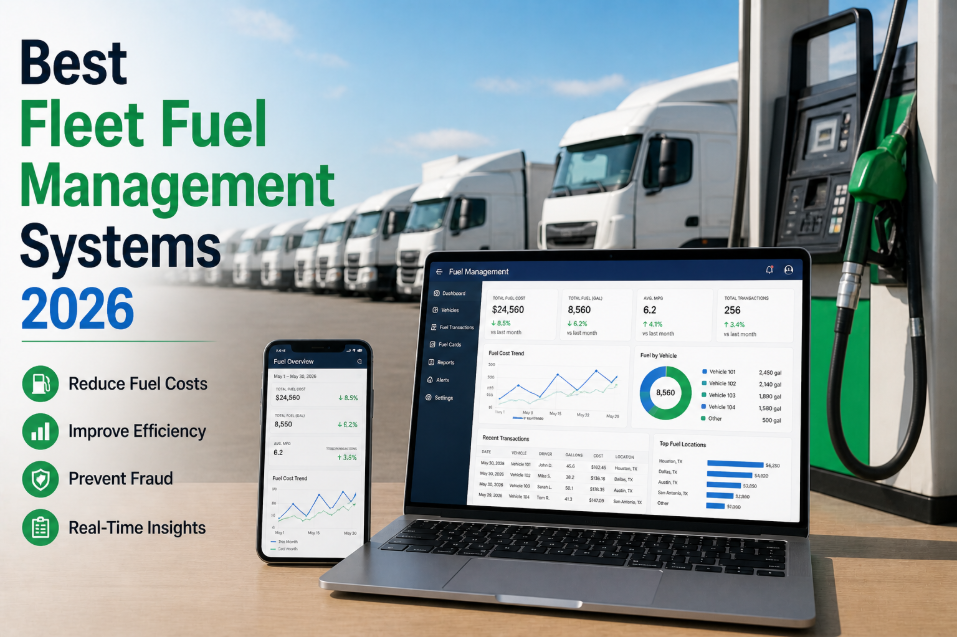
Fuel represents nearly 25% of total fleet operational costs, making it the second-largest expense after payroll. Telematics attacks fuel waste through multiple vectors:
Organizations typically achieve 25-35% fuel cost reduction through comprehensive telematics systems, with advanced fuel sensors providing precise consumption data and theft detection .
Predictive Maintenance & Vehicle Longevity
Transitioning from reactive to predictive maintenance delivers triple benefits: reduced downtime, lower repair costs, and extended vehicle life. Book a demo to see predictive maintenance in action.
Predictive maintenance delivers 550-650% ROI through emergency repair prevention, with systems predicting failures 3-8 weeks in advance and preventing 85% of emergency repairs that average $8,500 per incident .
Telematics monitors odometer readings, engine hours, brake wear, and fluid levels automatically, scheduling maintenance before breakdowns occur. This proactive approach prevents costly roadside assistance, reduces rental vehicle needs, and maintains higher resale values through documented service histories.
Driver Safety & Risk Mitigation
AI-enhanced video telematics has revolutionized fleet safety. By combining telematics data with dash cam footage, managers gain context for every harsh braking event or speeding incident. This integration delivers:
- Up to 40% reduction in collision rates within months of implementation
- Protection against false claims through video evidence
- Reduced insurance premiums by 10-20% based on verified safe driving records
- Personalized coaching programs using real incident data
Machine vision and AI technologies identify risky behaviors like cell phone use, rolling stops, and seat belt violations in real-time, allowing drivers to self-correct before incidents occur .
Regulatory Compliance Automation
With Hours of Service (HOS) regulations, ELD mandates, and emissions standards becoming stricter, manual compliance is no longer feasible. Telematics automates:
Compliance automation prevents violations averaging $85,000 annually while reducing insurance premiums by 35% through documented safety performance . Automated compliance reduces administrative overhead by digitizing paper processes and maximizes available drive time through efficient log management.
Asset Utilization & Productivity
Telematics reveals the hidden capacity within your existing fleet. By analyzing vehicle usage patterns, dispatchers can:
- Identify underutilized assets for redeployment
- Dispatch the nearest available vehicle for last-minute jobs
- Increase loads per week without adding vehicles
- Reduce time spent on manual dispatch decisions
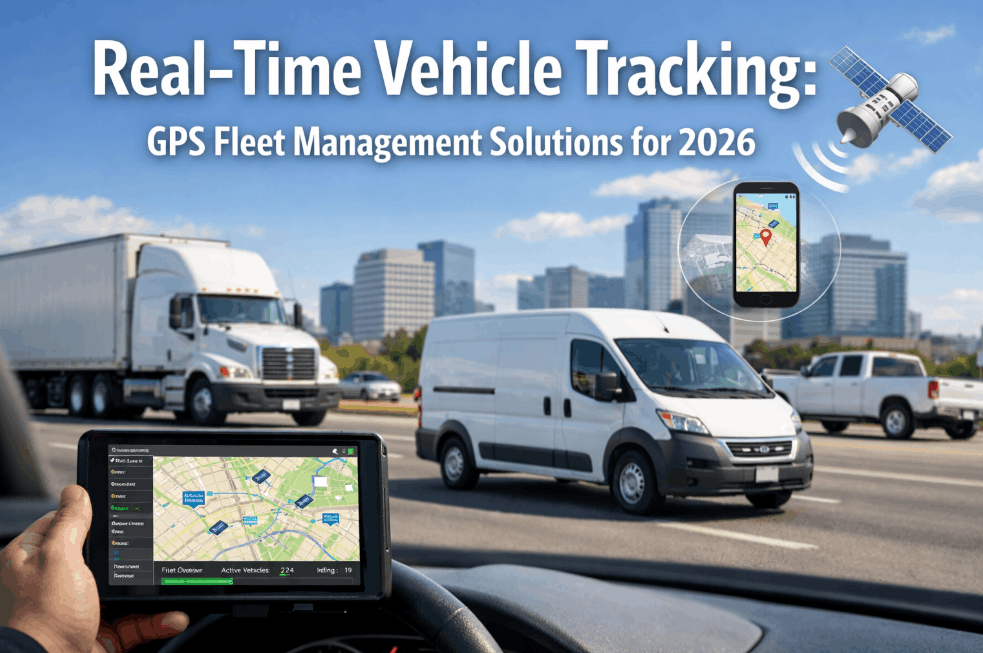
Real-time tracking provides immediate updates on vehicle locations, enabling efficient job assignment to the nearest driver and minimizing idle time . Start optimizing your asset utilization today.
The AI Revolution in Fleet Telematics
Artificial Intelligence is transforming telematics from a monitoring tool into a predictive business intelligence platform. Machine learning algorithms analyze millions of data points to identify patterns invisible to human analysts, enabling:
Predictive Analytics
Forecast vehicle failures before they occur by analyzing engine performance trends, tire pressure variations, and battery health indicators. AI and ML analyze actual datasets for engine performance to predict potential problems before they develop .
Intelligent Route Optimization
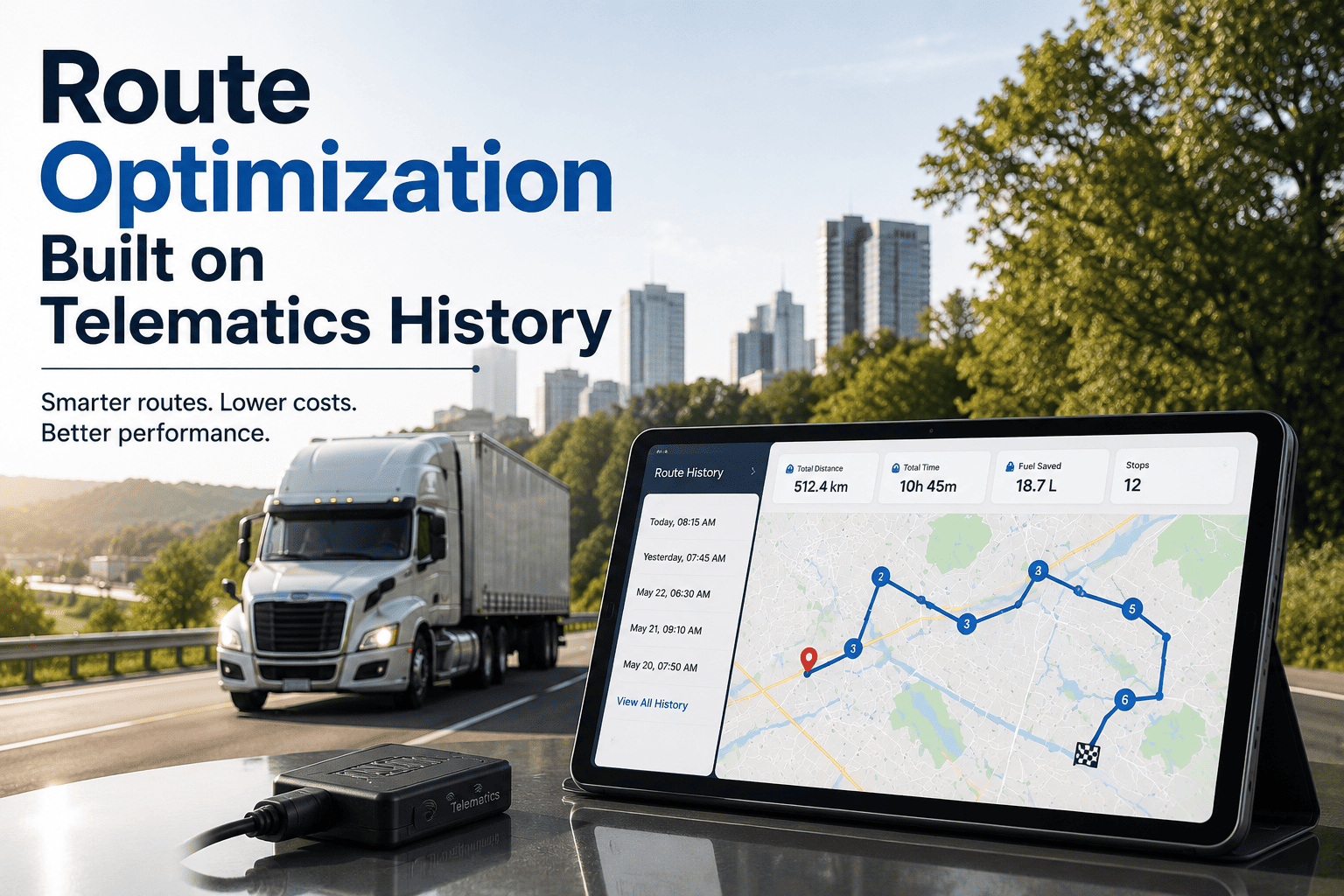
Dynamic rerouting based on real-time traffic, weather conditions, and delivery priorities minimizes fuel consumption and delays. AI-powered route planning reduces travel distances by 15-25% .
Automated Insights
Natural language processing generates executive summaries and identifies operational anomalies without manual report generation. Fleet managers typically spend 4-5 hours weekly consolidating data; AI eliminates this burden .
Video Intelligence
AI analyzes dash cam footage to detect distracted driving, following too closely, and traffic signal violations automatically. MV+AI technologies provide in-cab alerts that empower drivers to change behavior in real-time .
The integration of 5G connectivity and IoT sensors is accelerating these capabilities, enabling vehicle-to-everything (V2X) communication that supports autonomous fleet operations and smart city integration .
See AI-Powered Telematics in Action
Discover how Oxmaint's machine learning algorithms can predict maintenance needs and optimize your routes automatically.
Implementation Strategy: From Data to ROI
Achieving rapid ROI requires strategic implementation rather than simply installing hardware. Successful fleets follow a structured approach:
Phase 1: Foundation (Weeks 1-4)
Deploy telematics across all vehicles, establish baseline metrics for fuel consumption, idle time, and safety incidents. Get started with Oxmaint for seamless deployment.
Phase 2: Optimization (Months 2-3)
Implement driver coaching programs based on initial data, optimize routes using historical traffic patterns, set up automated maintenance alerts.
Phase 3: Intelligence (Months 4-6)
Integrate AI analytics for predictive maintenance, automate compliance reporting, expand telematics to non-vehicle assets like trailers and equipment.
Phase 4: Transformation (Months 7-12)
Leverage advanced analytics for strategic fleet right-sizing, implement usage-based insurance models, integrate with customer service platforms for real-time delivery updates.
Frequently Asked Questions
What is the typical ROI timeline for fleet telematics?
Most fleets achieve positive ROI within 6 to 12 months. According to industry research, comprehensive telematics systems deliver 650-850% return on investment within 18 months. A 50-vehicle fleet can expect $185,000+ annual savings through fuel optimization, maintenance efficiency, and compliance protection . The speed of ROI depends on fleet size, current inefficiencies, and how quickly the organization acts on telematics data.
How does telematics improve driver safety without invading privacy?
Modern telematics balances safety with privacy through transparent policies and focused data collection. Video telematics typically records only during triggered events (harsh braking, collisions) rather than continuously. Drivers receive coaching based on objective safety metrics rather than subjective monitoring, and many fleets use gamification to make safety improvement engaging rather than punitive. AI-powered systems provide in-cab alerts that allow drivers to self-correct in the moment .
Can telematics integrate with existing fleet management software?
Yes, modern telematics platforms offer API integrations with major ERP, dispatch, and maintenance management systems. Cloud-based solutions provide adaptable technologies, flexibility, affordability, and scalability with remote, real-time access to data . Oxmaint provides plug-and-play solutions that connect with existing infrastructure, allowing data to flow between telematics, accounting, HR, and customer service platforms without disrupting current workflows.
What fuel savings can we realistically expect?
Fleets typically see fuel cost reductions of 25-35% within the first year through route optimization, idle time reduction, and driver behavior modification. Specific savings depend on current idle times, routing inefficiencies, and driver behavior. Advanced fuel sensors provide precise consumption data enabling theft prevention and efficiency optimization worth $185+ monthly per vehicle, while route optimization saves additional $425+ through reduced consumption . Book a demo to calculate your specific savings potential.
Is telematics only for large fleets?
No, telematics delivers value for fleets of all sizes. While enterprise fleets gain advantages from scale, small and medium fleets often see faster ROI because they can implement changes more quickly. Entry-level telematics packages make the technology accessible to fleets with as few as 5-10 vehicles, with scalable solutions that grow with your business. Cloud-based solutions eliminate the need for expensive infrastructure investments .
How does AI enhance traditional telematics capabilities?
AI transforms telematics from reactive monitoring to predictive intelligence. Machine learning algorithms analyze historical and real-time data to predict equipment failures 3-8 weeks in advance, automatically optimize routes based on traffic patterns, identify risky driving behaviors from video footage, and generate automated insights that would require hours of manual analysis. AI and ML are increasingly used for predictive analytics to optimize vehicle maintenance and operational efficiency .
Ready to Optimize Your Fleet Operations?
Join the growing community of fleet managers using Oxmaint to reduce costs, improve safety, and maximize asset utilization. Start your transformation today.