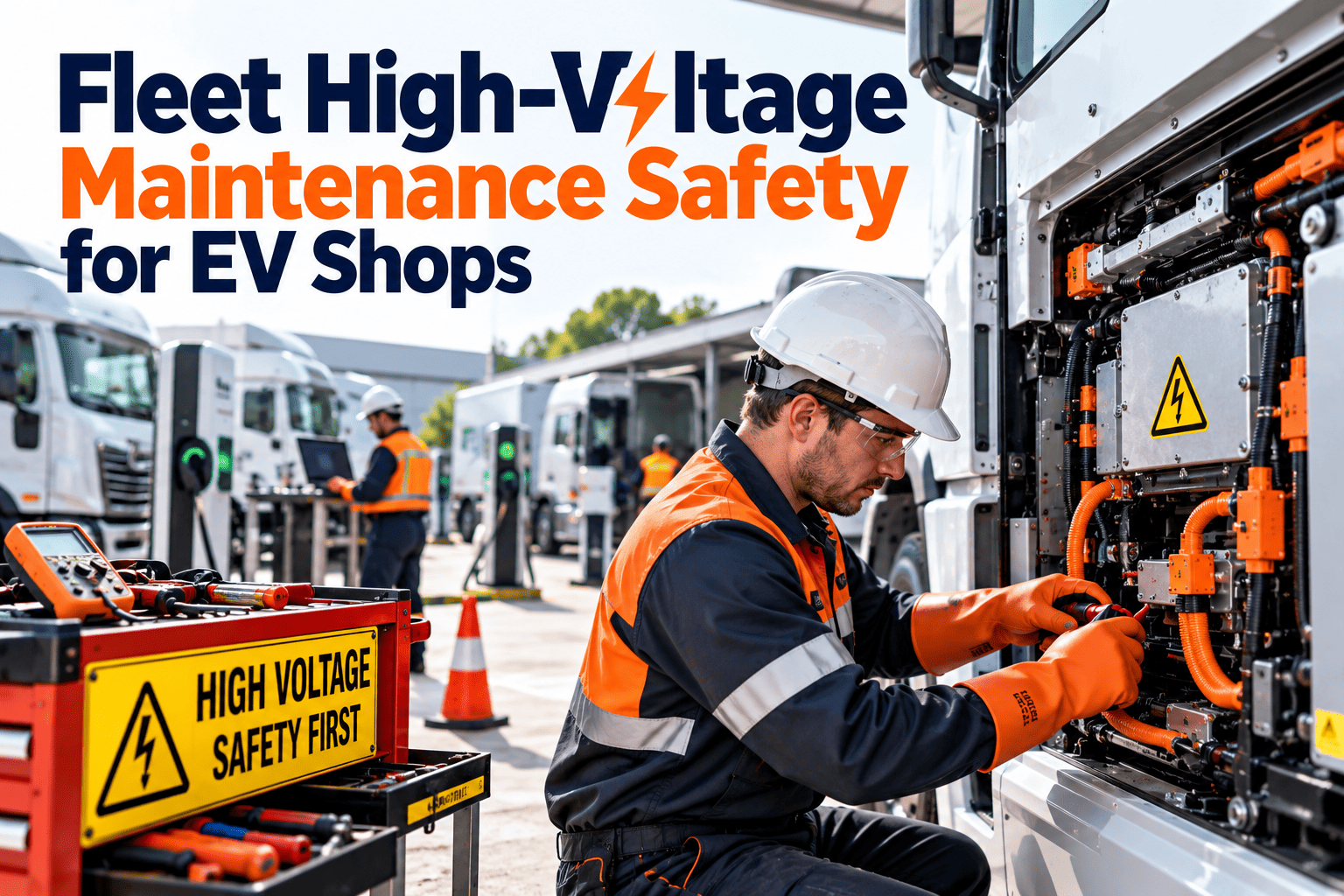
Electric vehicles remove oil changes and exhaust work, but they add a hazard that most fleet shops have never had to manage: high-voltage energy stored in the battery pack and distributed through orange cabling, inverters, chargers, and motors. A mistake here is not a skinned knuckle. Safe EV service depends on trained people, controlled work areas, verified isolation, inspected equipment, and records that prove each step happened. This guide explains how to build that discipline, and how a maintenance management system can enforce it on every job.
Fleet High-Voltage Maintenance Safety for EV Shops
Qualify technicians, zone the bay, lock out the vehicle, verify zero energy, and document every step so high-voltage work is repeatable, auditable, and safe.
- 1Brief
- 2Isolate
- 3Lock and tag
- 4Wait and discharge
- 5Verify zero
- 6Work
What changes when a fleet starts servicing EVs
Battery packs in electric trucks, vans, and buses operate at hundreds of volts, and some heavy-duty platforms run higher. Even with the vehicle off, stored energy and charged components can remain dangerous until the OEM-specified shutdown is completed.
Guidance to build your program on
- OEM service information and high-voltage shutdown procedures for each model.
- Electrical safety work practices such as NFPA 70E, applied through your own written program.
- Lockout and tagout requirements, such as OSHA 29 CFR 1910.147 in the United States.
- Equipment standards for insulated tools, rubber insulating gloves, and test instruments.
- Local fire code and insurer requirements for charging and battery storage.
Zone the shop before the first EV arrives
Physical separation reduces mistakes. Define areas by the level of risk, mark them clearly, and make entry conditions explicit.
Qualification tiers: who may do what
Define work by tier, and let the system block assignments that do not match a technician's verified training. Tier names below are examples; adapt them to your program and the requirements in your region.
| Tier | Typical tasks | Training and evidence to record | Limits |
|---|---|---|---|
| Awareness | Moving vehicles, tires, wipers, cleaning, non-electrical work on isolated vehicles | Hazard awareness training, site orientation | No contact with orange cabling or HV components |
| Low-voltage qualified | 12/24-volt systems, lighting, accessories, general diagnostics | Electrical fundamentals, OEM familiarization | HV system must be confirmed isolated first |
| High-voltage qualified | Isolation, verification, component service, battery connector work | Documented HV training, practical assessment, refresher dates | Only on models and procedures they are trained for |
| HV lead or supervisor | Permit approval, battery handling, damaged vehicle assessment, rescue response | HV training plus rescue and emergency response competence | Authorizes work and verifies controls |
Make high-voltage permits part of every work order
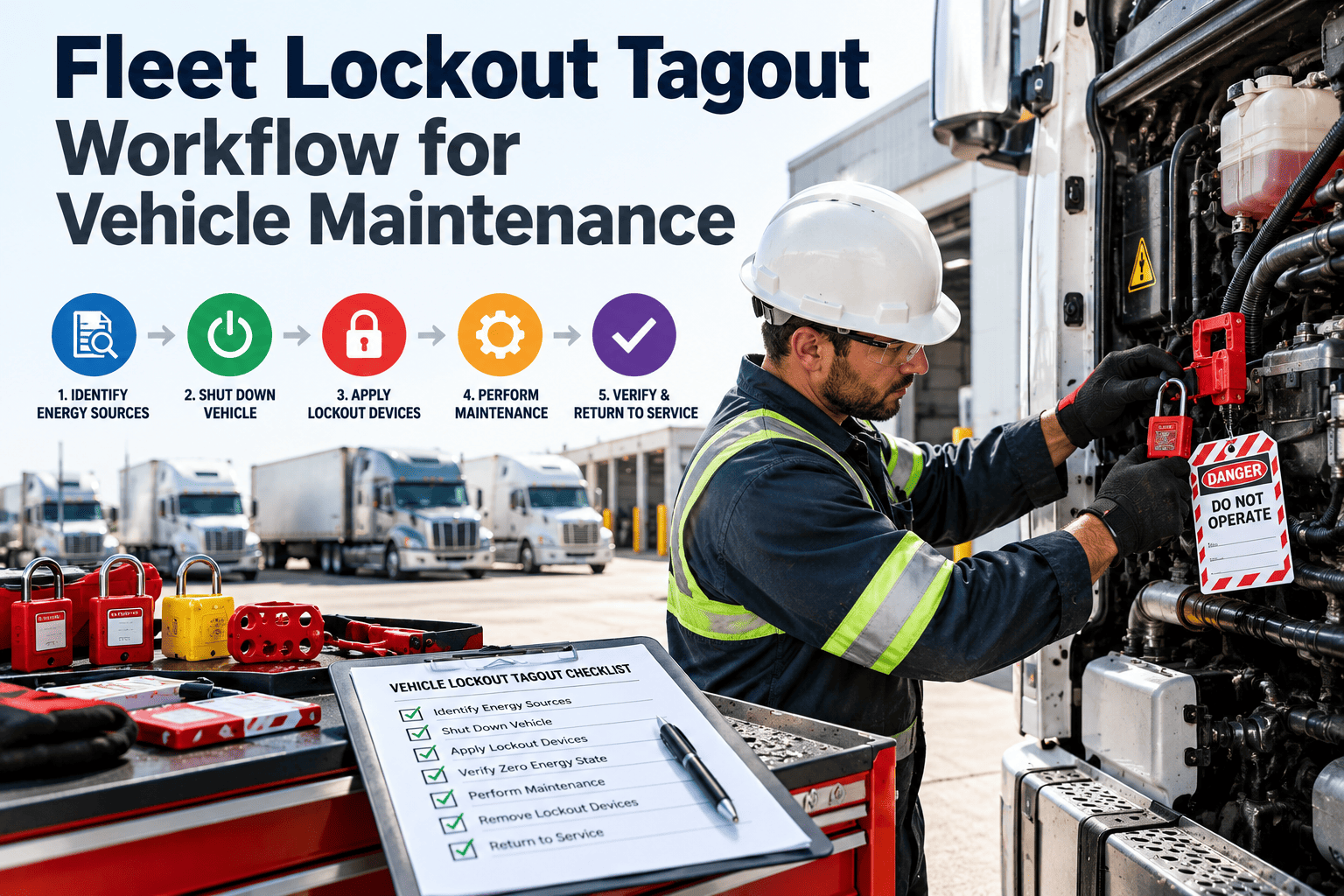
Attach isolation steps, tool checks, and sign-offs to the job itself, so safe practice does not depend on memory.
The high-voltage permit gate: step by step
A job should not move to the work stage until each gate is signed. This sequence reflects common good practice; always follow the OEM procedure for the exact vehicle.
- Gate 1
Pre-job brief and vehicle identification
Confirm model, battery type, OEM procedure, and the known fault. Review damage history and whether the vehicle was in a collision or flood. - Gate 2
PPE and tool inspection
Inspect insulated gloves and protectors, face protection, insulated tools, and the meter. Confirm test and calibration dates are current. - Gate 3
Isolation and lockout
Power down, remove keys from the area, disconnect the service disconnect as specified, apply personal locks and tags, and block charging access. - Gate 4
Wait period and zero-voltage verification
Observe the OEM wait time, then test the meter on a known source, measure the HV system, and test the meter again. - Gate 5
Perform the work
Keep the work area controlled, keep a second qualified person available, and stop if conditions or scope change. - Gate 6
Restore and return to service
Verify tools are removed, reconnect per procedure, remove locks, run isolation and function checks, and sign the work order.
PPE and tool inspection checklist
Safety equipment fails quietly. Build inspection and test dates into asset records so expired items are flagged before they reach the bay.
| Item | Check before each use | Recurring control |
|---|---|---|
| Rubber insulating gloves | Visual inspection, air test for pinholes, leather protectors worn | Periodic electrical retesting at the interval set by your program and the applicable standard |
| Insulated hand tools | Cracks, worn coating, rating marks legible | Scheduled inspection and replacement of damaged tools |
| Multimeter and leads | Correct category rating, intact leads, known-source test | Calibration schedule and recorded due date |
| Insulation resistance tester | Leads, battery, and function verified | Calibration schedule |
| Face shield and protective clothing | Condition and suitability for the task | Replacement on damage or age |
| Rescue hook and barriers | Present, accessible, and intact | Monthly bay safety inspection |
| Lockout devices and tags | Sufficient quantity, personal locks identified | Periodic lockout program review |
Responding to a damaged or suspect battery
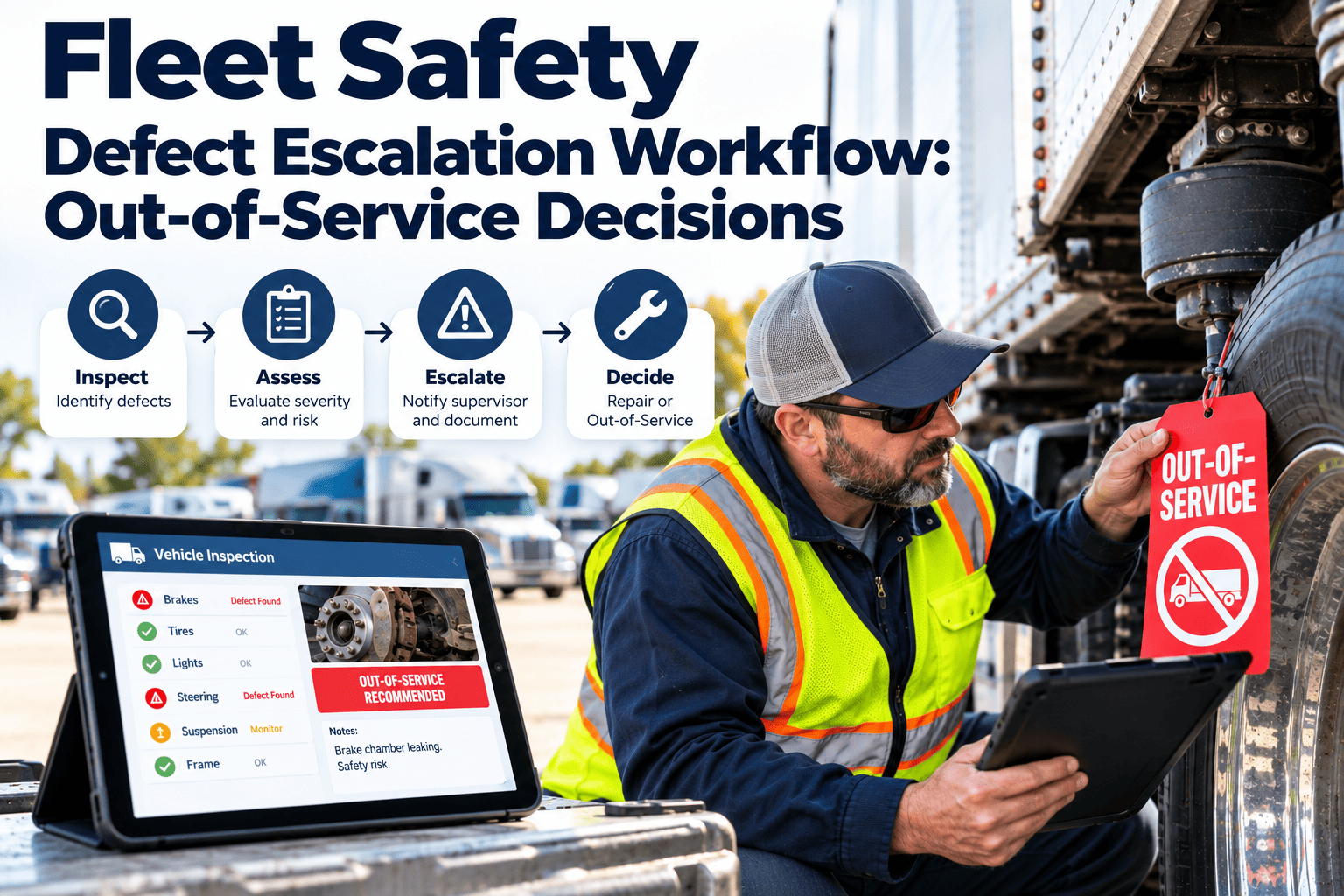
Vehicles with collision, puncture, flood, or overheating history need a different path from routine service. Treat them as higher risk until proven otherwise, and follow OEM and local emergency guidance.
- StopHalt work, keep people clear, and do not charge or move the vehicle unnecessarily.
- IsolateApply HV isolation only if safe and permitted by the OEM procedure and your trained lead.
- QuarantineMove or hold the vehicle in a designated area away from buildings and other vehicles, as local guidance requires.
- MonitorObserve for heat, noise, smell, venting, or smoke, because thermal events can be delayed.
- RecordLog condition, photos, actions, and decisions, and notify the OEM, insurer, and supervisors.
Records that prove the work was done safely
When an incident review or audit happens, memory is not evidence. The work order should hold the proof.
Before the job
- Technician qualification and expiry dates
- Procedure reference and vehicle details
- Tool and PPE inspection results
During the job
- Isolation and lock points used
- Zero-voltage test readings
- Observer or second person named
After the job
- Locks removed and tools accounted for
- Function and insulation checks
- Supervisor sign-off and findings
Isolation, interlocks, and insulation checks explained
Technicians who understand why each control exists are less likely to shortcut it. Three concepts come up in almost every EV service procedure.
- Service disconnect or manual service plug: a deliberate break in the high-voltage circuit that separates the pack from the rest of the vehicle. Its location and removal steps differ by model.
- High-voltage interlock loop: a low-voltage monitoring circuit that opens contactors if a connector or cover is removed. Faults in this loop are common and should be diagnosed, not bypassed.
- Insulation resistance testing: a measurement that shows whether high-voltage conductors are leaking toward the chassis. A failed result means the vehicle should be treated as unsafe until the cause is repaired.
Why bypassing a fault is never the answer
An interlock or isolation fault is the vehicle reporting a real or suspected hazard. Record the diagnostic codes, follow the OEM diagnostic tree, and escalate to the HV lead when the cause is unclear.
Building the training path from awareness to qualified
Training is not a one-time class. Plan progression, practical assessment, and refreshers, and store every date where the scheduling system can see it.
- Stage 1
Awareness for everyone on site
Parts staff, drivers, cleaners, and apprentices learn warning labels, orange cabling, restricted zones, and emergency actions. - Stage 2
Electrical fundamentals
Technicians build basic electrical knowledge, learn meter use, and practice on isolated or training vehicles. - Stage 3
Model-specific qualification
A practical assessment on each platform, covering the OEM shutdown, verification, and component procedures the shop will perform. - Stage 4
Rescue and emergency response
Leads and qualified staff practice safe rescue of a person in contact with energized equipment, and the shop's emergency plan. - Stage 5
Refreshers and re-assessment
Scheduled updates for procedure changes, new models, near misses, and expiry of prior training.
Shift handover and jobs that span more than one day
Multi-day diagnostics and pack repairs create handover risk. The next technician must know exactly what state the vehicle is in, and whose locks are still applied.
- Record every lock point, tag, and responsible person on the work order before leaving the bay.
- Keep the vehicle in the restricted zone with a visible status tag until the job is formally closed.
- Require the incoming technician to read the notes, confirm the isolation state, and repeat zero-voltage verification before touching HV components.
- Never remove another person's lock. Use the shop's documented lock removal procedure with supervisor approval when someone is unavailable.
- Note parts removed, parts waiting, and any open safety concerns for the next shift.
Charging equipment: the part of EV maintenance that is easy to forget
Depot chargers, cables, and connectors are maintenance assets. They carry high current, face weather and vehicle strikes, and need the same scheduled attention as the vehicles.
Visual and physical checks
- Cable jacket cracks, crush damage, or exposed conductors
- Connector pins, latches, and seals
- Bollards, mounting, and cable management
- Signage, lighting, and clear access
Functional checks
- Status indicators and fault logs
- Emergency stop operation
- Ground fault protection testing as specified by the manufacturer
- Ventilation and cooling where fitted
Records to keep
- Inspection and service dates by charger
- Faults and repair history
- Technician and contractor sign-off
- Vehicle-to-charger issues that repeat
Preventive maintenance tasks that are specific to EVs
Electric drivetrains remove some tasks but add others. Use OEM schedules as the base, and add inspection tasks that the failure history supports.
| System | Typical inspection focus | Why it matters |
|---|---|---|
| High-voltage cabling and connectors | Chafing, heat marks, corrosion, loose or damaged connectors | Insulation damage is a shock and fault risk |
| Battery thermal management | Coolant level and condition, hose condition, pump and fan operation | Poor cooling shortens battery life and affects performance |
| Battery pack enclosure and mounts | Impact damage, corrosion, seal condition, fasteners | Underbody strikes can compromise the pack |
| Brakes | Corrosion and sticking from reduced friction brake use, pad and rotor condition | Regenerative braking can leave friction brakes under-used |
| Low-voltage battery | Condition, charging, terminals | A weak 12/24-volt supply can disable an otherwise healthy EV |
| Charge port and onboard charger | Pins, seals, fault codes, charging session errors | Frequent use makes wear and moisture ingress common |
| Tires | Wear rate, pressure, uneven wear | Vehicle mass and torque can increase tire wear |
Common safety failures in EV shops
Incidents rarely come from a single dramatic error. They come from small lapses that go unchallenged. Watch for these patterns.
- Skipped verificationAssuming the vehicle is dead after removing a plug, without measuring.
- Expired PPE or toolsGloves and meters used past their test or calibration date.
- Work outside qualificationA technician trained on one platform working on another.
- Working aloneNo second qualified person available if something goes wrong.
- Unsecured work areaOther staff entering the bay or placing tools on the vehicle.
- Poor handoverA shift change with no record of lock points or job status.
How Oxmaint supports safe EV maintenance
Oxmaint does not replace safety training or OEM procedures. It makes them harder to skip and easier to prove.
- Work orders with required stepsBuild high-voltage job templates with isolation, verification, and sign-off steps that technicians complete on mobile.
- InspectionsRun PPE, tool, bay, and charger checklists before work and on a recurring schedule.
- Asset managementTrack test equipment, gloves, tools, chargers, and vehicles with history and due dates.
- Preventive maintenanceSchedule connector, cable, cooling, and charger inspections alongside traditional chassis service.
- Compliance recordsKeep completed permits, inspections, and sign-offs retrievable for audits and incident reviews.
- Reports and dashboardsWatch overdue safety inspections, repeat faults, and technician workload in one view.
Safety and shop metrics to review monthly
Track leading indicators, not only incidents. They show whether controls are working before something goes wrong.
- Permit completionShare of HV jobs with every gate signed before work began
- Overdue safety inspectionsPPE, tool, and bay checks past their due date
- Training currencyQualified technicians with unexpired training records
- Near-miss reportsReported events and the actions taken from them
- Repeat EV faultsRecurring connector, cooling, or charging issues by model
- EV downtimeTime vehicles wait for qualified labor, parts, or approval
Frequently asked questions
Who is allowed to work on high-voltage systems?
Only technicians trained and authorized for that vehicle and task, following OEM procedures and local rules. Sign up to track qualifications on work orders.
Is a switched-off EV safe to touch?
No. Stored energy can remain until isolation, the OEM wait time, and zero-voltage verification are complete.
How often should insulated gloves be tested?
Follow the applicable standard and your written program for retest intervals, plus inspection before each use.
Can a CMMS enforce lockout steps?
It can require checklist steps and sign-offs before a work order closes. See it in a short demo.
Where should damaged EVs be stored?
In a designated area away from buildings and other vehicles, as OEM, fire code, and insurer guidance require.
Give your EV shop a safety process you can prove
Standardize high-voltage work orders, inspections, and records in one maintenance system, and keep every technician, tool, and vehicle accountable.