.png)
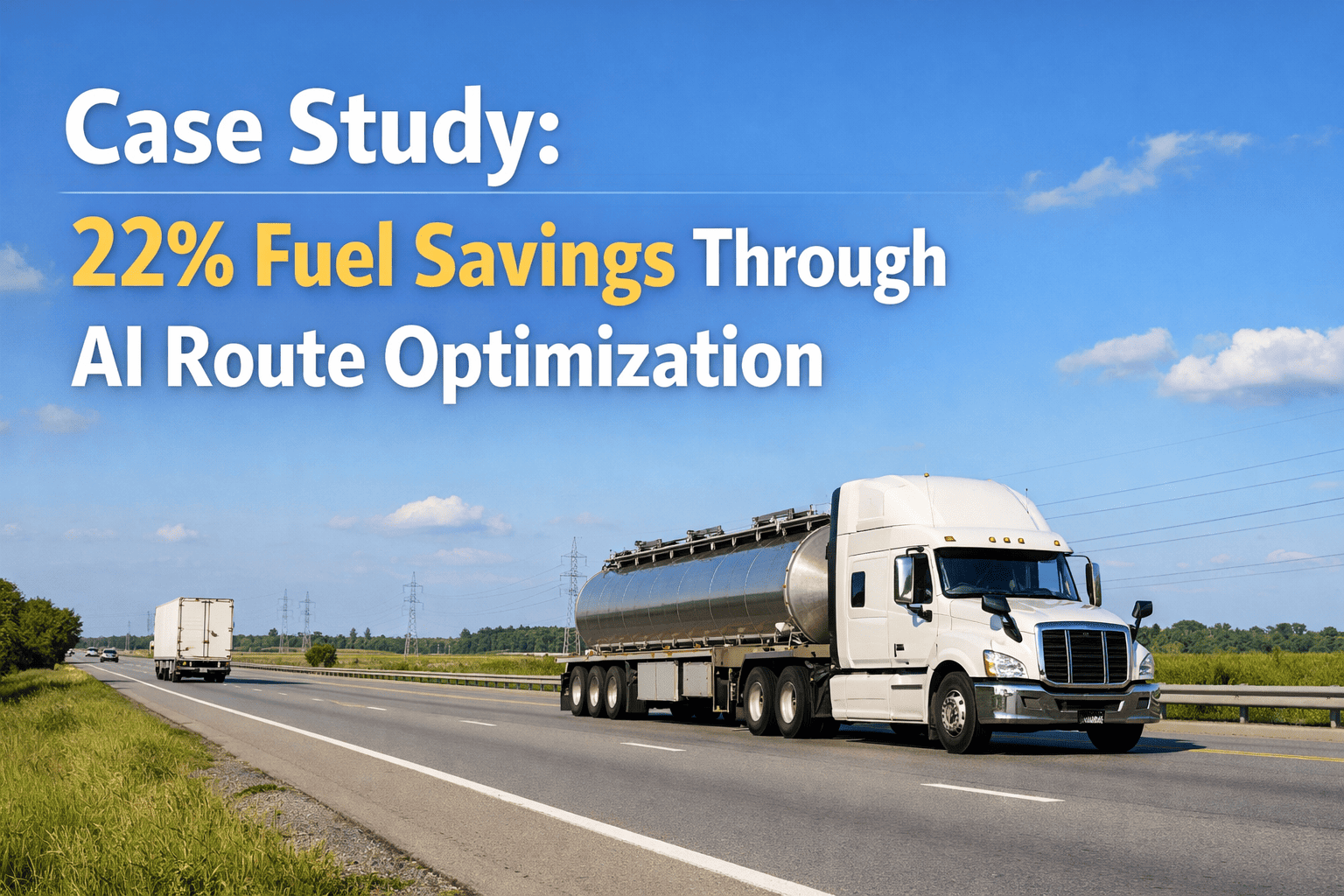
Fuel costs represent 24% of total fleet operating expenses, with the average commercial fleet spending over $70,000 annually per vehicle on fuel alone. From inefficient routing and aggressive driving to poor vehicle maintenance and excessive idling, fuel waste doesn't just drain your budget — it undermines profitability and sustainability goals. The good news? A systematic approach to fuel management can deliver 20%+ efficiency improvements and save fleets upwards of $50,000 per year. Oxmaint's Fuel Management and Monitoring system provides fleet managers with real-time visibility, automated alerts, and actionable insights to optimize every gallon.
Are Fuel
Per Vehicle
Improvement
Why Fleets Waste Fuel — And What It Costs You
Poor Driving Behaviors
Aggressive acceleration, excessive idling, and speeding waste up to 33% more fuel than efficient driving, costing fleets thousands in unnecessary expenses monthly.
Inefficient Routes
Unoptimized routing leads to excess miles, increased fuel consumption, and wasted driver hours that compound into significant annual losses.
Neglected Maintenance
Underinflated tires, dirty air filters, and poorly maintained engines reduce fuel economy by 10-25%, turning preventable issues into chronic fuel waste.
Your 5-Step Fuel Efficiency Workflow
Ready to Cut Fuel Costs by 20%?
Join fleet teams who've saved over $50,000 annually with Oxmaint's fuel management system.
Built for Maximum Fuel Efficiency
-
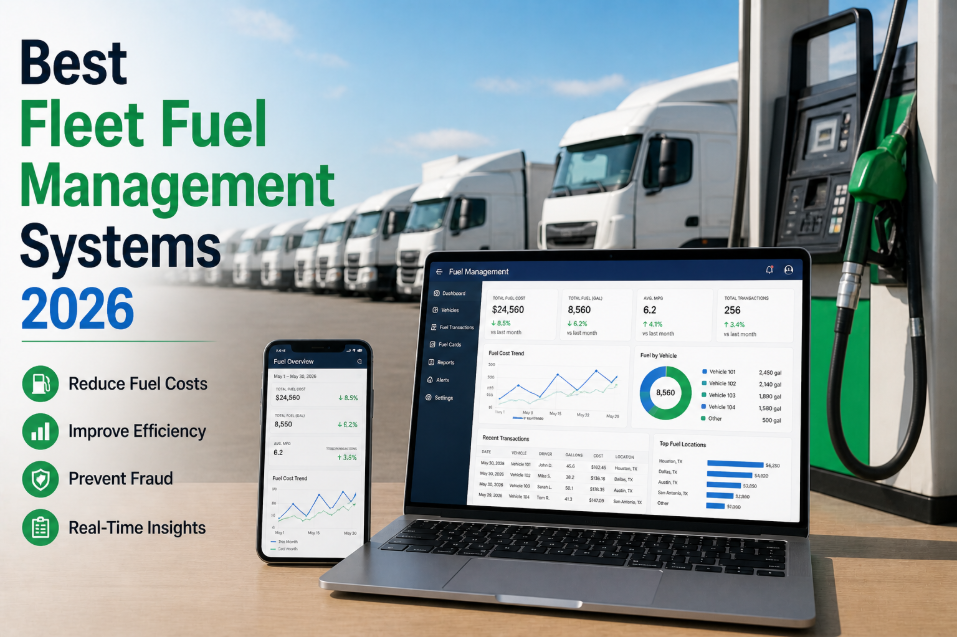
Real-Time Fuel Monitoring
Track fuel consumption, MPG trends, and anomalies instantly with automated alerts for unusual usage patterns or potential theft.
-
Driver Performance Scoring
Identify inefficient behaviors like excessive idling and harsh acceleration with individual scorecards and coaching opportunities.
-
Automated Maintenance Triggers
Never miss tire rotations, air filter changes, or oil services that directly impact fuel economy with scheduled alerts.
-
Fuel Card Integration
Sync fuel card data automatically to reconcile purchases, detect fraud, and analyze spending patterns without manual data entry.
Expected Improvements
Comprehensive Fuel Management Workflow Details
Fuel Consumption Analytics
Gain visibility into consumption patterns across vehicles, routes, and drivers with detailed breakdowns that identify waste sources and optimization opportunities.
- MPG tracking by vehicle and route
- Cost per mile calculations
- Fuel efficiency trend analysis
- Comparative performance benchmarks
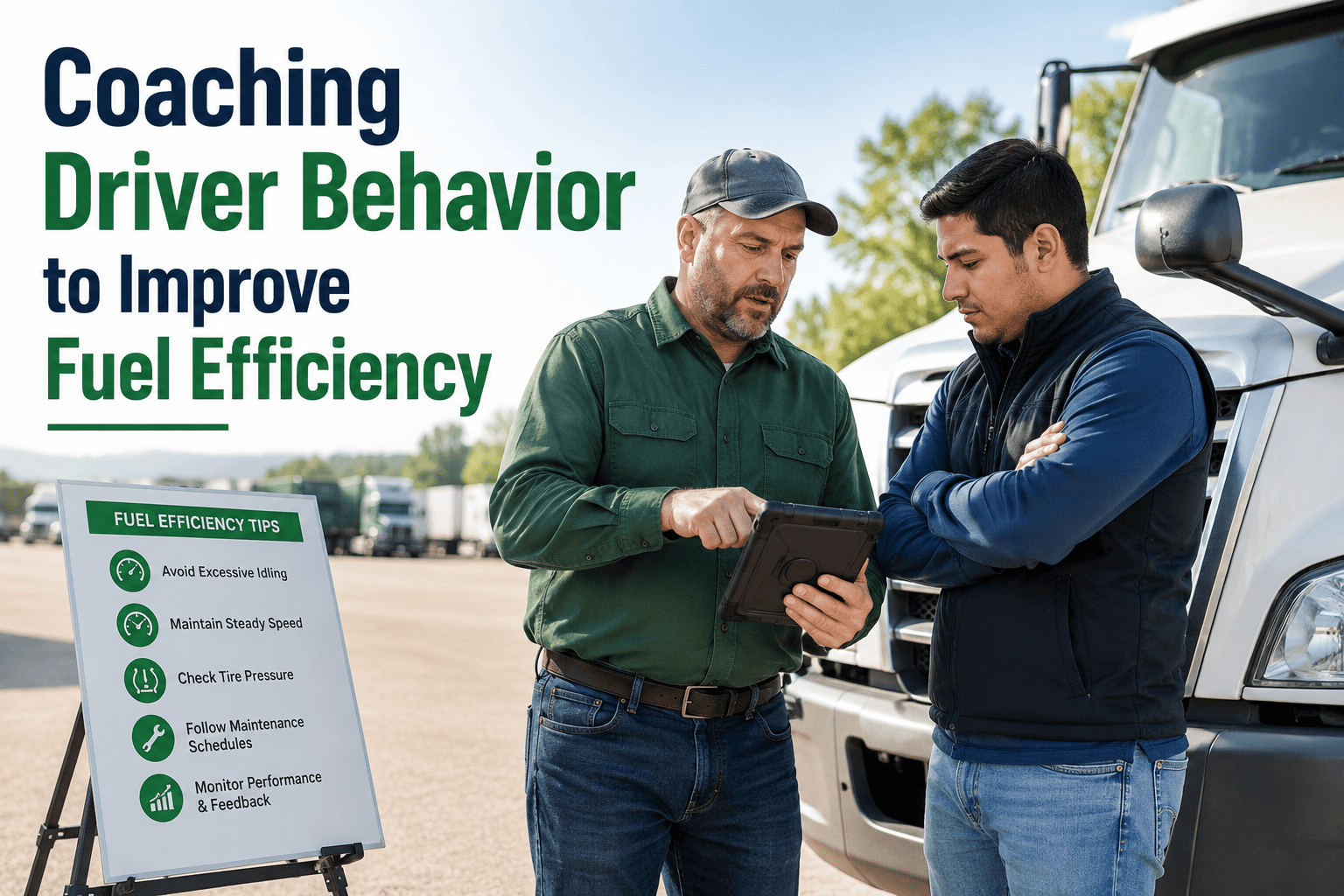
Driver Behavior Management
Monitor and improve driving habits that directly impact fuel consumption through scorecards, coaching alerts, and performance incentives.
- Speeding and harsh braking detection
- Idle time monitoring and reduction
- Acceleration pattern analysis
- Individual driver coaching reports
Route Efficiency Optimization
Analyze trip data to eliminate unnecessary miles, reduce backtracking, and implement the most fuel-efficient routing strategies for your fleet.
- Route distance and time analysis
- Traffic pattern consideration
- Stop sequence optimization
- Alternative route recommendations
Maintenance Impact Tracking
Correlate maintenance activities with fuel efficiency changes to understand which services deliver the highest ROI for fuel savings.
- Tire pressure optimization schedules
- Air filter replacement tracking
- Engine tune-up correlations
- Oil change quality monitoring
Fuel Efficiency Strategies in Your System
Eco-Driving Training
Educate drivers on smooth acceleration, optimal shift points, and anticipatory driving to improve fuel economy by 10-15%.
Tire Pressure Monitoring
Maintain optimal tire pressure with weekly checks and alerts. Proper inflation improves fuel economy by 3-5%.
Idle Time Reduction
Set idle time limits and automated alerts. Reducing idle from 30 to 5 minutes daily saves 5-10% in fuel costs.
GPS Route Optimization
Use real-time traffic data and historical patterns to select the most fuel-efficient routes and reduce unnecessary mileage.
Critical Fuel Efficiency Improvement Tasks
Daily Actions
Pre-Trip Tire Pressure Check
Verify tire pressure is at manufacturer specs before each trip to maximize fuel economy
Route Review & Optimization
Check traffic conditions and adjust routes to avoid congestion and unnecessary stops
Driver Behavior Monitoring
Review driver scorecards and provide real-time feedback on fuel-wasting behaviors
Weekly Tasks
Fuel Consumption Analysis
Review MPG trends, identify anomalies, and flag vehicles underperforming efficiency targets
Idle Time Report Review
Identify excessive idling patterns and coach drivers on shutdown protocols
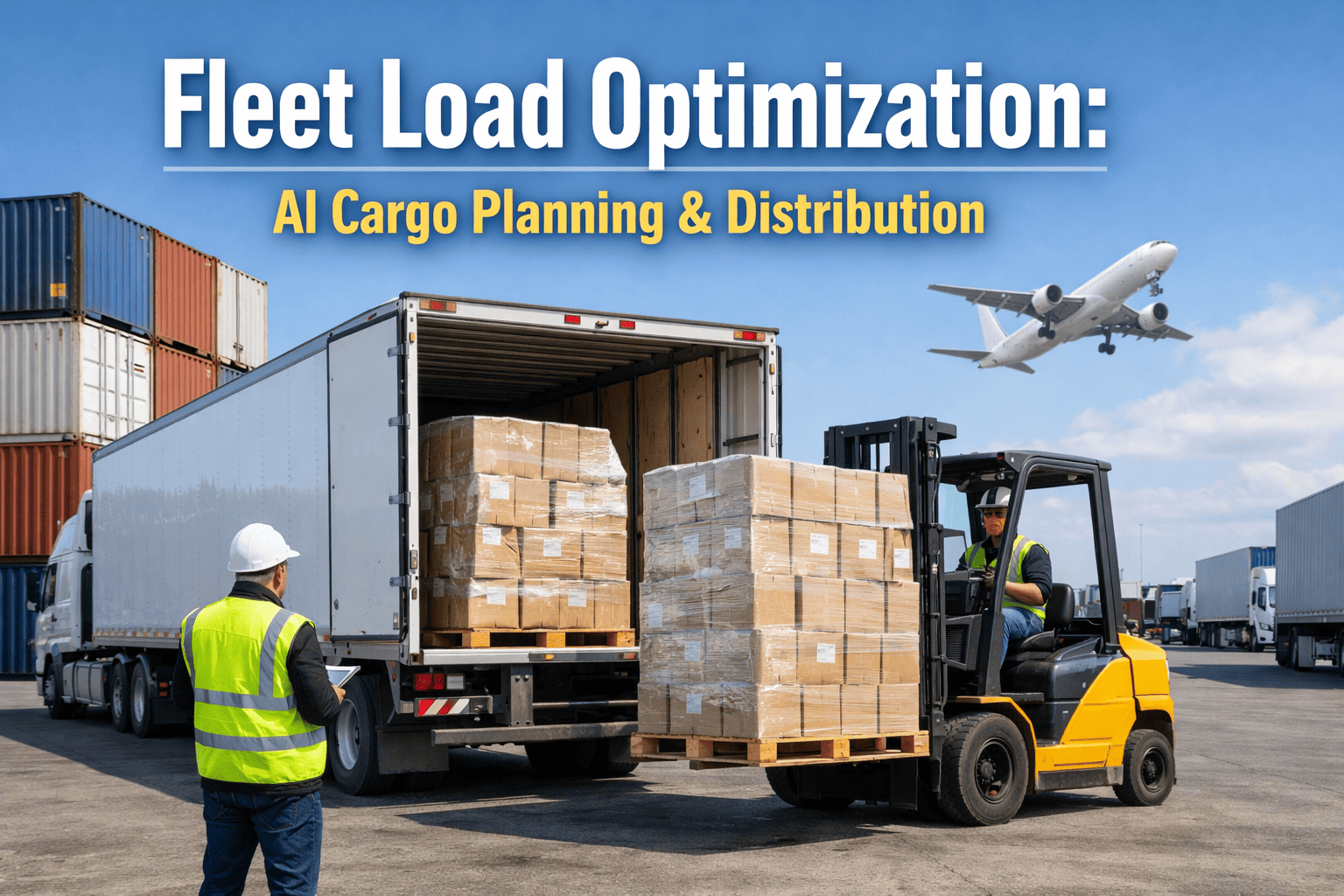
Vehicle Load Optimization
Remove unnecessary weight and equipment that increases fuel consumption
Monthly Actions
Air Filter Inspection
Check and replace dirty air filters that reduce fuel economy by 6-11%
Driver Performance Reviews
Conduct one-on-one coaching sessions with drivers scoring below efficiency benchmarks
Fuel Cost Analysis
Compare actual fuel spend against targets and adjust strategies to meet 20% reduction goals
Frequently Asked Questions
Start Saving on Fuel Today
Get instant access to driver scorecards, real-time fuel monitoring, and automated efficiency alerts designed to cut fuel costs by 20% or more.


-(1).png)