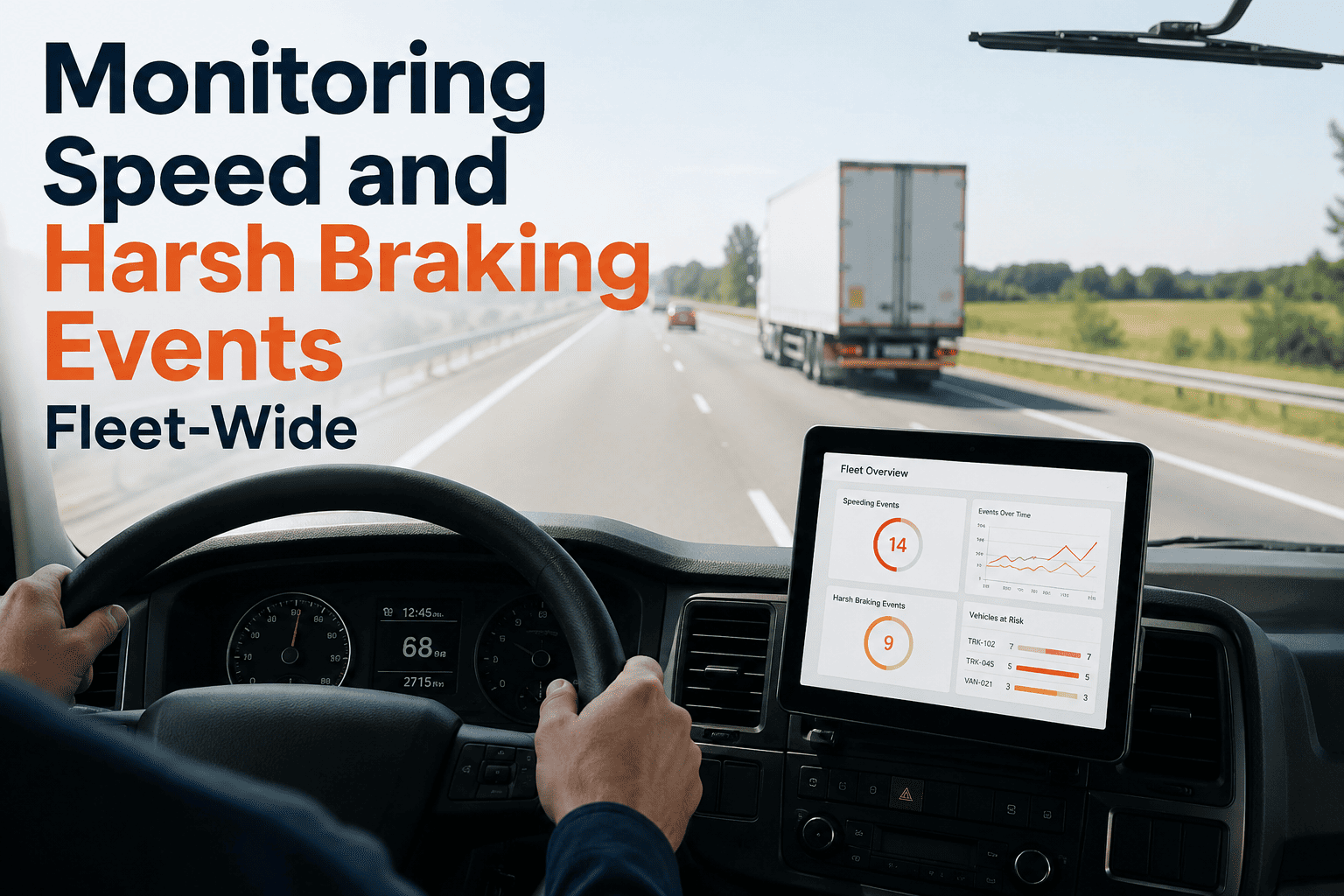
A regional delivery fleet running 40 vans watched diesel spend climb 18% over two quarters even though routes and fuel prices stayed flat. Telematics data pointed to the real cause: three drivers were responsible for more than half of all harsh-braking and rapid-acceleration events fleet-wide. It was never a routing problem or a maintenance problem — it was a behavior problem hiding inside ordinary-looking trip logs. Once the fleet manager began coaching those three drivers using event-based telematics data, monthly fuel spend dropped by $6,200 within eight weeks. If your fuel costs keep climbing without a clear reason, start a free trial with Oxmaint or book a demo to see how behavior coaching finds the leak.
Fuel Management / Driver Coaching / 2026 Fleet Guide
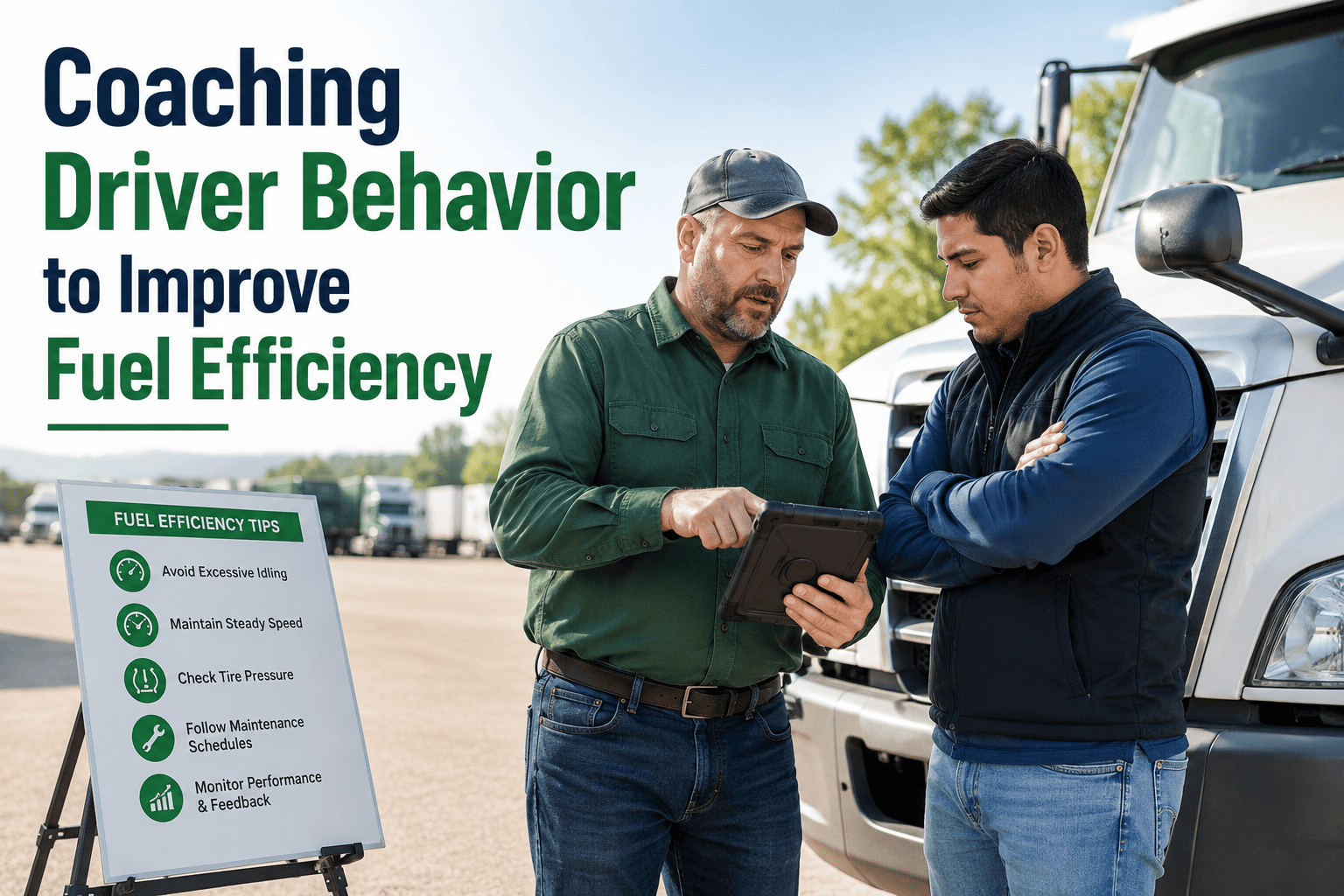
Coaching Driver Behavior to Improve Fuel Efficiency: The 2026 Fleet Manager's Guide
Harsh braking, rapid acceleration, and excessive speed quietly erase fuel budgets one trip at a time. This guide breaks down exactly how much each habit costs, how telematics-based coaching fixes it, and how fast a coaching program pays for itself.
30%
Fuel economy lost to aggressive driving at highway speed — U.S. Department of Energy
40%
Fuel economy lost to aggressive driving in stop-and-go traffic conditions
33%
Of fuel economy variance between similar vehicles explained by driver behavior alone
10%
Average MPG improvement fleets see once driver feedback and coaching begin
Behavior-Based Fuel Coaching
Turn Every Harsh Braking Event Into a Coaching Opportunity, Not Just a Data Point
Oxmaint connects telematics event data directly to driver scorecards and fuel cost reports, so a pattern of hard stops turns into a coaching conversation before it turns into a fuel bill nobody can explain.
Why Driver Behavior Matters More Than Route or Vehicle
Fleet managers chase fuel savings through route optimization, tire pressure checks, and engine maintenance — all of which help. But research shows driver behavior alone can account for up to a third of the fuel economy difference between two identical trucks running the same route. Two drivers in the same model vehicle, on the same road, can post a 20–30% MPG gap purely from how they accelerate, brake, and hold speed. That gap is invisible on a fuel receipt and easy to blame on traffic or weather — until the telematics data shows otherwise.
Six Driving Habits That Quietly Drain the Fuel Budget
01
Harsh Braking
Every hard stop wastes the energy spent accelerating up to speed. Braking late instead of coasting to a stop is one of the most fuel-expensive habits a driver can develop, and it compounds every time it happens.
Aggressive braking cuts fuel economy up to 40% in stop-and-go traffic
02
Rapid Acceleration
Flooring the accelerator pushes engine RPMs far higher than needed to reach cruising speed, burning fuel inefficiently in the process. Gradual acceleration reaches the same speed using meaningfully less fuel.
Rapid acceleration lowers highway fuel economy by 15–30%
03
Excessive Speed
Fuel economy drops sharply above 60 mph as aerodynamic drag increases. Every 5 mph driven over 60 costs roughly 0.7 MPG — a habit that adds up fast across 100,000+ annual miles.
Dropping from 75 to 65 mph improves fuel economy by up to 27%
04
Excessive Idling
An idling engine burns fuel while covering zero miles. Idling during loading, breaks, or waiting periods adds up to real cost with nothing to show for it on the odometer.
Idling burns roughly 0.8 gallons of fuel per hour for nothing
05
Inconsistent Speed
Constantly speeding up and slowing down forces the engine to repeatedly rebuild momentum. A steady, consistent speed is measurably more efficient than a stop-start driving rhythm on the same route.
Consistent speed around 50 mph delivers the best fuel economy
06
Tailgating and Short Following Distance
Following too closely forces reactive, last-second braking instead of gradual, planned slowdowns. It is one of the most common root causes behind a driver's harsh-braking event pattern.
Short following distance is the leading trigger for harsh-braking events
Uncoached Fleet vs. Coached Fleet: The Fuel Efficiency Gap
The table below compares outcomes across three levels of driver behavior management, from no visibility at all to telematics-based coaching connected directly to fuel and maintenance data.
How Oxmaint Turns Telematics Events Into Fuel Savings
01
Automatic Driver Scorecards
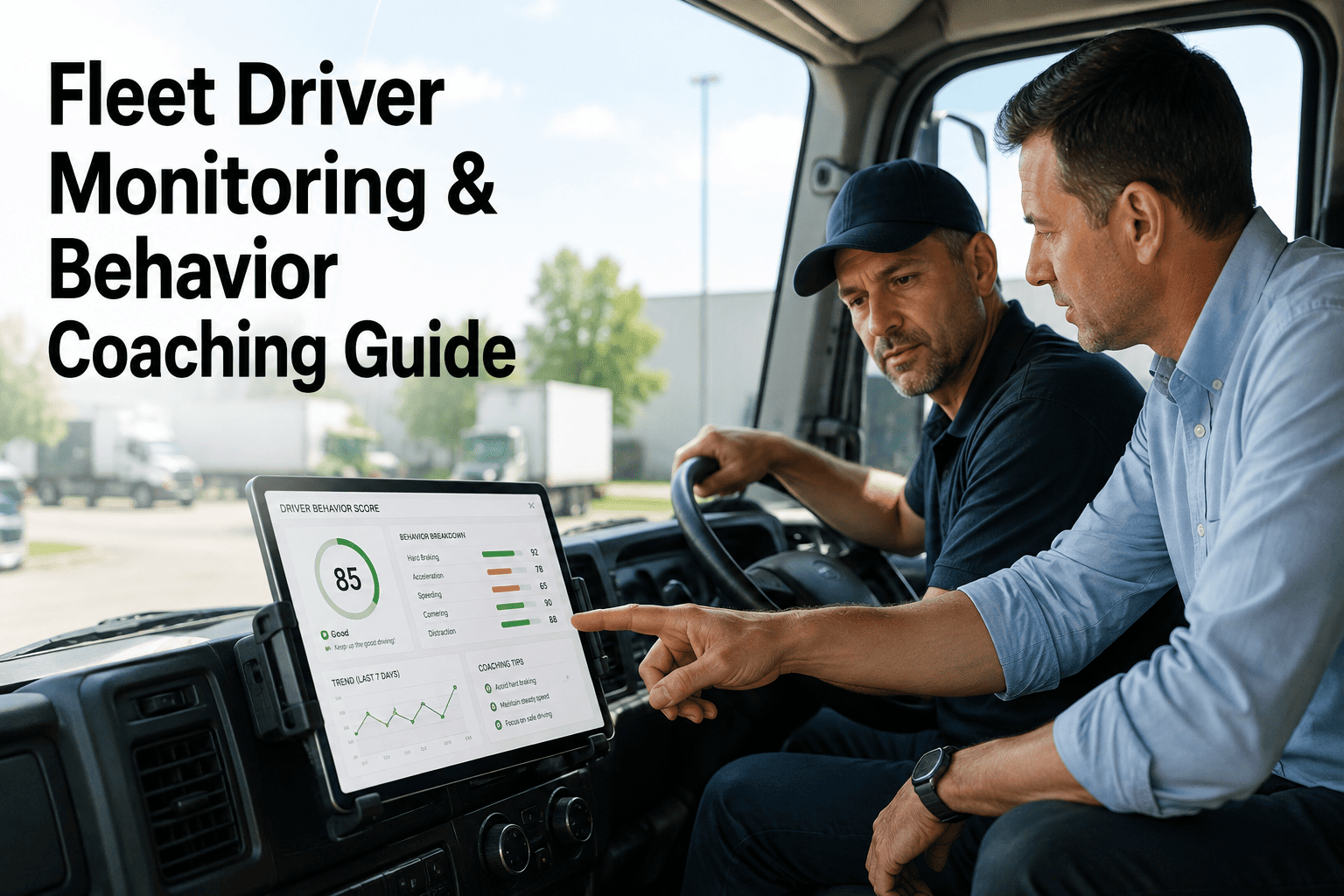
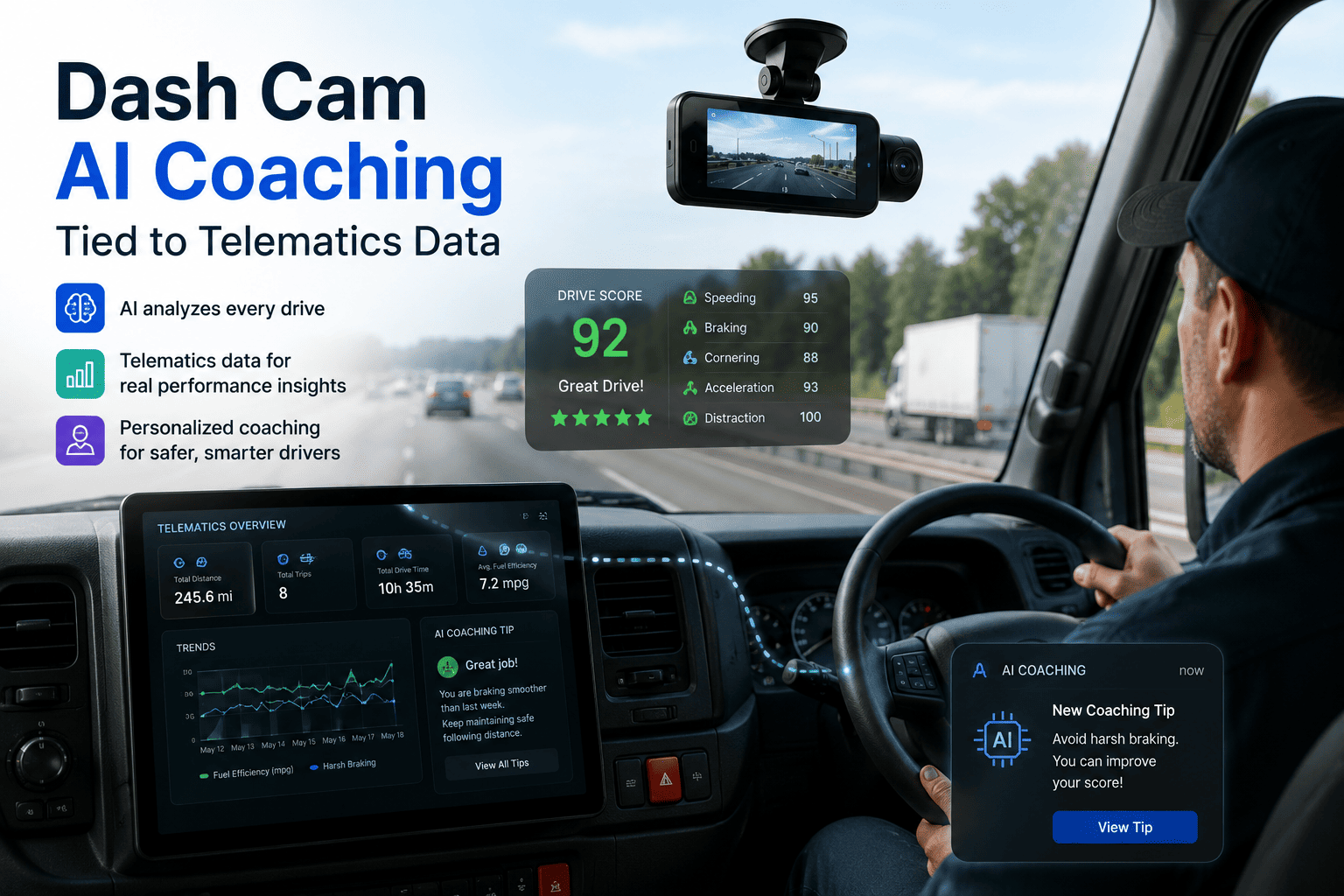
Every harsh-braking, rapid-acceleration, and speeding event is logged against the driver, not just the vehicle. Scorecards update automatically so managers see who needs coaching without digging through raw telematics logs.
02
Fuel Cost Tied to Driver Behavior
Oxmaint correlates each driver's event frequency with their actual fuel consumption per mile, showing fleet managers exactly which habits are costing money in dollars, not just event counts.
03
Benchmarking Against Fleet Average
Individual drivers are ranked against the fleet's own average MPG and event rate, so coaching conversations are grounded in the fleet's real numbers instead of generic industry targets.
04
Idling and Maintenance Correlation
Excess idle time and repeated hard-braking patterns are flagged alongside upcoming brake and tire maintenance, connecting fuel-wasting habits to the vehicle wear they eventually cause.
What a Coaching Program Actually Returns
10%
Average MPG gain
Fleets using driver feedback and coaching consistently see this improvement
$6,200
Monthly savings example
A 40-van fleet's fuel spend drop after coaching its three highest-event drivers
27%
Gain from speed alone
Fuel economy improvement from reducing cruising speed from 75 to 65 mph
8 weeks
Typical time to impact
Coaching programs usually show measurable fuel savings within two months
See Your Own Fuel Leak
Find Out Which Drivers Are Costing You the Most Before Next Month's Fuel Bill Arrives
Oxmaint pulls harsh-braking, acceleration, and idling data straight from your existing telematics feed and turns it into driver-level fuel cost reports within days of setup.
Frequently Asked Questions
How quickly can driver coaching improve fuel economy?+
Most fleets see measurable MPG improvement within four to eight weeks of starting event-based coaching. The fastest gains usually come from correcting the small number of drivers generating the most harsh-braking and speeding events.
Book a demo to see a realistic timeline for your fleet.
Do we need new hardware to start coaching driver behavior?+
No — Oxmaint works with the telematics and GPS data your fleet is already generating. There is no need to replace existing hardware; event data simply flows into driver scorecards and fuel reports.
Start a free trial to connect your existing data.
Will drivers push back against being scored on fuel behavior?+
Some initial resistance is normal, but it typically fades once drivers see the scoring is behavior-based and tied to coaching, not punishment. Framing it around fuel savings and safety, with clear benchmarks, drives faster buy-in than surprise reviews.
How much fuel economy can realistically be recovered?+
Fleets coaching aggressive driving behaviors typically recover 5–10% in fuel economy, with some drivers improving far more depending on how severe their starting habits were. Consistent coaching sustains the gain rather than losing it after a few weeks.
Can fuel coaching data also reduce maintenance costs?+
Yes — harsh braking and rapid acceleration accelerate brake and tire wear, so reducing those events also lowers unplanned maintenance spend. Oxmaint links these event patterns to upcoming service needs.
Try Oxmaint free to see this correlation on your own fleet.
Driver Coaching + Fuel Intelligence — Oxmaint
Every Trip Measured. Every Habit Coached. Every Gallon Accounted For.
Event-based driver scorecards, fuel cost correlation, and maintenance-linked coaching insights — turning telematics data into fuel savings your fleet can actually see.
10%
Average MPG improvement with coaching
40%
Fuel loss possible from aggressive driving
33%
Fuel variance explained by behavior alone
8 weeks
Typical time to measurable savings


.png)
.png)