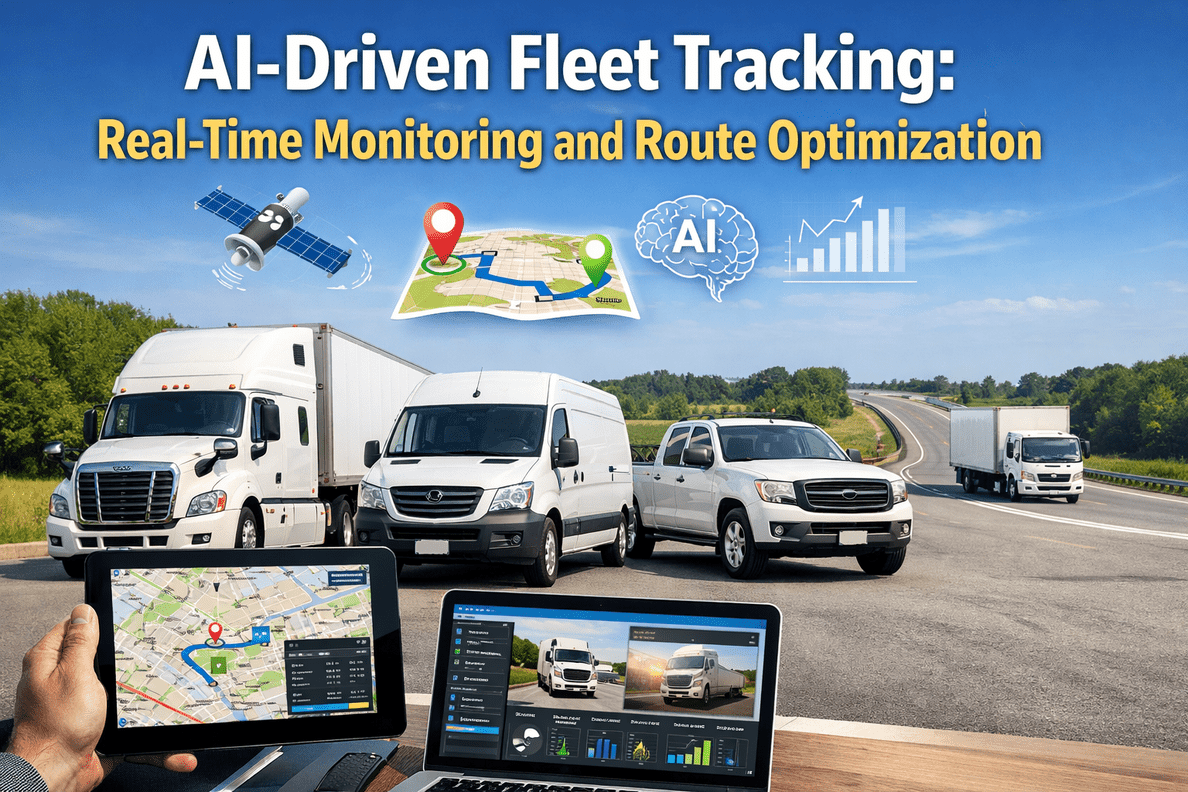
The last mile is where logistics battles are won or lost. It represents the final and most expensive leg of the delivery journey, consuming up to 53% of total shipping costs while directly impacting customer satisfaction. For fleet managers, this segment presents a complex puzzle: urban congestion, failed delivery attempts, rising fuel costs, and ever-shrinking delivery windows. Yet within these challenges lies an unprecedented opportunity. The integration of AI-driven route optimization, predictive maintenance, and real-time fleet intelligence is transforming how operations leaders approach last-mile logistics. Companies leveraging these technologies report 15-35% reductions in operational costs alongside significant improvements in on-time performance. The question is no longer whether to modernize, but how quickly you can implement solutions that turn your fleet into a competitive advantage.
The Last-Mile Challenge: Why Fleet Managers Are Feeling the Pressure
Last-mile delivery has evolved from a logistical necessity into a critical business differentiator. With e-commerce driving unprecedented demand, fleet managers face mounting pressure to deliver faster, cheaper, and more reliably than ever before. The complexity is staggering: urban traffic congestion, unpredictable customer availability, varying package sizes, and strict delivery windows create a dynamic environment where static planning simply fails.
Traditional route planning methods rely on historical averages and manual adjustments. When a driver calls in sick, traffic accidents block planned routes, or customers request last-minute changes, dispatchers spend hours firefighting instead of strategizing. Every failed delivery attempt costs money and erodes brand loyalty. Meanwhile, 53% of supply chain leaders are now using AI to address these disruptions, with another 31% testing solutions. Sign up today to stay ahead of this technological curve.
Traffic Congestion
Urban density creates unpredictable delays that static routes cannot accommodate
Failed Deliveries
Missed attempts increase costs by 15-20% per occurrence
Fuel Costs
Inefficient routing leads to excessive fuel consumption and emissions
Customer Expectations
Same-day and time-window deliveries require dynamic flexibility
AI-Powered Solutions: The New Standard in Fleet Management
The transformation begins with Agentic AI—systems that don't just create routes but continuously manage them through execution. Unlike traditional optimization that produces fixed plans requiring manual updates, modern AI monitors conditions in real-time and adjusts routes automatically when circumstances change. When a driver becomes unavailable mid-shift, the system instantly reassigns remaining stops across the fleet based on proximity, vehicle capacity, and delivery windows.
Machine learning algorithms analyze historical data, current traffic patterns, weather conditions, and customer preferences to predict service times with remarkable accuracy. DHL's implementation of AI in their Resilience360 platform achieved 90-95% accuracy in predicting arrival times. This level of precision allows fleet managers to provide customers with reliable delivery windows while optimizing driver schedules. Book a demo to see how predictive analytics can transform your operations.
Data Ingestion
Real-time traffic, weather, vehicle telemetry, and customer data
AI Processing
Machine learning models analyze patterns and predict optimal paths
Dynamic Routing
Automatic adjustments based on real-time conditions
Execution
Drivers receive optimized routes with predictive ETAs
Key Technologies Reshaping Last-Mile Operations
Predictive Maintenance
Algorithms analyze vehicle health data to predict maintenance needs before breakdowns occur. This minimizes downtime and extends fleet lifespan while ensuring deliveries remain on schedule. Sign up to implement predictive maintenance in your fleet.
Real-Time Visibility
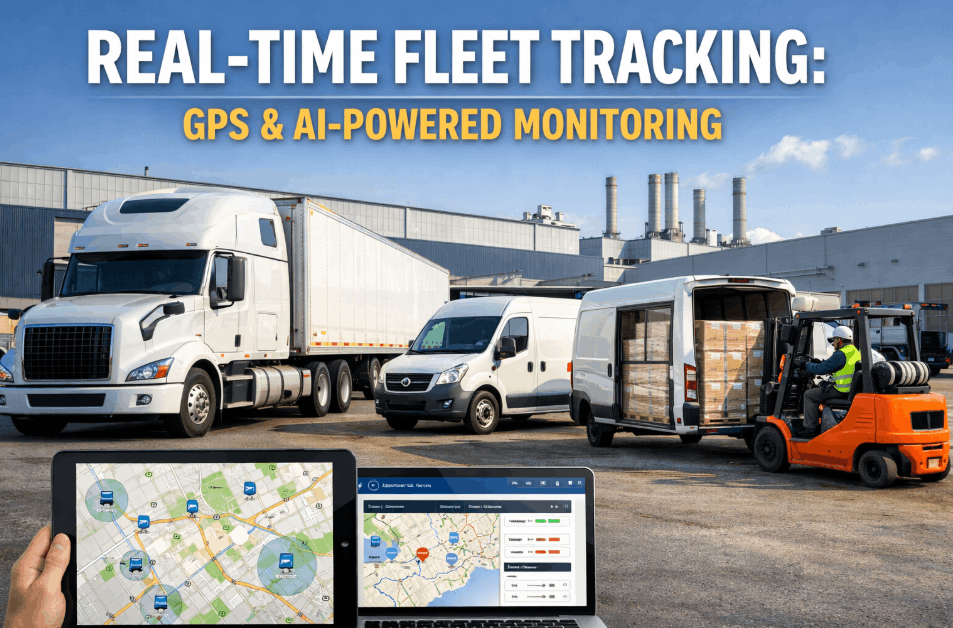
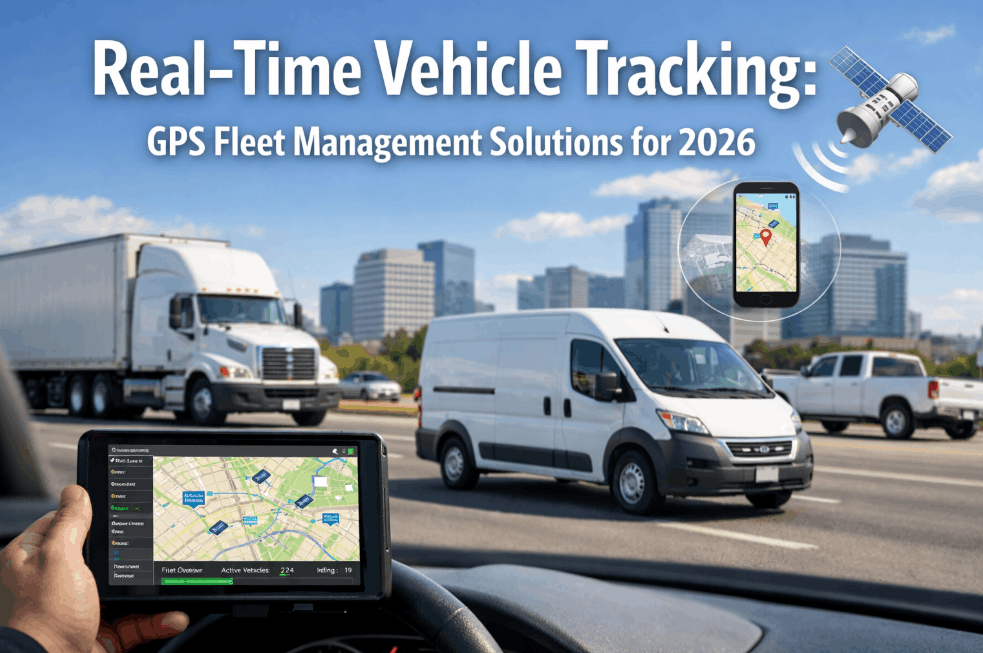
IoT sensors and GPS tracking provide complete visibility into fleet location, package condition, and delivery status. This transparency enables proactive communication with customers and rapid response to disruptions.
Constraint Optimization
Advanced algorithms balance multiple objectives simultaneously—delivery windows, vehicle capacity, driver hours, and fuel efficiency—to create routes that satisfy all operational requirements.
Autonomous Decision Making
Agentic AI handles routine replanning automatically, freeing dispatchers to focus on strategic exceptions. When traffic accidents block routes, the system recalculates paths without human intervention.
Ready to Optimize Your Fleet Operations?
Join leading fleet managers who are replacing guesswork with data-driven intelligence. Oxmaint provides the AI-powered tools you need to conquer last-mile challenges.
Measurable Impact: What Fleet Managers Can Expect
Implementing AI-driven route optimization delivers tangible results across multiple performance metrics. Organizations report significant improvements in operational efficiency, cost reduction, and customer satisfaction. The technology pays for itself through fuel savings alone, while the improvements in delivery success rates drive revenue growth through enhanced customer retention.
Electric vehicle integration represents another frontier where AI excels. As fleets transition to electric vehicles, AI systems manage unique constraints such as charging times, range limits, and battery optimization. This ensures that sustainability initiatives don't compromise operational efficiency. Book a demo to explore how our platform supports EV fleet management.
Implementation Strategy: From Legacy to Intelligence
Transitioning to AI-powered fleet management requires a strategic approach. Start by assessing current operations to identify specific pain points—whether that's high fuel costs, frequent delays, or customer dissatisfaction. Collect data on delivery times, vehicle usage, and driver performance to establish baseline metrics.
Select a platform that offers seamless integration with existing systems, real-time data analytics, and user-friendly interfaces. The best solutions adapt to changing conditions and provide actionable insights without requiring a dedicated data science team. Pilot the program on high-variability routes like urban last-mile or same-day delivery before rolling out fleet-wide. Sign up to start your pilot program today.
Week 1-2: Assessment
Audit current operations and identify optimization opportunities
Week 3-4: Integration
Connect existing systems and import historical data
Week 5-6: Pilot
Test on select routes with full team training
Week 7+: Scale
Roll out fleet-wide with continuous optimization
Frequently Asked Questions
How does AI route optimization differ from traditional GPS routing?
Traditional GPS provides static directions based on distance and general traffic patterns. AI route optimization continuously analyzes real-time data including traffic conditions, delivery windows, vehicle capacity, and historical performance to dynamically adjust routes. It can reoptimize mid-route when conditions change, predict accurate arrival times, and balance multiple operational constraints simultaneously.
What is the typical ROI timeline for implementing AI fleet management?
Most organizations see measurable improvements within the first 30 days, with full ROI typically achieved within 3-6 months. Fuel savings and reduced overtime costs usually provide immediate benefits, while improvements in customer satisfaction and retention generate long-term revenue growth. The exact timeline depends on fleet size, route complexity, and current operational efficiency.
Can AI fleet management integrate with our existing TMS and ERP systems?
Yes, modern AI fleet management platforms are designed for seamless integration with existing Transportation Management Systems (TMS), Enterprise Resource Planning (ERP) software, and telematics devices. API-based architectures enable data exchange between systems without disrupting current workflows. This integration ensures that AI insights enhance rather than replace your existing technology investments.
How does predictive maintenance work for delivery fleets?
Predictive maintenance uses IoT sensors and machine learning algorithms to monitor vehicle health indicators such as engine performance, brake wear, tire pressure, and battery status. By analyzing patterns in this data, the system predicts when components will require maintenance before failures occur. This approach reduces unexpected breakdowns, extends vehicle lifespan, and ensures deliveries remain on schedule.
What size fleet benefits most from AI optimization?
While enterprises with large fleets see significant absolute savings, small to mid-sized fleets often experience the highest percentage improvements. AI is particularly valuable for fleets with high route variability, tight delivery windows, or complex urban operations. Even fleets with as few as 10 vehicles can achieve substantial efficiency gains through optimized routing and reduced administrative overhead.
Transform Your Last-Mile Operations Today
Don't let outdated routing methods drain your profits and disappoint your customers. Join the fleet managers who are leveraging AI to turn last-mile challenges into competitive advantages.