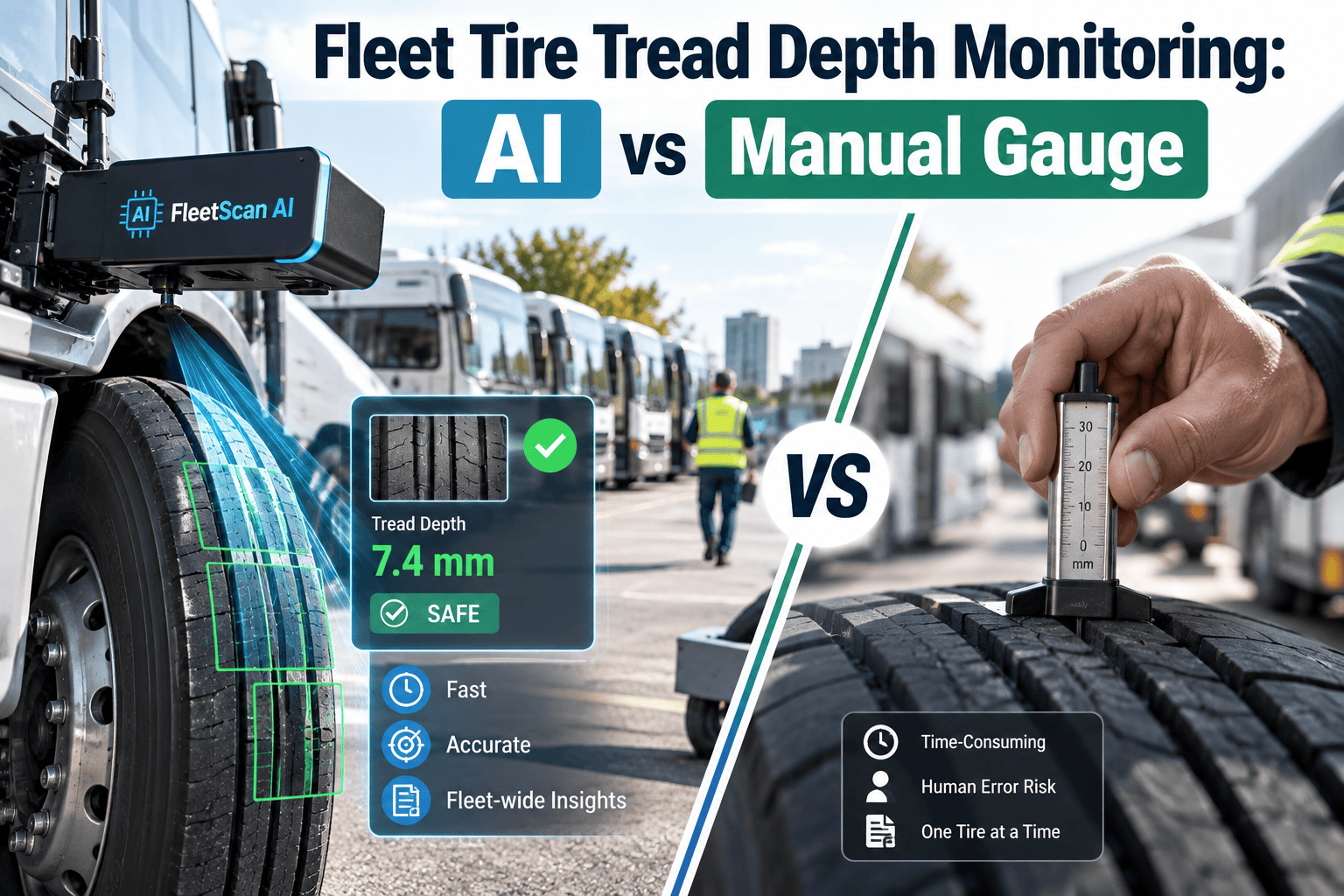
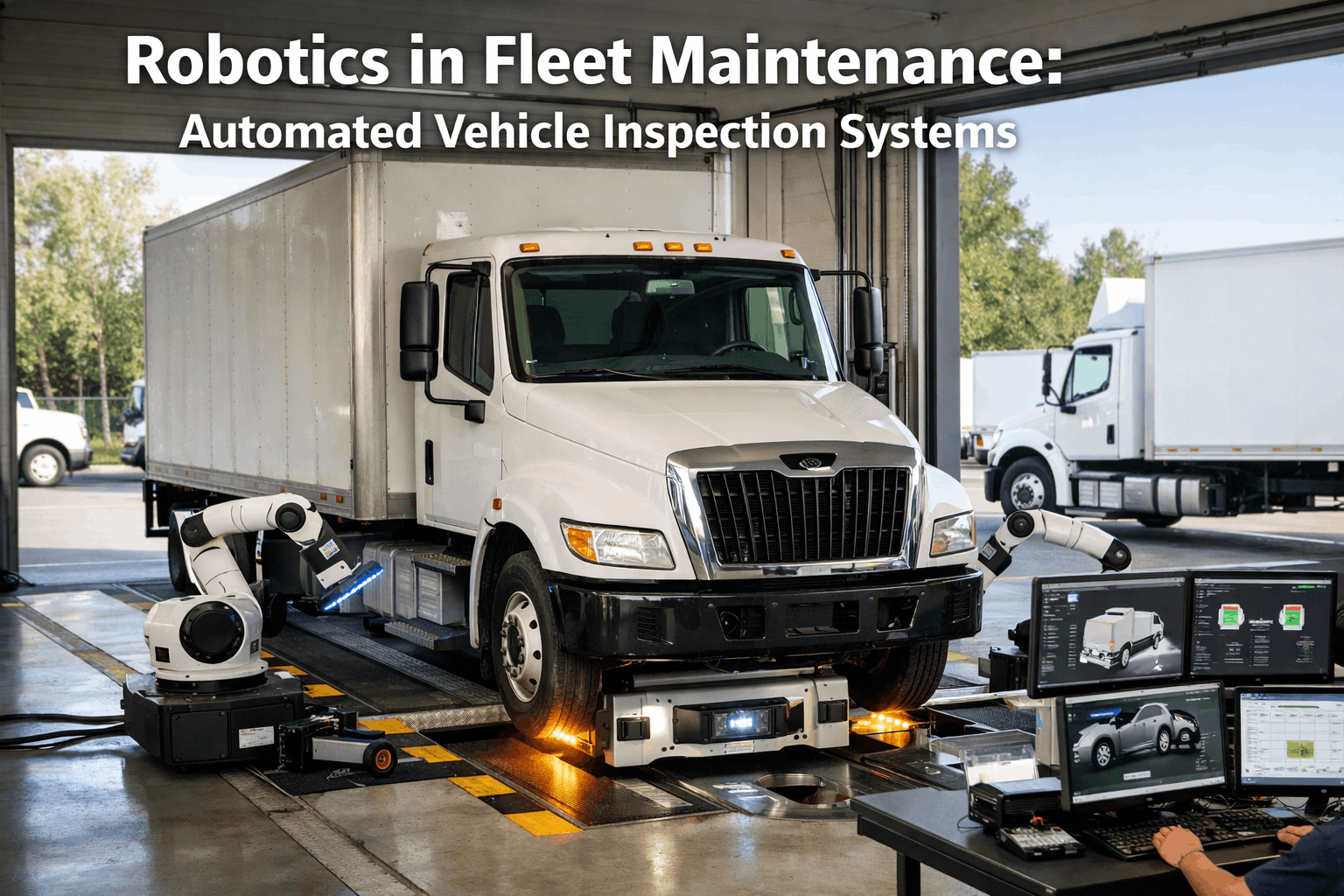
Tire-related breakdowns remain one of the leading causes of unplanned downtime in commercial fleets, costing operators thousands of dollars per incident in towing fees, delayed deliveries, and emergency repairs. In 2026, a new generation of robotic tire inspection systems is transforming how fleet managers monitor tread depth, detect sidewall damage, measure pressure levels, and predict failures before they happen. These AI-powered platforms use high-speed cameras, laser scanners, and deep learning algorithms to deliver inspection accuracy above 99%, far surpassing what manual checks can achieve. If your fleet still relies on visual walk-arounds and handheld gauges, it is time to explore the technology that is already protecting some of the world's largest fleets.
Why Traditional Tire Inspections Fall Short
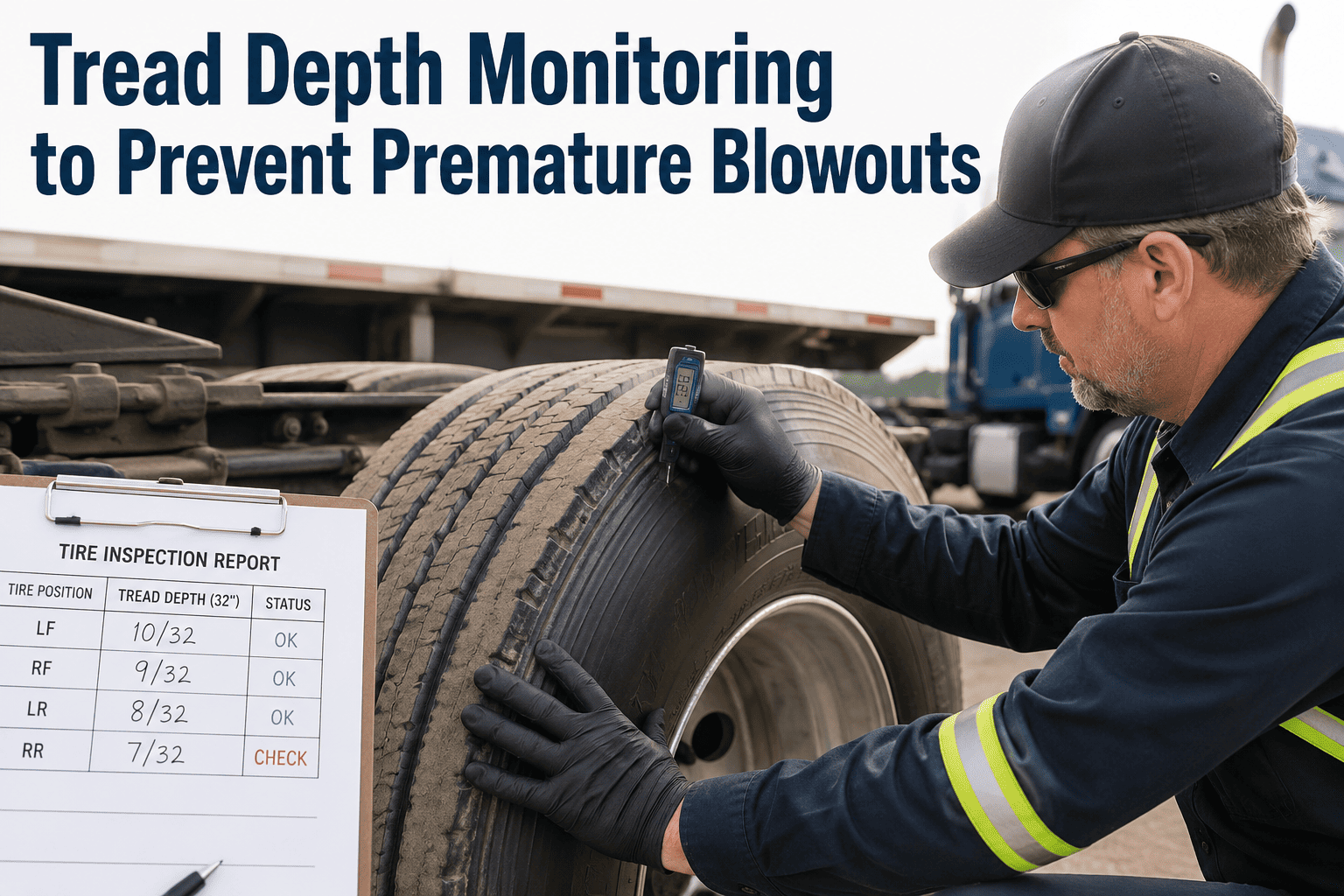
Manual tire inspections have served fleets for decades, but they come with significant limitations that modern operations can no longer afford. A technician performing a visual check can easily miss internal sidewall separations, early-stage tread cracking, or gradual pressure loss patterns that develop over weeks. Studies show that traditional inspection methods miss up to 30% of critical tire defects, especially in high-volume operations where hundreds of vehicles must be checked daily. The inconsistency between inspectors, fatigue during long shifts, and the pressure to keep vehicles moving all contribute to gaps in safety coverage.
Robotic tire inspection eliminates these human variables. Automated systems scan every tire to the same standard, every single time, regardless of how many vehicles pass through the inspection lane. For fleets looking to close these safety gaps and reduce liability, sign up for OxMaint to integrate automated inspection alerts directly into your maintenance workflow.
How Robotic Tire Inspection Works
Drive-Through Scanning
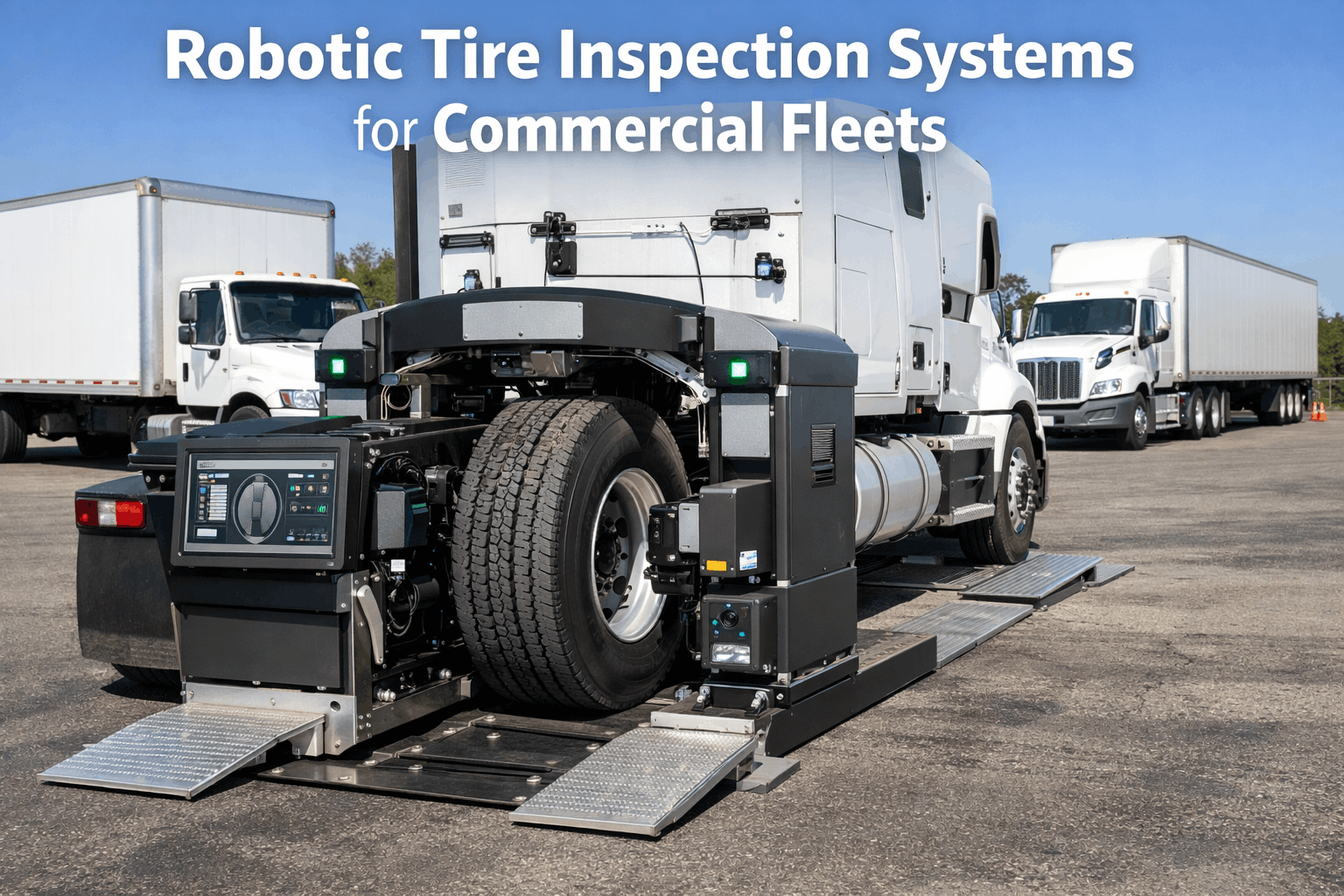
Vehicles pass over or through a sensor array at normal speed. High-resolution cameras and laser profilometers capture 360-degree images of every tire in under 5 seconds.
AI-Powered Analysis
Deep learning algorithms process captured data instantly, measuring tread depth to 0.1mm accuracy, identifying bulges, cuts, uneven wear patterns, and foreign object damage.
Real-Time Alerts
Results are instantly pushed to fleet dashboards and CMMS platforms. Critical issues trigger automatic work orders while trending data feeds predictive maintenance models.
Predictive Reporting
Historical data builds wear-rate models for each tire position, predicting optimal replacement windows and flagging alignment or load distribution issues across the fleet.
Top Robotic Tire Inspection Technologies in 2026
The market for automated tire inspection has expanded rapidly, with several standout technologies leading the charge in commercial fleet applications. Camera-based inspection systems currently dominate with approximately 45% market share, owing to their contactless accuracy and seamless integration with existing fleet infrastructure. These systems use machine vision combined with AI to detect surface defects including cracks, bulges, and dimensional inconsistencies with accuracy rates exceeding 99%.
Drive-over scanner platforms represent another major category. Companies like UVeye have expanded their AI-powered inspection systems to support Class 6 through 8 trucks and buses, offering automated multi-point inspection processes that cover tires, underbody components, and exterior surfaces in a single pass. Their technology is already trusted by major logistics operators and is reaching full commercial availability for heavy-duty fleets in 2026.
Sensor-embedded smart tire technology from manufacturers like Michelin uses in-tire sensors that continuously collect pressure, temperature, and wear data. This data feeds into predictive algorithms that identify anomalies and forecast when and where tire issues may occur, allowing maintenance teams to plan interventions during scheduled service windows rather than responding to roadside emergencies. Ready to bring this level of intelligence to your fleet? Book a demo to see how OxMaint connects with these inspection platforms.
Manual vs. Robotic Tire Inspection
Automate Your Fleet Tire Safety Today
OxMaint CMMS integrates with robotic inspection platforms to turn tire health data into automated work orders, predictive alerts, and compliance-ready reports. Stop reacting to breakdowns and start preventing them.
The Role of CMMS in Robotic Tire Management
Robotic inspection hardware generates enormous volumes of data, but data alone does not prevent breakdowns. The real value emerges when inspection results flow directly into a Computerized Maintenance Management System that can act on the findings automatically. A CMMS like OxMaint receives tire condition data in real time and applies rules-based logic to generate the right response: a critical tread depth reading triggers an immediate high-priority work order, while gradual wear trends schedule a tire rotation during the next planned service window.
This integration creates a closed-loop maintenance cycle. Inspection data feeds the CMMS, the CMMS generates work orders and assigns technicians, completed work updates the asset history, and historical data improves future predictions. Fleet managers gain a single dashboard view of tire health across every vehicle, with compliance documentation generated automatically for DOT and FMCSA audits. Fleets implementing CMMS with predictive maintenance capabilities typically see unplanned downtime reductions of 40 to 67 percent, with full return on investment within 8 to 18 months. Sign up for OxMaint and connect your tire inspection data to intelligent maintenance workflows.
Impact of AI Tire Inspection on Fleet Operations
Key Features to Look For in a Robotic Tire Inspection System
Not all automated tire inspection solutions are created equal. When evaluating systems for your commercial fleet, prioritize platforms that offer drive-through or drive-over scanning that requires no vehicle stopping or special positioning. The system should capture tread depth measurements across the full tire surface, not just sample points, to identify irregular wear patterns that indicate alignment or suspension issues. Look for AI models that improve over time by learning from your specific fleet data, adapting to your vehicle types, routes, and load profiles.
Integration capability is equally important. The best systems offer open APIs or native connectors to popular CMMS and fleet management platforms, enabling automatic work order generation without manual data entry. Mobile-accessible dashboards allow fleet managers and technicians to review tire health data from anywhere, while automated reporting keeps compliance documentation current without additional administrative effort. If you are evaluating inspection technology for your operation, book a demo with OxMaint to see how seamless CMMS integration works in practice.
Building a Predictive Tire Maintenance Strategy
The greatest benefit of robotic tire inspection comes when fleet operators move beyond simple pass-fail checks and build a complete predictive maintenance strategy around their tire data. This starts with establishing baseline measurements for each tire position across your fleet, then tracking wear rates over time against variables like mileage, route type, load weight, and weather conditions. AI analytics can then identify which vehicles are wearing tires faster than expected, flagging potential mechanical issues such as misalignment or suspension wear before they cause costly secondary damage.
Predictive tire models built on continuous inspection data allow maintenance teams to batch tire replacements strategically, ordering in bulk during optimal pricing windows and scheduling service during planned downtime rather than pulling vehicles from active routes. Many fleets report tire cost reductions of 20 to 40 percent within the first year of implementing AI-driven tire management, with full return on investment achieved within three to six months. Sign up for OxMaint to start building your predictive tire maintenance program with automated tracking and intelligent alerts.
Ready to Upgrade Your Fleet Tire Management
Join thousands of fleet operators who use OxMaint CMMS to connect robotic inspection data with automated maintenance workflows. Reduce tire costs, prevent breakdowns, and keep your fleet compliant effortlessly.
Real-World Applications Across Fleet Types
Robotic tire inspection technology serves a wide range of commercial fleet operations. Long-haul trucking companies benefit most from predictive blowout prevention, where continuous monitoring of tire temperature and pressure during transit can alert dispatchers to developing issues hundreds of miles before a potential failure. Last-mile delivery fleets use drive-through inspection lanes at distribution centers to scan every vehicle at the start and end of each shift, ensuring that high-frequency stop-and-go driving has not caused accelerated wear. Municipal transit agencies apply the technology to bus fleets carrying passengers, where tire safety is both an operational and a public safety concern.
Construction and mining fleets face unique tire challenges including puncture risks from debris, extreme load conditions, and operation on unpaved surfaces. For these applications, robotic inspection systems with enhanced sidewall scanning and thermal imaging capabilities detect internal damage that would be invisible during a standard visual check. Regardless of your fleet type, connecting inspection data to a CMMS platform ensures that every finding translates into trackable, auditable maintenance action. Book a demo to explore how OxMaint adapts to your specific fleet requirements.
Frequently Asked Questions
What is a robotic tire inspection system
A robotic tire inspection system is an automated platform that uses high-speed cameras, laser profilometers, and AI algorithms to scan commercial vehicle tires as they drive through or over a sensor array. These systems measure tread depth, detect sidewall damage, identify uneven wear patterns, and monitor pressure levels without requiring the vehicle to stop or a technician to perform a manual check. Results are delivered digitally in real time and can be integrated with CMMS platforms for automated maintenance scheduling.
How accurate are AI-powered tire inspections compared to manual checks
AI-powered tire inspection systems achieve defect detection accuracy rates of 99.5% or higher, compared to approximately 70% for manual visual inspections. Deep learning models can identify surface defects including micro-cracks, early-stage bulges, and embedded foreign objects that are typically invisible to the human eye. The consistency of automated inspection eliminates the variability between different inspectors and the fatigue-related errors common in high-volume fleet operations.
Can robotic tire inspection systems integrate with fleet management software
Yes, modern robotic tire inspection platforms are designed with open APIs and native integrations for CMMS and fleet management systems. When connected to a platform like OxMaint, inspection results automatically generate work orders, update asset maintenance histories, and feed predictive maintenance models. This closed-loop integration ensures that every tire finding results in a tracked, auditable maintenance action without manual data entry.
What types of commercial fleets benefit most from automated tire inspection
All commercial fleet types benefit from automated tire inspection, but the greatest ROI is typically seen in long-haul trucking fleets where blowout prevention saves significant towing and downtime costs, high-frequency delivery fleets where rapid daily scanning catches accelerated wear, transit agencies where passenger safety mandates consistent tire monitoring, and construction or mining fleets where harsh operating conditions increase the risk of tire damage that manual checks might miss.
How quickly do fleets see return on investment from robotic tire inspection
Most commercial fleets report measurable tire cost reductions of 20 to 40 percent within the first year of implementing AI-driven tire inspection and management. Full ROI is typically achieved within 3 to 6 months through a combination of prevented failures, optimized replacement scheduling, reduced emergency repair costs, and improved vehicle uptime. Fleets that integrate inspection data with CMMS platforms see additional savings through automated compliance documentation and reduced administrative overhead.
What does predictive tire maintenance involve
Predictive tire maintenance uses continuous data collection from sensors, inspection systems, and telematics to forecast tire performance and schedule replacements before failures occur. AI algorithms analyze variables including wear rate trends, temperature fluctuations, pressure changes, load patterns, and route conditions to predict when each tire will reach its service limit. This approach replaces reactive maintenance with planned interventions, reducing emergency repairs and allowing fleets to optimize tire purchasing through strategic bulk ordering.