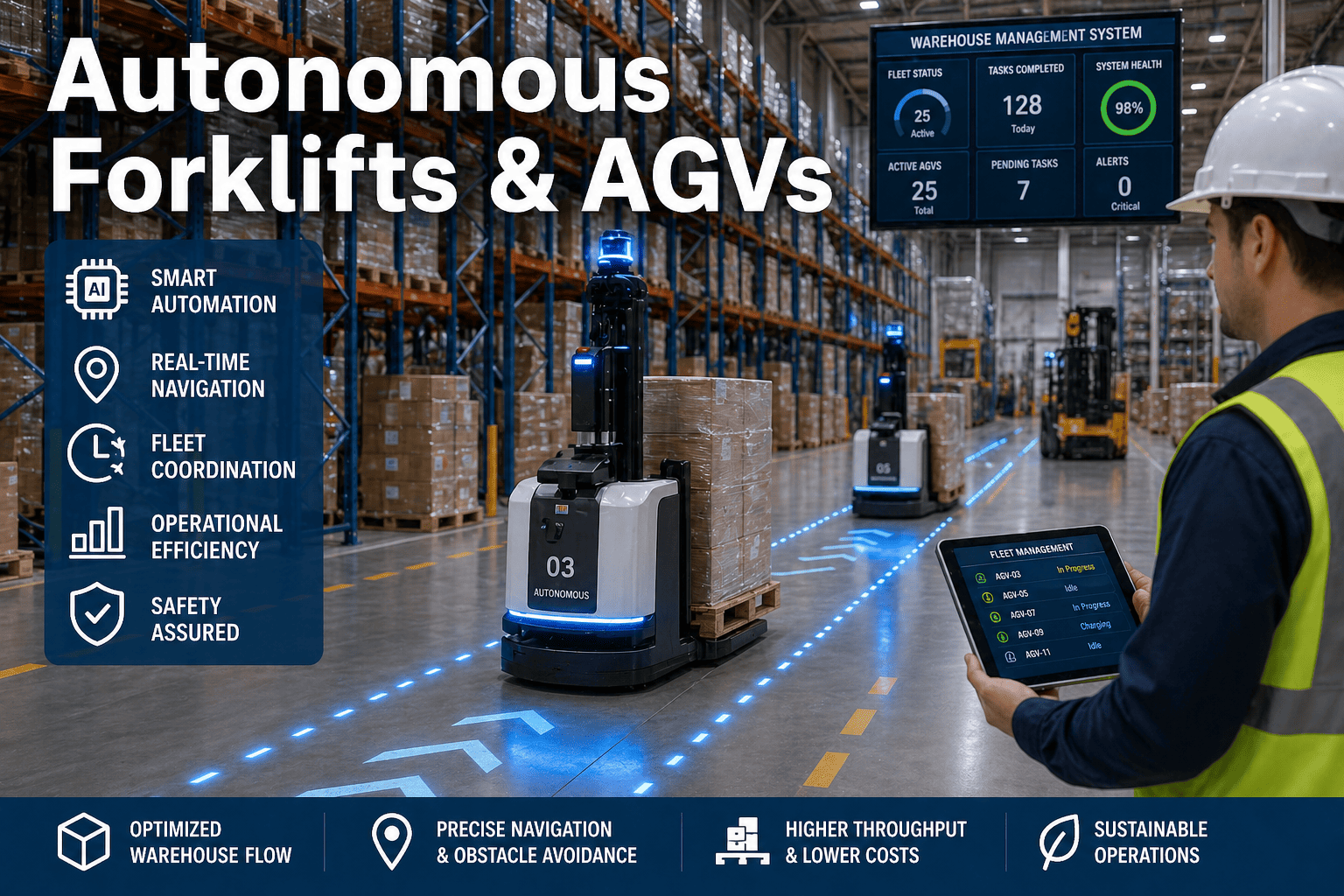
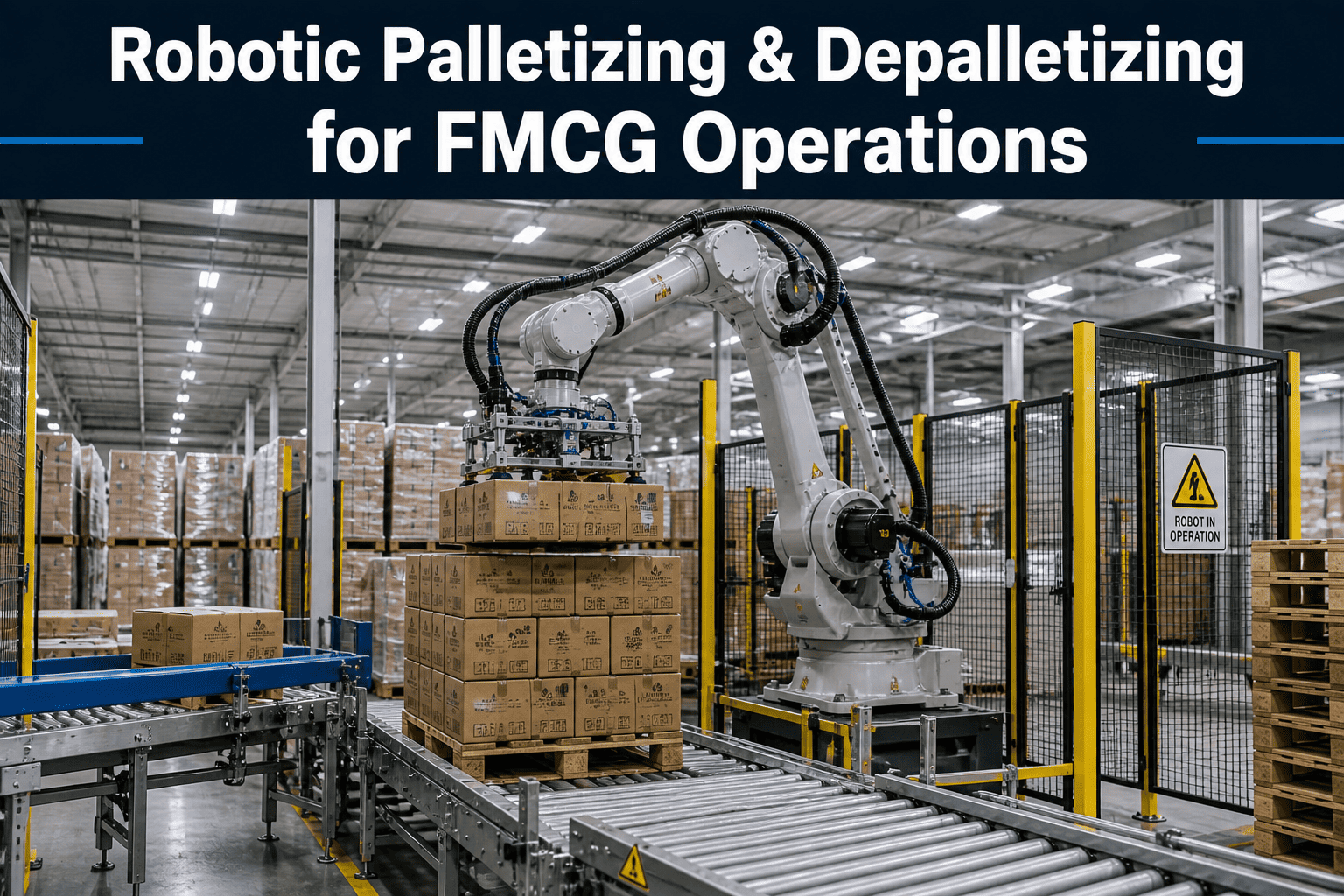
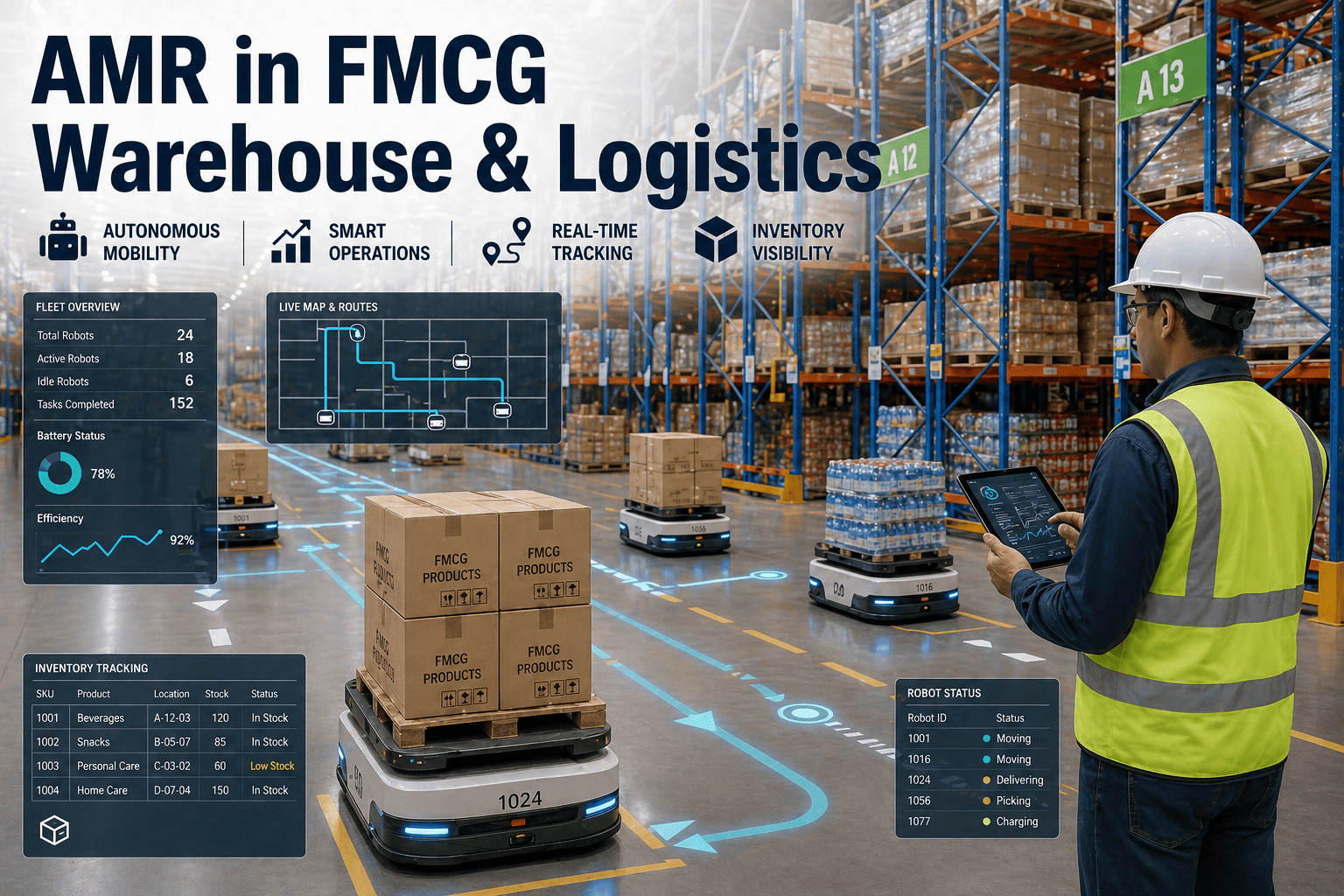
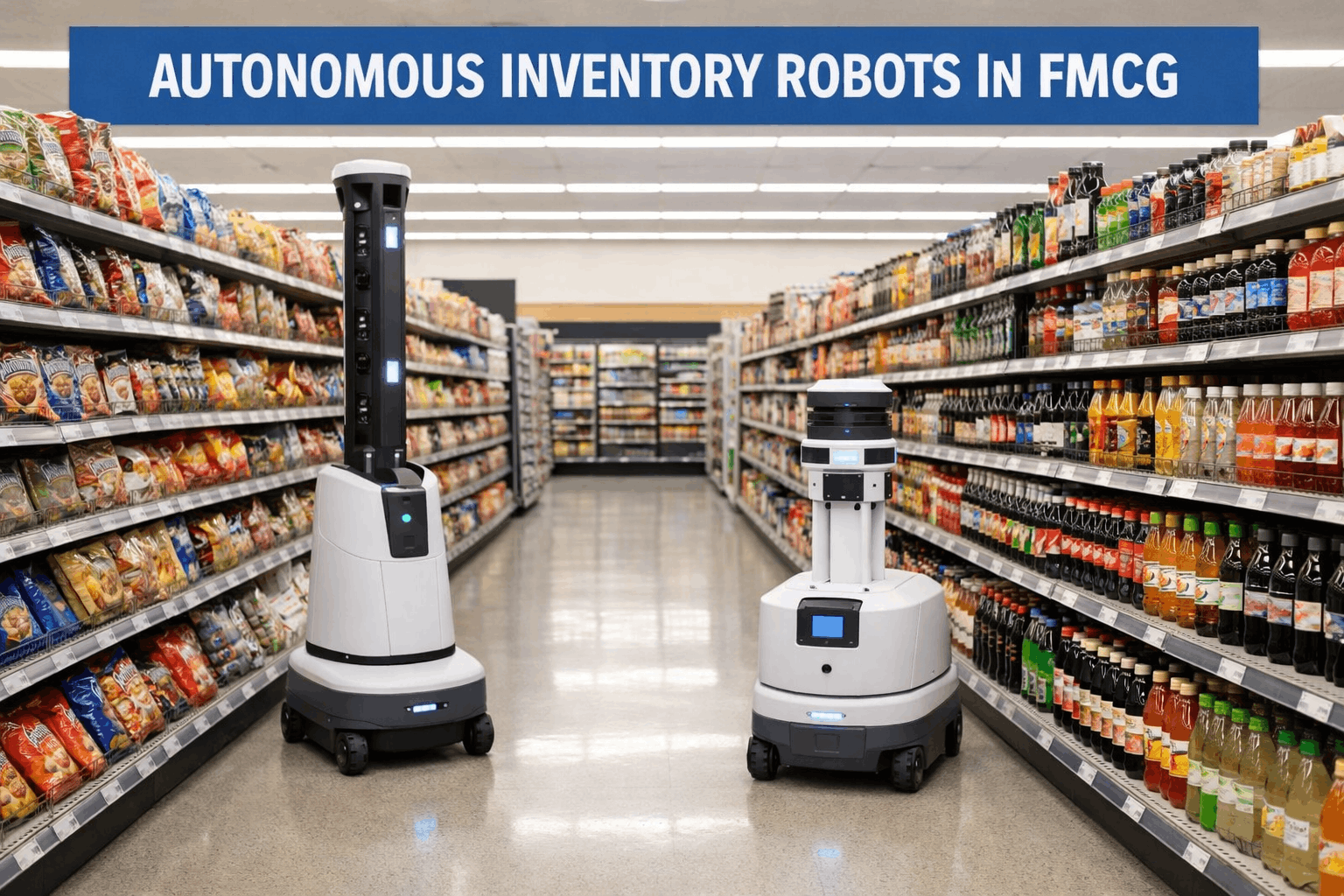
A warehouse forklift running 18-hour shifts is not infrastructure — it is a high-cycle mechanical asset with a finite service life, a predictable failure profile, and a cost-per-operating-hour that most FMCG operators have never calculated. Add autonomous operation and the asset becomes more complex, the failure modes become more diverse, and the maintenance gap between what most facilities do and what the manufacturer requires widens significantly. FMCG warehouses deploying AGV fleets and autonomous forklift systems routinely underestimate the operational maintenance demand — and pay for it in unexpected downtime, pallet damage events, and fleet availability rates that hover 15–20% below specification. Book a demo to see how Oxmaint structures AGV fleet maintenance, work order management, and availability tracking across FMCG warehouse operations.
Why This Matters Now
AGV deployment in FMCG warehouses is accelerating — labor costs, throughput demands, and operational consistency targets are all pushing toward autonomous material handling. But AGV availability depends entirely on the quality of the maintenance program behind it. A fleet running at 82% availability instead of 95% availability costs the equivalent of two full AGV units sitting idle — without the capital expense of buying them. Oxmaint converts autonomous fleet maintenance from a reactive headache into a managed, predictable operation.
95%+
Fleet availability target for FMCG AGV systems — most unmaintained fleets run 78–84%
40%
reduction in warehouse labor costs reported by FMCG operators after full AGV fleet deployment
3x
higher pallet throughput per shift for autonomous forklifts versus manually operated equivalents in structured warehouse lanes
18-mo
typical ROI payback period for FMCG AGV deployment when fleet availability exceeds 92% — extends to 28+ months below 85%
The Four AGV Architectures Running FMCG Warehouses
Not all AGVs are equal — and their maintenance profiles are not interchangeable. A unit-load AGV carrying pallet loads at 1.5 m/s on a laser-guided fixed route has entirely different wear patterns than a reach truck AGV navigating narrow aisles with SLAM navigation. The mistake most facilities make is applying one generic PM schedule to all autonomous vehicles in the fleet. Oxmaint supports asset-type-specific PM templates that match each vehicle's actual mechanical and navigation system demands. Start a free trial and build your AGV fleet registry in Oxmaint with manufacturer-spec PM templates from day one.
Pallet Mover AGV
Ground-Level Pallet Transport
Low-profile AGVs for floor-level pallet movement between staging, dock, and storage areas. High cycle frequency — 80–120 pallet moves per shift. Drive wheel wear, fork carriage lubrication, and battery health are the primary maintenance variables.
PM Interval250 hrs or 5,000 cycles
Critical CheckDrive wheel diameter — 5mm wear tolerance
Reach Truck AGV
High-Racking Autonomous Operation
Narrow-aisle reach AGVs for high-bay racking environments. Mast chain tension, reach carriage lubrication, and LIDAR calibration are the critical PM requirements. Navigation accuracy degrades first — before mechanical failure — when calibration is deferred.
PM Interval500 hrs or quarterly
Critical CheckLIDAR calibration — 2mm positioning tolerance
Counterbalance AGV
Heavy Load Autonomous Forklift
Full-size autonomous counterbalance trucks for dock loading, yard operations, and cross-dock transfer. Heaviest maintenance demand in the fleet — hydraulic system, tilt cylinders, and overhead guard sensors require systematic inspection at defined intervals.
PM Interval400 hrs or per manufacturer spec
Critical CheckHydraulic fluid condition — contamination is silent
Tow AGV
Train and Cart Transport
Tugger AGVs pulling cart trains for production supply, milk-run distribution, and kitting replenishment in FMCG facilities. Hitch coupling wear, guidance antenna condition, and battery state of health are the dominant PM items on high-utilization tow routes.
PM Interval200 hrs — highest utilization class
Critical CheckHitch coupling play — 3mm tolerance breach = safety stop
The Fleet Maintenance Gaps That Destroy AGV ROI
AGV deployments fail to hit ROI targets for one consistent reason — the fleet availability assumption in the business case was built on manufacturer specification, not on the maintenance program the facility actually runs. The five failure patterns below appear in nearly every FMCG AGV deployment that falls short of projected returns.
01
Battery Health Is Not Managed as an Asset
Lithium-ion and lead-acid traction batteries in AGVs degrade with charge cycles. A fleet with 18-month-old batteries operating at 72% state of health delivers 28% shorter operational shifts than a fleet with new batteries — but no one notices until throughput drops below target. Battery health tracking per unit is a core PM requirement, not an optional add-on.
02
Navigation Calibration Deferred Until Failure
LIDAR, camera, and reflector-based navigation systems drift with temperature cycling, minor impacts, and sensor contamination. The AGV slows its travel speed as positioning confidence degrades — reducing throughput invisibly — before triggering a full stop. Calibration scheduled on operating hours, not calendar months, prevents the productivity erosion that precedes hard failures.
03
Wear Parts Run to Failure Across the Fleet
Drive wheels on a pallet AGV running 80 cycles per shift degrade at a measurable rate. At 5mm of wear, the vehicle drops to reduced speed. At 8mm, it stops. Most fleets replace drive wheels reactively — losing one to two vehicles per incident. Fleet-wide wheel tracking with replacement at 4mm eliminates reactive downtime entirely.
04
No Fleet-Level Visibility Across Shifts
Night shift runs at lower supervision levels. AGV fault events are logged by the fleet management system but not converted into maintenance work orders. Morning maintenance team arrives without a fault summary, reviews the fleet management system manually, and starts work 45–90 minutes into the shift. That delay runs every day, on every fault event, across every shift handover.
What Oxmaint Delivers for AGV Fleet Operations
Oxmaint does not replace your AGV fleet management system — it is the maintenance operations layer that sits above it. Fleet management controls routing, traffic, and task assignment. Oxmaint manages the asset health, PM compliance, work order execution, and spare parts inventory that determines whether those vehicles are available to accept tasks in the first place. Start a free trial and build your first AGV maintenance program in under two weeks — with full fleet visibility on day one.
Fleet Registry
Per-Vehicle Asset Hierarchy
Each AGV registered with model, serial number, installation date, and component hierarchy — drive system, battery pack, navigation sensors, forks or carriage. Failure history and PM records attached at vehicle level, not just fleet level. Root cause trends emerge from data across the fleet.
PM Scheduling
Operating-Hour-Based PM Triggers
PM work orders triggered by actual operating hours pulled from fleet management system integration. A vehicle running double shifts hits its PM interval in half the calendar time. High-utilization AGVs receive appropriate maintenance frequency — without manual tracking or oversight from the maintenance team.
Battery Management
Battery Health Lifecycle Tracking
Each battery pack tracked with cycle count, state of health trend, and replacement forecast. Fleet-wide battery health dashboard identifies which vehicles are approaching replacement threshold before performance degradation affects throughput. Battery replacement decisions are data-driven, not guesswork.
Work Orders
Fault-Code-to-Work Order Routing
AGV fault codes from fleet management systems trigger automatic work orders in Oxmaint — routed to the right technician with fault code history, last PM record, and parts availability confirmed. Shift handover no longer means a 90-minute fault review delay. Technicians start work immediately at shift start.
Spare Parts
AGV-Specific MRO Inventory
Drive wheels, fork rollers, sensor lenses, hydraulic seals, and battery cells tracked per vehicle model with minimum stock levels and automatic reorder triggers. Lead time buffers calculated from usage rate and supplier lead time — the right part is always on the shelf when the work order fires.
Analytics
Fleet Availability Dashboard
Fleet availability, MTBF, MTTR, and downtime by fault category tracked per vehicle and per fleet in real time. Multi-site dashboards compare AGV performance across distribution centers. Identify which vehicles are dragging the fleet average down — and why — before they require major repair or replacement.
Reactive AGV Maintenance vs Oxmaint-Managed Fleet
AGV Fleet Performance — What 90 Days of Structured Maintenance Delivers
Fleet Availability
+13%
Average fleet availability gain from 82% to 95%+ when operating-hour PM replaces calendar PM. On a 20-vehicle fleet, that is the equivalent of 2.6 additional vehicles available every shift — without capital purchase.
Unplanned Downtime
-58%
Unplanned stoppages per month reduced across the fleet. Drive wheel, battery, and navigation failures — the three most common reactive downtime sources — are addressed in planned PM windows, not during production hours.
Maintenance Labour Hours
-35%
Technician hours per fault event reduced when spare parts are confirmed available, fault history is attached to the work order, and PM work is planned rather than reactive. Less diagnostic time, more execution time.
ROI Payback Period
-4 mo
AGV deployment ROI payback accelerated by 4 months on average when fleet availability exceeds 93%. The availability gap between projected and actual is the single largest variable in AGV payback timeline.
Frequently Asked Questions
QHow does Oxmaint connect with existing AGV fleet management systems?
QCan Oxmaint manage mixed fleets with different AGV brands and navigation types?
Yes. Each vehicle is configured as a distinct asset with its own PM template, component hierarchy, and trigger conditions. A fleet with KION laser-guided pallet movers, Jungheinrich reach truck AGVs, and legacy wire-guided tow vehicles all operate in the same Oxmaint instance with type-specific PM schedules. Brand and navigation type are asset attributes — the platform manages all variants simultaneously.
QHow does battery lifecycle tracking work in practice across a large fleet?
Each battery pack is registered as a child asset under the AGV it is fitted to. Charge cycle counts are pulled from the fleet management system or BMS integration and logged against the battery asset record. State of health trend is tracked over time, with automated alerts when degradation rate suggests replacement within 60 days. For fleets running hot-swap battery programs, battery assets are tracked independently from the AGV chassis — the swap history shows which vehicles have run with degraded batteries and for how long.
QWhat does deployment look like for a 30-vehicle FMCG warehouse fleet?
Typical deployment for a 30-vehicle FMCG warehouse fleet runs 2–3 weeks. Week 1 covers asset registration, PM template configuration per AGV type, and fleet management system integration. Week 2 activates work order routing, spare parts inventory setup, and technician mobile onboarding. Week 3 completes the battery tracking module and fleet availability dashboard configuration. Full PM history data is live from day one — legacy paper records can be migrated during the second month.
Your AGV Fleet ROI Depends on Availability. Availability Depends on Maintenance.
Oxmaint connects your AGV fleet data to structured maintenance operations — operating-hour PM, battery lifecycle tracking, fault-to-work-order routing, and spare parts inventory — so your autonomous fleet delivers the throughput the business case promised.
Fleet Availability Tracking
Battery Lifecycle Management
Operating-Hour PM Triggers
Fault-to-Work-Order Routing