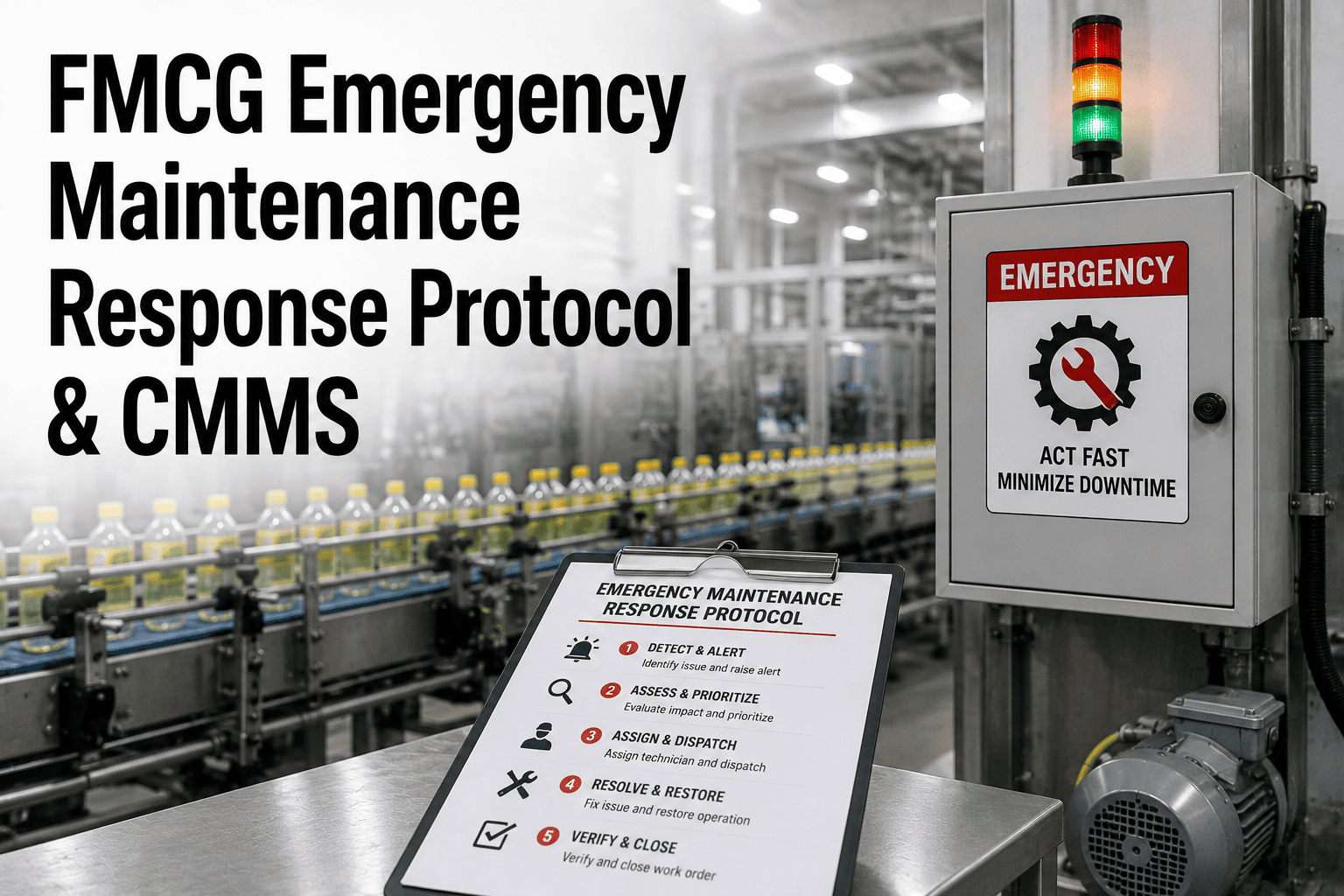
A filler line stops on a Friday night shift and the first five minutes decide everything. Does the right technician get notified immediately, or does someone scroll through a phone contact list? Is the spare part already flagged as available, or does someone walk to the crib to find out? Sign up to run a structured emergency maintenance response protocol instead of a scramble the next time a line goes down.
What This Guide Covers
This guide covers the FMCG emergency maintenance response protocol in CMMS: response team structure, the escalation ladder, mobile technician dispatch, spare parts emergency access, communication cadence, and how a CMMS turns a line stoppage into a controlled recovery instead of a chaotic scramble.
The First 30 Minutes After A Line Stops
0-5 min
Operator logs the stoppage and the nearest available technician is auto-notified instead of a manual phone chain
5-15 min
Technician confirms the fault code and spare parts availability shows on the same screen before walking to the crib
15-30 min
If downtime crosses the threshold, the escalation ladder fires automatically and the shift supervisor gets pulled in
Where Emergency Response Breaks Down
| Stage |
How It Costs Recovery Time |
| Notification |
A manual call chain wastes minutes finding whoever happens to answer instead of the nearest qualified technician |
| Escalation |
Without a time-based ladder, a stalled repair sits with one technician long after it should have pulled in support |
| Spare parts |
Not knowing stock status before walking to the crib turns a five-minute part swap into a thirty-minute search |
| Communication |
Production, quality, and the plant manager finding out at different times leads to conflicting decisions mid-recovery |
Four Pillars Of An Emergency Response Protocol
1
Response Team Structure Defined In Advance
Named roles and backups for each shift mean nobody is figuring out who's responsible while a line sits idle
2
A Time-Based Escalation Ladder
Fixed downtime thresholds automatically pull in supervisors, then engineering, then plant leadership without waiting for someone to ask
3
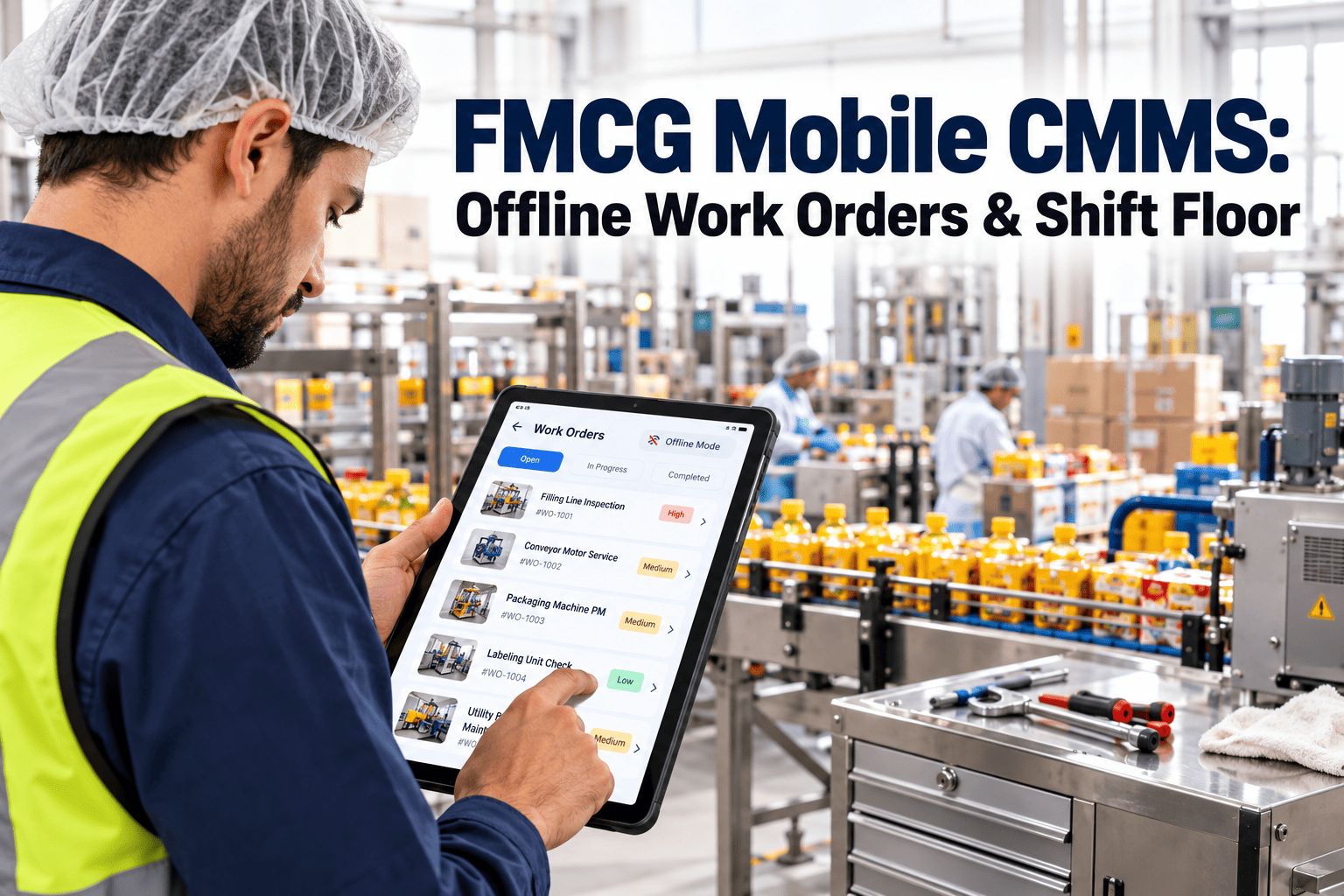
Mobile Dispatch To The Nearest Technician
Routing the alert to whoever is closest and qualified, not whoever answers the phone, cuts response time immediately
4
Spare Parts Visibility Before Dispatch
Confirming stock and location on the alert itself means the technician walks straight to the part, not around the plant
Turn A Line Stoppage Into A Controlled Recovery
OxMaint routes emergency alerts to the nearest technician, fires escalation automatically, and shows spare parts status before dispatch. Sign up for a free trial to build your emergency response protocol, or book a demo to see it mapped to your lines.
What A CMMS Adds To Emergency Response
Automatic Nearest-Technician Dispatch
Alerts route by location and skill match, cutting the minutes lost to a manual call-around during a stoppage
Escalation Ladder On A Timer
Downtime crossing a threshold pulls in the next tier automatically, so no stalled repair sits unnoticed on a shift
Live Spare Parts Status On The Alert
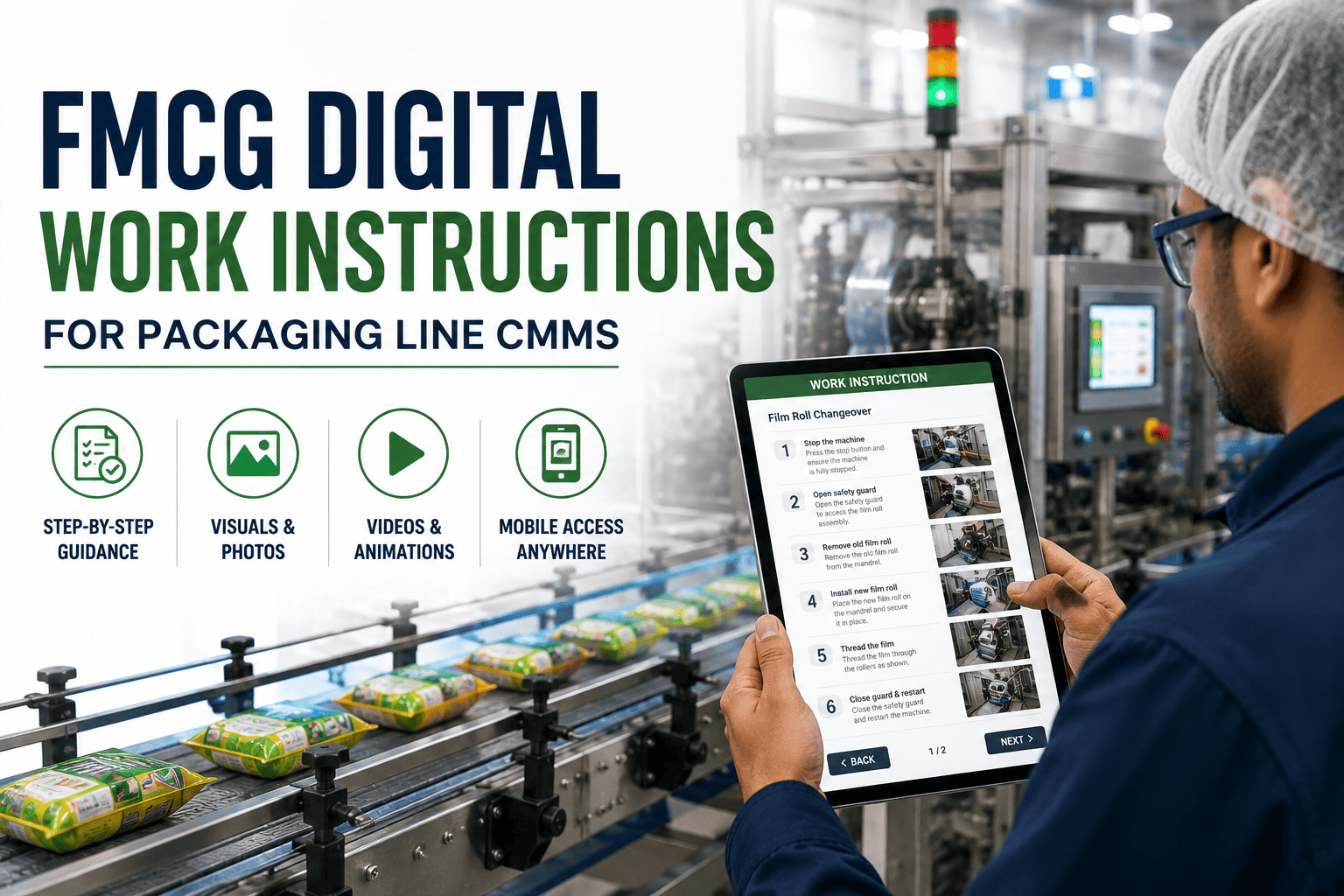
Stock and bin location travel with the emergency work order, so the technician walks straight to the part
One Timeline For Every Stakeholder
Production, quality, and plant leadership see the same real-time status, so recovery decisions stay coordinated
The Real Cost Is In The First Response
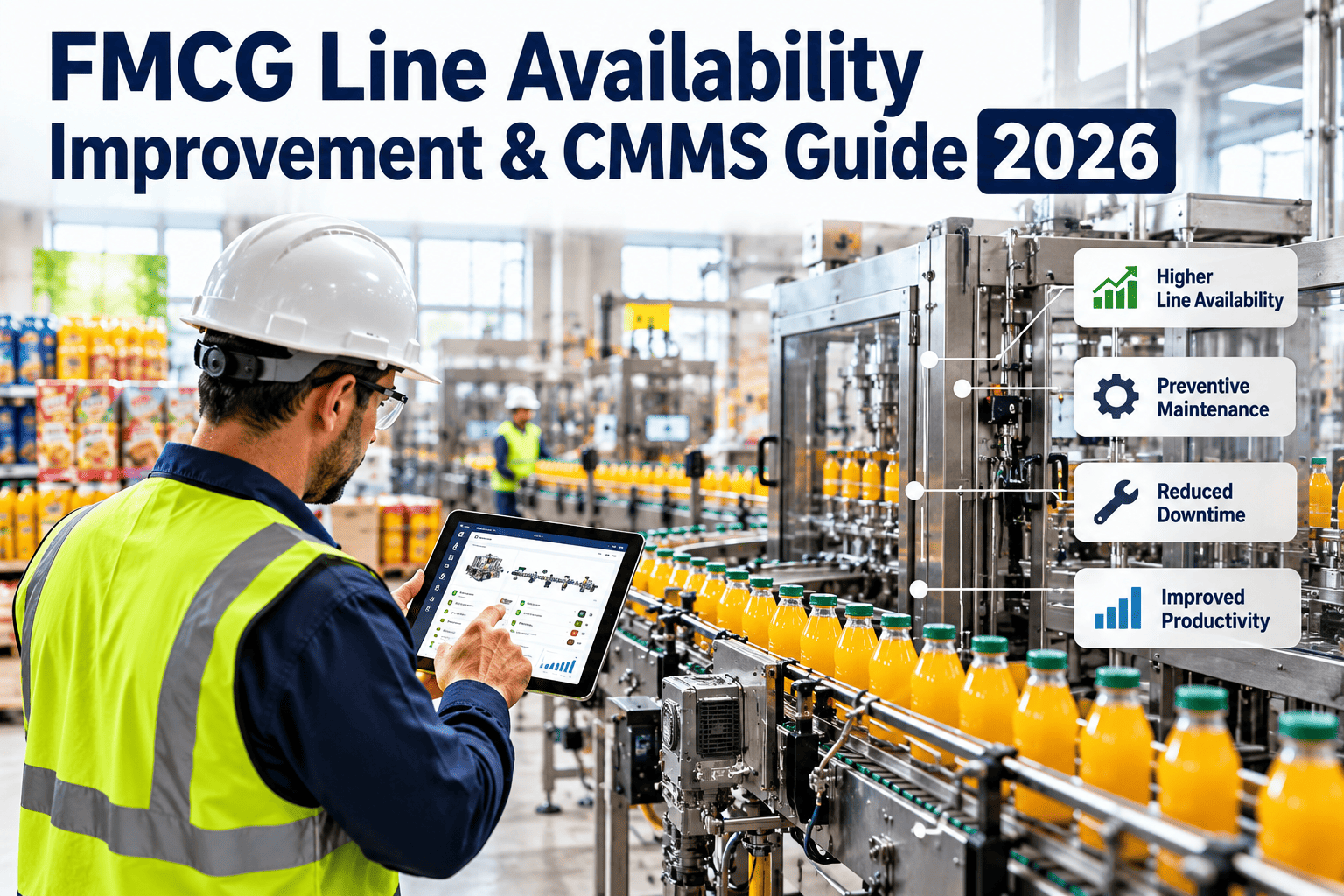
Most emergency downtime isn't lost during the repair itself, it's lost before the right person even knows the line is down. The plants that recover fastest are the ones with a protocol running before the stoppage happens, not the ones improvising a response after it already has.
Frequently Asked Questions
Q
What should trigger the first escalation tier on a line stoppage?
A fixed downtime threshold works better than judgment calls in the moment, since it removes the delay of someone deciding whether the stoppage is "bad enough" to escalate.
Q
Why does mobile dispatch matter more than a phone tree?
Routing to the nearest qualified technician rather than working down a static contact list removes the guesswork of who is actually available and close enough to respond fast.
Q
How does spare parts visibility fit into the emergency protocol?
Showing stock and bin location on the emergency work order itself removes a full trip to the crib just to find out whether the part is available at all.
Build Your Emergency Response Protocol Before You Need It
OxMaint turns response team structure, escalation ladders, mobile dispatch, and spare parts visibility into one connected emergency workflow. Sign up for a free trial to get your protocol running, or book a demo to see it built around your plant.