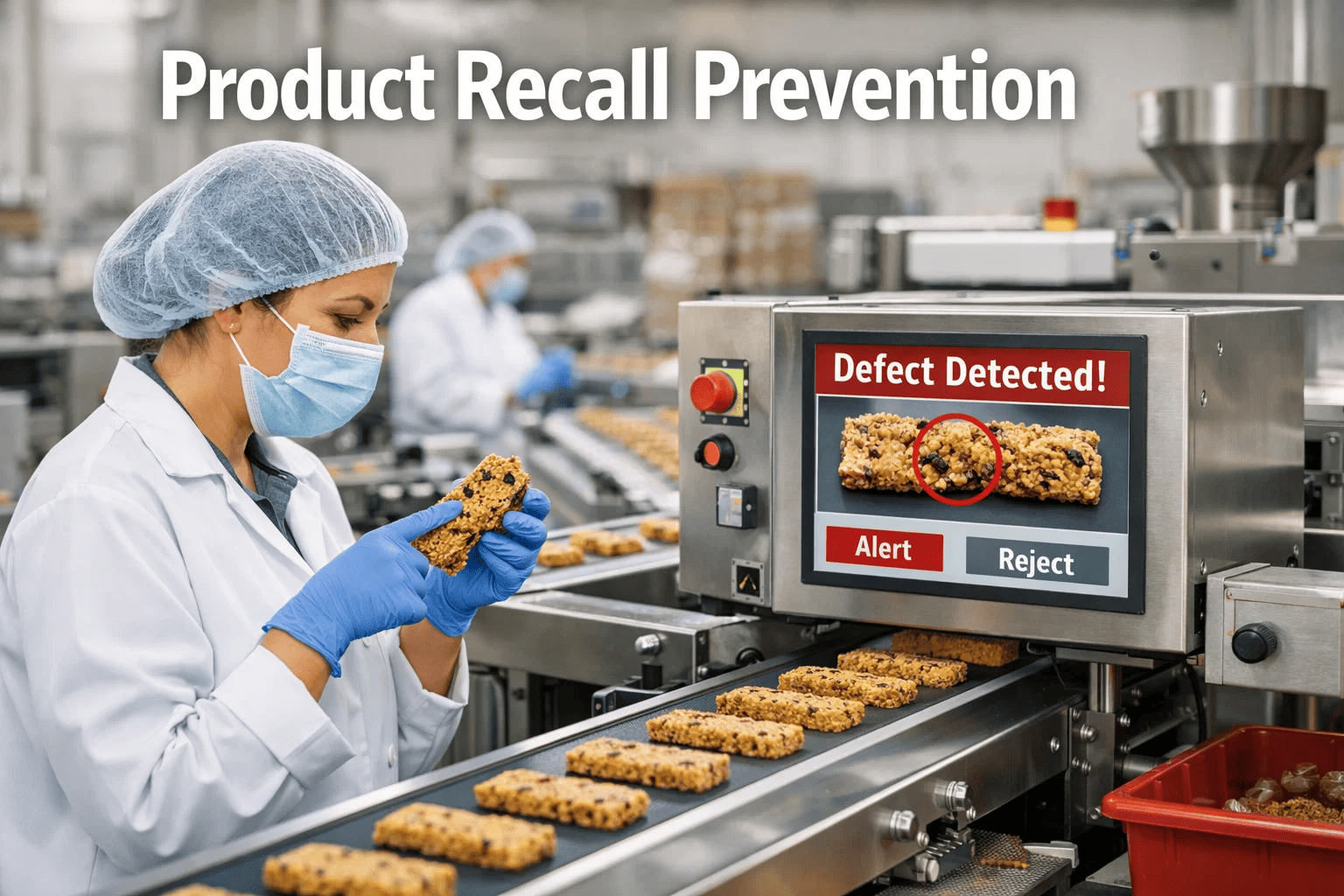
The FDA recorded over 2,100 food recalls in 2025 alone — and the financial devastation extends far beyond the logistics of removing product from shelves. The average direct cost of a food recall is $10 million, covering retrieval logistics, legal fees, regulatory response, and public relations. But total impact — including brand damage, retailer delisting, lost contracts, and litigation — routinely reaches $30–50 million for significant events. Here is the statistic that should change how every FMCG manufacturer thinks about maintenance: 41% of food recalls are linked to equipment failures that could have been prevented through proactive maintenance management. Worn bearings shed metal fragments. Degraded seals harbor pathogens. Failing heat exchangers do not reach pasteurization temperature. Corroded components contaminate product with chemical residue. And 89% of these maintenance-related recalls trace back to a specific set of predictable, preventable equipment failure modes. Companies that deploy predictive maintenance platforms have reduced contamination-related incidents by up to 78% within the first year — because the equipment health data that prevents recalls is the same data that optimizes maintenance efficiency. Start a free trial to build recall-prevention maintenance programs in Oxmaint, or book a demo to see how equipment health monitoring prevents product safety incidents.
The Cheapest Recall Is the One That Never Happens — Prevent It With Maintenance
Oxmaint connects equipment health monitoring, predictive analytics, and quality documentation into a unified platform that catches the equipment failures that cause contamination — weeks before they generate a recall event.
The Anatomy of a Maintenance-Caused Recall: How Equipment Failures Become Product Safety Events
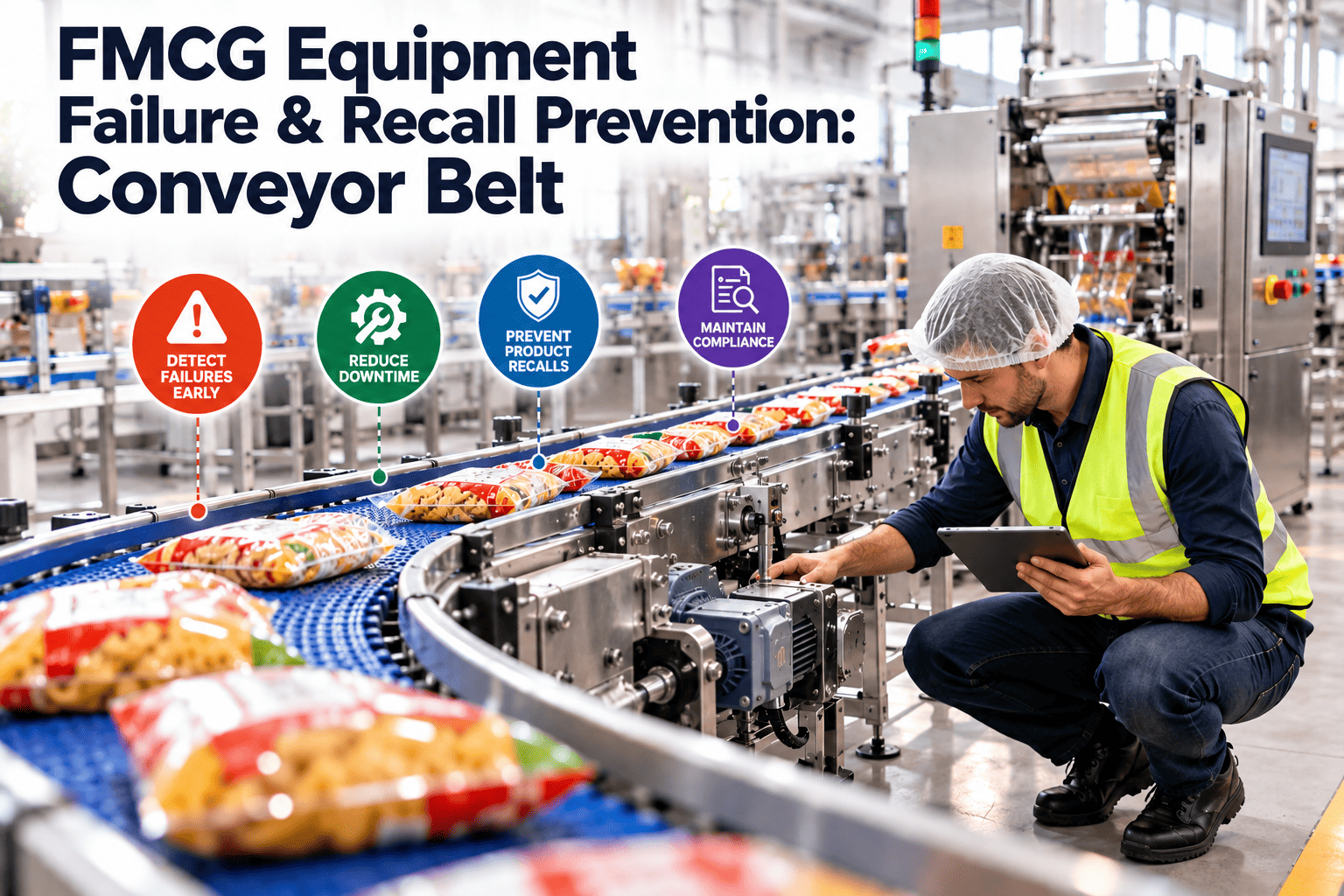
Every maintenance-related recall follows the same progression: equipment degrades silently, degradation is not detected because monitoring or PM is inadequate, the degraded equipment contaminates product, contaminated product ships, and the recall begins. The window between "equipment starts degrading" and "contaminated product ships" is the prevention window — and it is measured in weeks to months, not hours. Predictive maintenance closes this window by detecting degradation at the earliest stage, when intervention costs $200–$2,000 instead of $10 million. Start a free trial to implement recall-preventive equipment monitoring.
The Recall Prevention Framework: 5 Maintenance-Driven Controls
The Cost of Prevention vs. The Cost of Recall
Frequently Asked Questions
How does predictive maintenance specifically prevent product recalls?
Predictive maintenance prevents recalls by detecting equipment degradation during the prevention window — the weeks-to-months period between when degradation begins and when it causes product contamination. Vibration sensors detect bearing wear 60–90 days before metal fragment generation. Temperature monitoring catches heat exchanger fouling weeks before pasteurization temperatures fall below lethal thresholds. Flow monitoring detects CIP pump degradation before cleaning effectiveness drops below validated standards. In each case, Oxmaint auto-generates a maintenance work order from the sensor anomaly, triggering corrective action before the equipment state reaches the point where product safety is compromised. Start a free trial to deploy recall-preventive monitoring.
What is the relationship between PM compliance and recall risk?
The correlation is direct: facilities with PM compliance rates below 80% have 3.2x higher recall risk than facilities maintaining 95%+ PM compliance. Every missed PM on food-contact equipment is a period during which degradation can progress undetected. Oxmaint tracks PM compliance in real time with automatic escalation when compliance drops below threshold — ensuring the maintenance discipline that prevents the equipment failures that cause recalls is sustained rather than eroding over time. Book a demo to see PM compliance tracking dashboards.
How does quality-maintenance integration work in practice?
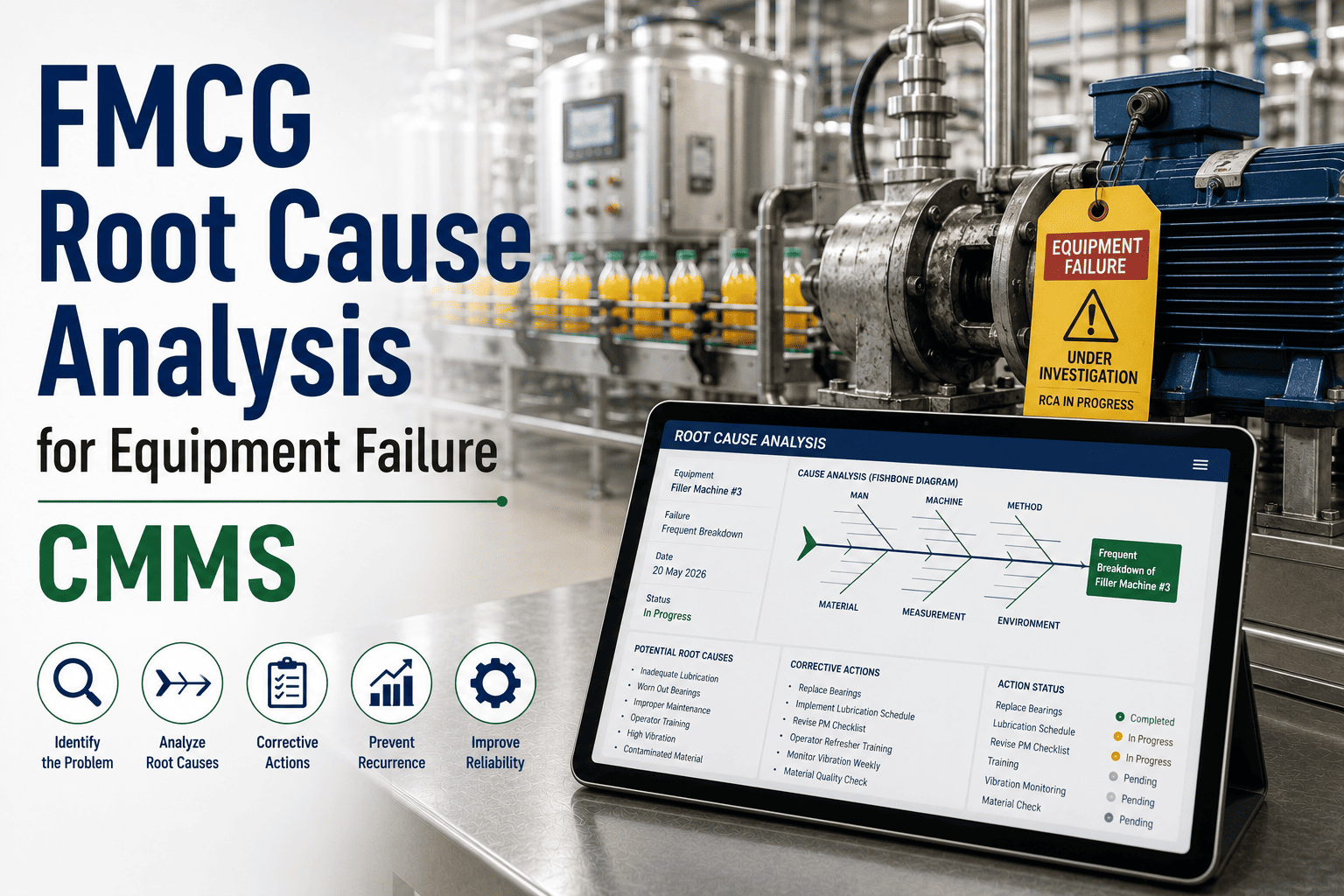
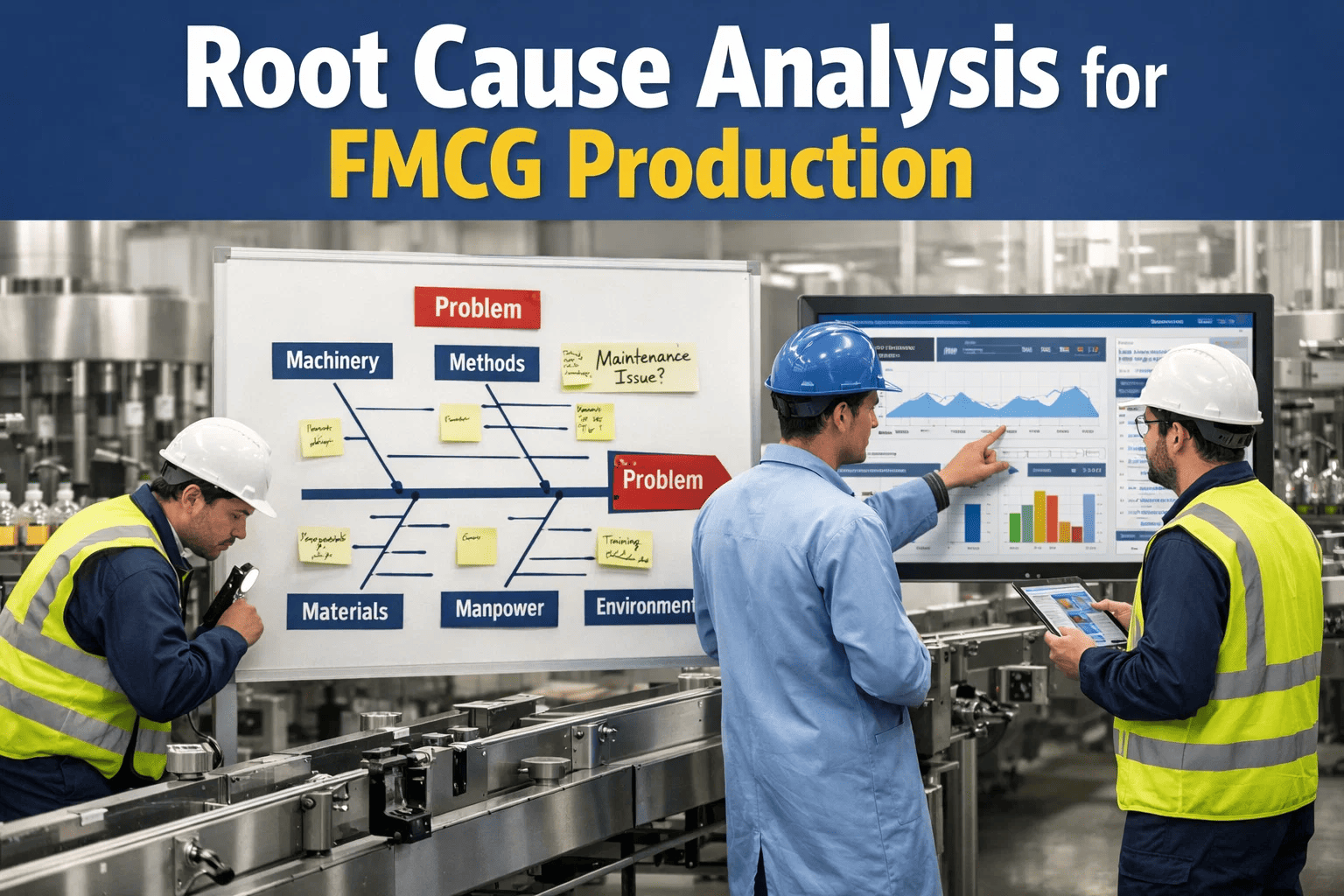
When a quality event occurs (positive environmental swab, product test failure, customer complaint), Oxmaint's integrated platform links the event to the specific equipment involved, that equipment's recent maintenance history, current PM compliance status, and sensor data trends. This enables rapid root cause identification — "the positive Listeria swab on Line 3 correlates with a seal replacement that was 6 weeks overdue on the filler" — and targeted corrective action. Without this integration, quality investigations are disconnected from maintenance data, root cause analysis takes weeks instead of hours, and the same equipment failure causes repeat quality events.
Can CMMS data reduce product liability insurance premiums?
Yes — insurance underwriters increasingly evaluate maintenance program maturity when pricing product liability coverage for food manufacturers. Facilities that can demonstrate structured PM programs, predictive monitoring on critical equipment, documented quality-maintenance integration, and complete audit trails receive preferential pricing — typically 25–40% lower premiums compared to facilities with reactive or undocumented maintenance programs. The CMMS data serves as evidence of proactive risk management that directly reduces the probability and severity of insured losses.
Your Next Recall Is Preventable — Build the Maintenance Program That Prevents It
FMCG manufacturers use Oxmaint to integrate predictive equipment monitoring, quality event tracking, batch traceability, and structured PM programs into a unified recall prevention system — reducing contamination incidents by 78% and turning reactive crisis management into proactive risk elimination.


.png)

