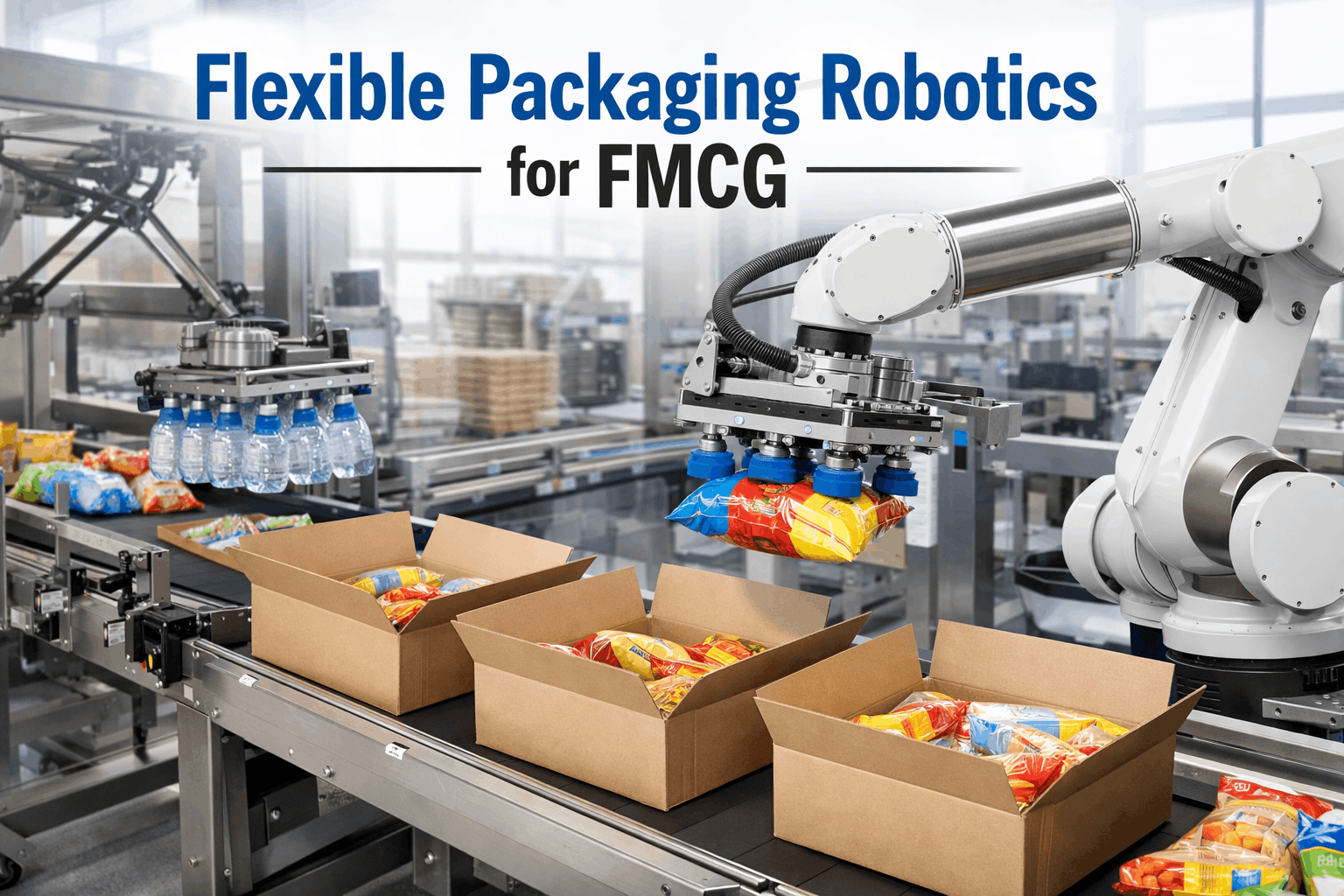
A major FMCG company switched from conventional BOPP laminates to compostable cellulose-based pouches — and within two months, seal failure rates jumped from 1.2% to 9.8%. The culprit was not the new material but the existing packaging machinery: seal jaw temperatures calibrated for petroleum-based films, changeover protocols designed for uniform-thickness substrates, and robotic pick-and-place arms gripping with force profiles tuned for rigid plastics. The rework and material waste cost $170,000 before maintenance teams recalibrated the entire line. This scenario repeats across FMCG plants transitioning to sustainable packaging — the materials change but the equipment care does not. Plants running structured eco-packaging maintenance through Oxmaint reduce material waste by 45% and achieve 99.2%+ seal integrity on bio-based substrates. Start your free trial today to digitize sustainable packaging maintenance. Schedule a 30-minute demo with our packaging equipment specialists.
Conventional Packaging Equipment
Material Tolerance
Wide — Uniform Thickness & Strength
Seal Temperature Window
±12°C Acceptable Range
Robot Grip Force
Standard Pressure — Low Damage Risk
Changeover Complexity
Minimal — Similar Material Properties
Sustainable Packaging Equipment
Material Tolerance
Narrow — Variable Thickness & Moisture
Seal Temperature Window
±3°C Precision Required
Robot Grip Force
Adaptive Pressure — Crush/Tear Risk
Changeover Complexity
High — Unique Parameters Per Material
FMCG Plants With Optimized Eco-Packaging Maintenance Reduce Material Waste By: 45%
Six Critical Equipment Challenges With Sustainable Packaging Materials
Eco-friendly materials — compostable films, recycled paperboard, mono-material laminates, bio-based plastics, and water-based adhesives — behave differently under heat, pressure, tension, and humidity. Each material category creates specific maintenance challenges that traditional PM schedules do not address. FMCG plants using Oxmaint build material-specific maintenance protocols that prevent the failures conventional schedules miss.
Seal Jaw Precision
±3°C
Bio-films require 4x tighter temperature control than BOPP — worn thermocouples and heating elements cause instant seal failure
Film Tension Control
42%
More web breaks with compostable films — dancer roller calibration and tension sensor accuracy become critical PM tasks
Adhesive Buildup
3x
Faster residue accumulation from bio-adhesives and water-based inks — cleaning frequency must increase proportionally
Moisture Sensitivity
68%
Of compostable film failures trace to humidity — equipment desiccant systems and ambient control need weekly verification
Robotic Grip Damage
5.4%
Crush and puncture rate on paper-based packs vs 0.3% on rigid plastic — force sensor recalibration is essential
Cutting & Scoring
2x
Faster blade wear from recycled paperboard fibres — blade replacement intervals halve compared to virgin materials
Material-Specific Maintenance Protocols for Eco-Packaging Lines
Each sustainable material category demands a dedicated maintenance protocol. A compostable cellulose pouch, a recycled PET bottle, and a mono-material PE sachet all require different seal temperatures, tension settings, cleaning agents, and inspection frequencies. Generic PM schedules that treat all packaging materials identically are the primary cause of waste and rejection spikes during sustainability transitions.
Compostable Films (PLA/PBAT)
Seal temp 90–110°C (vs 130–160°C), lower tension, humidity-controlled storage, weekly thermocouple calibration
±3°C Window
Recycled Paperboard
Higher dust generation, faster blade wear, adhesive applicator nozzle cleaning doubled, fold accuracy ±0.5mm
2x Blade Changes
Mono-Material PE/PP
Narrower seal window, modified cooling profiles, recalibrated leak testers, static elimination systems critical
±4°C Window
Recycled PET (rPET)
Variable wall thickness, blow moulding pressure adjustments, preform heating uniformity checks, vision system recalibration
15% More Checks
Water-Based Inks & Adhesives
Longer drying times, dryer maintenance critical, printhead cleaning 3x frequency, adhesive viscosity monitoring
3x Cleaning
Paper-Based Flexible Pouches
Moisture barrier coating sensitivity, reduced forming speeds, gentle robotic handling profiles, crease-free forming dies
30% Slower Speed
Average Additional PM Tasks When Running Eco-Materials
+40%
Conventional PM schedules miss 60–70% of failure modes unique to sustainable materials. Material-specific protocols prevent the seal failures, web breaks, and robotic damage that cause $24K–$180K in annual waste during eco-packaging transitions.
Your Sustainable Packaging Goals Need Sustainable Maintenance Strategies
Oxmaint builds material-specific PM protocols for every eco-packaging substrate — auto-scheduling calibrations, tracking seal integrity trends, and flagging equipment drift before it causes waste.
Robot Care for Sustainable Packaging: Grip, Place, and Palletize Without Damage
Robotic systems — pick-and-place arms, case packers, palletizers, and collaborative robots — are the highest-risk equipment in sustainable packaging lines. Paper-based pouches crush under pressures that rigid plastics tolerate easily. Compostable trays fracture at grip points. Lightweight mono-material bottles deform during palletizing. Every robotic touchpoint needs recalibrated force profiles, updated end-effector maintenance, and material-aware motion programming. Schedule a demo to see how Oxmaint manages robotic maintenance for eco-packaging lines.
01
Force Profiling
Recalibrate grip force sensors for each eco-material
Set crush-threshold limits per substrate type
Install force feedback monitoring on all grippers
Result: 92% Less Crush
02
End-Effector Care
Replace hard vacuum cups with soft-touch silicone pads
Weekly suction seal inspection for paper dust ingress
Bi-weekly gripper finger alignment verification
Result: 3x Gripper Life
03
Motion Optimization
Reduce acceleration profiles for lightweight materials
Program gentle placement trajectories for fragile packs
Validate palletizing pressure against crush test data
Result: 78% Less Damage
04
Predictive Monitoring
Track gripper force trends to predict pad wear
Monitor servo current for early joint degradation
Correlate reject rates with robot cycle parameters
Result: Zero Unplanned Stops
Real-World Wins: Equipment Care Saves Eco-Packaging Programs
The most compelling evidence for structured sustainable packaging maintenance comes from documented cases where equipment recalibration saved entire eco-packaging transitions from failure. These examples demonstrate that material innovation without maintenance adaptation creates waste — not sustainability.
Win: Compostable Pouch Seal Failure Fix
Problem
9.8% seal failure on PLA pouches — existing seal jaw thermocouples had ±8°C drift, 3x beyond material tolerance
Detection Method
IR thermal scan during PM audit revealed uneven heating across 4 of 6 seal jaw zones — invisible to operators
Maintenance Solution
Upgraded to high-precision RTD sensors, added weekly calibration SOP, installed real-time seal temp monitoring
Time to Fix
10 Days — Sensor Swap + Calibration + 3-Shift Validation Run
Implementation Cost
$3,900 (Sensors + Calibration Equipment)
Annual Savings
$58,000 (Seal Failure Dropped to 0.6%)
Win: Robot Crush Damage on Paper Packs
Problem
5.4% crush/puncture rate on paper-based pouches at case packer — standard grip force profile too aggressive
Detection Method
Vision system reject analysis showed 82% of damage at robot handoff — force logging confirmed 3x safe threshold
Maintenance Solution
Material-specific grip profiles, silicone-tipped end-effectors, monthly force sensor recalibration added to PM
Time to Fix
7 Days — End-Effector Swap + Force Profiling + Trial Runs Per SKU
Implementation Cost
$2,200 (End-Effectors + Force Sensors)
Annual Savings
$26,500 (Damage Rate Dropped to 0.4%)
Combined ROI from Two Maintenance Fixes: 14x Implementation Cost
ROI of Sustainable Packaging Maintenance Programs
The financial case for eco-packaging maintenance is built on waste prevention economics. Every seal failure on compostable film wastes material that costs 2–4x more than conventional plastic. Every crushed paper pack at the palletizer wastes a premium substrate plus the product inside. FMCG companies with structured eco-packaging maintenance programs recover their investment within 90 days through material waste reduction alone.
Seal Failure Reduction
Precision calibration reduces bio-film seal rejects from 8% to 0.8% — saving premium material at 3x conventional cost
$63,000
Robotic Damage Prevention
Material-specific grip profiles reduce crush/puncture from 5% to 0.4% on paper and compostable packs
$26,500
Web Break Reduction
Tension system maintenance cuts compostable film web breaks by 65% — fewer line stops and splicing waste
$22,000
Changeover Optimization
Material-specific parameter presets reduce eco-to-conventional changeover time by 40% with zero trial-and-error
$17,500
Energy Savings
Lower seal temperatures for bio-films reduce heating energy by 25% — plus optimized dryer settings for water-based inks
$10,000
Sustainability Compliance
Documented material waste tracking satisfies EPA, brand sustainability audit requirements
$8,200
Total Annual Value Delivered
$147,200
Program investment: $10K–$19K/year including sensor upgrades, calibration tools, training, and software. Net ROI: $128K–$137K. Return: 7–15x in first year. Value increases as sustainable material percentage grows toward 100%.
Common Mistakes in Sustainable Packaging Maintenance
FMCG plants fail at eco-packaging not because sustainable materials are flawed but because maintenance strategies are not adapted. These six mistakes account for 85% of waste and rejection spikes during sustainability transitions — and all have proven solutions.
Same PM for All Films
Fix It
Each sustainable substrate needs its own PM checklist — PLA, rPET, and paper pouches require entirely different calibration schedules
Ignoring Humidity
Fix It
Compostable films absorb moisture rapidly — equipment rooms need dehumidification and material storage needs weekly RH checks
No Robot Recalibration
Fix It
Standard grip forces crush paper packs and puncture thin bio-films — force profiles must be reprogrammed per material
Skipping Seal Validation
Fix It
Bio-film seal integrity must be tested every shift, not daily — narrower temperature windows mean faster drift consequences
Wrong Cleaning Agents
Fix It
Conventional solvents damage bio-adhesive applicators and degrade compostable film residues — use manufacturer-approved cleaners
No Blade Tracking
Fix It
Recycled paperboard wears blades 2x faster — without cut-count tracking, dull blades cause ragged edges and dust contamination
Eco-Friendly Materials Deserve Eco-Smart Maintenance
Oxmaint builds material-specific maintenance protocols for every sustainable substrate — auto-scheduling sensor calibrations, tracking seal trends, and preventing the waste that undermines your sustainability goals.
Frequently Asked Questions
Why do sustainable packaging materials require different equipment maintenance?
Sustainable materials — compostable films, recycled paperboard, mono-material laminates, and bio-plastics — have narrower processing windows, higher moisture sensitivity, lower mechanical strength, and different thermal properties than conventional petroleum-based packaging. Seal temperatures that work for BOPP will burn PLA. Grip forces that handle rigid PET bottles will crush paper pouches. Equipment calibrated for uniform-thickness plastic films will create web breaks on variable-gauge compostable substrates.
Sign up free to start building material-specific maintenance protocols.
How do we recalibrate robots for sustainable packaging without stopping production?
The most effective approach is creating material-specific robot programs that automatically load the correct grip force, speed, and placement parameters when a changeover occurs. During the initial setup, run test cycles with force measurement to establish safe operating ranges for each eco-material. Store these as presets in the robot controller. Then add monthly force sensor calibration and quarterly end-effector inspection to your PM schedule. Oxmaint manages this by linking material type to robot maintenance protocols — when a compostable pouch SKU is scheduled, the system automatically triggers the corresponding calibration verification.
What is the typical waste reduction when implementing eco-packaging maintenance?
Plants transitioning from generic PM to material-specific maintenance protocols typically reduce sustainable packaging waste by 40–55% within 90 days. The largest gains come from seal failure reduction (precision temperature calibration cuts bio-film rejects by 80–90%), robot damage prevention (material-specific grip profiles reduce crush rates by 85–92%), and web break reduction (tension system maintenance cuts compostable film breaks by 60–70%). Combined, these improvements recover $48K–$145K annually depending on plant size and sustainable material percentage.
How does eco-packaging maintenance support EPR and sustainability compliance?
Extended Producer Responsibility (EPR) regulations and brand sustainability targets require documented proof that packaging waste is minimized throughout the manufacturing process. Material-specific maintenance programs generate the data trail auditors need: calibration records showing equipment is optimized for each sustainable substrate, waste reduction metrics proving continuous improvement, and material consumption reports demonstrating efficient use of premium eco-materials. Plants using
Oxmaint auto-generate compliance reports from maintenance data, satisfying brand audits and sustainability certifications without additional documentation effort.
Sustainable Materials Without Sustainable Maintenance = Expensive Waste
Oxmaint turns your eco-packaging transition into a waste-reduction success story — material-specific PM protocols, robotic grip optimization, and seal integrity monitoring that protects every premium sustainable substrate.

.png)