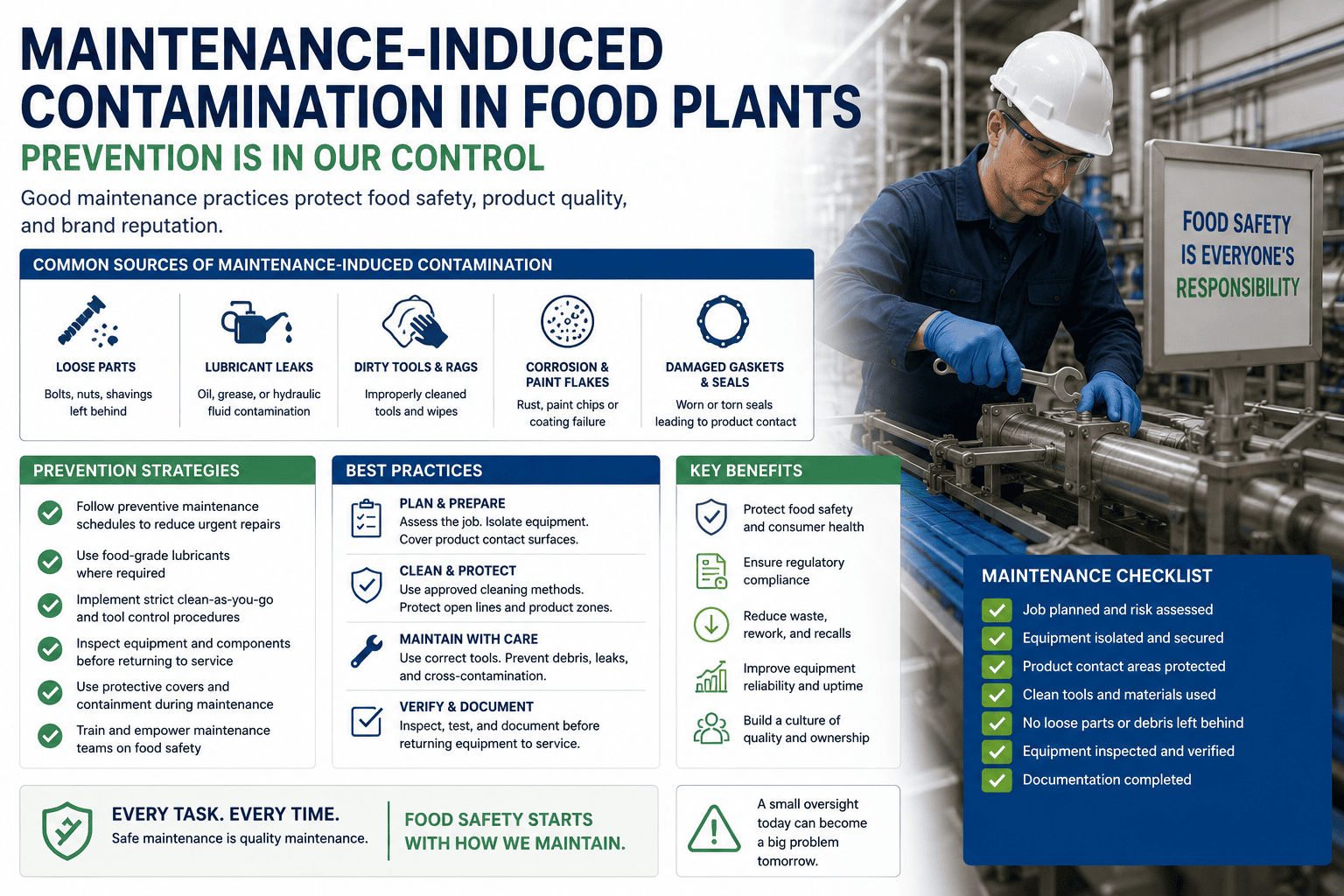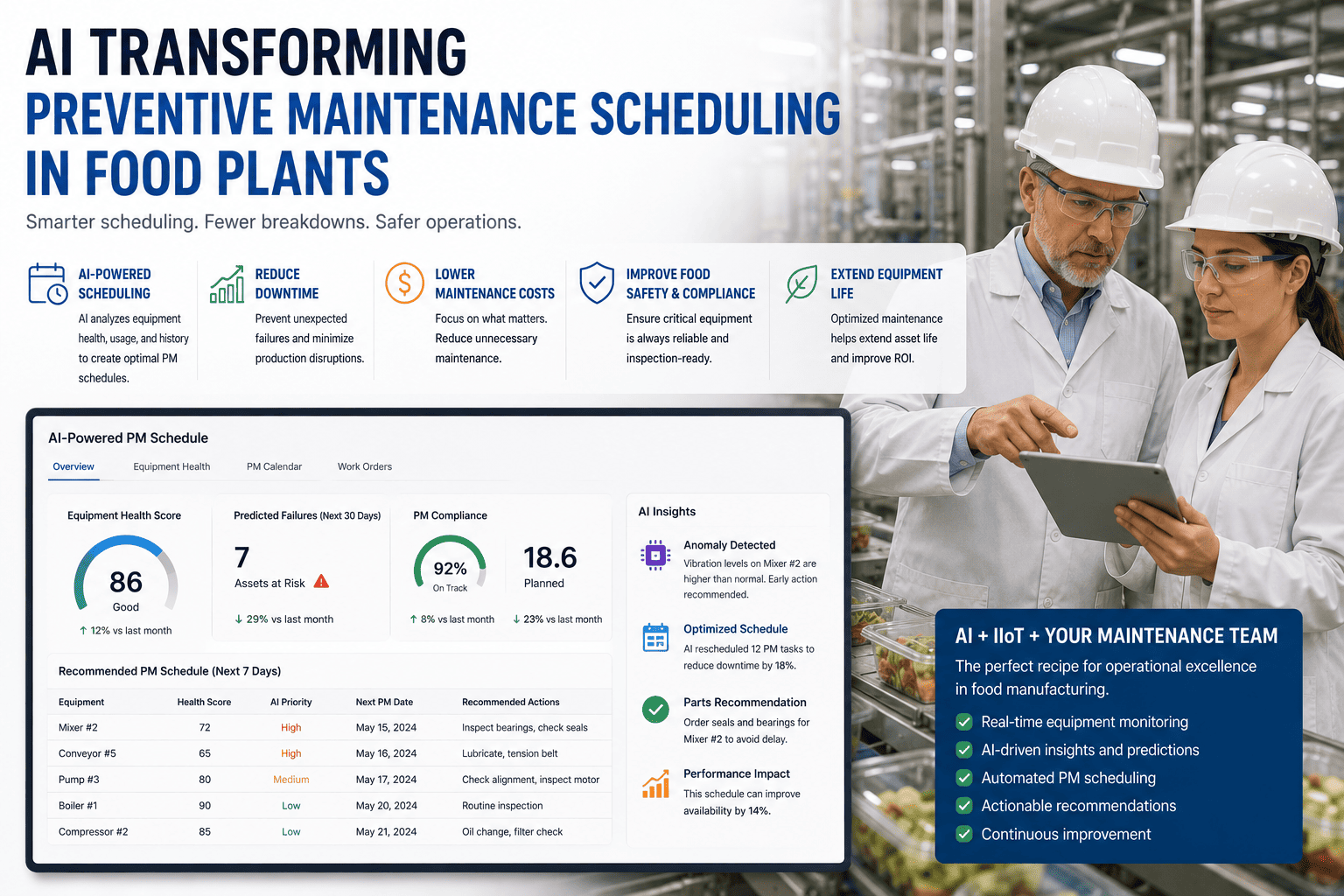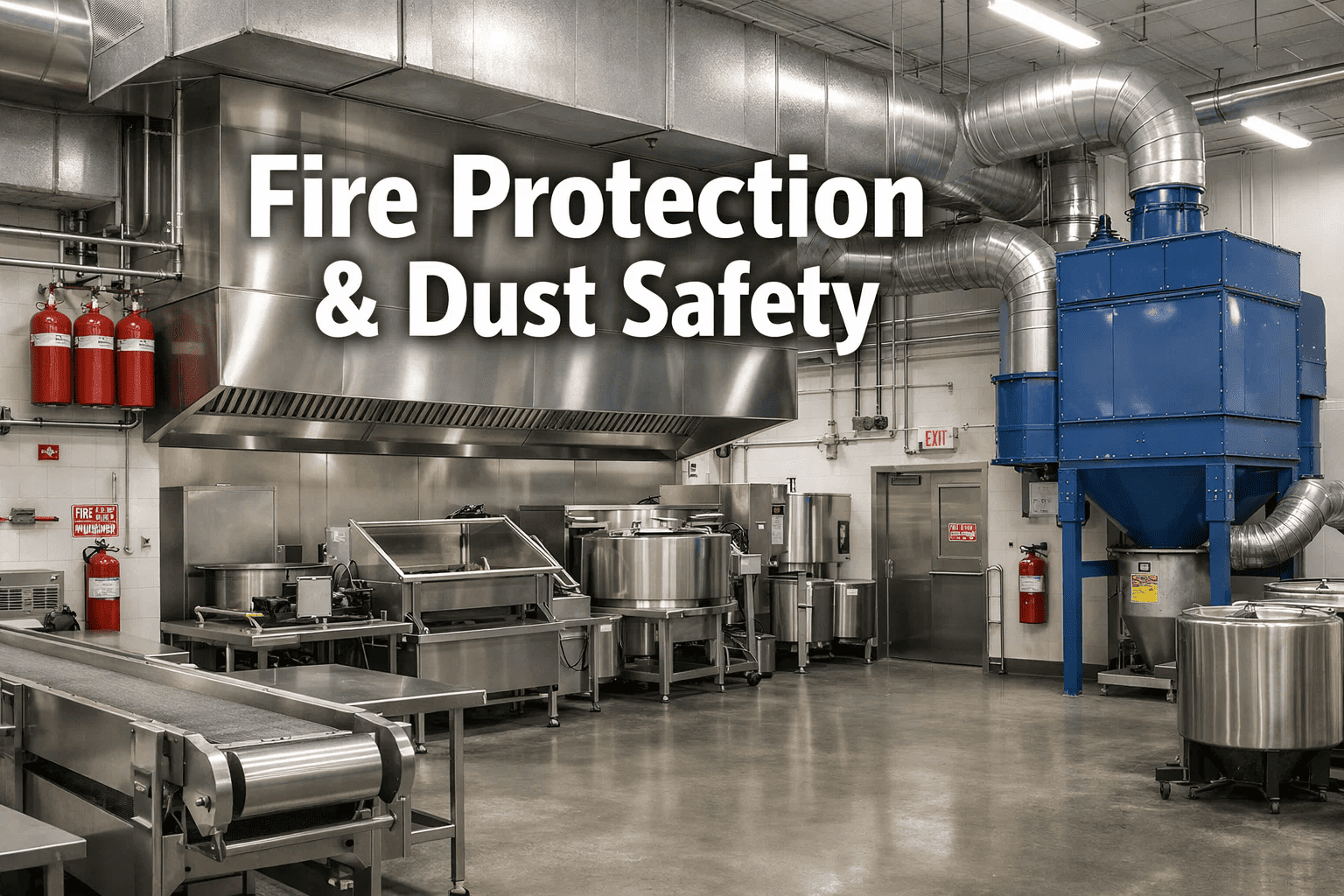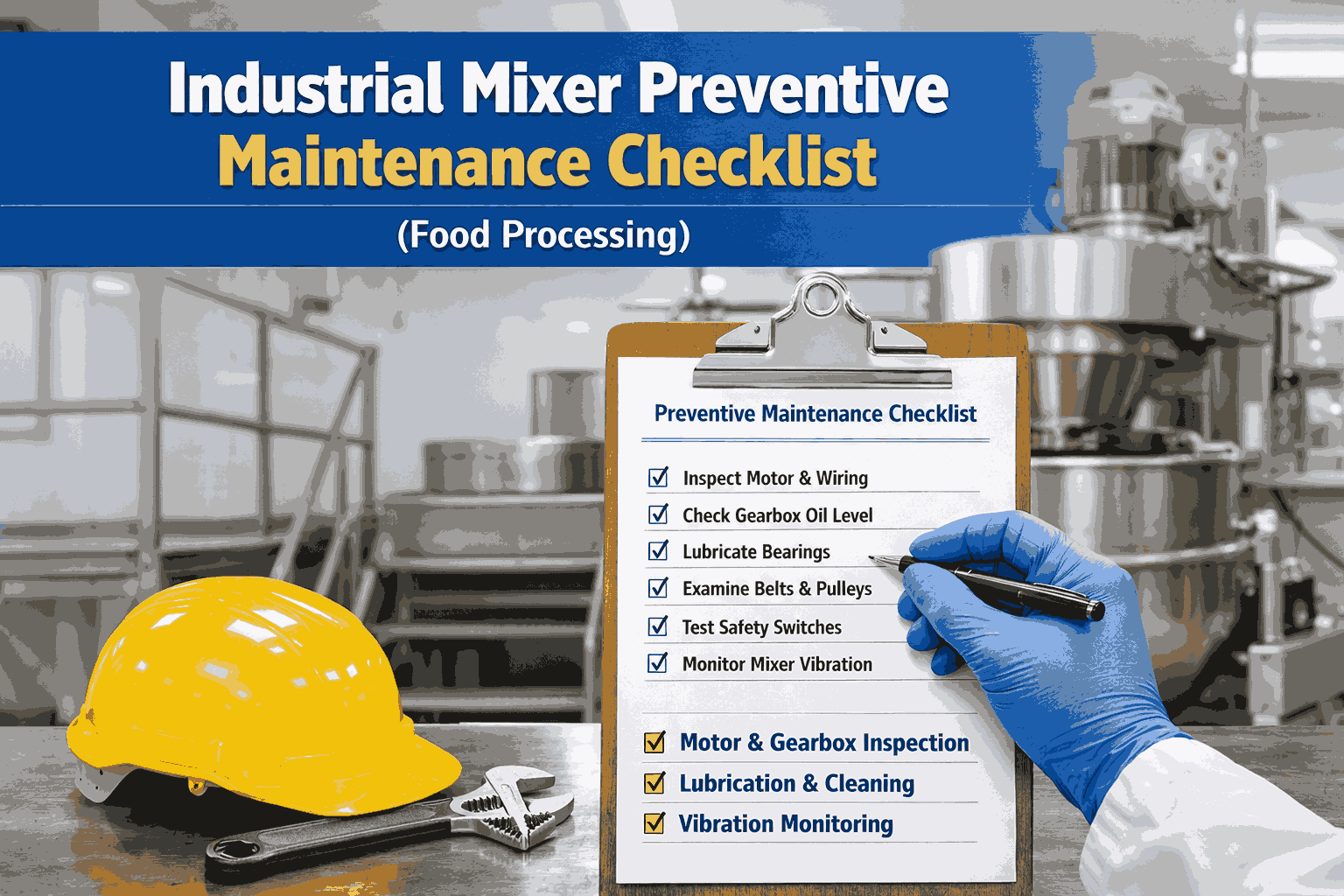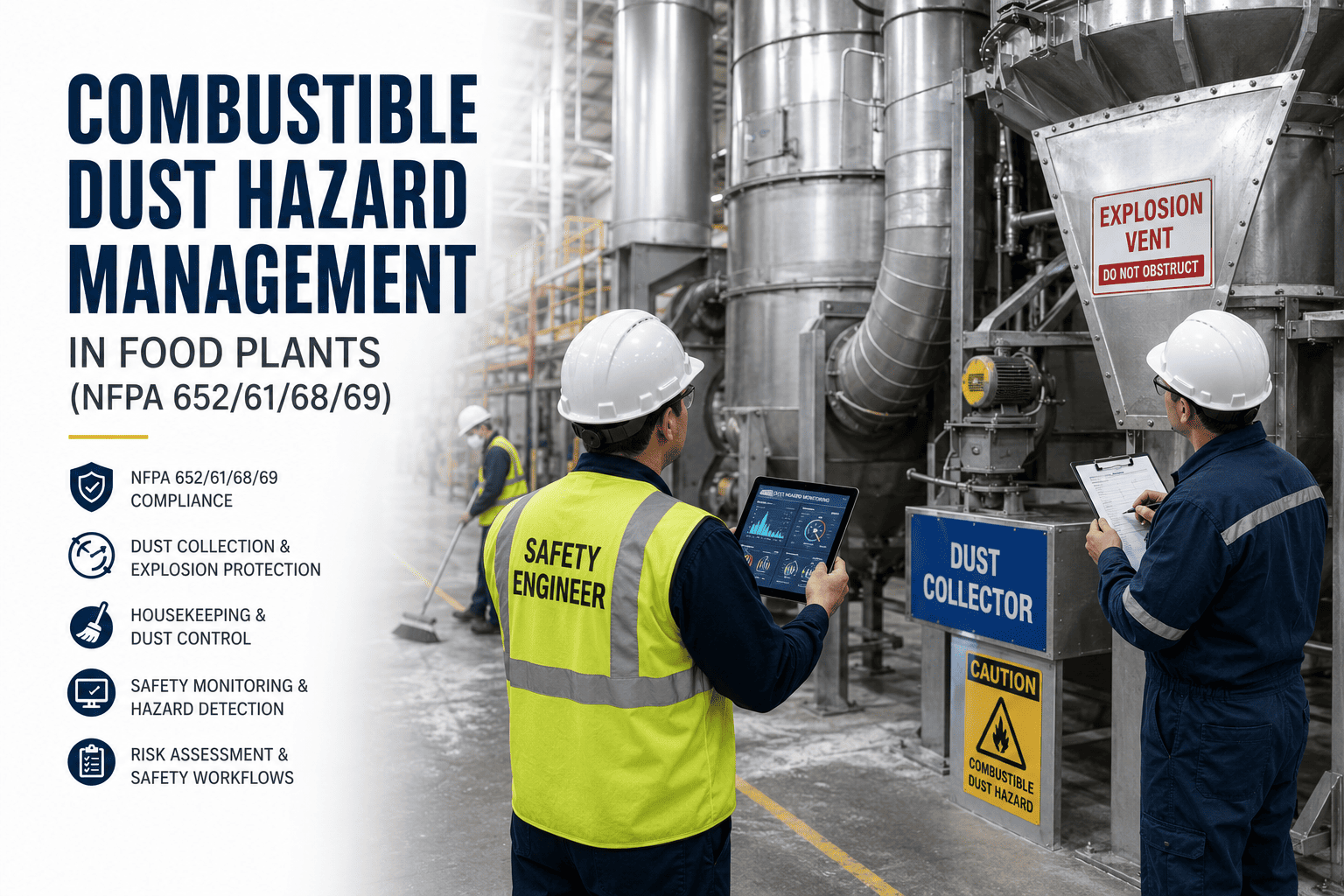
Combustible dust is the single largest under-managed hazard in food manufacturing. Flour, sugar, starch, cocoa, milk powder, dried egg, soy protein — every food plant handling these in bulk carries a deflagration risk that has produced documented fatalities at every scale, from small bakeries to global confectionery operations. The regulatory architecture is unambiguous: NFPA 652 requires a Dust Hazard Analysis (DHA) for every existing facility within scope, NFPA 61 sets the operational rules for food and agricultural processing, NFPA 68 governs deflagration venting, and NFPA 69 covers prevention and suppression. OSHA enforces all of it through the general duty clause, with citations routinely issued when housekeeping, ignition-source control, or protective-device inspection chains break down. The hard truth is that DHA documents and protective devices alone do not prevent incidents — only a sustained, documented inspection and housekeeping discipline does. Start a free trial to digitise the entire combustible-dust evidence chain — or book a demo to see how Oxmaint turns DHA, housekeeping, and ignition-source control into one auditable workflow.
Combustible Dust Hazard Management in Food Plants (NFPA 652/61/68/69)
NFPA 652/61/68/69 DHA, housekeeping, ignition-source control, and CMMS-tracked compliance for food plants. See how plant safety, engineering, and EHS teams build inspection chains that survive any OSHA and NFPA audit.
What Combustible Dust Hazard Management Actually Covers
Combustible dust hazard management is the integrated programme — DHA, housekeeping, ignition-source control, protective device inspection, and operator training — that prevents deflagration events in any food plant handling sugar, flour, starch, cocoa, milk powder, or similar combustible particulates. NFPA 652 sets the foundation through the DHA. NFPA 61 defines the operational controls for food and agricultural processing. NFPA 68 covers vented protection. NFPA 69 covers prevention and suppression. Together they form an inspection chain that has to be evidenced continuously, not just at audit time.
The model matters because OSHA, AHJs, and insurance carriers no longer accept "we have a DHA on file" as sufficient evidence. They ask to see the housekeeping inspection record from last Tuesday, the rotary airlock isolation test from last quarter, the hot-work permit issued for last month's vendor repair, and the dust layer measurement from the conveyor gallery. Plants that move from paper inspection forms to a structured CMMS programme typically eliminate the documentation gaps that drive the overwhelming share of NFPA-citation findings — start a free trial to see what that looks like on your facility.
Six Pillars of NFPA-Aligned Dust Hazard Management
Six concepts separate facilities running disciplined combustible-dust programmes from those running on paperwork that never makes it past the auditor. Each is a specific control the inspector will test, and each lives inside the CMMS or it does not exist for compliance purposes.
Where Food-Plant Dust Programmes Break Down
Combustible-dust compliance failures repeat across milling, bakery, dairy, confectionery, snack, and pet-food operations in the same six patterns. Every documented incident traces back to two or three of these combined. Plants that close even two of these gaps typically pass their next NFPA, OSHA, and insurance audit cleanly — start a free trial to map your own programme against these.
How Oxmaint Builds the NFPA Evidence Chain
Oxmaint turns the six pillars into one connected workflow — DHA storage and re-review, housekeeping inspection schedules, hot-work permit issuance, vent panel inspection, suppression bottle testing, isolation valve verification, training records — all tied to specific assets and process areas. Every action is timestamped, signed, and audit-ready in seconds rather than days. Start a free trial to see the chain on your facility layout.
Paper-Based Dust Programme vs Structured CMMS — Side by Side
The gap between paper-based combustible-dust evidence and a structured CMMS programme is widest in the four moments inspectors specifically test — DHA currency, housekeeping retrieval, hot-work trail, and protective-device chain. The comparison below is built from food plants that completed the transition under NFPA 61/652 scope.
| Programme Dimension | Paper-Based Programme | Structured CMMS Programme |
|---|---|---|
| DHA currency | Filed and forgotten | Versioned with re-review trigger |
| Housekeeping evidence | Ad-hoc checks | Scheduled with photo evidence |
| Hot-work trail | Paper permits, often incomplete | Digital permit + signed sign-off |
| Vent panel chain | Installation cert only | Inspection, replacement, photo trail |
| Isolation valve verification | Assumed, rarely tested | Scheduled function-test workflow |
| Training retrieval | Binder hunt by name | Filtered by role / area in seconds |
| Inspector retrieval window | Days | Minutes |
ROI After Structured Dust Programme Rollout
The numbers below come from food plants that completed a 6–12 week move from paper-based combustible-dust evidence to a structured CMMS programme. The pattern is consistent — overdue inspections eliminated, OSHA findings dropped, and insurance carrier surveys returning recommendations rather than citations.
Frequently Asked Questions
Does Oxmaint replace our DHA consultant
How does the system handle hot-work permits for vendors and contractors
Can Oxmaint integrate with spark-detection and suppression system controllers
How fast can a multi-process food plant deploy
Stop Treating Combustible Dust as a Paperwork Problem
Turn every NFPA 652, 61, 68, and 69 control into a documented, signed, audit-ready record — and let the inspection chain run on schedule, every cycle.