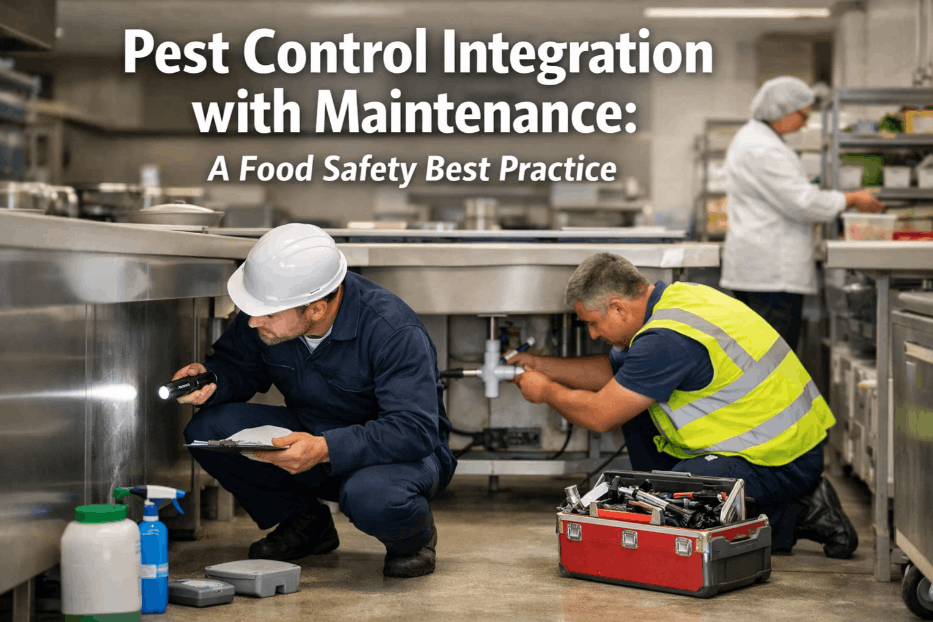
Maintaining Prerequisite Programs (PRPs) is the operational backbone of any effective HACCP system. These foundational controls — covering everything from facility sanitation and pest management to calibration schedules and supplier verification — establish the hygienic conditions necessary for HACCP critical control points to function correctly. Without rigorously maintained PRPs, even the most carefully designed HACCP plan is compromised. This checklist gives food plant managers, food safety coordinators, and QA teams a structured, audit-ready framework for keeping every prerequisite program in continuous compliance with Codex Alimentarius guidelines and modern food safety management standards.
1. Facility Infrastructure and Premises Maintenance
The physical condition of your food plant directly determines the hygienic integrity of every process conducted within it. Structural deficiencies, inadequate drainage, or compromised surfaces create harborage sites for pathogens and pests that no downstream HACCP control can fully compensate for. Regular premises audits against documented maintenance schedules are a non-negotiable PRP requirement under Codex and GFSI-aligned standards. Explore how OxMaint streamlines facility maintenance scheduling for food plant compliance teams.
Inspect Walls, Floors, and Ceilings for Integrity
Examine all food-contact zone surfaces and overhead structures for cracks, peeling paint, exposed insulation, or water damage. Document deficiencies and assign corrective work orders with target closure dates to maintain a traceable maintenance record.
Verify Drainage Systems Are Clear and Flowing
Test all floor drains for adequate flow and absence of backflow. Clean drain covers, remove organic debris, and confirm drain direction prevents cross-contamination between raw and ready-to-eat processing zones as required by your facility zoning plan.
Confirm Lighting Intensity Meets Zone Requirements
Measure and record lux levels in inspection, processing, and packaging areas against your documented facility lighting standard. Replace failed fixtures promptly and verify all light fixtures in food-exposure zones are fitted with shatter-resistant guards or sleeves.
Audit Ventilation and Air Handling Systems
Inspect HVAC filters, intake vents, and condensate drain pans for microbial buildup and particulate accumulation. Confirm positive-pressure airflow from higher-hygiene to lower-hygiene zones to prevent cross-contamination through air movement.
Check Door Seals, Screens, and Entry Points
Verify that all external doors have functioning self-closing mechanisms, intact door seals, and no gaps greater than 6mm at the base. Confirm window screens are intact and that dock doors are equipped with pest-exclusion barriers.
2. Sanitation and Cleaning Program Compliance
An effective sanitation PRP requires more than clean-looking surfaces — it demands validated cleaning procedures, documented chemical concentrations, verified contact times, and microbiological verification through swabbing programs. Codex Alimentarius Section 6 specifically calls for cleaning and disinfection programs that are monitored and reviewed regularly as part of the food safety management system.
Confirm Master Sanitation Schedule Is Current
Review the Master Sanitation Schedule (MSS) to confirm all equipment, contact surfaces, and environmental areas are assigned cleaning frequencies. Verify that schedule revisions reflect any new equipment, process changes, or findings from recent environmental monitoring data.
Verify Cleaning Chemical Concentrations and SDS Availability
Test and document working concentrations of all sanitizers and detergents at point of use using calibrated titration kits or test strips. Confirm that current Safety Data Sheets for all chemicals are accessible to sanitation staff and that secondary labeling is complete and legible.
Review Pre-Operational Sanitation Sign-Off Records
Confirm that pre-operational inspection records are completed before production starts for all shifts. Verify that any equipment failing pre-op inspection was removed from service, re-cleaned, and re-inspected before food contact resumed, with the deviation documented.
Assess Environmental Monitoring Results and Trend Analysis
Review the rolling 12-week environmental swab data for indicator organisms and pathogens of concern. Confirm that positive findings triggered documented corrective actions, intensified sampling, root cause investigation, and effectiveness verification before returning to standard monitoring frequency.
Inspect Chemical Storage Segregation and Labeling
Confirm that food-grade lubricants, cleaning chemicals, and sanitizers are stored in dedicated, locked, clearly labeled areas physically separated from food ingredients and packaging materials. Verify that chemical inventory is managed on a FIFO basis with no expired products in use.
3. Pest Control Program Verification
Pest activity in a food manufacturing environment represents one of the most direct routes of biological contamination — and one of the most visible audit findings for regulators and certification bodies alike. A robust pest management PRP requires documented contracts with licensed pest control operators, regular trap monitoring, trend reporting, and proactive structural exclusion maintained throughout the facility perimeter and interior.
Review Current Pest Control Operator Contract and Credentials
Confirm that your licensed pest control operator's contract is current, that their operator licenses are valid for your jurisdiction, and that their methods and chemicals are approved for food facility use. Retain copies of service reports and pesticide application records in your PRP documentation file.
Audit Bait Station and Trap Placement Maps
Verify that the current facility pest map accurately reflects the physical location, type, and numbering of all rodent bait stations, insect light traps, and glue boards. Confirm that no rodenticide bait stations are placed inside the inner food processing perimeter in violation of food safety requirements.
Review Trap Activity Logs and Trend Reports
Examine monthly trap activity data for statistically significant increases in rodent captures or flying insect counts at specific monitoring points. Elevated activity trends must trigger root cause investigation, structural exclusion reinforcement, and documented corrective action before the next service interval.
Inspect External Perimeter for Harborage Conditions
Walk the external perimeter of the facility to identify overgrown vegetation, standing water, accumulated waste materials, pallets stored against exterior walls, or gaps in the building envelope that create harborage or entry opportunities. Document findings and assign remediation tasks with closure deadlines.
4. Calibration and Measurement Equipment Maintenance
Every HACCP critical limit depends on the accuracy of the measurement device used to monitor it. Thermometers, pH meters, scales, and other monitoring instruments that drift out of calibration silently invalidate every CCP monitoring record they generate. A structured calibration PRP with documented schedules, traceability to national standards, and clear procedures for out-of-tolerance findings is essential for maintaining HACCP system integrity.
Confirm Calibration Schedule Is Up to Date for All CCP Instruments
Review the master calibration register to confirm that all instruments used to monitor HACCP critical control points are within their scheduled calibration interval. Instruments past due for calibration must be removed from CCP monitoring use until calibrated, with all records generated during the overdue period assessed for validity.
Verify Calibration Traceability Documentation
Confirm that calibration certificates for all CCP monitoring instruments include reference to traceable national measurement standards. Certificates must identify the calibrating technician, calibration date, standard equipment used, measured values before and after adjustment, and the next scheduled calibration date.
Review Out-of-Tolerance Findings and Impact Assessments
Examine the log of out-of-tolerance calibration findings from the past review period. Confirm that each finding triggered a documented impact assessment covering products monitored with the affected instrument, a disposition decision for potentially affected product, and a corrective action to prevent recurrence.
Check Daily Verification Records for Temperature Monitoring Devices
Review operator verification logs where thermometers are checked against known reference standards at the start of each shift. Confirm that verification tolerances are defined, that any devices failing daily verification were removed from service, and that calibration was initiated for devices showing repeated drift.
5. Water Safety and Potable Water Supply Verification
Water used in food processing, as an ingredient, in cleaning operations, or for ice manufacture must meet potable water standards throughout the point of use — not only at the municipal supply inlet. Internal plumbing deficiencies, cross-connections, and inadequate chlorination can all introduce microbial contamination that directly threatens product safety. Regular water testing, backflow prevention audits, and incoming supply verification are core Codex PRP requirements.
Review Current Potable Water Testing Results
Confirm that water quality testing results (microbiological, chemical, and physical parameters) are current and meet applicable regulatory standards at all processing water use points. Where municipal supply data is used, verify that supplementary internal testing is conducted at point-of-use locations per your documented water monitoring program.
Audit Backflow Prevention Devices and Cross-Connection Controls
Inspect all backflow prevention devices in the facility plumbing system and confirm they have been tested within the required annual inspection interval. Document any identified cross-connections between potable and non-potable water lines and initiate immediate corrective action to eliminate them.
Verify Ice Production Equipment Sanitation Records
Review cleaning and sanitation records for ice machines and ice storage bins used in food processing or product contact applications. Confirm that ice equipment is included in the master sanitation schedule, that microbiological testing of ice is conducted at the defined frequency, and that results are within specification.
6. Supplier and Incoming Material Control
Approved supplier programs are a foundational PRP requirement because pathogens and chemical hazards entering with raw materials cannot always be detected or eliminated by in-process HACCP controls. A robust supplier control PRP requires documented approved supplier lists, specification agreements, certificate of analysis verification, and periodic supplier performance evaluation — all maintained as retrievable records accessible during regulatory inspections and GFSI certification audits. Book a demo to see how OxMaint's supplier compliance module simplifies incoming material verification.
Confirm Approved Supplier List Is Current and Authorized
Review the approved supplier list to confirm all active ingredient and packaging suppliers are listed, that approval status is current, and that each supplier was evaluated through your documented qualification process. Flag any unapproved suppliers found on recent purchase orders for immediate investigation and corrective action.
Verify Certificate of Analysis Review and Retention for Incoming Lots
Confirm that certificates of analysis are received and reviewed against product specifications for all incoming ingredient lots before or at the time of material release to production. Verify that COA review records are retained for the required period and are linked to the corresponding incoming lot identification numbers.
Review Incoming Inspection and Rejection Records
Examine receiving inspection logs for the past review period to confirm that all incoming material inspections were completed, that any materials failing specification were placed on hold, formally rejected, and returned or destroyed under controlled conditions with full documentation of disposition decisions.
Conduct Periodic Supplier Performance Review
Complete scheduled supplier performance evaluations using documented criteria including COA compliance rate, rejection frequency, on-time delivery, responsiveness to non-conformance notifications, and food safety certification currency. Update supplier risk ratings and qualification status based on evaluation outcomes and communicate findings to procurement.
7. Personal Hygiene and Employee Health Controls
Human handling is among the most direct routes of microbiological cross-contamination in food plants. Effective personal hygiene PRPs combine documented policy requirements with observable behavioral monitoring, structured handwashing verification, health declaration procedures for illness reporting, and regular training reinforcement that keeps hygiene standards front-of-mind for every employee in every production zone.
Audit Handwashing Station Compliance and Supplies
Inspect all designated handwashing stations to confirm they are operational, stocked with soap and single-use towels or functioning hand dryers, clearly identified with handwashing instruction signage, and free of any improper use such as storage of equipment or ingredients in the sink basin.
Review Employee Illness Reporting Records and Health Declarations
Confirm that daily health declaration processes are implemented and that records document employee self-reporting of relevant symptoms including jaundice, diarrhea, vomiting, fever, sore throat with fever, and visibly infected skin lesions. Verify that affected employees were appropriately excluded from food-contact duties per the health exclusion policy.
Inspect Protective Clothing and PPE Condition
Verify that all production employees entering food-contact zones are wearing clean, intact, and correctly worn protective clothing including hair coverings, beard snoods where required, and footwear appropriate to zone hygiene classification. Inspect PPE storage areas to confirm clean and soiled garments are segregated.
Confirm Visitor and Contractor Hygiene Compliance Procedures
Review the visitor and contractor hygiene briefing log to confirm that all non-production personnel entering food production zones received and acknowledged hygiene requirements before entry. Confirm that PPE provision for visitors is documented and that contractors working in food zones were supervised per your third-party personnel control procedure.
8. Allergen Control Program Maintenance
Allergen cross-contact is a life-safety issue that HACCP prerequisite programs must address with the same rigor applied to microbiological hazards. Effective allergen PRPs cover ingredient segregation, production scheduling, cleaning validation between allergen and non-allergen runs, labeling verification, and supplier communication — all documented and maintained as retrievable records for regulatory and certification purposes.
Verify Allergen Ingredient Segregation in Storage
Inspect raw material storage areas to confirm that allergenic ingredients are stored in dedicated, clearly labeled locations physically separated from non-allergenic materials. Verify that allergen storage containers are intact, correctly labeled with allergen identification, and managed to prevent cross-contact during retrieval and weighing operations.
Review Allergen Changeover Cleaning Validation Records
Confirm that documented allergen changeover cleaning procedures are in place for all production lines that run allergen-containing followed by allergen-free products. Verify that cleaning validation studies support the procedures in use and that post-cleaning allergen swab or ATP test results are within validated acceptance criteria.
Audit Finished Product Label Allergen Declaration Accuracy
Compare current finished product labels against current formulations for each product to confirm that all intentionally added allergens are correctly declared and that changes to ingredient sourcing or formulation have been reflected in updated label copy. Confirm that pre-production label checks are documented before each production run.
Frequently Asked Questions
Below are the most common questions food safety professionals ask about HACCP Prerequisite Program maintenance, audit requirements, and implementation best practices.
A HACCP Prerequisite Program (PRP) is a foundational food safety practice that establishes and maintains the hygienic environment necessary for HACCP critical control points to operate effectively. PRPs cover sanitation, pest control, personnel hygiene, water safety, allergen management, and supplier control — the basic conditions without which no HACCP plan can reliably protect food safety. Codex Alimentarius and all major GFSI-recognized standards require documented, maintained, and verified PRPs as a non-negotiable baseline before a HACCP system can be considered valid.
PRPs should be formally reviewed at least annually as part of the overall HACCP system review. However, certain PRP elements require more frequent verification — daily pre-operational sanitation inspections, weekly pest trap monitoring, monthly calibration checks, and real-time incoming material inspections. PRPs must also be reviewed and updated immediately whenever there is a significant change to the facility layout, production processes, equipment, product range, or following any food safety incident or audit finding that identifies a PRP gap.
Auditors typically require documented evidence including: Master Sanitation Schedules with completed sign-off records, pre-operational inspection logs, environmental monitoring swab results with trend analysis, calibration certificates traceable to national standards, pest control service reports and trap activity logs, potable water testing results, approved supplier lists with qualification records, certificate of analysis files for incoming ingredients, employee hygiene training records and health declaration logs, and allergen changeover cleaning verification records. All records must be dated, signed, retained for the required period, and readily retrievable.
A Critical Control Point (CCP) is a specific step in the production process where a control measure is applied to prevent, eliminate, or reduce a food safety hazard to an acceptable level — for example, a cooking step that achieves a validated internal temperature to destroy pathogens. A Prerequisite Program, by contrast, manages the general hygiene and operational conditions of the entire food production environment rather than controlling a specific identified hazard at a specific process step. PRPs create the foundation that makes CCPs viable; without effective PRPs, contamination or hazards can enter the process at points the HACCP plan was never designed to control.
Allergen cross-contact is managed primarily through prerequisite programs rather than HACCP CCPs in most food manufacturing contexts, because allergen control depends on systemic practices — ingredient segregation, scheduling, cleaning validation, labeling verification, and supplier communication — rather than a single measurable process step. Effective allergen PRPs require documented approved ingredient lists with allergen declarations, validated changeover cleaning procedures supported by swab or ELISA testing, production scheduling that minimizes allergen changeover frequency, and label verification protocols that confirm finished product declarations match current formulations before every production run.
Yes — PRP failures are among the most common and most serious findings in HACCP and GFSI certification audits, and they can result in major non-conformances or audit failure regardless of how well CCPs are monitored and documented. Auditors treat PRP deficiencies — such as inadequate sanitation records, uncontrolled pest activity, out-of-calibration monitoring instruments, or unapproved supplier use — as systemic failures that undermine the validity of the entire HACCP system. Maintaining robust, well-documented PRPs is therefore not a secondary compliance activity but a primary determinant of overall food safety system credibility.
Environmental monitoring is a systematic program of microbiological sampling from non-product-contact and product-contact surfaces throughout the food production environment. It serves as the primary verification tool for sanitation PRPs — confirming that cleaning and disinfection procedures are actually achieving the required reduction in microbial contamination rather than simply being completed on schedule. Regulatory agencies and GFSI standards require environmental monitoring programs that cover indicator organisms and relevant pathogens, with defined sampling frequencies, site selection rationale, result trending, and documented corrective action procedures for positive findings. A well-managed environmental monitoring program catches sanitation failures before they result in product contamination.